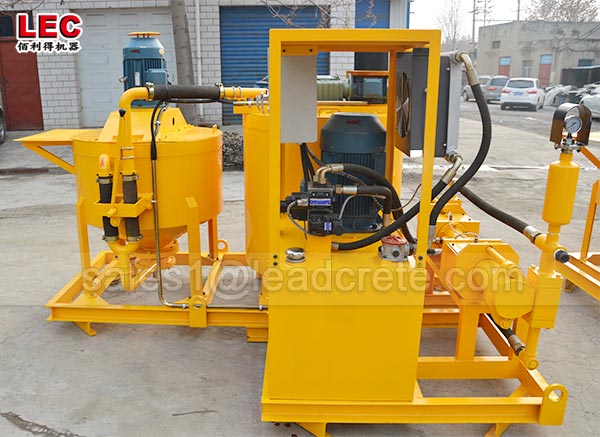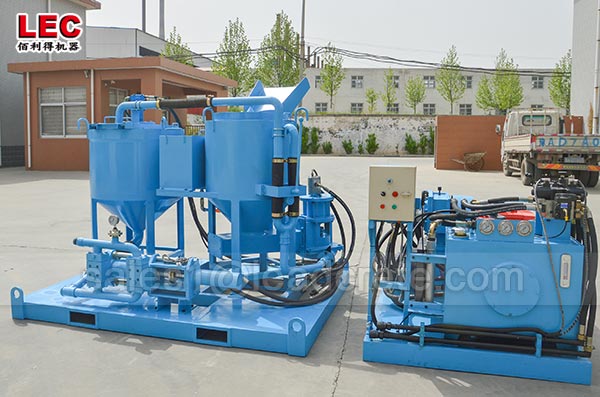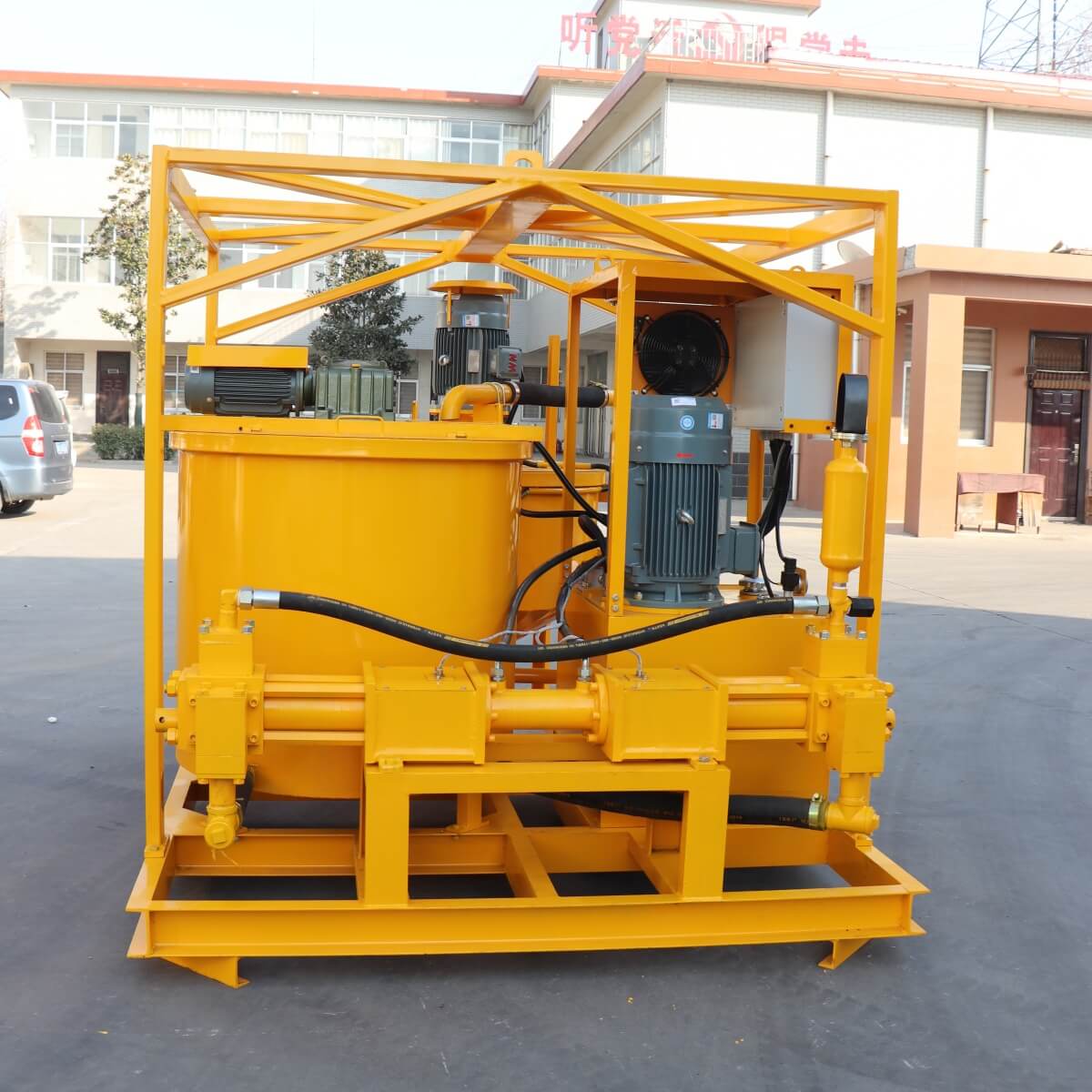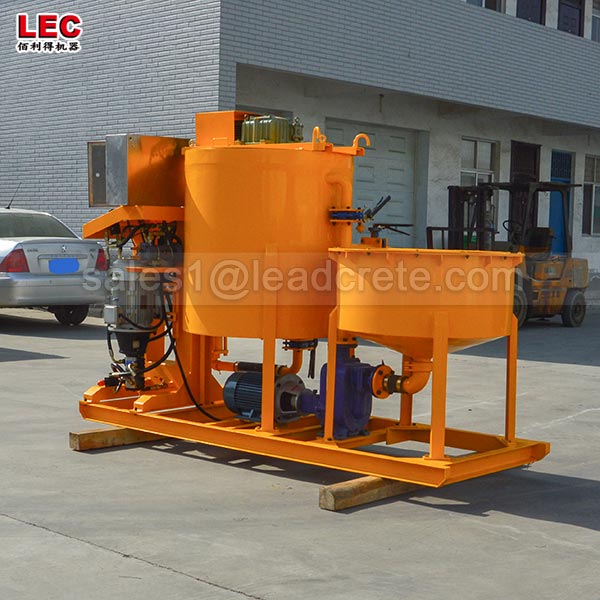
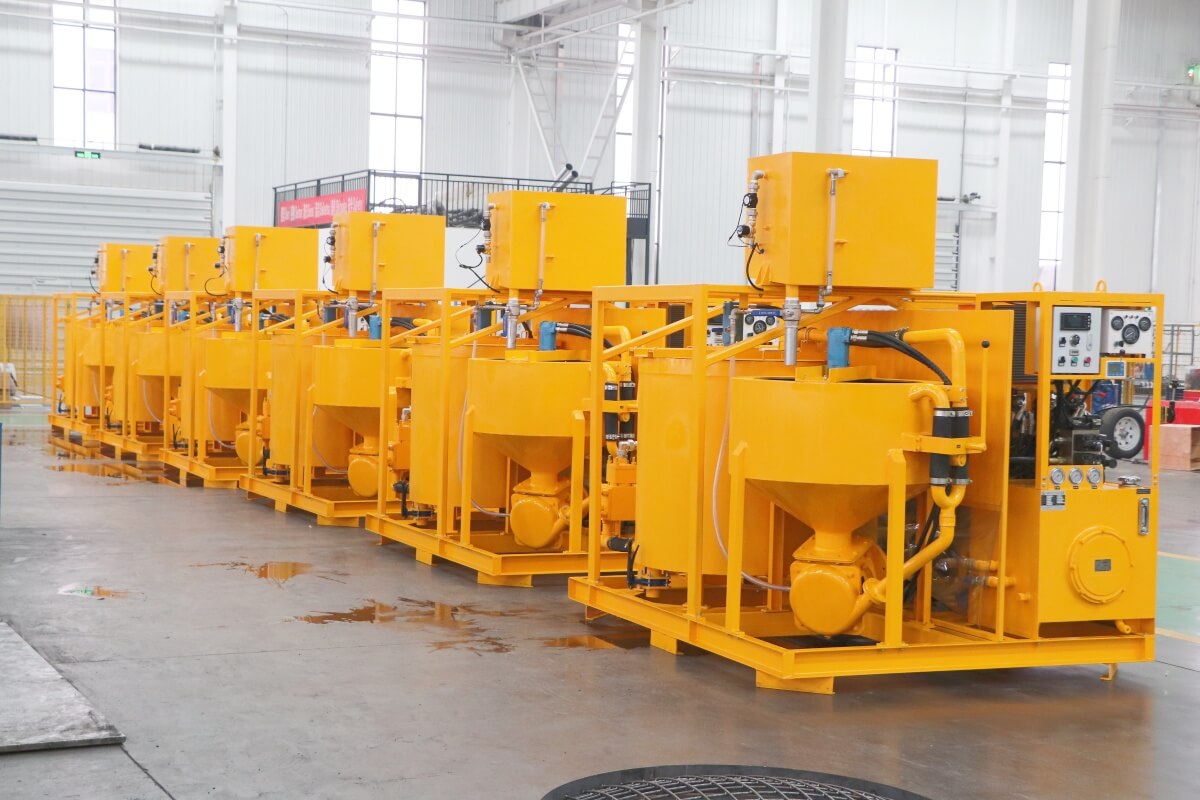
Complete grouting station for micropile project
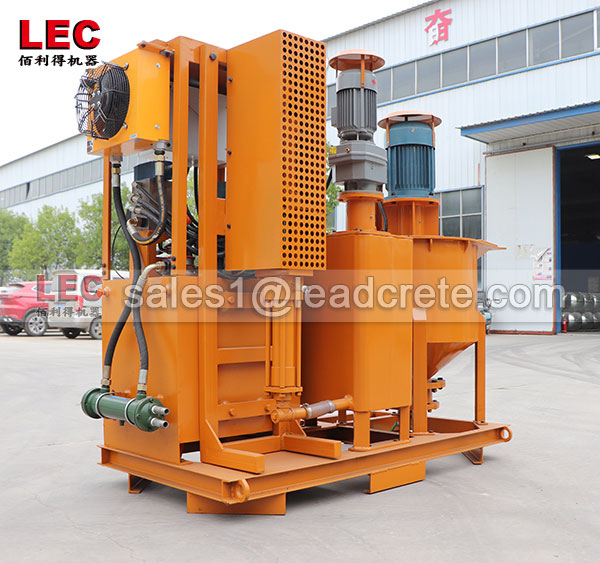
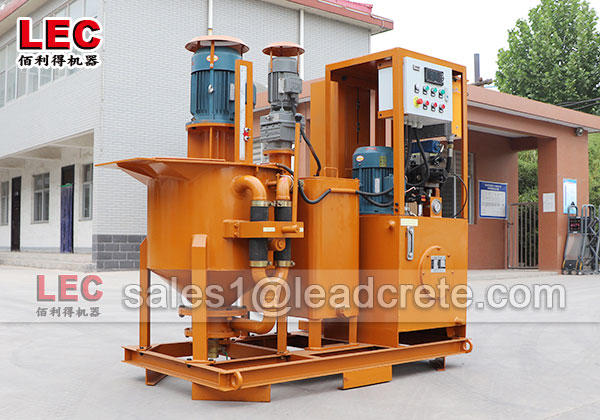
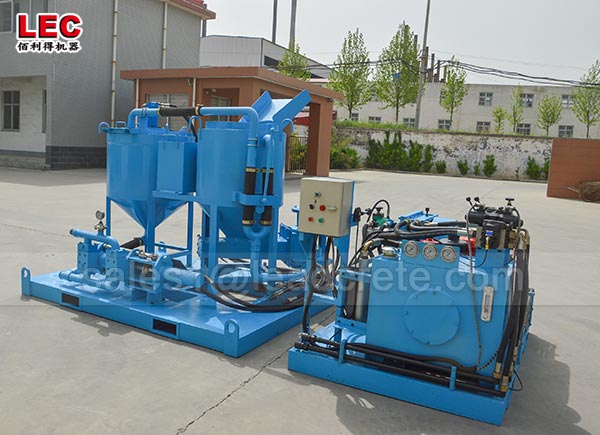
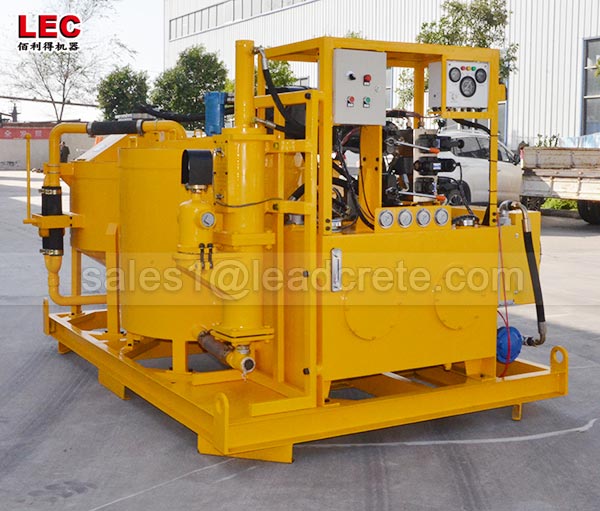
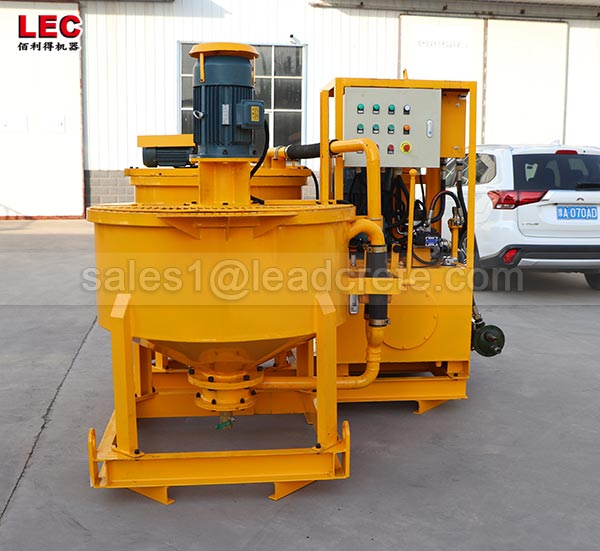
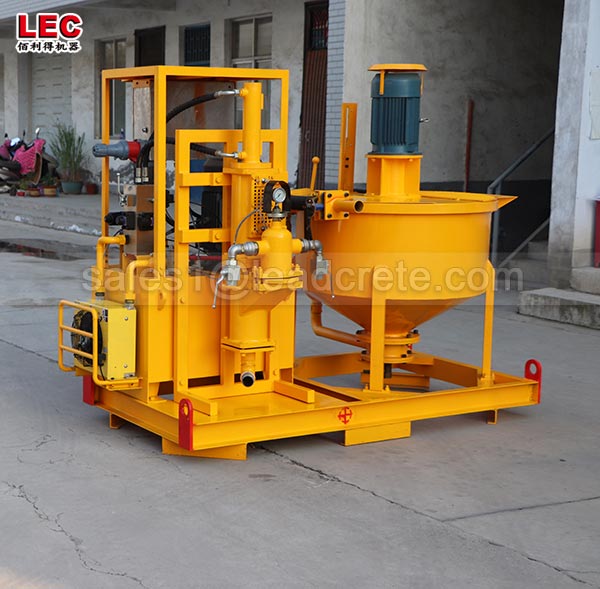
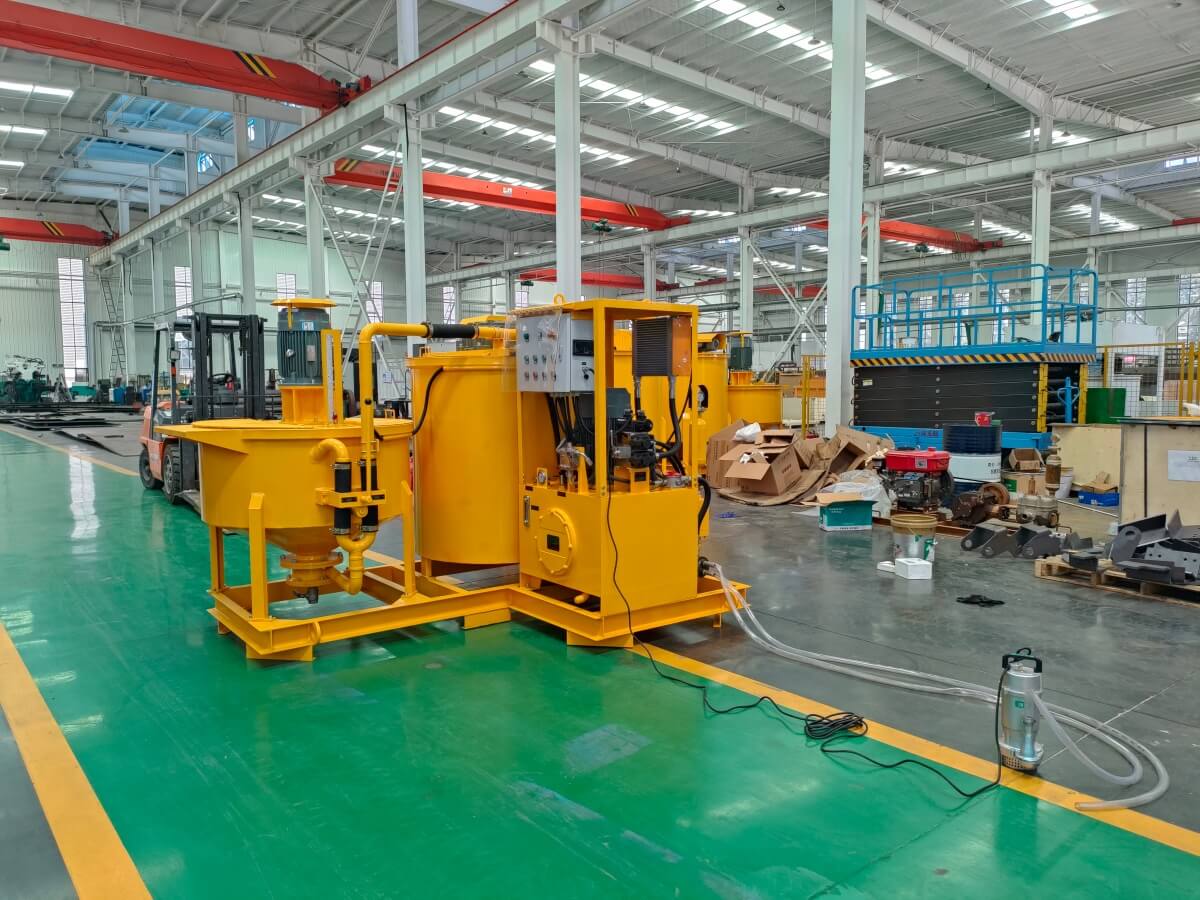
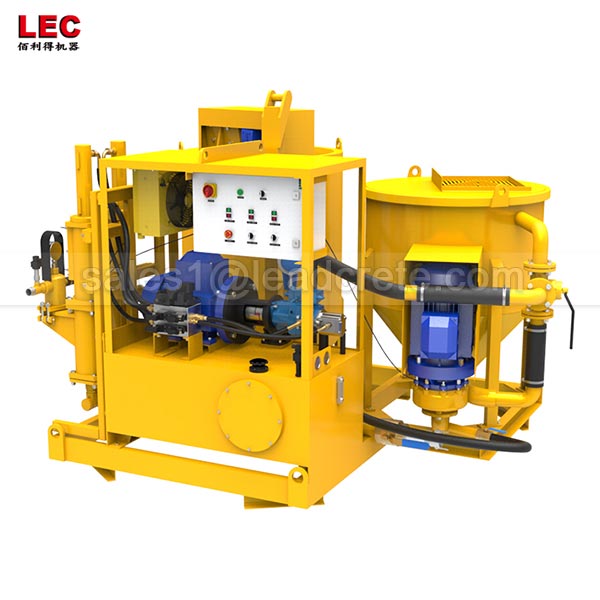
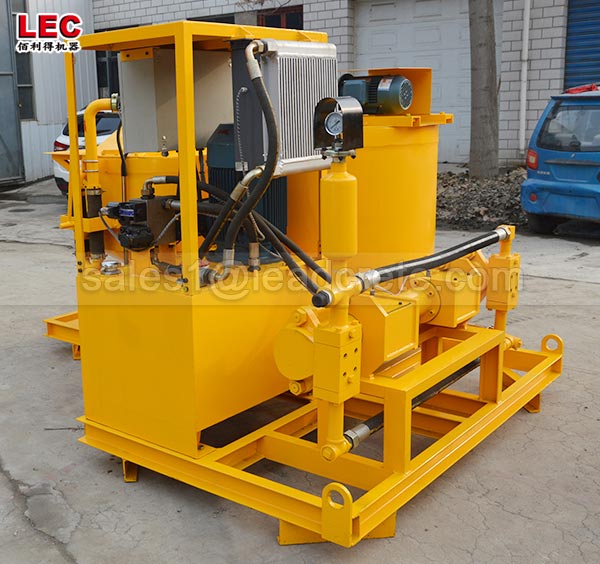
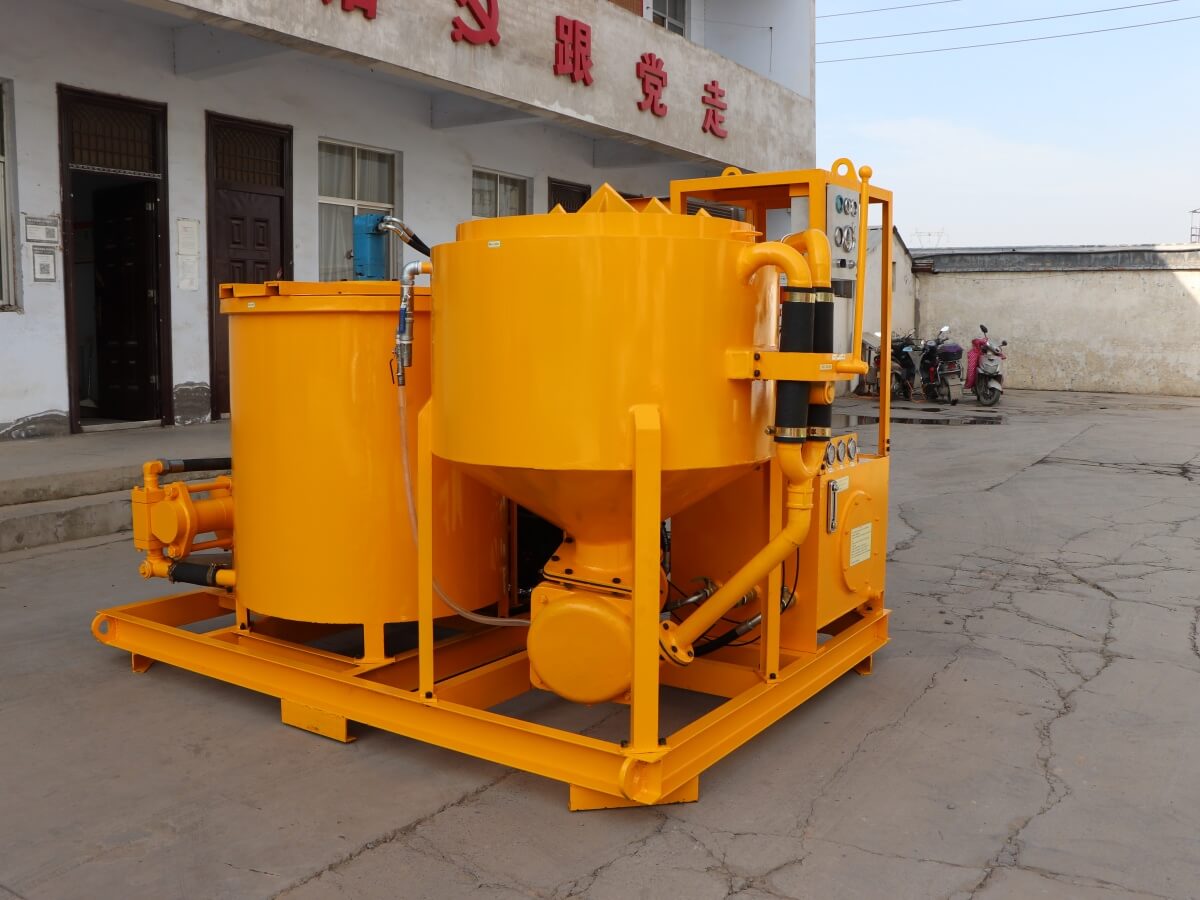
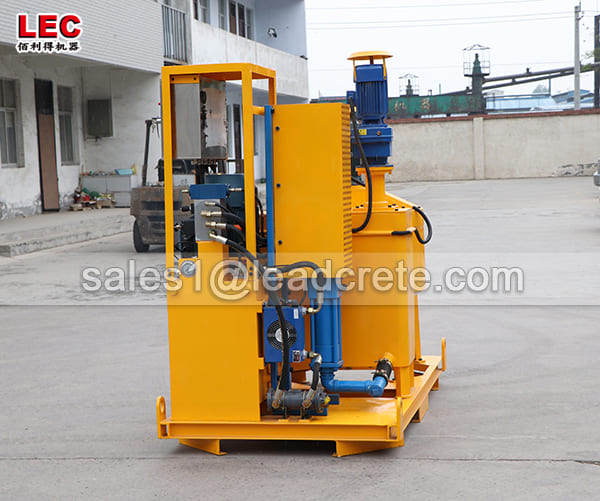
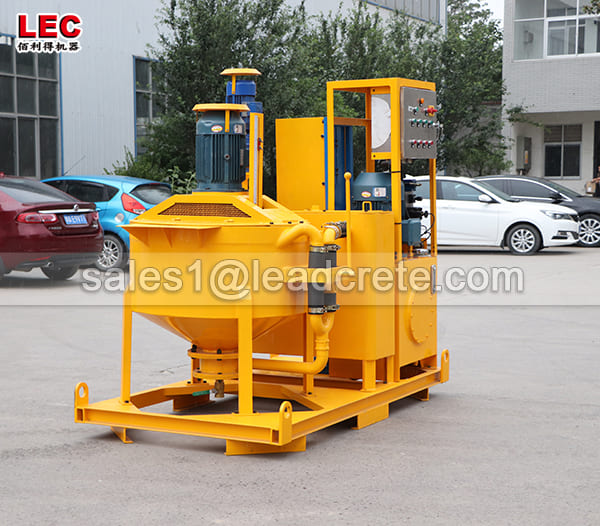
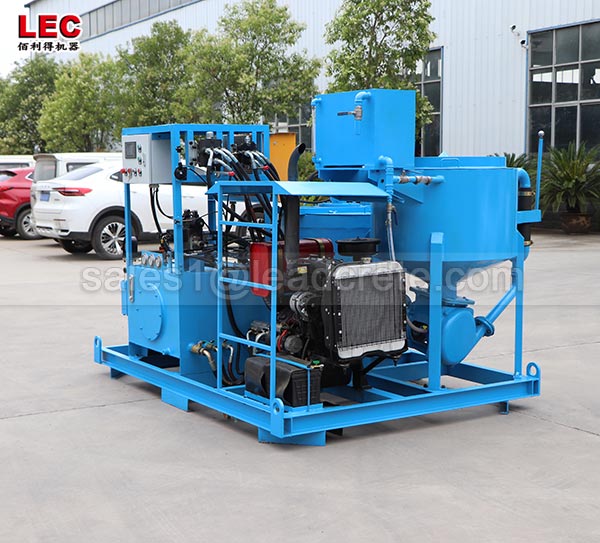
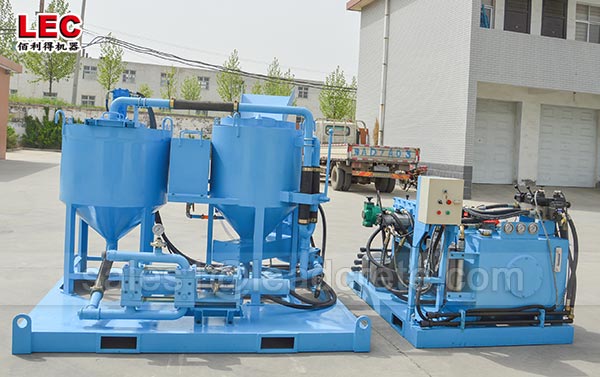
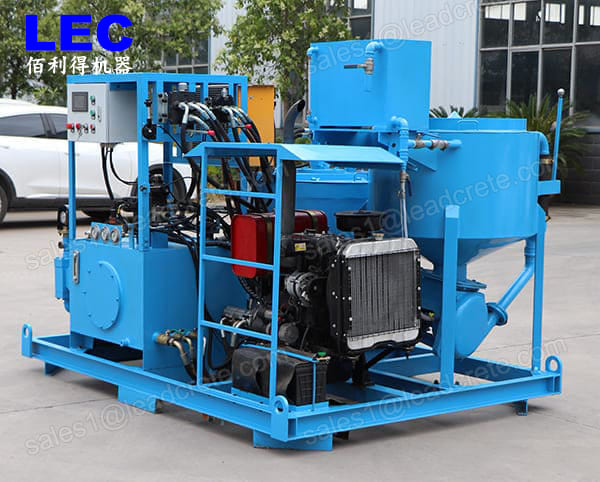
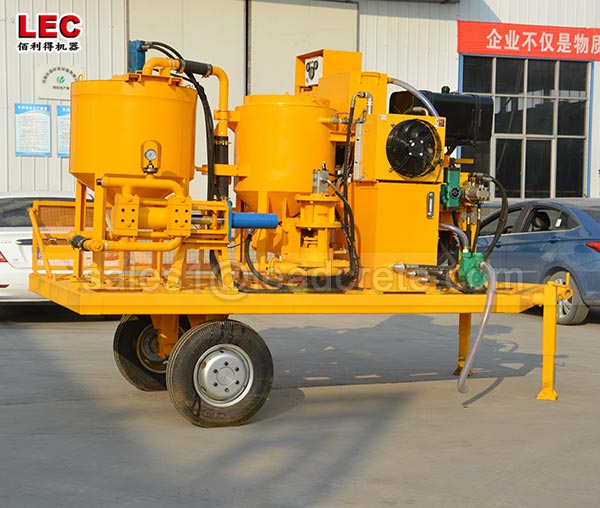
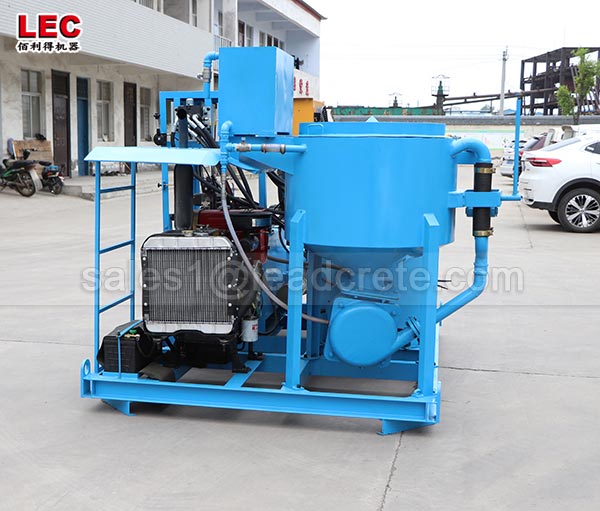
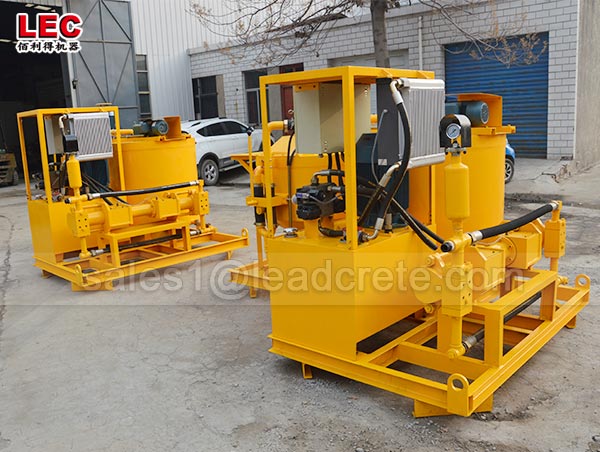
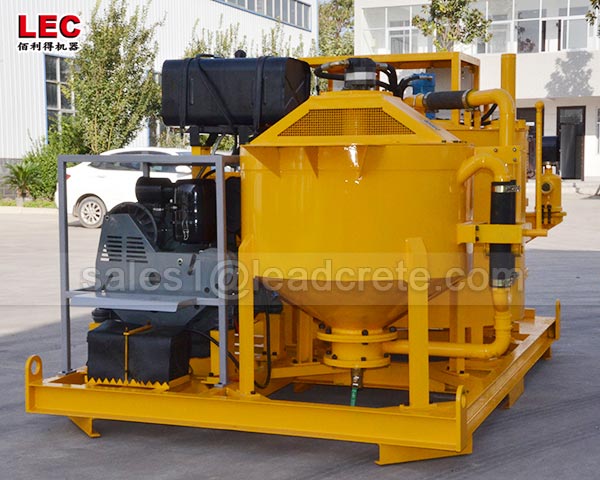
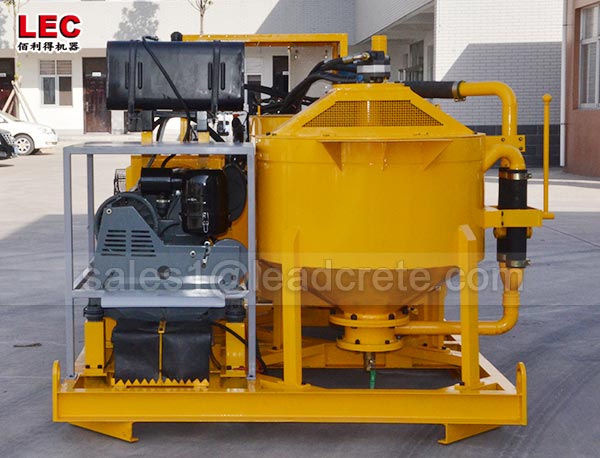
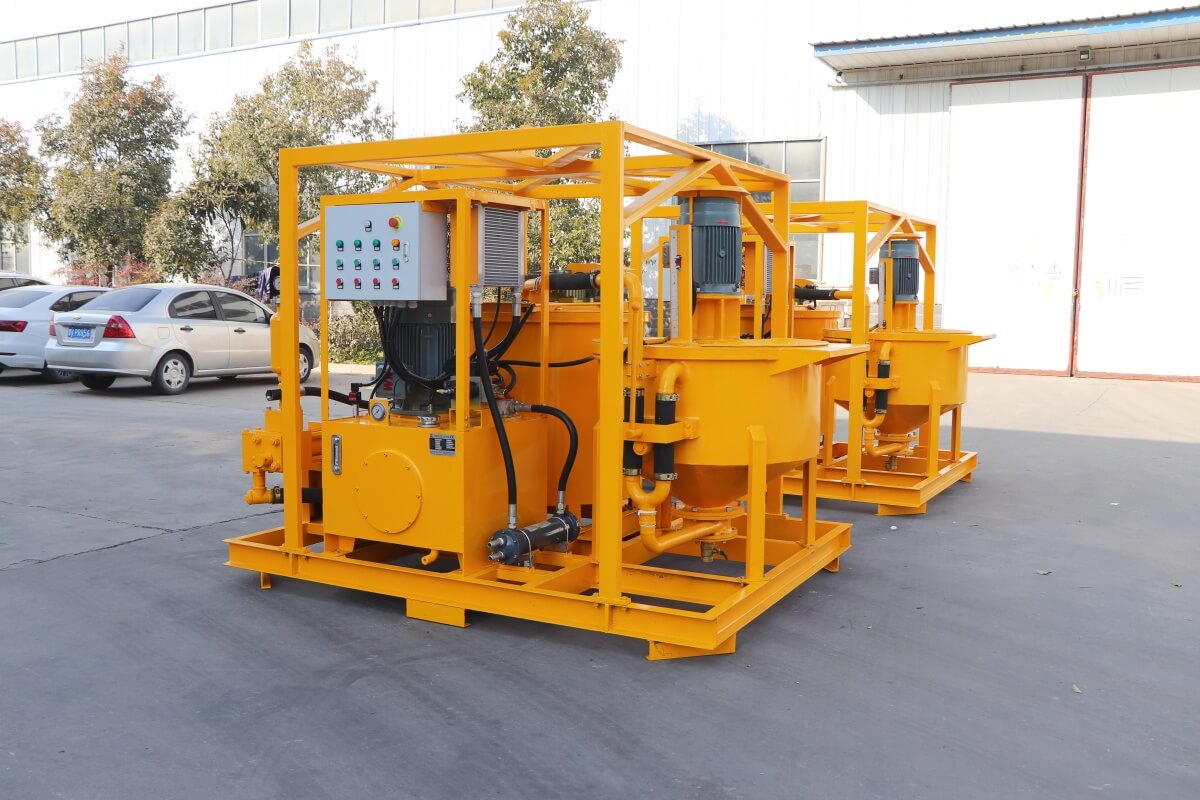
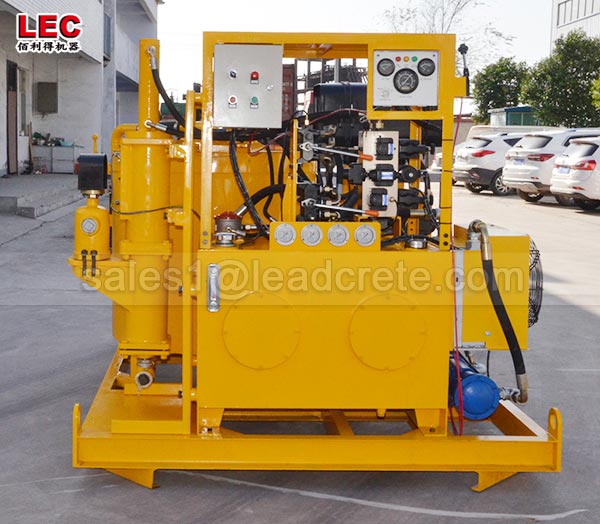
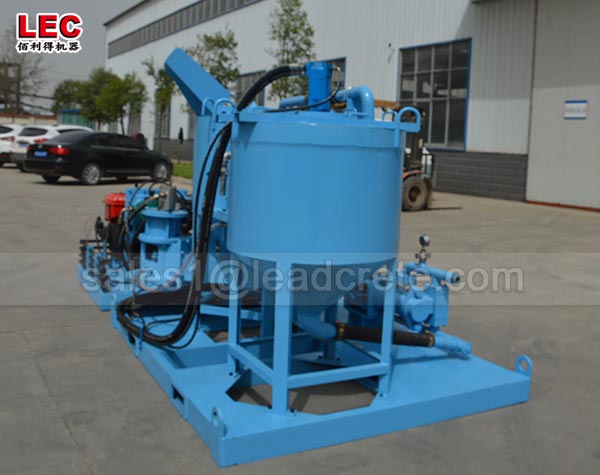
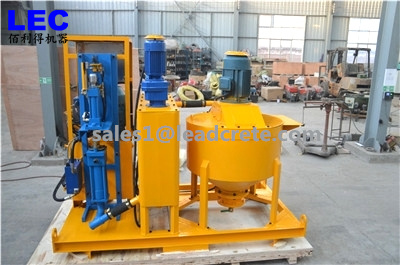
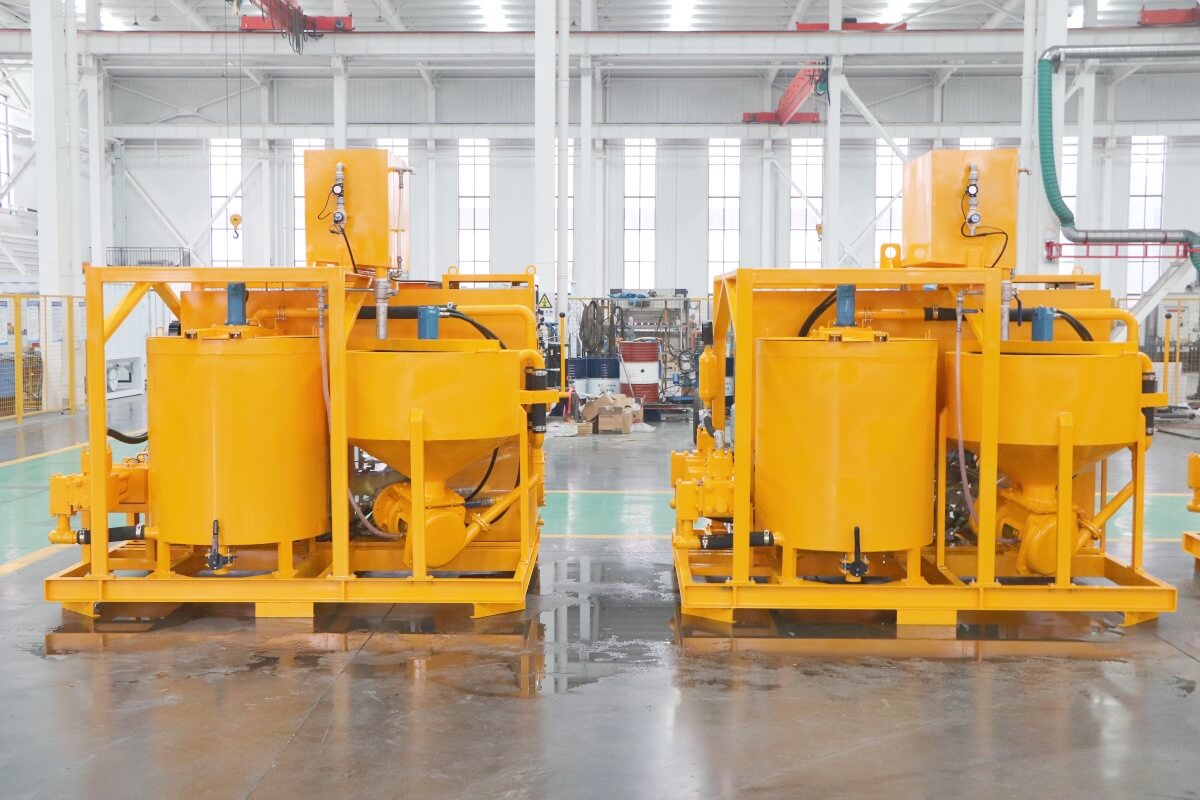
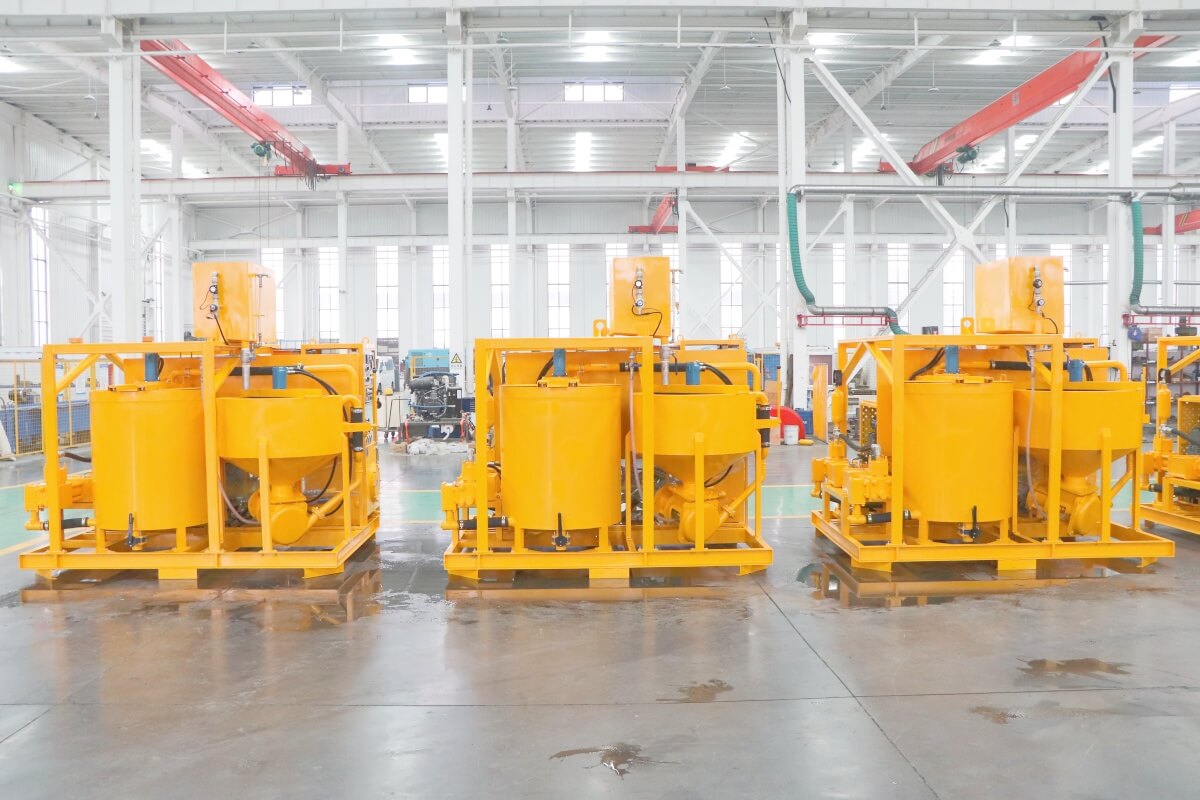
A complete grout station for micropile projects is an integrated, skid‑mounted or mobile system that combines high‑speed mixing, agitation, and high‑pressure grout pumping to produce and deliver cement/bentonite slurries for micropile installation, foundation reinforcement, and pressure grouting. It ensures continuous, controlled grouting for reliable pile‑soil bonding and load capacity.
Components of a Complete Grouting Station for a Micropile Project:
1. Grouting System
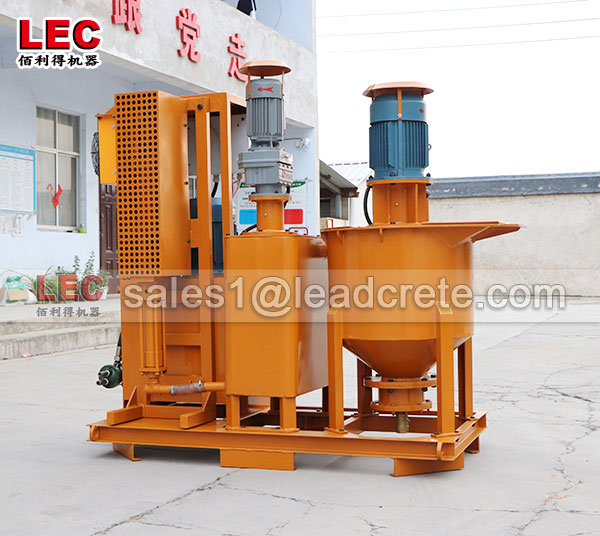
High-Speed Vortex Grouting Machine: Employs vortex high-speed mixing technology to ensure uniform mixing of the grout without clumping. For example, a grouting machine with a capacity of up to 60 m³/h can meet the needs of large-scale construction.
Storage Tank: Equipped with a low-speed mixer, it stores the prepared grout to prevent sedimentation and stratification. When the grout reaches its upper limit, the high-speed grouting machine stops feeding and only continues mixing.
2. Injection System
High-Pressure Grouting Pump: Employs a hydraulic drive system to achieve stepless speed regulation for mixing and material delivery, ensuring stable injection of the grout under high pressure. For example, the grouting pump should be able to meet the pressure range required for micropile construction, such as 0.3~1 MPa.
Grouting Pipeline: The grouting pipeline is rationally laid out to ensure smooth delivery of the grout to the drilling location. The pipeline should have sufficient pressure resistance to prevent bursting and leakage.
Grouting pipe and grouting core pipe: The grouting pipe is used to deliver grout to the pile end or pile side, while the grouting core pipe is used in the secondary grouting process to improve the bearing capacity of the pile.
Applications of a Complete Grouting Station in Micropile Engineering:
Applicable Micropile Types
The complete grouting station is mainly used for:
Pressure grouting micropiles (most commonly used)
Self-drilling micropiles
Casing-following micropiles
Extension/compression micropiles, foundation pit support micropiles
Slope reinforcement, underpinning reinforcement, bridge foundation micropiles
What the Complete Grouting Station Does in Micropile Engineering?
1. Primary Grouting (Bottom Grouting/Full Hole Grouting)
Drilling → Inserting Reinforcing Cage/Steel Rod → Grouting Station Begins Grouting
Function:
Fills the borehole, encapsulates the reinforcing steel
Forms the pile body, allowing initial bonding between the pile and the soil
Grouting Station Output:
Cement grout/Cement-bentonite grout
Low pressure: 0.3~1.5 MPa
2. Secondary Pressure Grouting (Key Process, Improves Bearing Capacity)
80% of the bearing capacity of micropiles relies on secondary pressure grouting, requiring a complete grouting station.
After initial setting of the grout (usually a few hours)
High-pressure grouting at the grouting station, through the grouting pipe/valve, splits, penetrates, and compacts the soil around the pile.
Functions:
Enlarges the pile diameter
Reinforces the soil around the pile
Significantly improves bearing capacity and pull-out resistance
Grouting station output:
High pressure: 2.0~8.0 MPa (up to 10~15 MPa in some projects)
Quantitative, stable, and pressure-maintaining grouting
3. Pile bottom grouting (end bearing reinforcement)
Specifically for high-pressure grouting at the pile bottom
Functions:
Reinforces the bearing layer at the pile bottom
Reduces settlement and improves end bearing capacity
4. Grout replenishment/returning
When the stratum leaks or shrinks, the grouting station continuously replenishes the grout
Ensures the pile body is full and free of voids
Complete process of the grouting station in micropile construction
Slurry preparation
High-speed mixer: Water + cement + admixture → Uniform grout
Slurry storage and mixing
Low-speed mixing in the storage tank prevents sedimentation and segregation
High-pressure pumping
The grouting pump injects the grout into the micropile grouting pipe
Pressure/flow control
The entire station comes with pressure and flow meters to ensure construction quality
Cleaning
Automatic/manual cleaning of the pipeline after construction prevents blockage
Why a “complete grouting station” is essential in micropile engineering?
Continuous grout preparation + storage + high-pressure grouting, without interruption
Stable pressure, meeting the core requirements of secondary high-pressure grouting
Precise mixing ratio, ensuring pile strength
Easy to move, suitable for confined spaces (foundation pits, indoor underpinning, slopes)
Records pressure and flow rate, meeting supervision/acceptance requirements
Typical field application scenarios (most common)
Micropiles for foundation underpinning of old buildings
Indoor/narrow spaces, low-pressure primary grouting + high-pressure secondary grouting
Micropiles for bridge abutment reinforcement
Deep, high-pressure, high-flow grouting
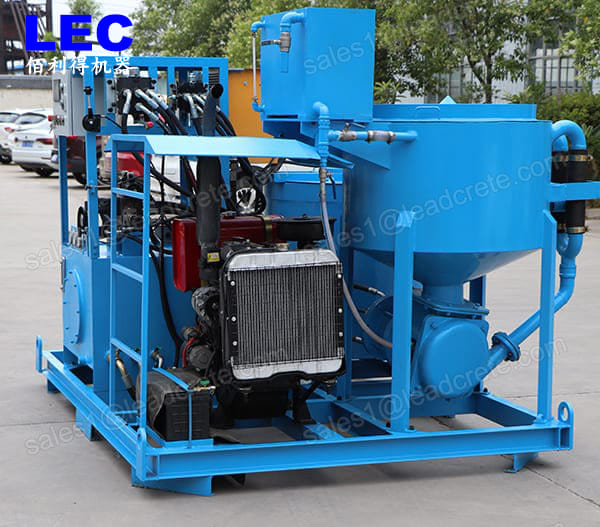
Micropiles for foundation pit support + Anchor cables; simultaneous drilling and grouting for continuous operation; micropiles for slope protection; grouting station with diesel engine for use in mountainous areas without electricity.