High Pressure Borehole Grouting Equipment
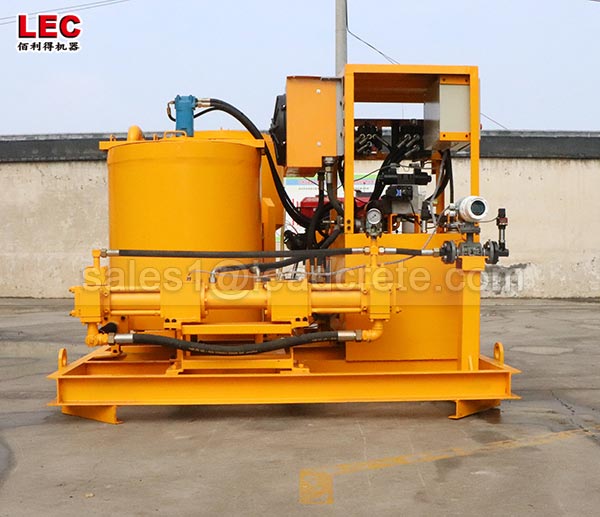
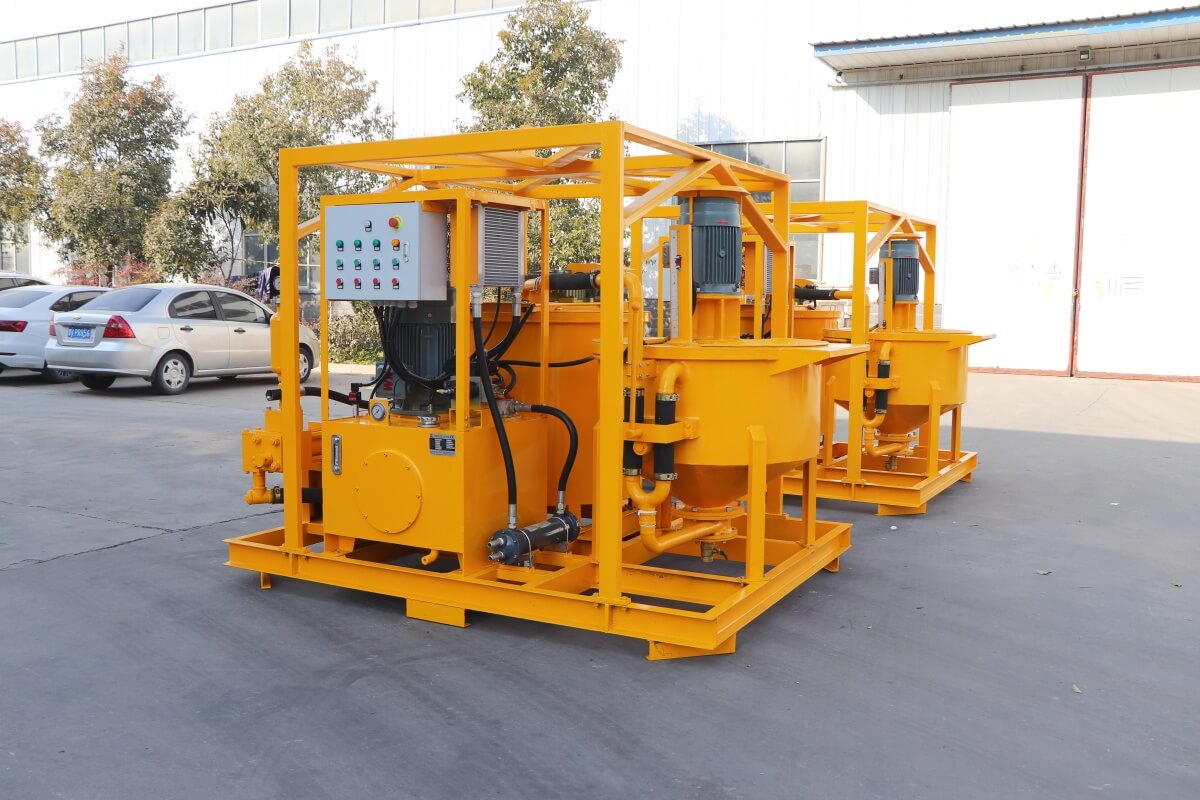
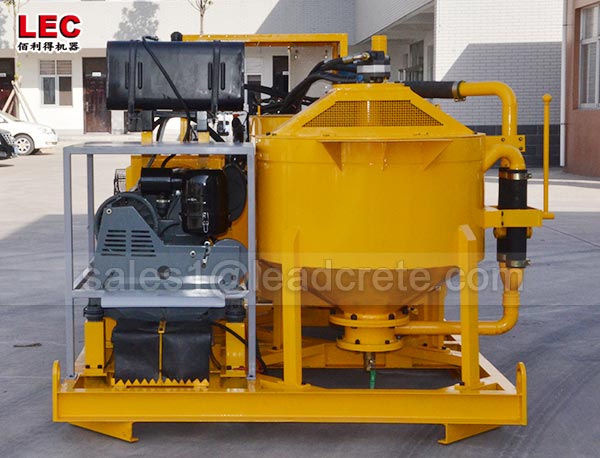
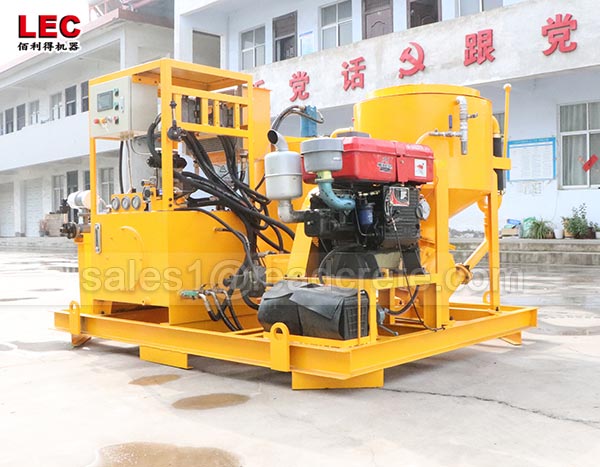
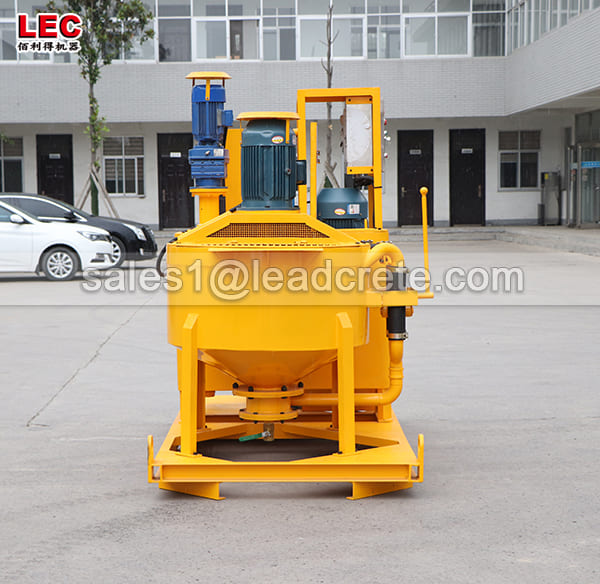
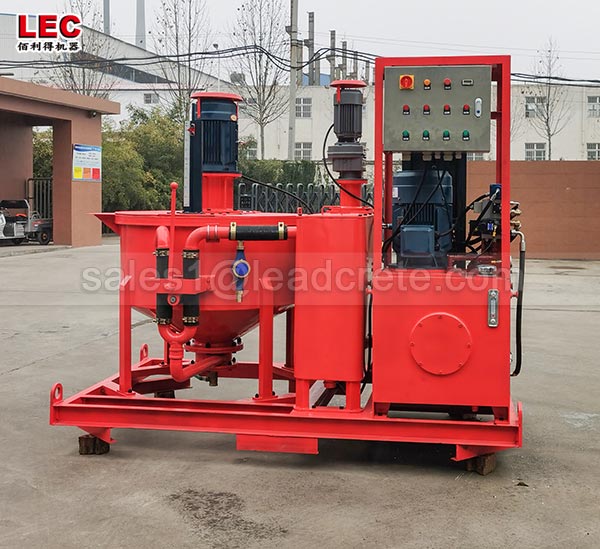
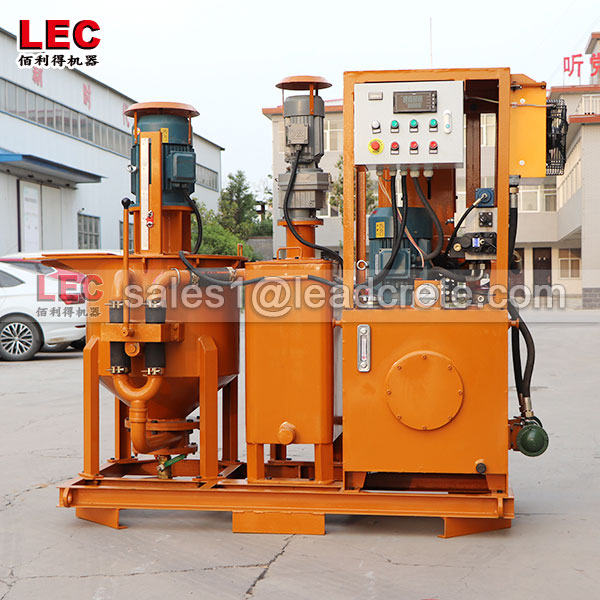
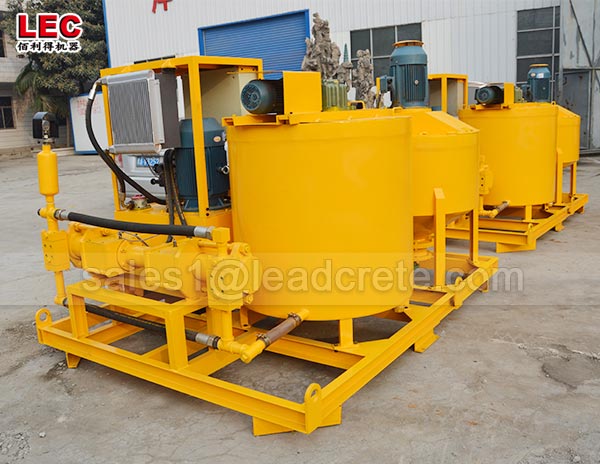
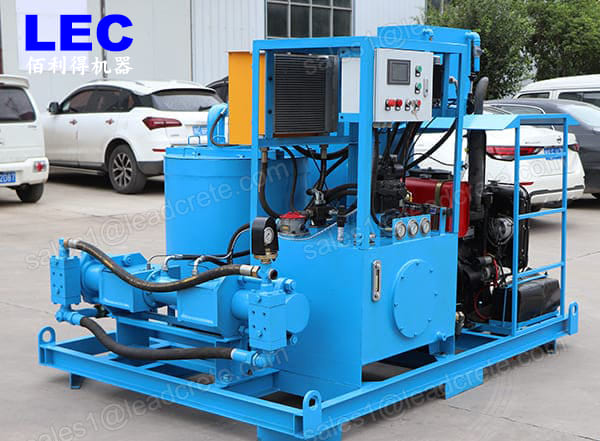
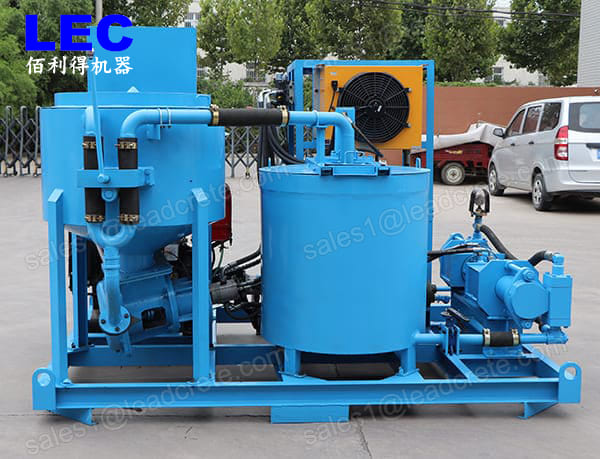
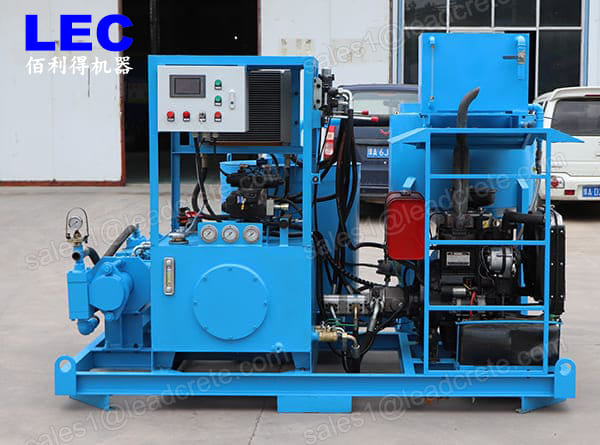
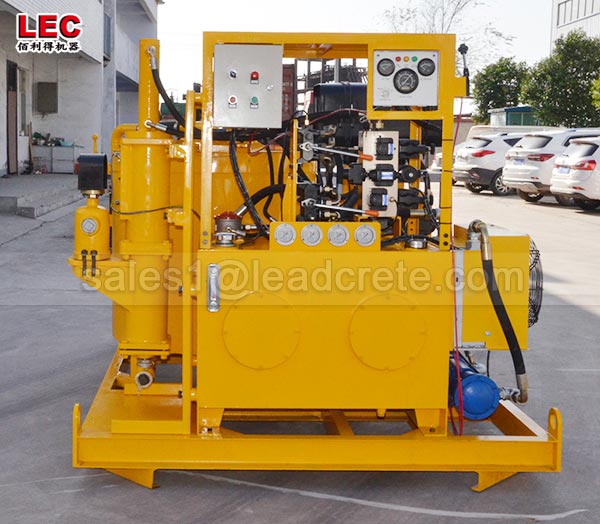
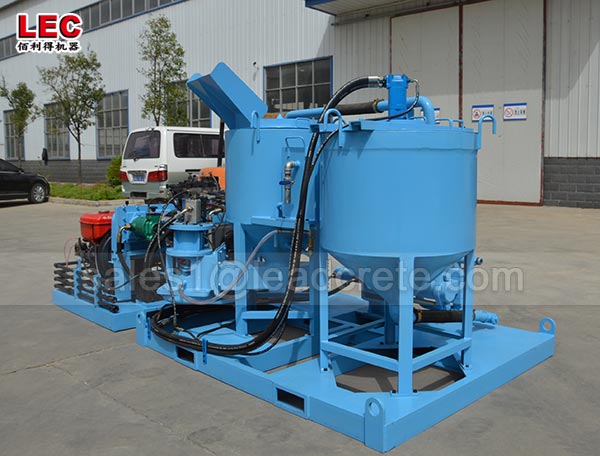
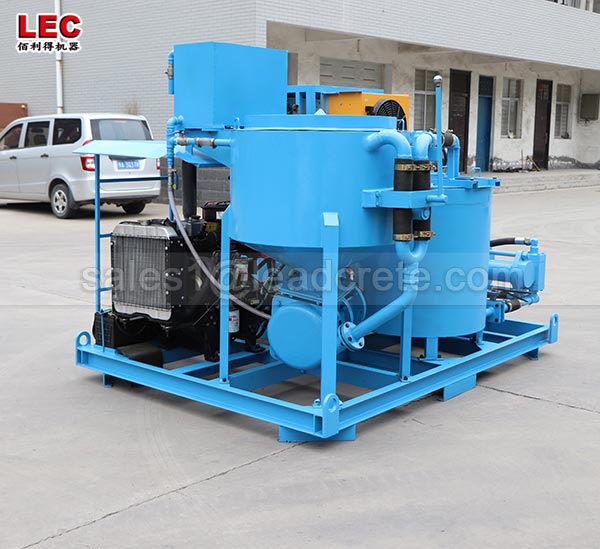
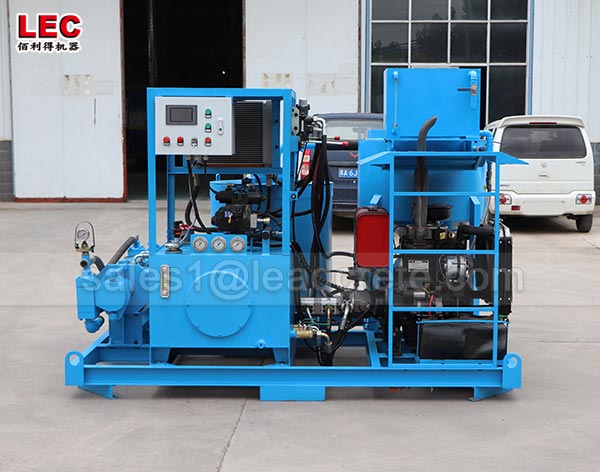
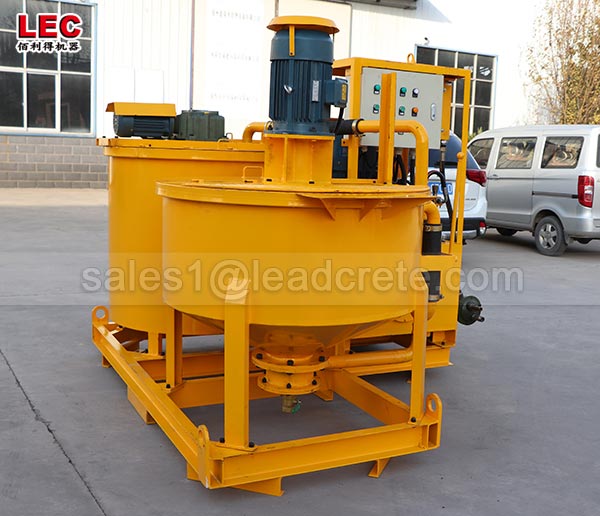
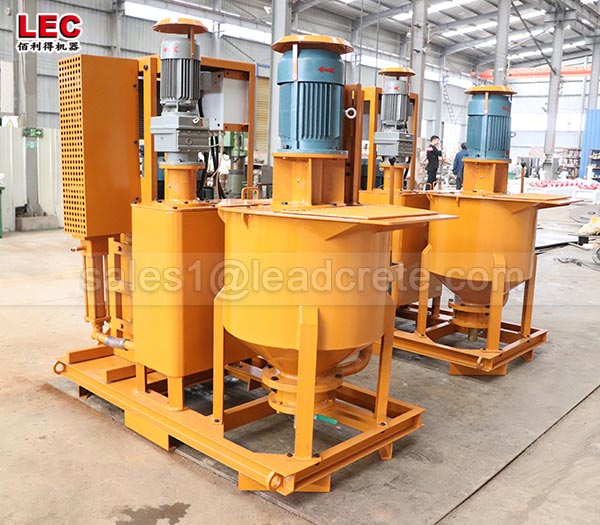
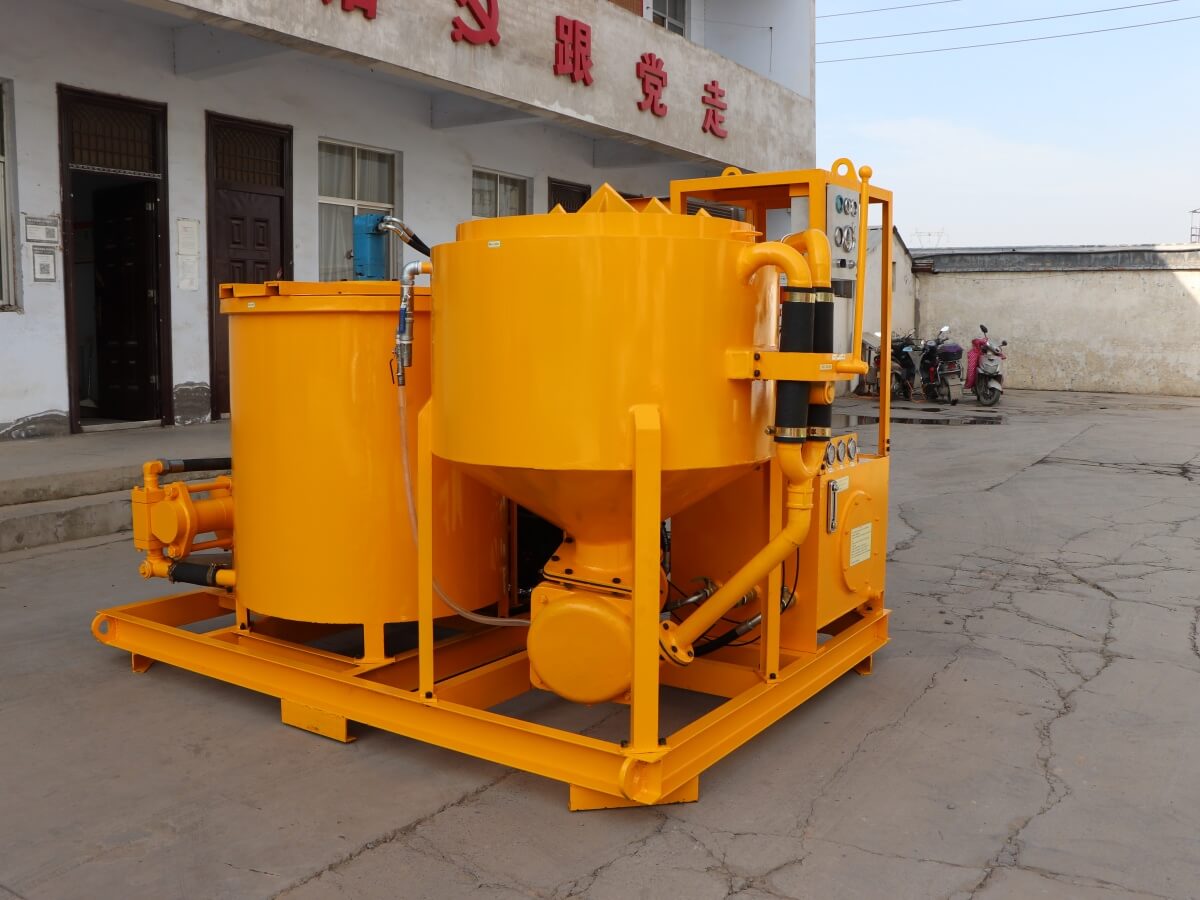
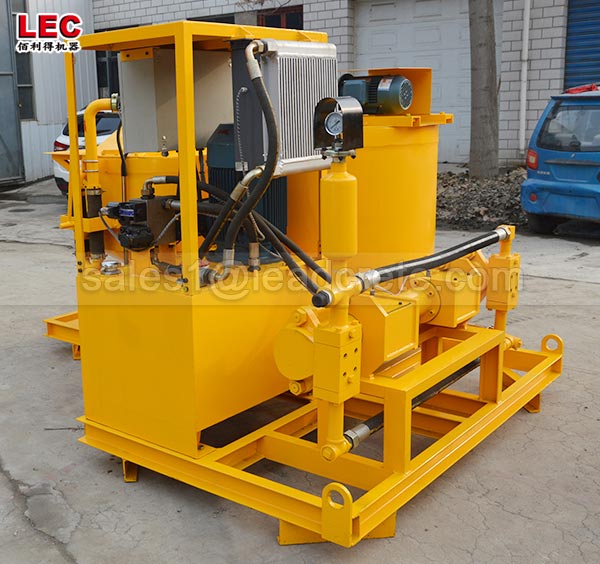
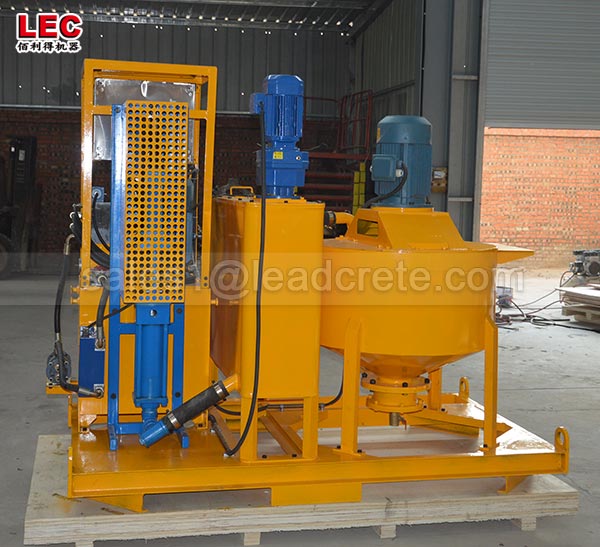
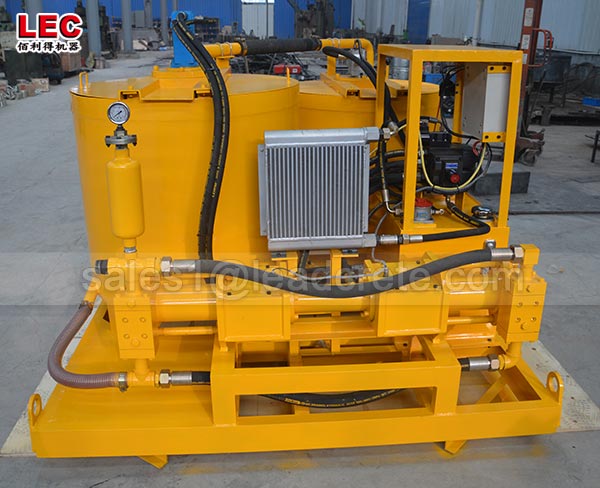
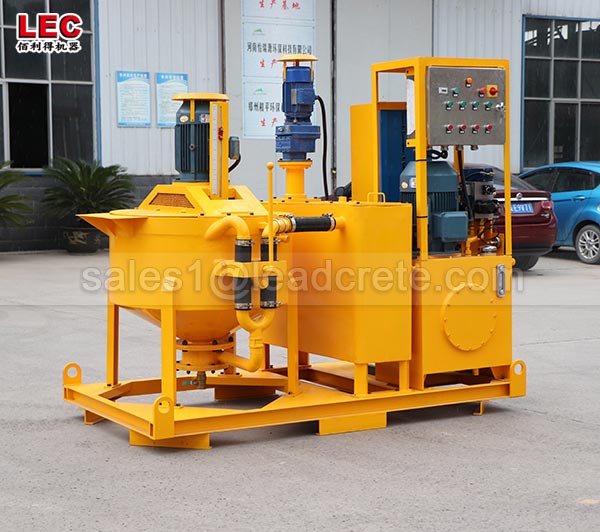
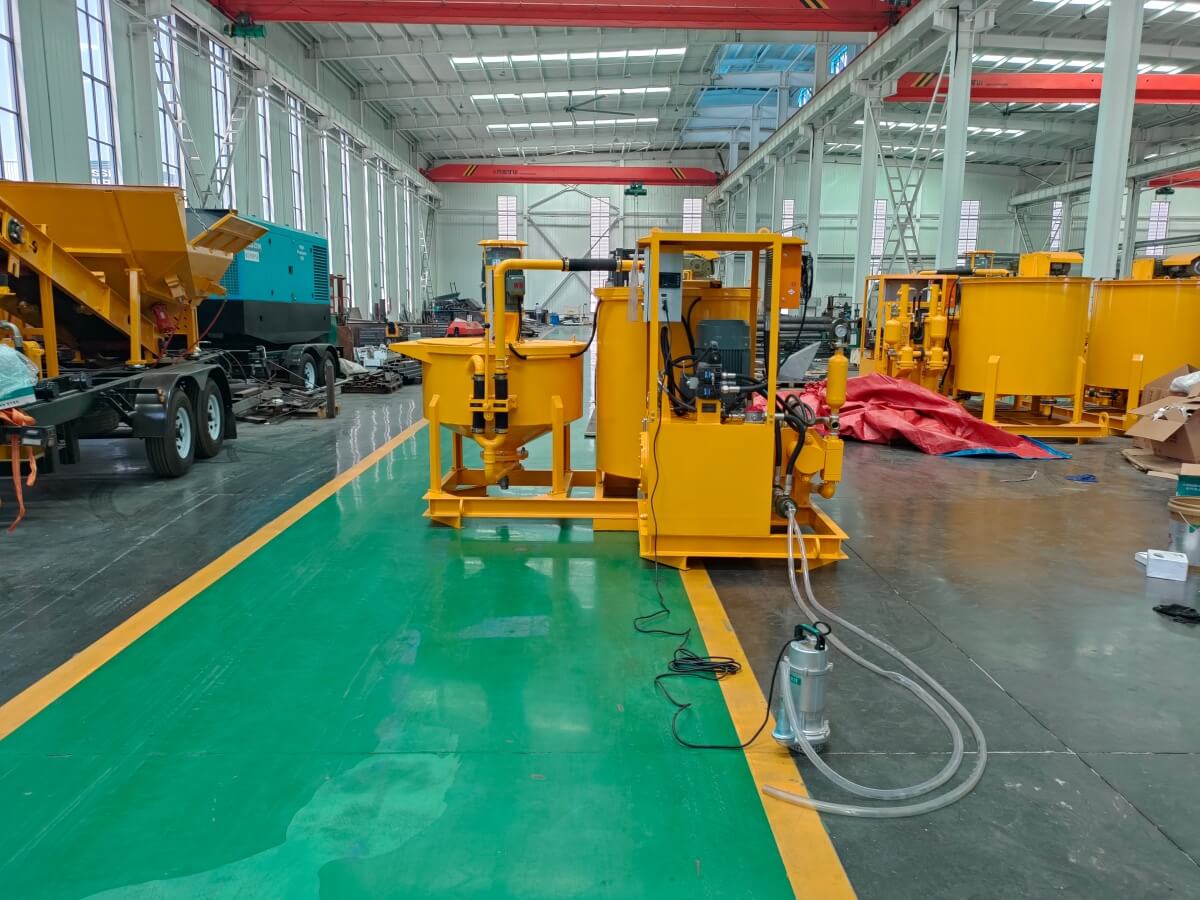
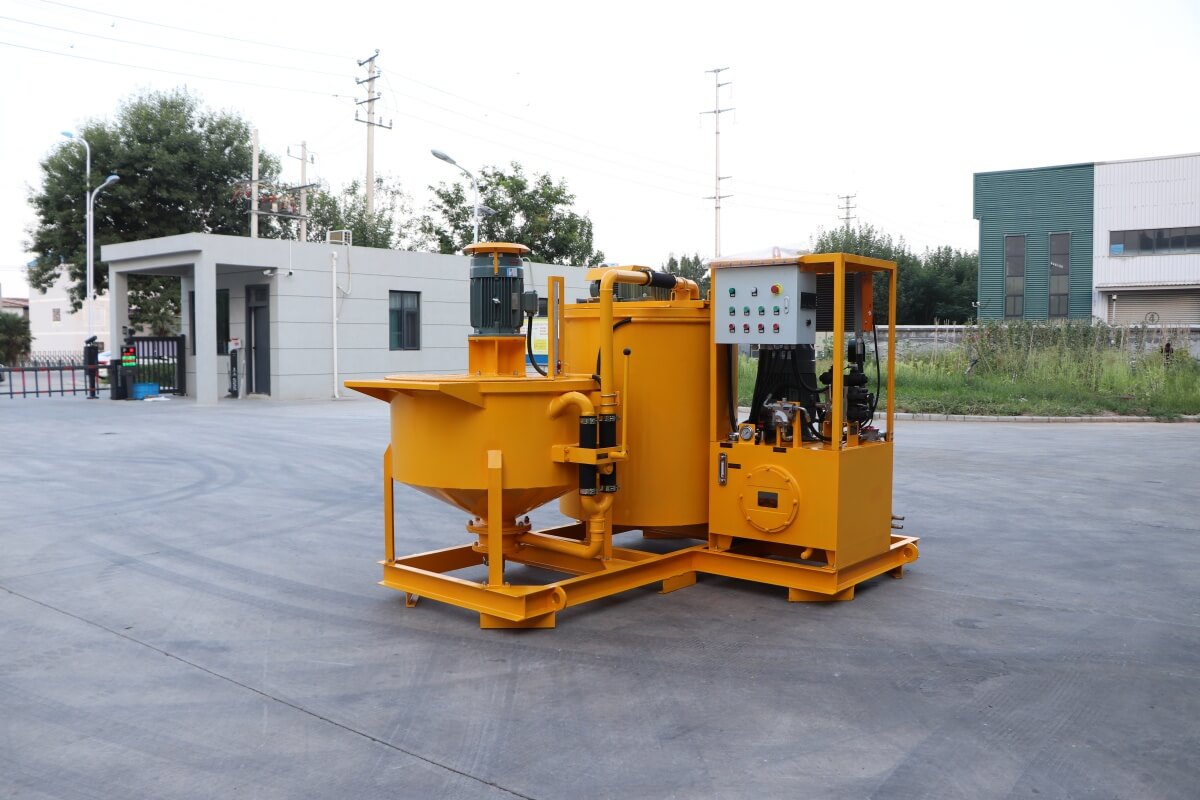
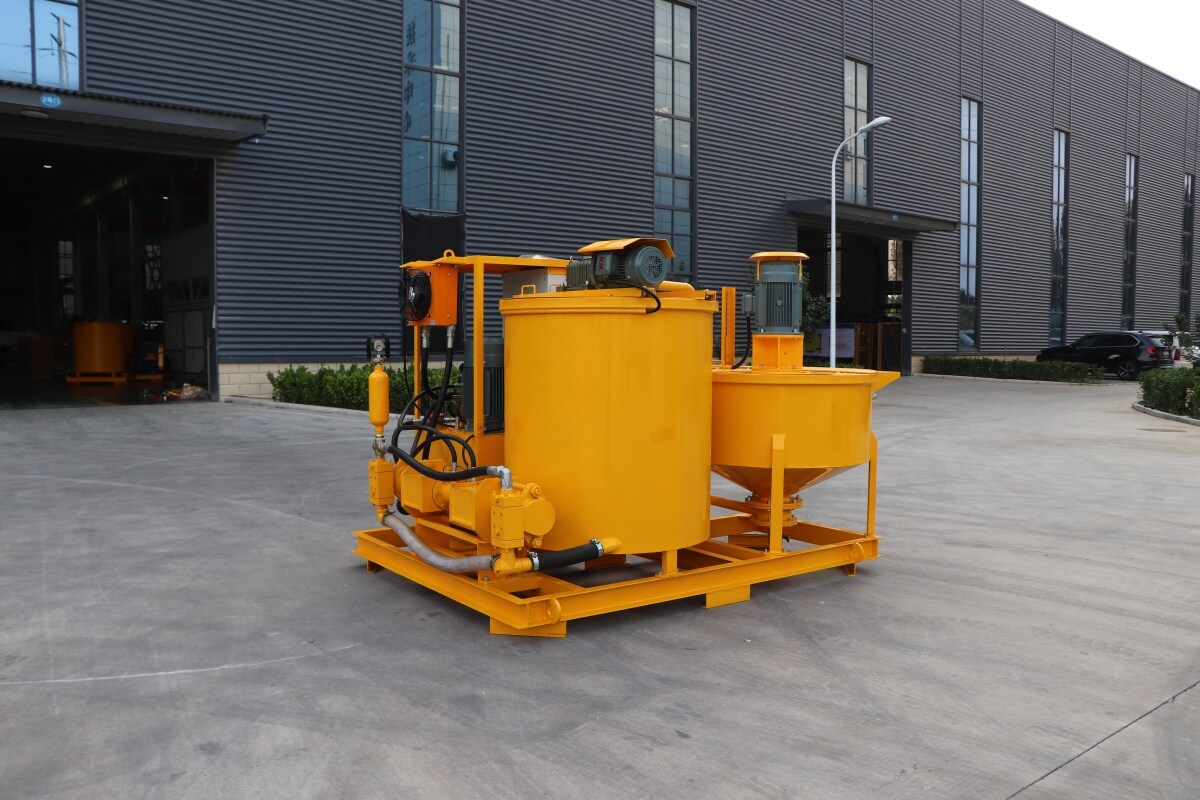
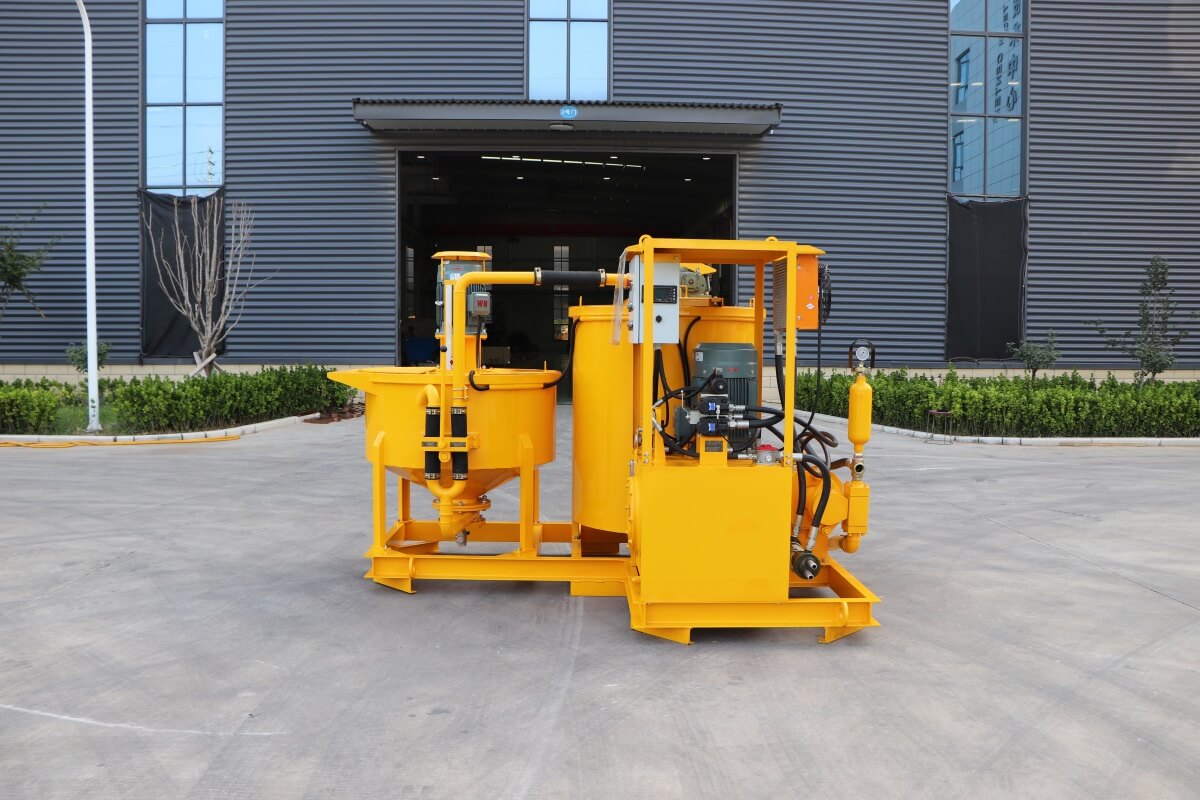
High-pressure borehole grouting equipment is not merely a single grouting pump but a complete system configured based on factors such as borehole depth, grout type, and operating pressure. Typical components include a high-speed grout mixer, an agitated storage tank, a high-pressure grouting pump, a pressure control unit, grouting pipelines, a flow meter, and a borehole packer.
During operation, the mixer first prepares a homogeneous grout mixture according to the design ratio. The grout is transferred to the storage tank, where it is kept under continuous agitation, before being pumped through the pipeline into the borehole. The borehole packer seals the grouting section, allowing the grout to be injected into rock fractures, soil voids, or underground cavities at the specified pressure.
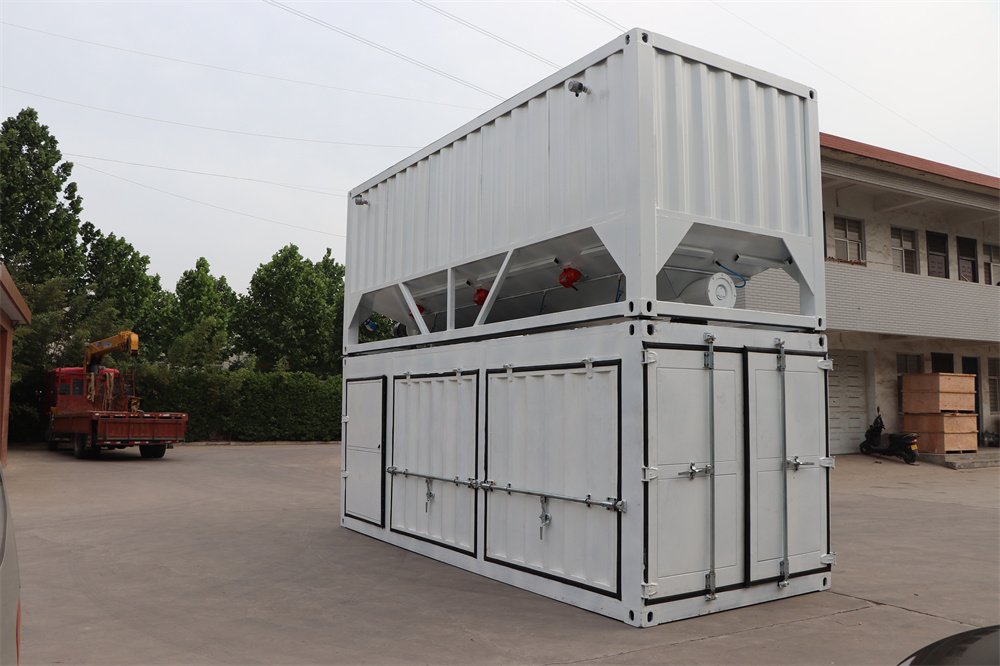
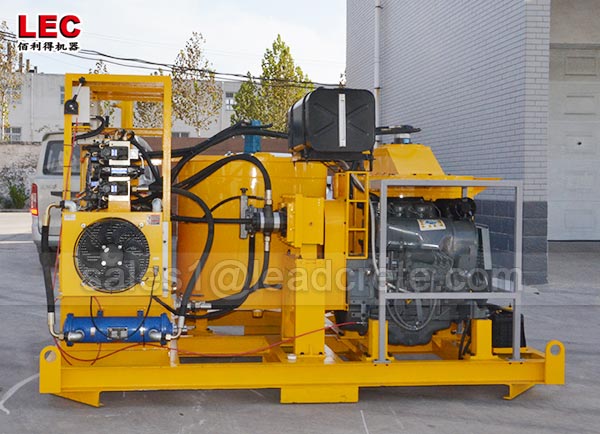
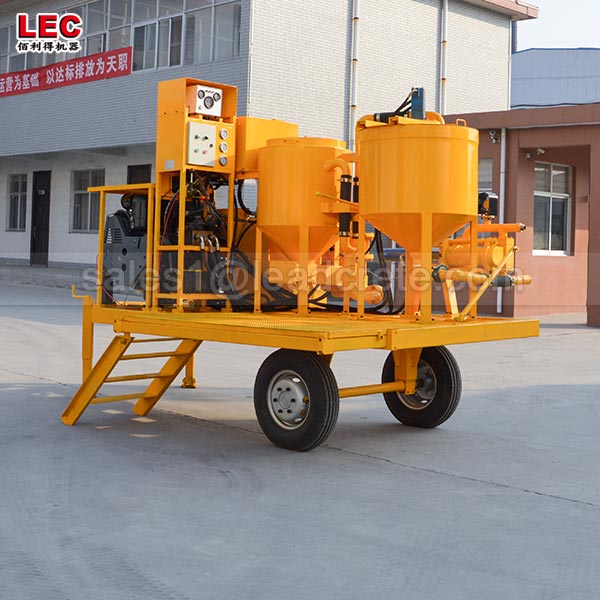
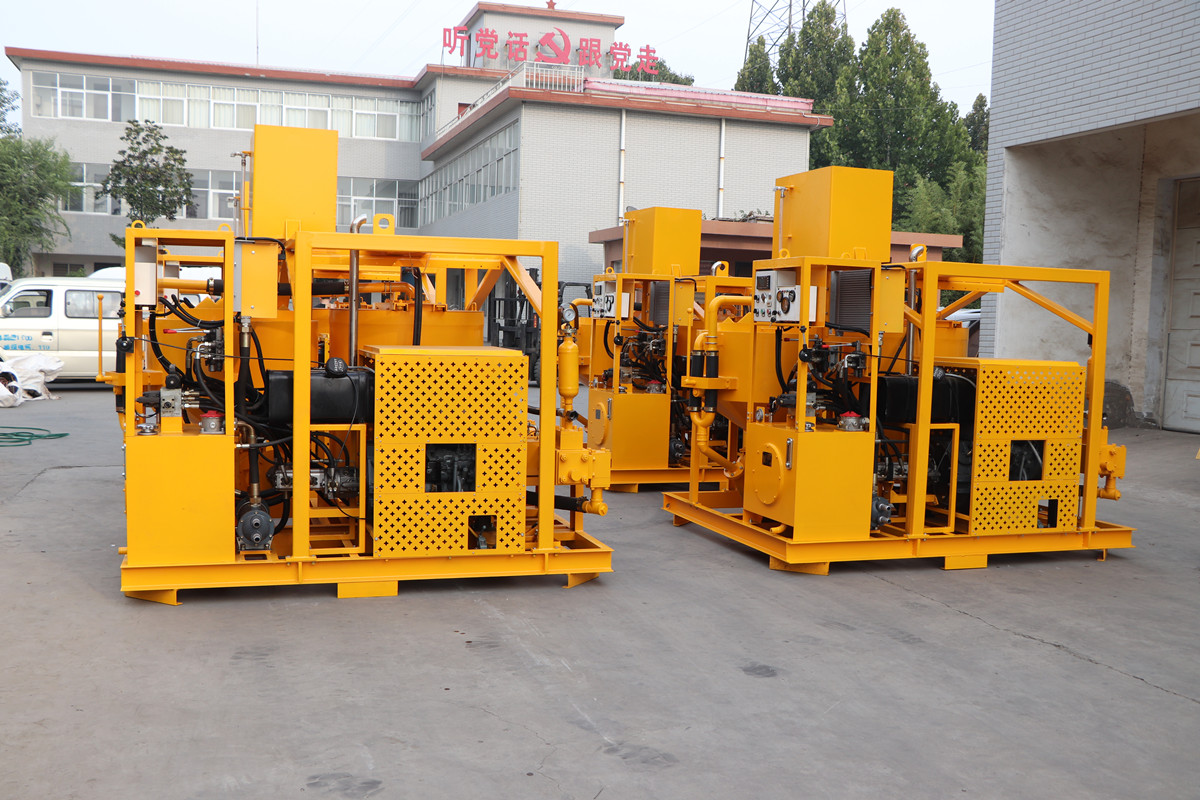
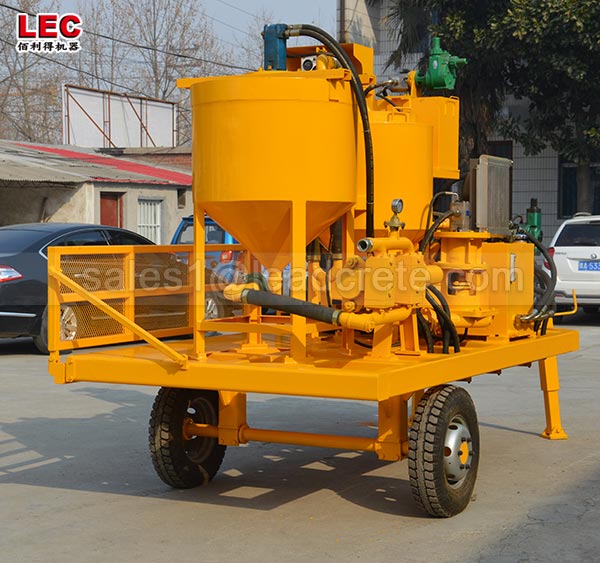
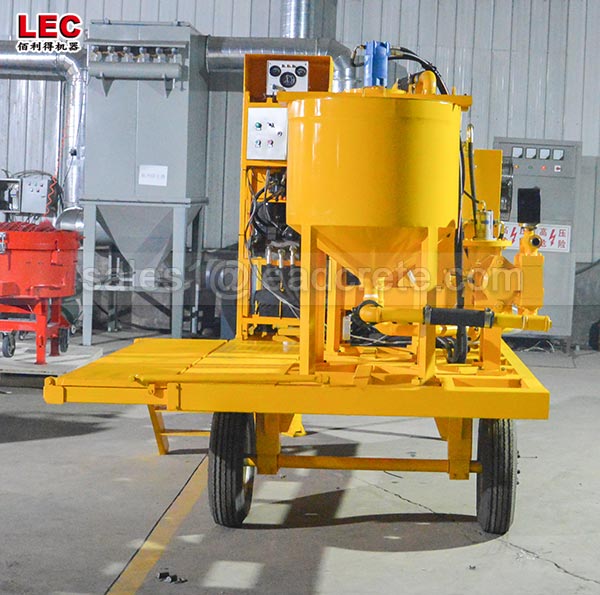
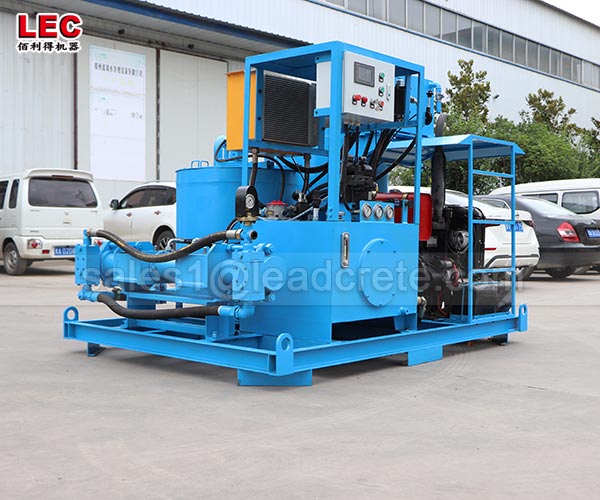
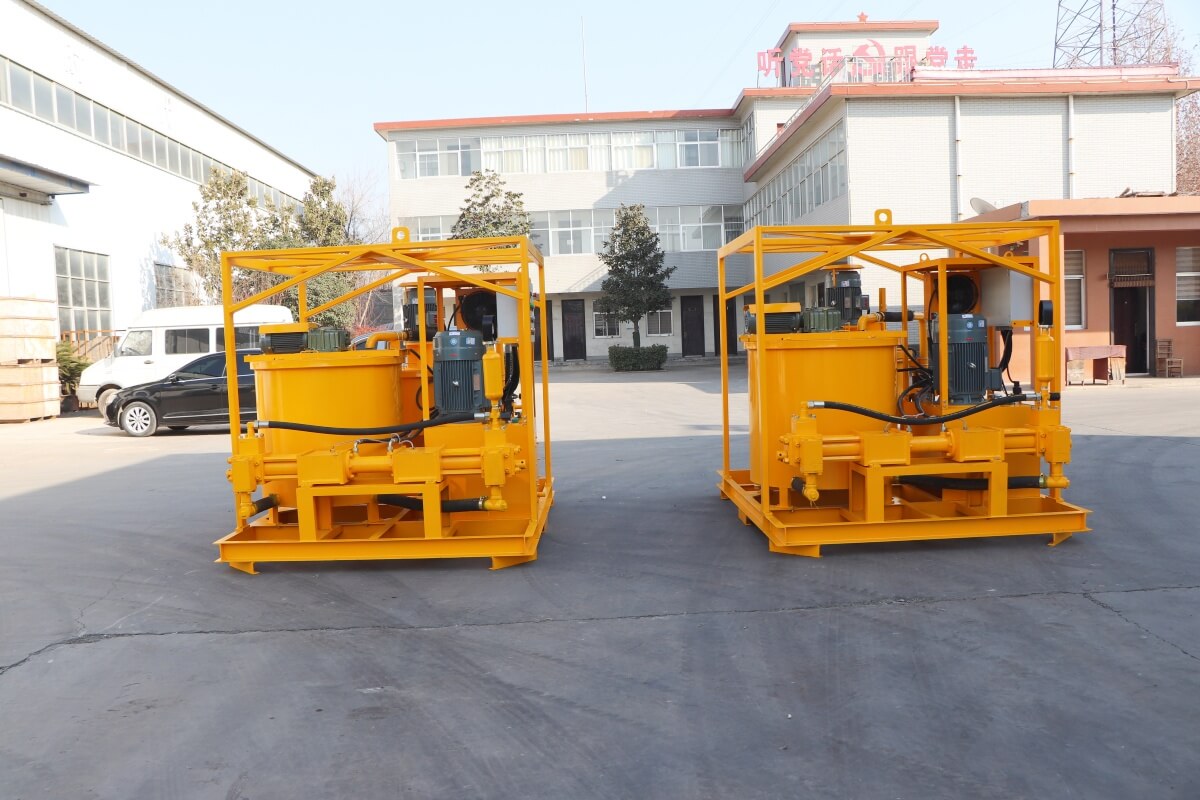
Depending on project requirements, the equipment can be configured as a stationary, skid-mounted, trailer-mounted, or containerized unit to suit specific transportation and on-site setup conditions.
Key Components of High-Pressure Borehole Grouting Equipment
A reliable high-pressure borehole grouting system typically consists of several functional units working in concert.
A high-speed mixer rapidly blends cement, bentonite, water, and additives, minimizing powder clumping and ensuring the grout possesses excellent uniformity and fluidity. An agitated storage tank serves to buffer the grout and prevent solid materials from settling while awaiting injection.
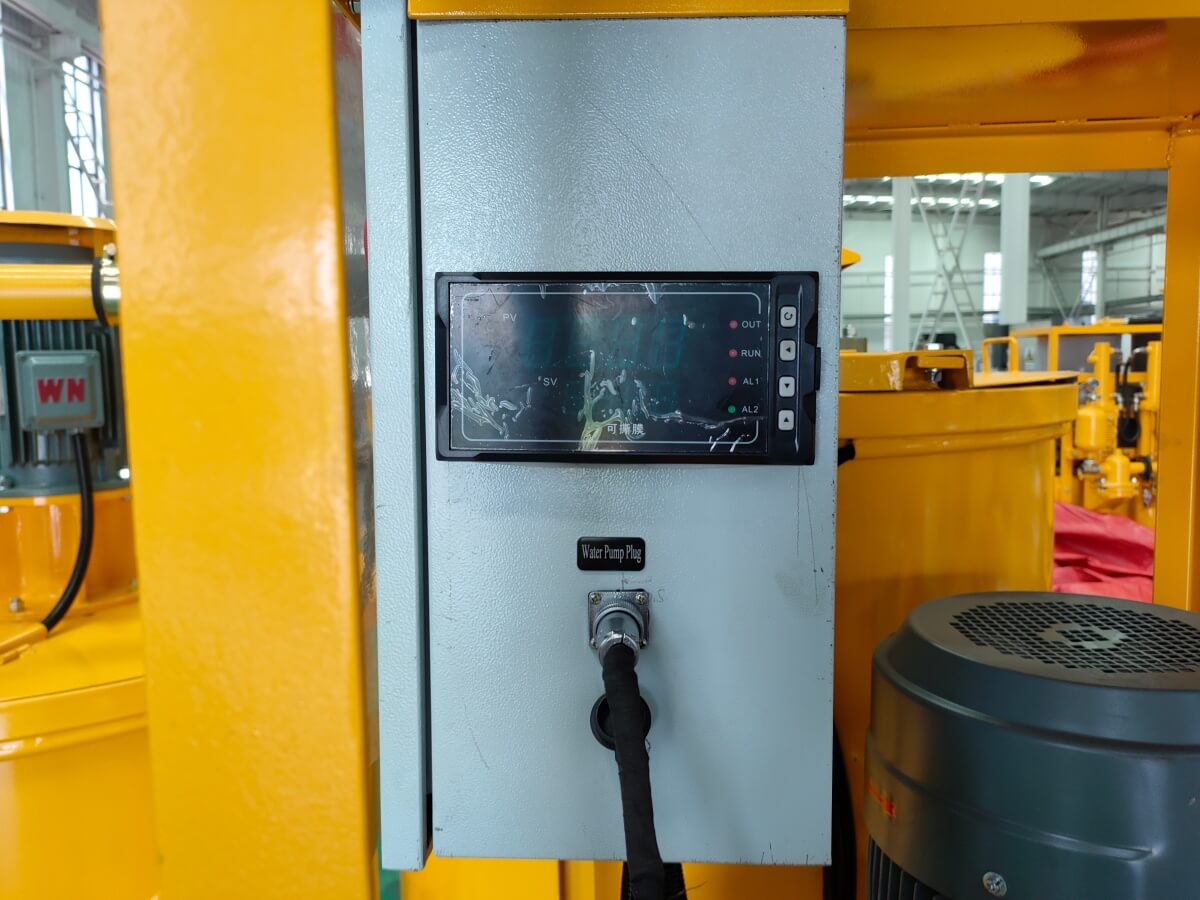
The high-pressure grouting pump is the core of the system. Depending on factors such as grout viscosity, solid particle content, design flow rate, and maximum injection pressure, the system may utilize a hydraulic plunger pump, a piston pump, or a reciprocating pump. Pressure regulating valves, safety valves, and pressure gauges are employed to control and monitor the grouting process.
For projects requiring detailed construction data, systems for recording flow rate, pressure, and cumulative injection volume can be integrated, enabling operators to track actual conditions across different boreholes and grouting intervals.
Basic Construction Workflow for Borehole Grouting
High-pressure borehole grouting typically begins with a geological survey and the development of a grouting design. Construction personnel determine borehole locations, angles, and design depths based on the specific rock strata, voids, or leakage zones requiring treatment.
Once drilling is complete, the borehole is cleared of cuttings and accumulated water, and grouting pipes or packers are installed. The grout is prepared according to a pre-tested mix ratio; after passing quality checks, it is fed into the high-pressure grouting pump.
Actual grouting usually commences at a lower flow rate or pressure, with gradual adjustments made based on wellhead pressure, grout absorption rates, and the response of the surrounding formation. Injection ceases once design pressure, injection volume, or termination criteria are met, followed by borehole sealing in accordance with project specifications.
For deep boreholes or highly fractured rock formations, a staged grouting method may be employed; this ensures the grout is delivered precisely to the target zone, thereby minimizing ineffective dispersion and material waste. Applications of High-Pressure Borehole Grouting Equipment
High-pressure borehole grouting equipment addresses various underground reinforcement and seepage control challenges. Common applications include:
Tunnel pre-excavation curtain grouting and surrounding rock reinforcement
Seepage control for subways and underground passages
Dam foundation and curtain anti-seepage grouting
Treatment of mine roadways, shafts, and goaf areas (mined-out voids)
Filling of rock fissures and underground voids
Reinforcement of building foundations and soft soil layers
Slope stabilization, bridge foundations, and anchoring projects
Borehole sealing and groundwater pathway remediation
Grouting for micropiles, rock bolts, and anchor cables
Grout materials and grouting techniques vary by application. Grouting rock fissures typically requires grout with good injectability, whereas void filling may prioritize flow rate and material delivery capacity.
How to Select the Right High-Pressure Grouting Pump?
When selecting high-pressure borehole grouting equipment, maximum pressure is not the sole criterion. The equipment’s actual performance must align with the geological conditions, grout mix design, and grouting technique.
First, verify the design working pressure and the permissible pressure adjustment range. While the equipment’s maximum pressure rating should include a safety margin, the actual grouting pressure must be strictly controlled according to design specifications. Insufficient pressure may prevent the grout from penetrating the target zone, while excessive pressure can cause formation splitting, ground heave, or grout migration into unintended pathways.
Second, select the pumping flow rate based on the number of boreholes, the grout volume per hole, and the construction schedule. Rock formations with fine fissures require stable, low-flow control, whereas large voids or formations with high grout absorption rates require high output capacity.
The type of grout is also critical. Neat cement slurry, bentonite slurry, cement-bentonite mixes, and sand-laden grouts differ in viscosity and particle size, necessitating specific pump designs, valve assemblies, and sealing materials.
Ensuring Grouting Quality and Construction Safety
Before commencing work, inspect the grouting pump, pressure gauges, safety valves, pipe connections, and borehole packers to ensure all components can withstand the design working pressure. High-pressure hoses must be protected against excessive bending, abrasion, and being run over by vehicles. During the grouting process, pressure, flow rate, grouting duration, and cumulative injection volume must be continuously recorded. A sudden rise in pressure accompanied by a significant drop in flow rate may indicate pipeline blockage or premature grout setting; conversely, a drop in pressure combined with an abnormal increase in grout intake suggests potential leakage or grout migration into unintended areas.
Upon completion of grouting, the mixer, storage tank, grouting pump, and delivery lines should be promptly flushed with clean water to prevent residual grout from hardening. For continuous operations, wear-prone components—such as plungers, pistons, valve balls, valve seats, and seals—require regular inspection.
Customizable Borehole Grouting Systems
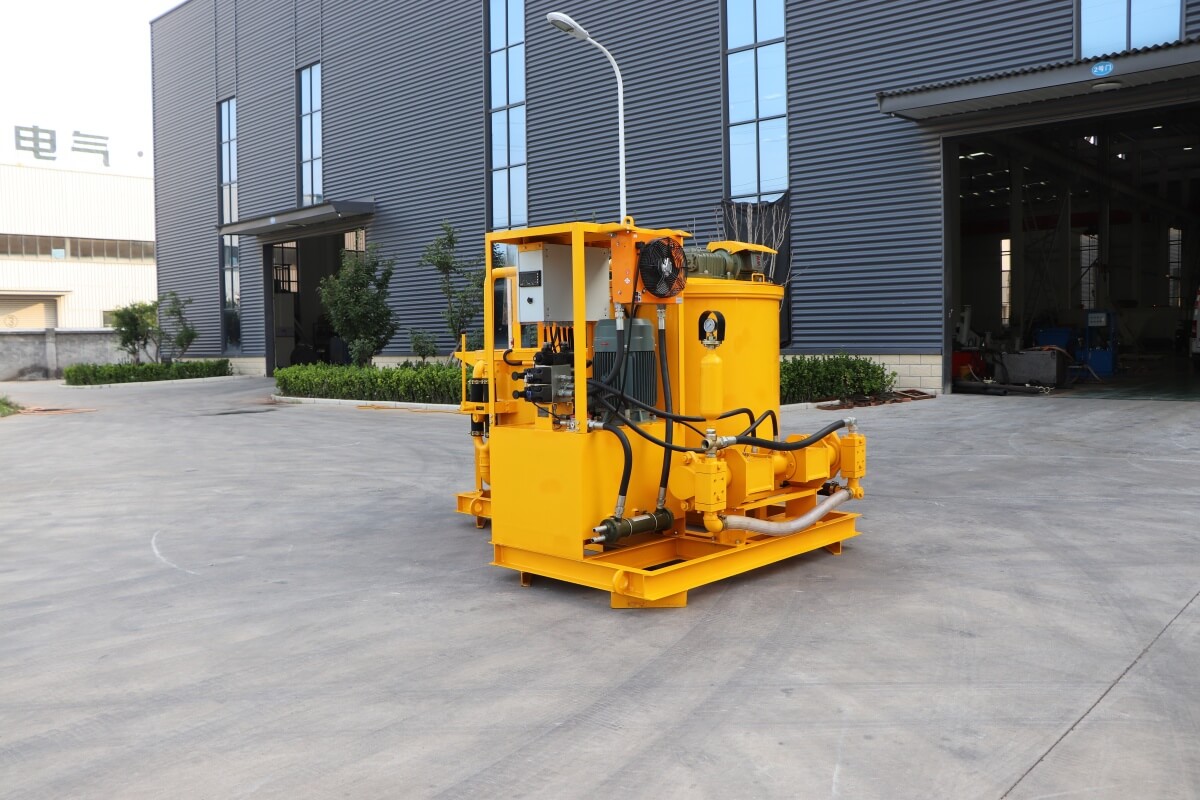
As project requirements regarding borehole depth, grouting pressure, grout output, and automation levels vary, high-pressure borehole grouting systems are typically configured based on specific project parameters.
Equipment can be powered by electric motors, diesel engines, or hydraulic systems, with customizable specifications for mixing capacity, storage capacity, pump flow rate, maximum working pressure, and control methods. Compact skid-mounted designs are suitable for tunneling or mining projects requiring frequent relocation, while large-scale dam and foundation projects can utilize configurations featuring multiple grouting pumps and centralized control systems.
Properly matching mixing equipment, storage systems, and high-pressure grouting pumps establishes a continuous, stable workflow, minimizing downtime and maximizing equipment utilization.
High-pressure borehole grouting equipment accurately delivers properly prepared grout through boreholes to underground target zones, serving as essential machinery for rock mass reinforcement, foundation treatment, fracture filling, and seepage control/water plugging projects.
Equipment selection should take into account grouting materials, borehole depth, design pressure, pumping flow rate, and the construction environment. Through appropriate selection, standardized operation, and real-time monitoring, operators can optimize grout utilization and control the grouting zone, thereby providing reliable underground reinforcement solutions for tunnels, dams, mines, and foundation projects.
High-pressure borehole grouting equipment accurately delivers cement slurry, bentonite slurry, or composite grouts through boreholes to underground target zones; it is vital equipment for tunnel surrounding rock reinforcement, rock fracture filling, dam seepage control, mine water plugging, and foundation treatment projects. Properly matching grouting preparation capacity, injection flow rate, and working pressure improves grout utilization, minimizes ineffective dispersion, and ensures a continuous, stable grouting process.
Leadcrete Equipment is a specialized manufacturer and supplier of high-pressure borehole grouting equipment. We offer high-speed grout mixers, agitator tanks, high-pressure grout pumps, automatic control systems, and complete borehole grouting equipment solutions. Our equipment is suitable for cement grout, bentonite slurry, cement-bentonite composite mixes, and other engineering grouting materials.
We tailor equipment selection and customization to specific project requirements, considering factors such as borehole depth, grout mix design, design pressure, pumping flow rate, delivery distance, and on-site power availability. Equipment can be powered by electric motors, diesel engines, or hydraulic systems and configured as skid-mounted, trailer-mounted, or containerized units for easy transport, installation, and relocation.
Backed by extensive manufacturing expertise and project service capabilities, Leadcrete Equipment’s grouting systems have been deployed in tunneling, dam, mining, foundation, and underground engineering projects across numerous countries and regions. We provide everything from individual high-pressure grout pumps to integrated systems covering the entire process—from grout mixing and agitation to high-pressure injection.
If you are seeking a reliable manufacturer of high-pressure borehole grouting equipment, please contact Leadcrete Equipment with details regarding your grout type, required flow rate, maximum injection pressure, and site conditions. Our technical team will recommend the optimal equipment configuration and an efficient borehole grouting solution tailored to your project needs.