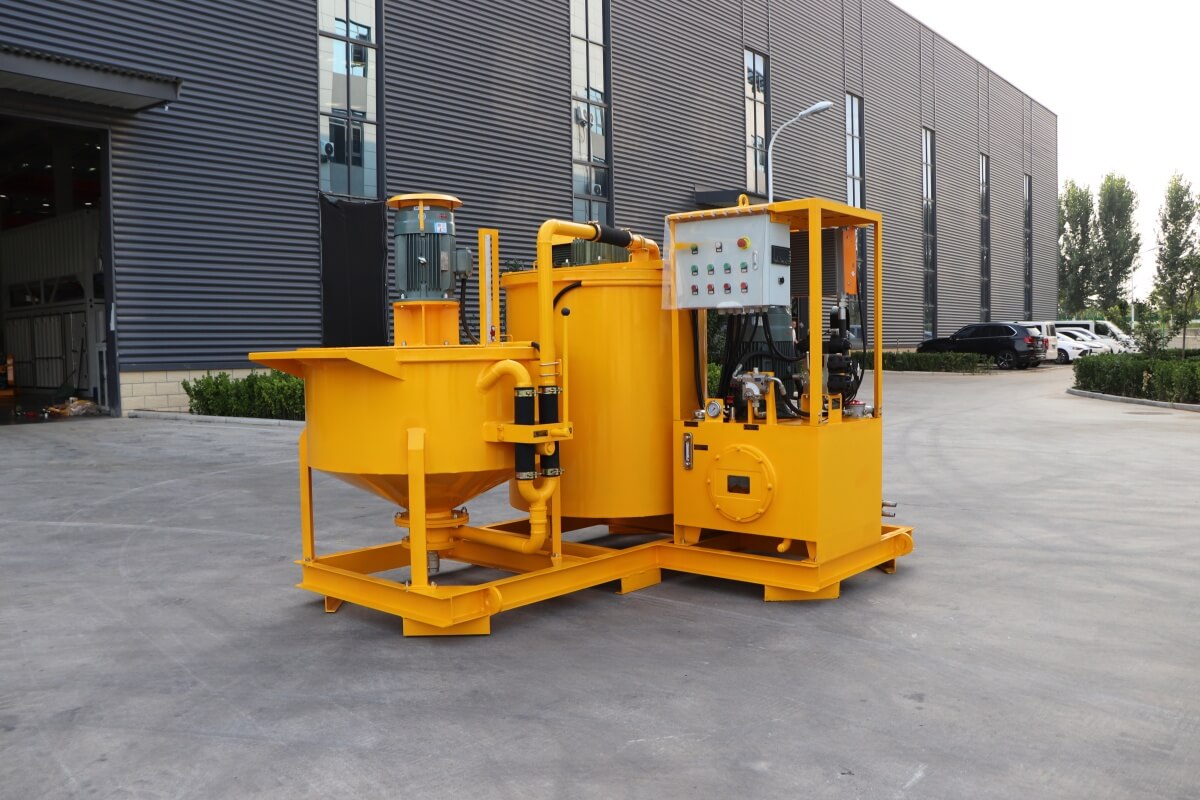
Colloidal Bentonite Mixing Plant for Grouting
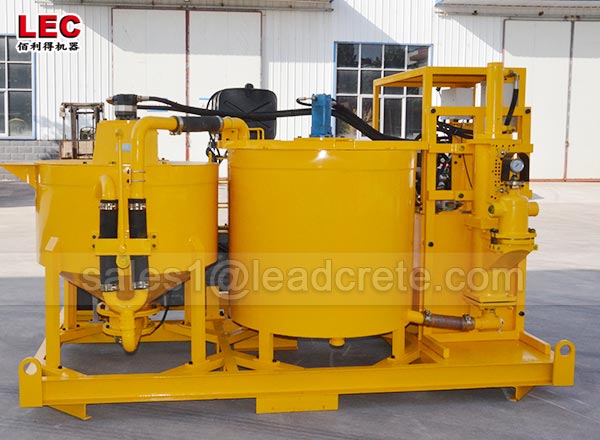
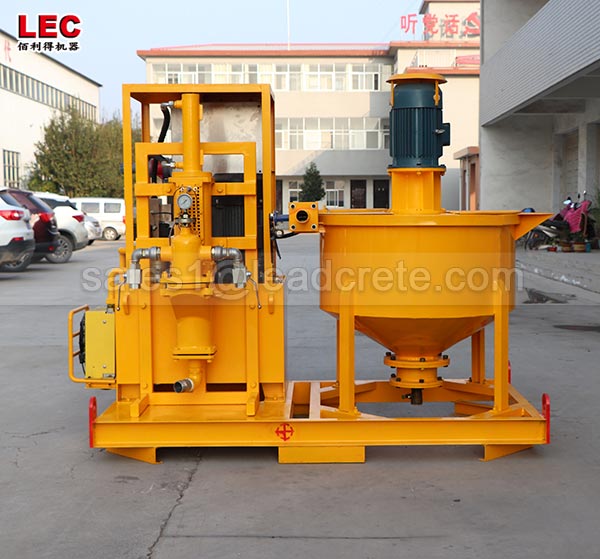
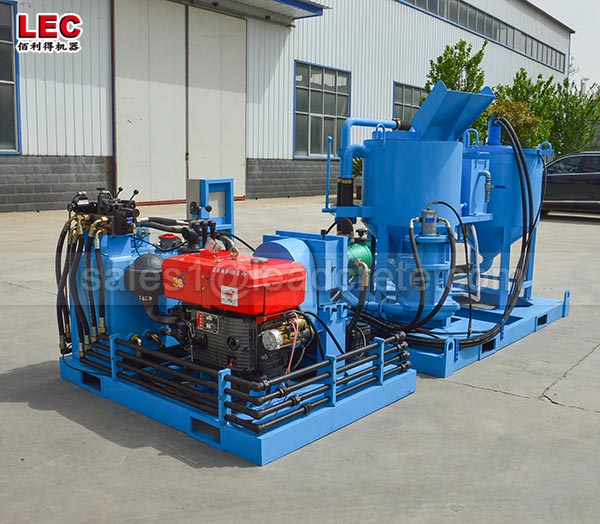
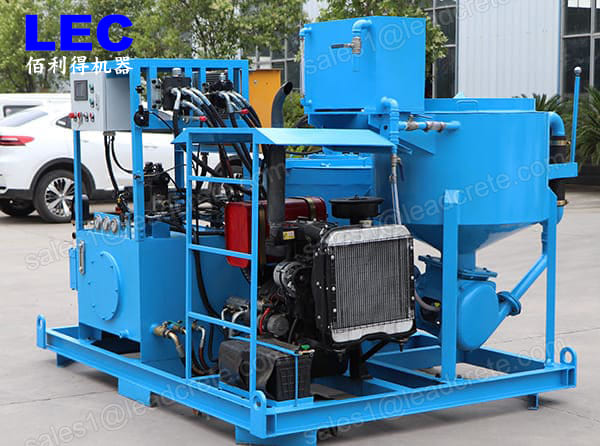
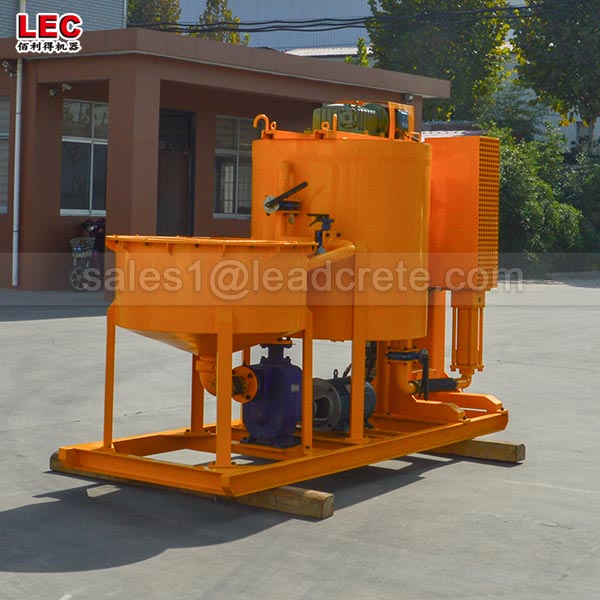
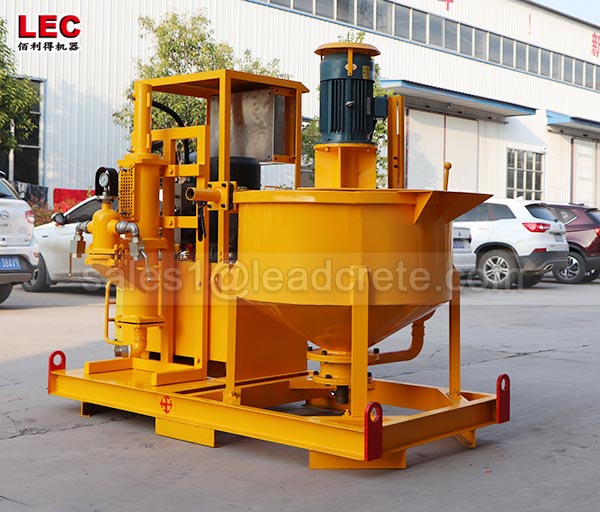
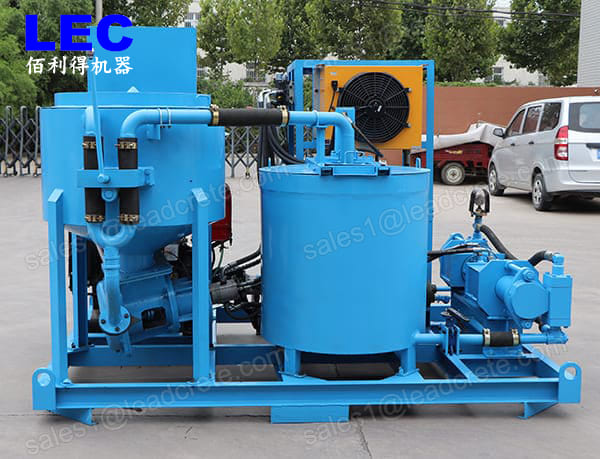
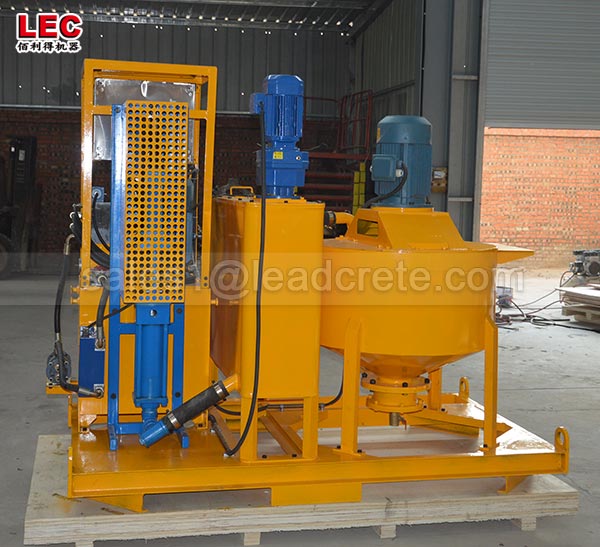
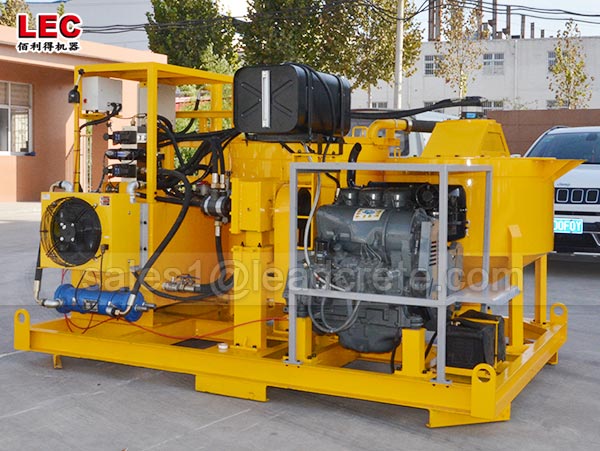
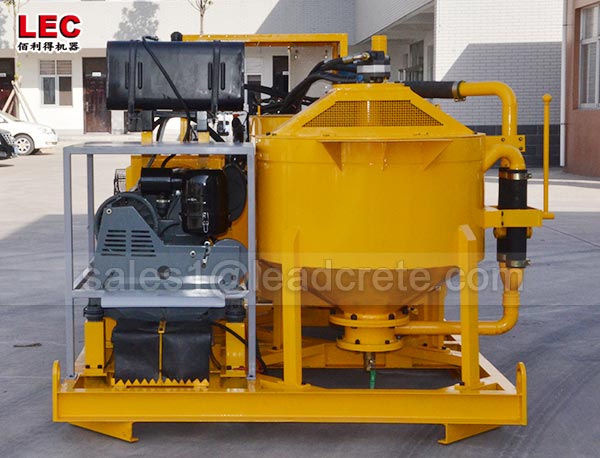
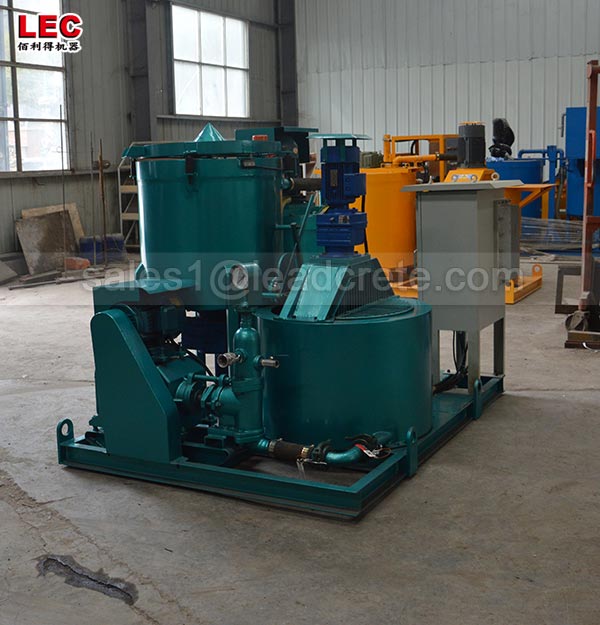
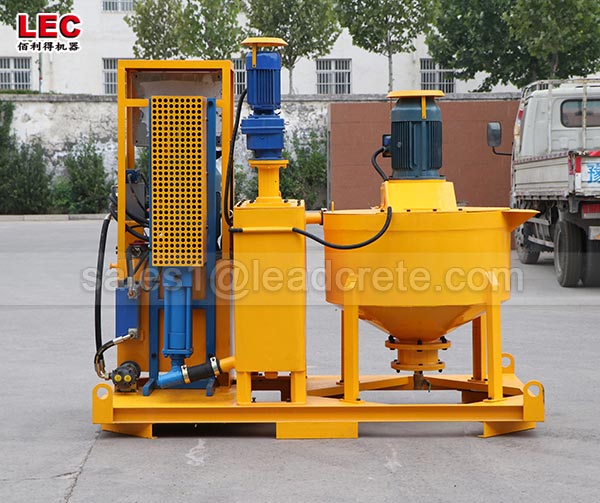
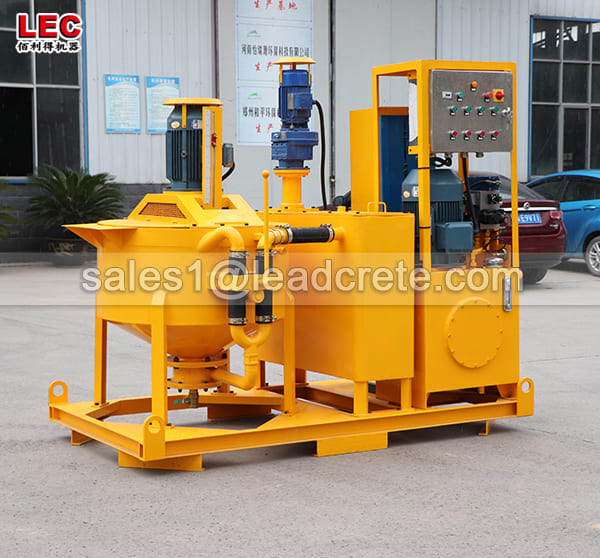
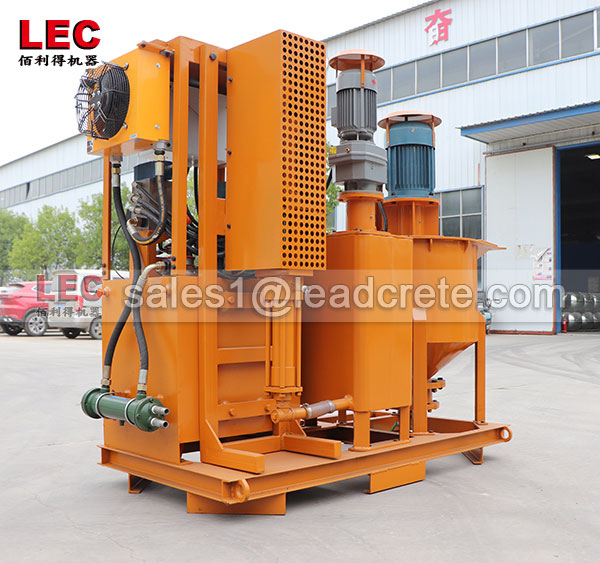
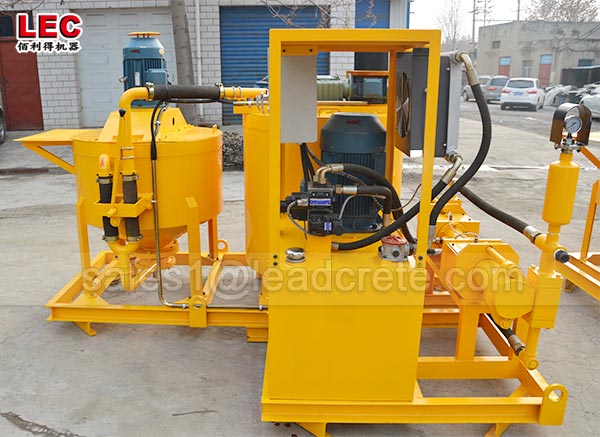
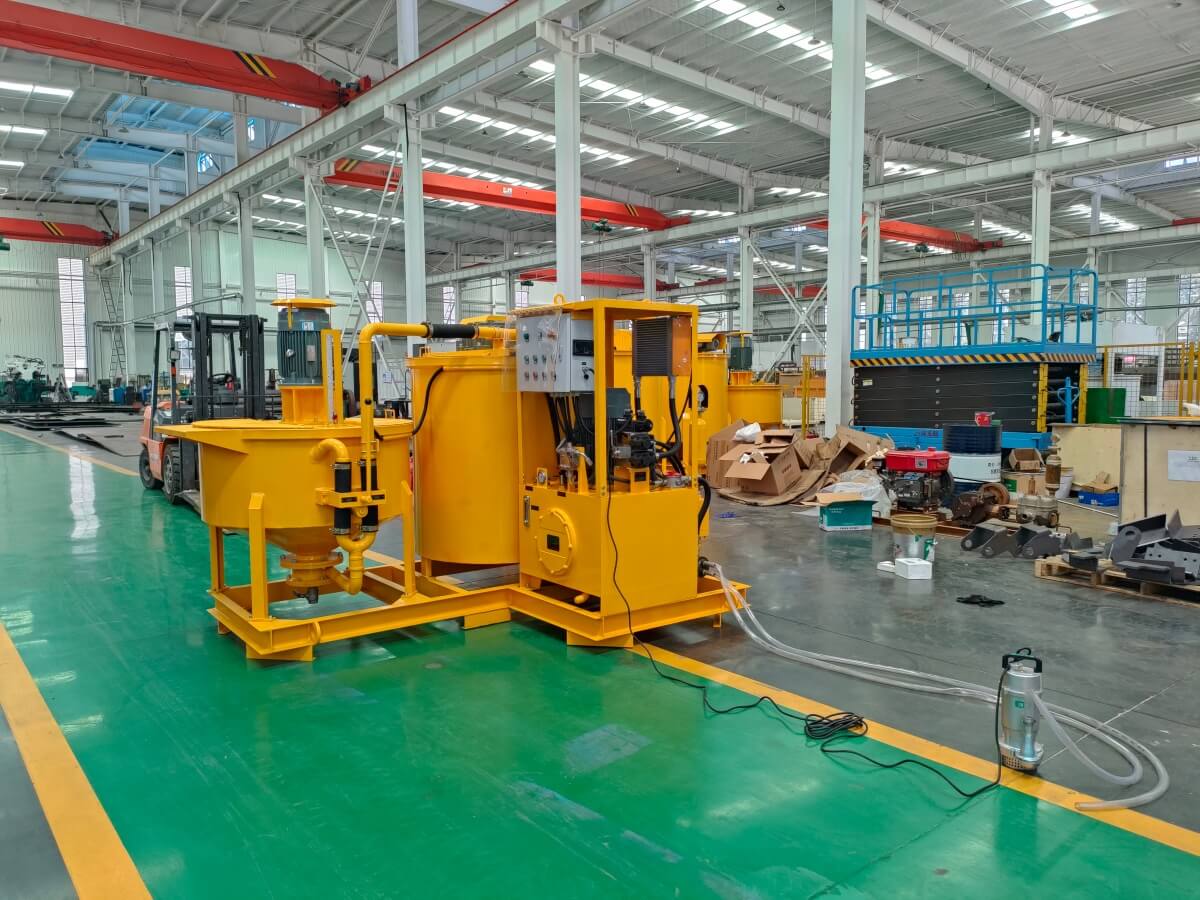
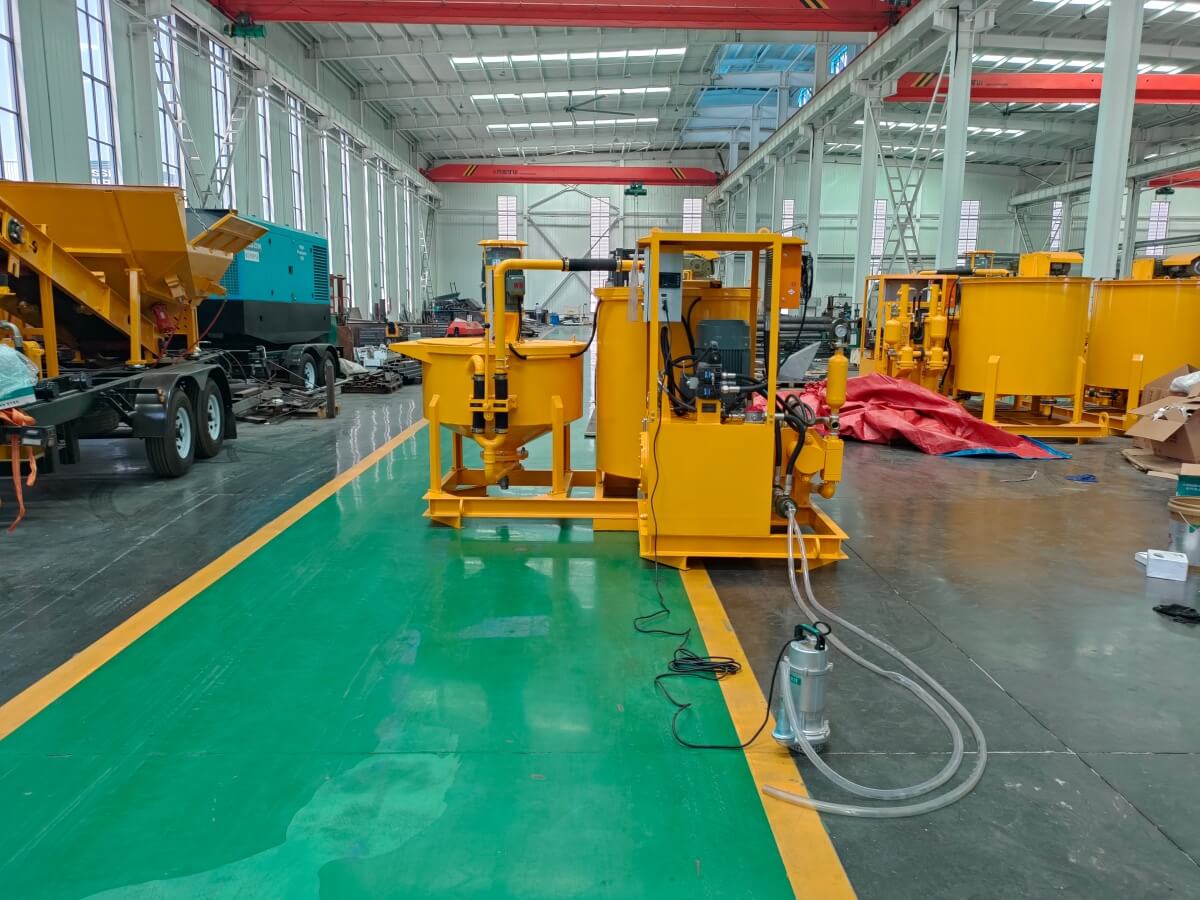
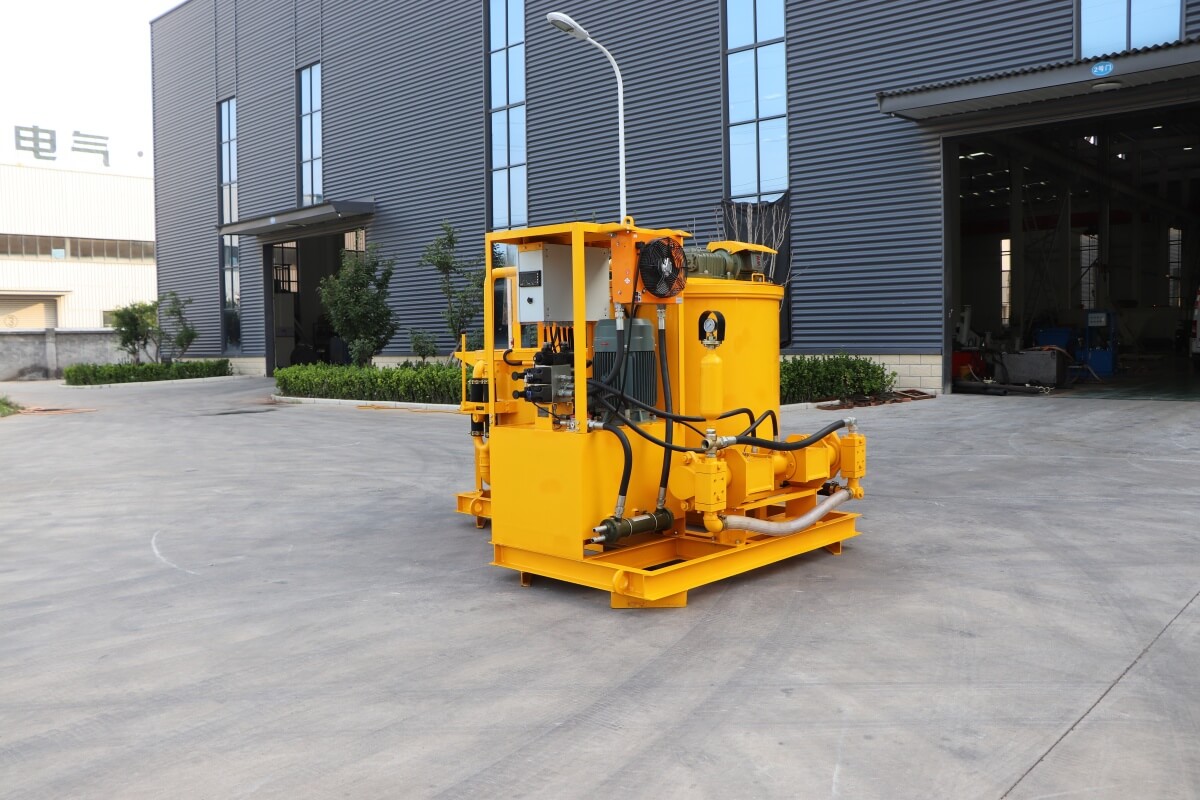
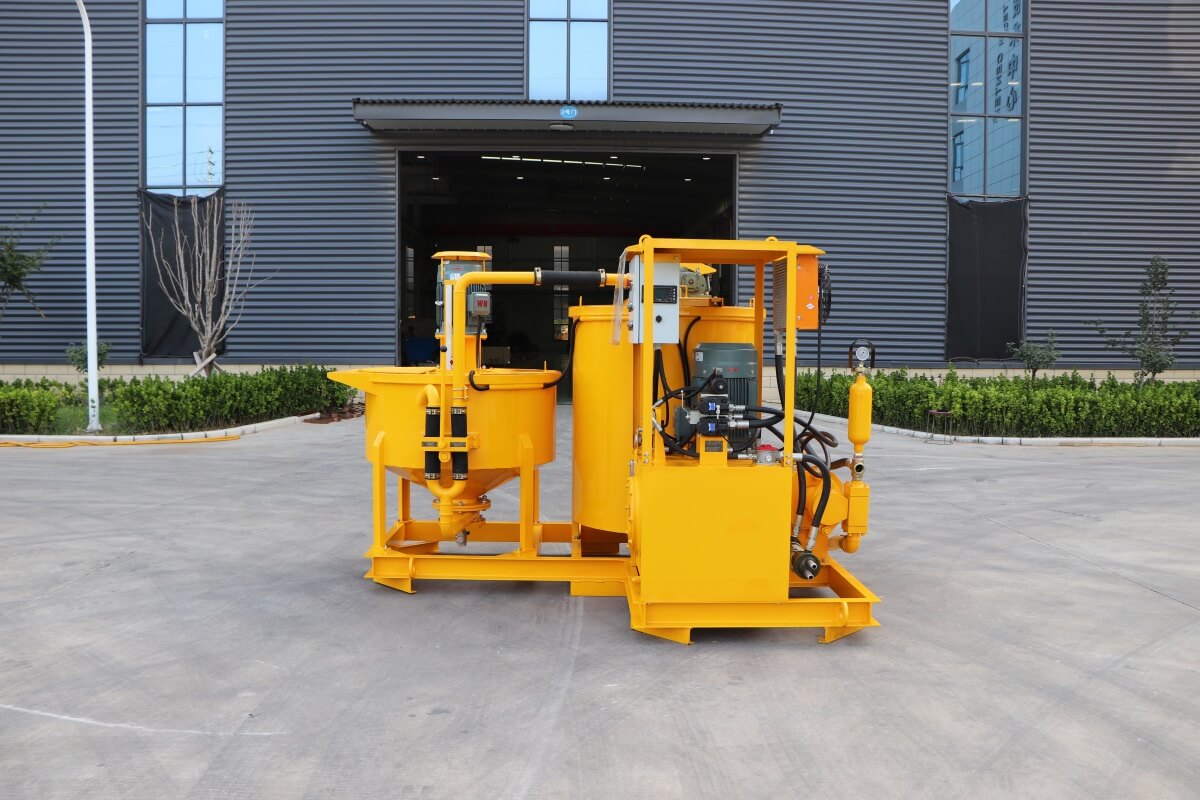
The Colloidal Bentonite Mixing Plant for Grouting utilizes high-speed colloidal mixing technology to rapidly disperse bentonite particles in water, producing a slurry that is fine, uniform, and suitable for pumping. This equipment can be used independently to prepare bentonite slurry or to process composite grouting materials—such as cement-bentonite mixtures—according to specific engineering formulations.
In applications such as foundation reinforcement, tunnel grouting, dam seepage control, and rock fissure treatment, the uniformity and stability of the slurry directly impact material pumpability, dispersion range, and overall grouting effectiveness. Although bentonite offers excellent suspension, lubrication, and impermeability properties, it absorbs water and swells rapidly; consequently, the use of conventional low-speed mixing equipment often leads to the formation of clumps and localized concentration inconsistencies.
Why do grouting projects require colloidal bentonite mixing equipment?
Standard mixing equipment relies primarily on blades to drive the bulk flow of materials; however, bentonite powder—which tends to absorb water and clump—may not disperse fully within a short timeframe using such methods. Undispersed clumps not only compromise slurry performance but can also clog filters, valves, delivery pipelines, and grouting pumps.
Colloidal bentonite mixing equipment utilizes enhanced circulation, turbulence, and shear forces to rapidly draw powder into the liquid and break up particle agglomerates. Thoroughly mixed bentonite slurry typically exhibits superior uniformity and flow stability, facilitating subsequent storage, transport, and pressure injection.
For continuous grouting operations, efficient slurry preparation reduces the time required for each batch, preventing frequent pump shutdowns caused by an inadequate supply of slurry.
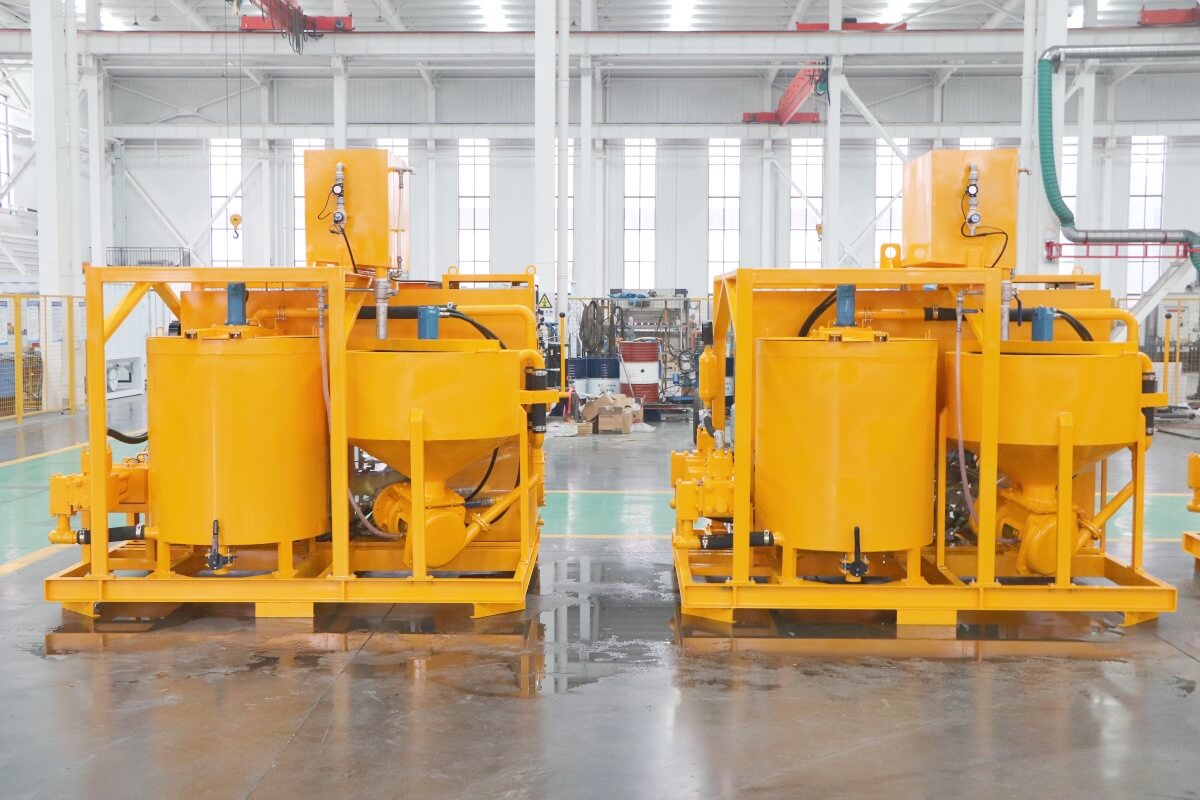
Working Principle of the Colloidal Bentonite Mixing Plant
Once the mixing process begins, fresh water enters the colloidal mixer, where a high-speed mixing mechanism generates intense liquid circulation. Bentonite powder is added gradually according to a preset ratio and is rapidly drawn into the mixing zone by the circulating fluid.
High-speed shearing minimizes powder agglomeration, ensuring a more uniform distribution of bentonite particles within the water. After mixing, the slurry is transferred to an agitated storage tank to undergo further hydration. These storage tanks typically operate at lower agitation speeds to maintain slurry homogeneity while minimizing air entrainment and unnecessary energy consumption.
Depending on the construction workflow, the colloidal mixer and storage tank can operate in tandem: while the mixer prepares the next batch, the storage tank continuously supplies the grouting pump, thereby establishing a continuous production and supply cycle.
Improving Bentonite Slurry Performance through Colloidal Mixing
The actual performance of bentonite slurry depends on factors such as raw material quality, water quality, mix proportions, mixing intensity, and hydration time. The primary value of colloidal mixing technology lies in improving powder dispersion, thereby ensuring more effective utilization of the materials in the formulation.
A homogeneous slurry mitigates issues related to localized concentration imbalances, making it easier to control density, viscosity, and bleed characteristics. Furthermore, a more uniform distribution of solid particles stabilizes the pumping process and reduces the risk of sedimentation and clogging within the pipelines. If a cement-bentonite composite slurry is used, the mixing process must be adjusted based on the cement type, bentonite dosage, and design setting time. An appropriate mix design should be determined through trial mixing prior to construction; fixed equipment parameters cannot substitute for on-site testing.
For which grouting projects is it suitable?
The colloidal bentonite mixing plant is suitable for projects requiring the preparation of stable bentonite or composite slurries, including:
Tunnel surrounding rock reinforcement and backfill grouting
Anti-seepage treatment for dam, levee, and reservoir foundations
Building foundation and soft soil treatment
Filling of rock fissures and underground voids
Grouting for rock bolts, anchor cables, and micropiles
Borehole wall stabilization and mud circulation
Pipe roofing, ground pre-reinforcement, and trenchless construction
Mine roadway and groundwater sealing projects
Different projects have varying slurry requirements. For instance, anti-seepage projects prioritize slurry stability and injectability, whereas deep-hole grouting requires consideration of viscosity, delivery distance, and pump pressure capacity. Therefore, the slurry preparation system should be configured according to the specific materials and construction methods.
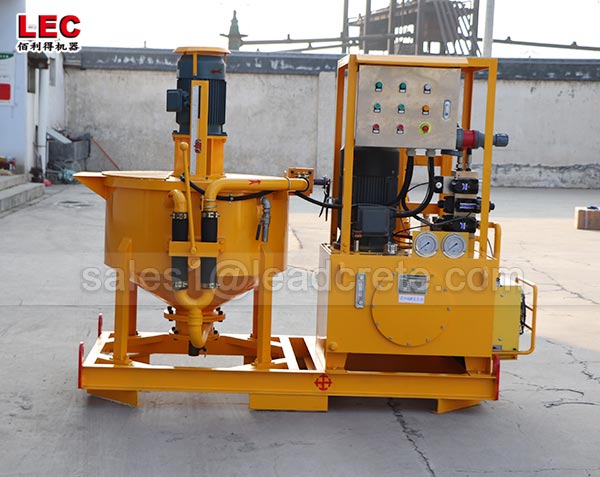
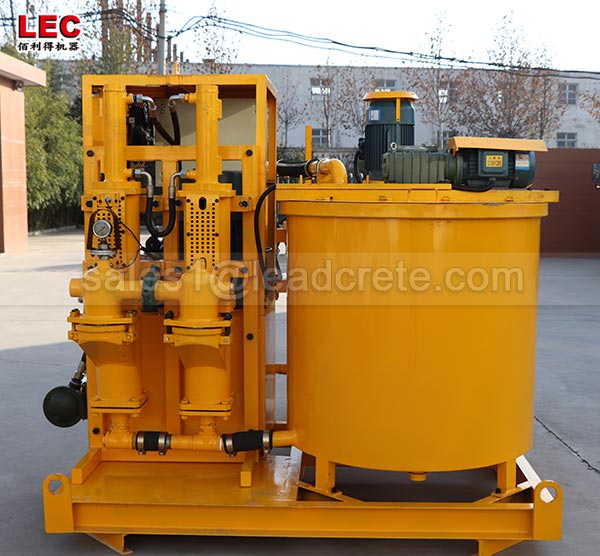
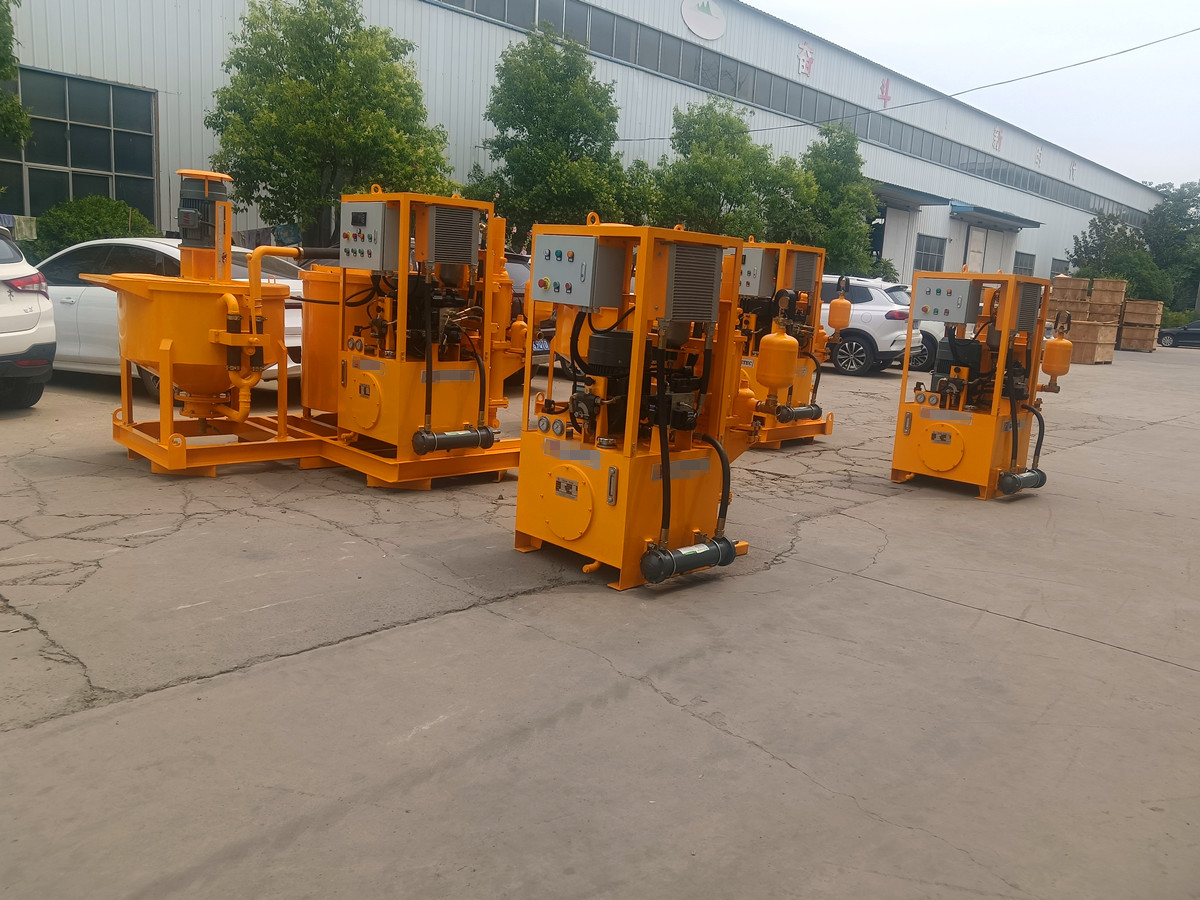
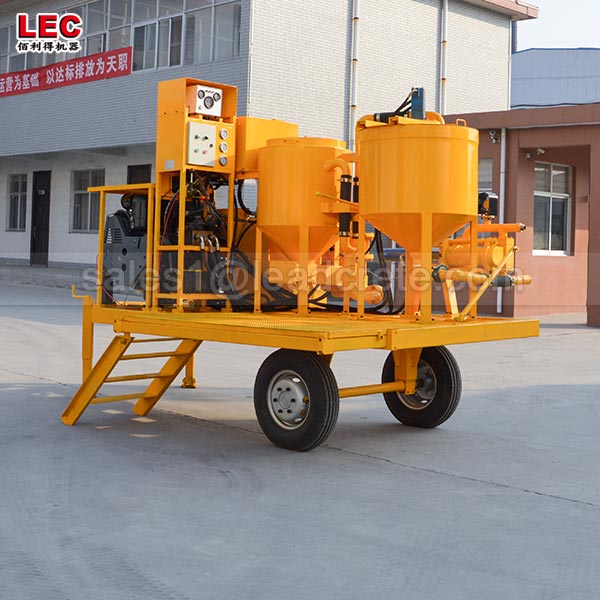
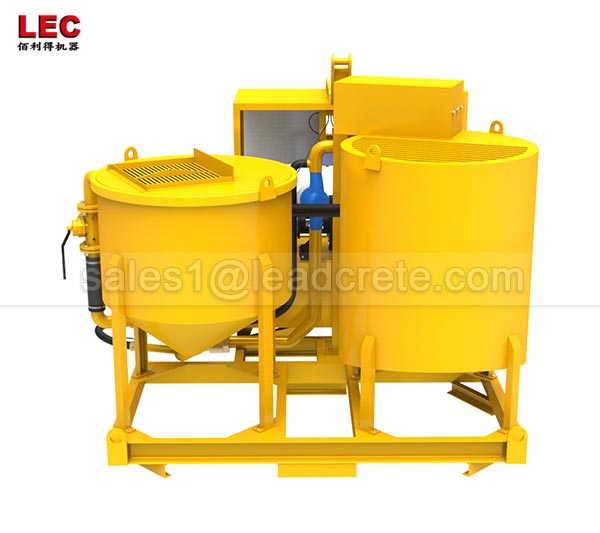
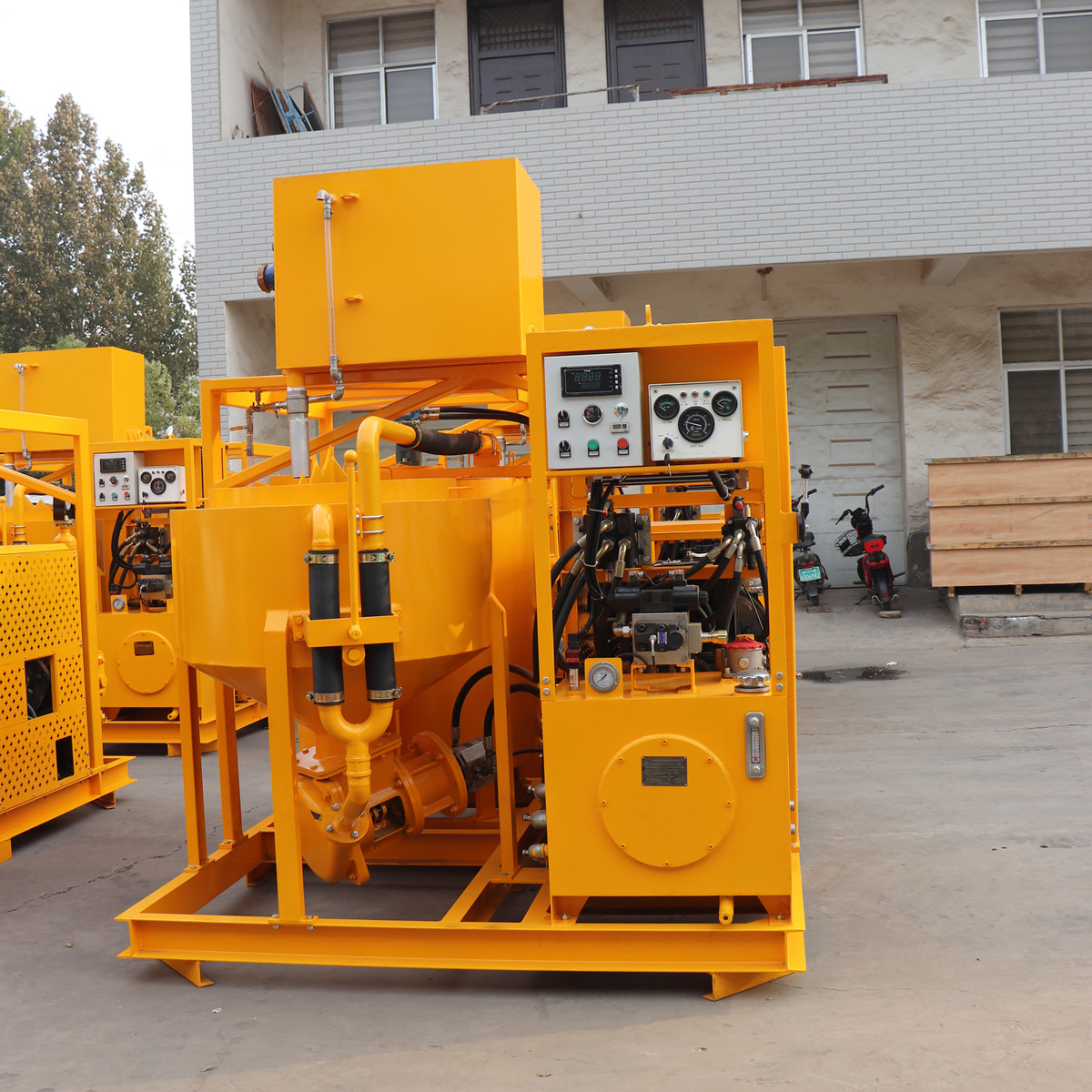
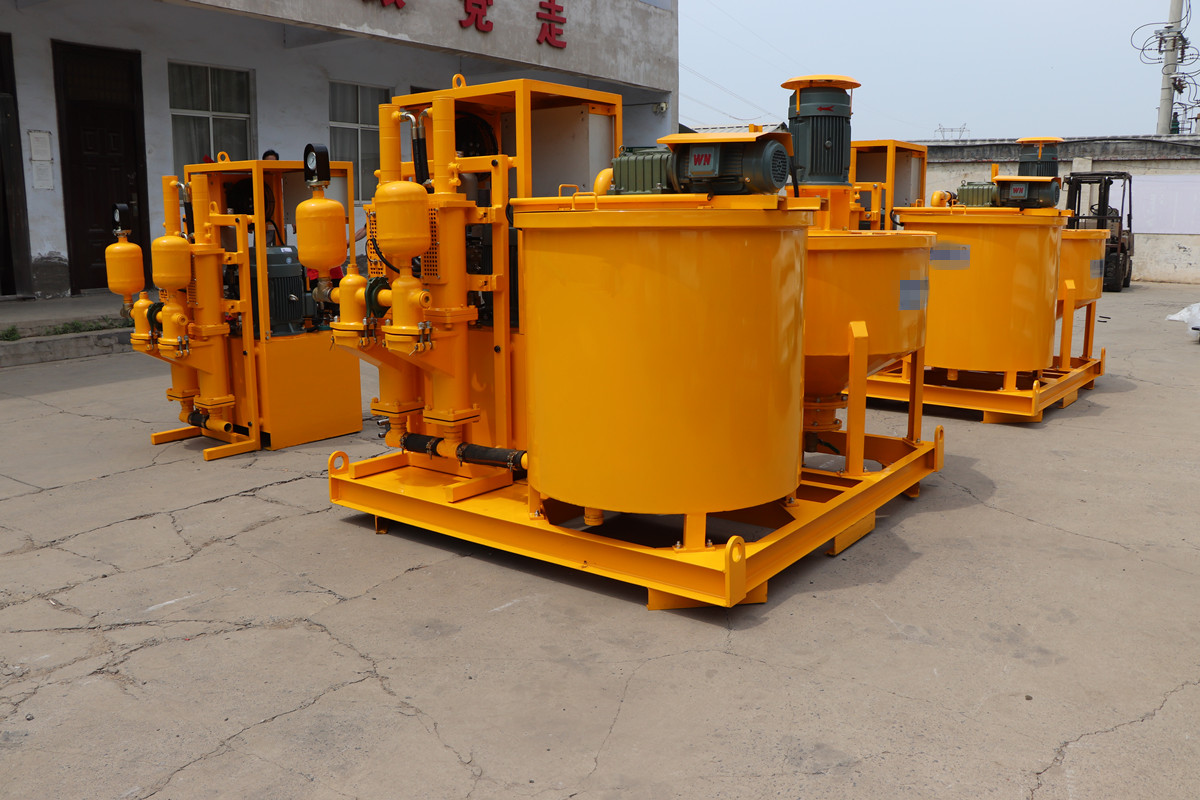
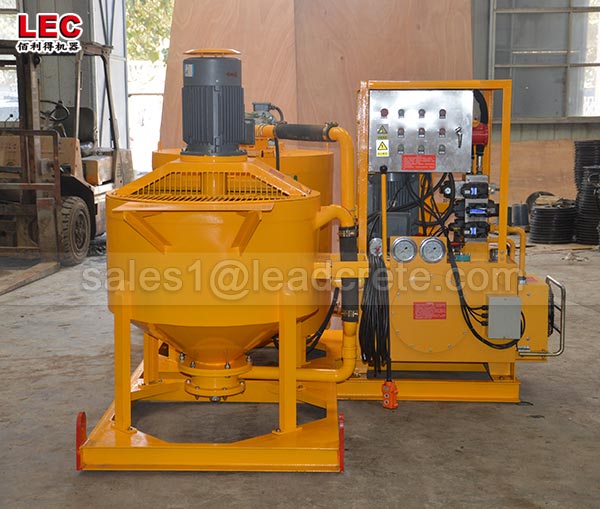
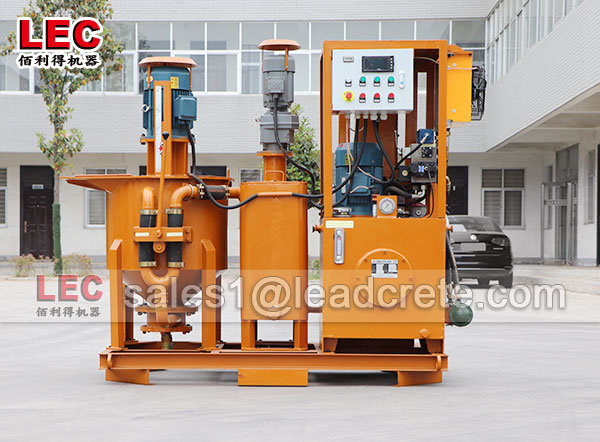
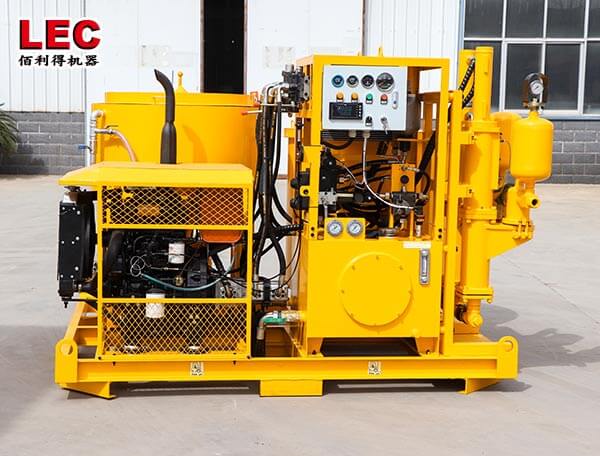
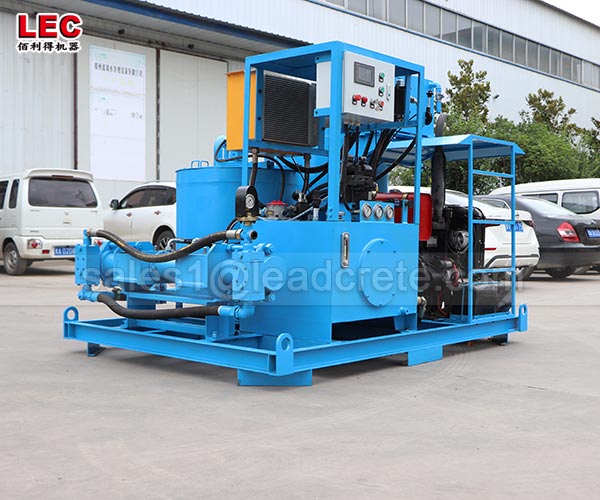
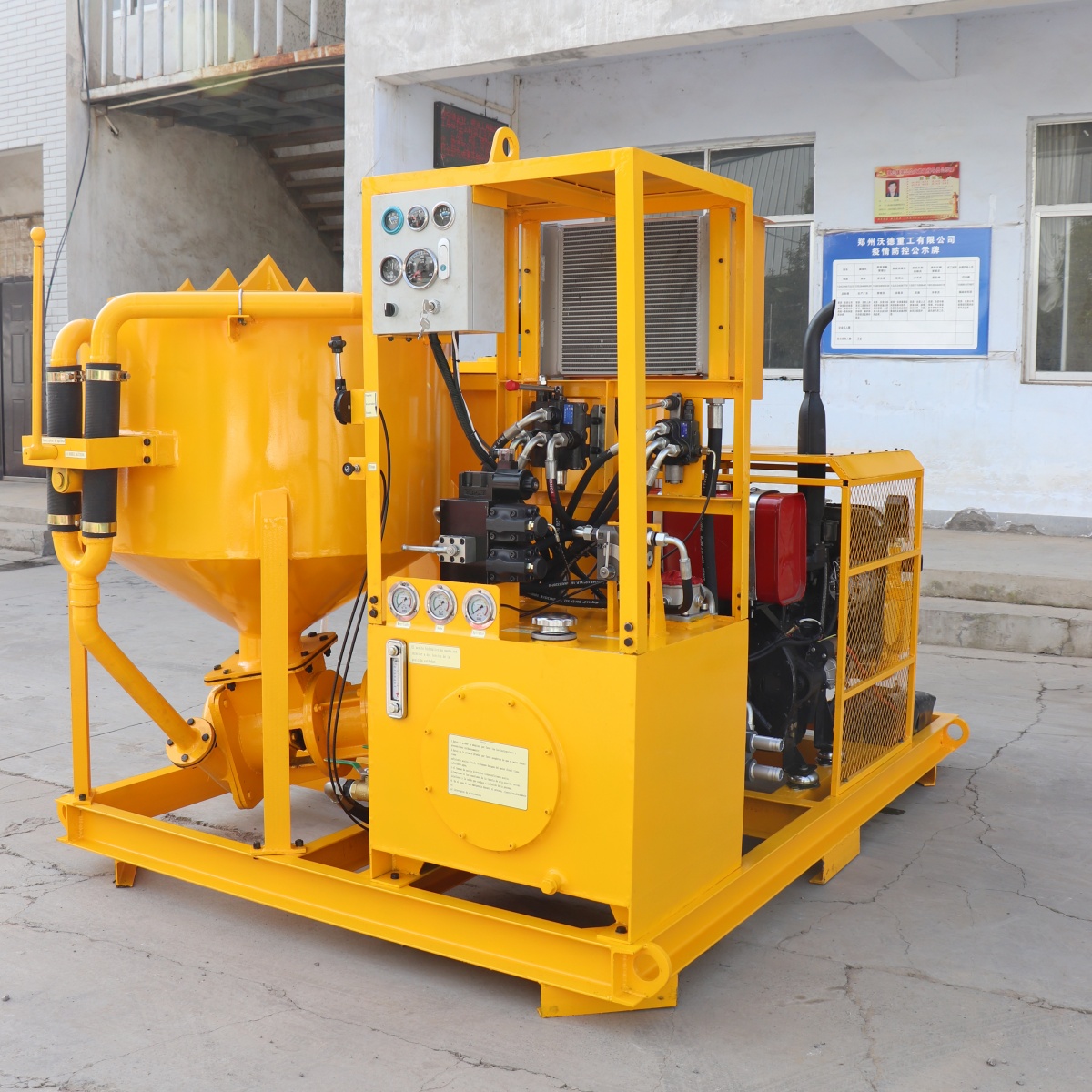
Colloidal bentonite mixing plants offer various configurations. Small-scale projects may utilize a combination of a colloidal mixer and an agitated storage tank; for simultaneous grouting operations, piston, plunger, or hydraulic grouting pumps can be added.
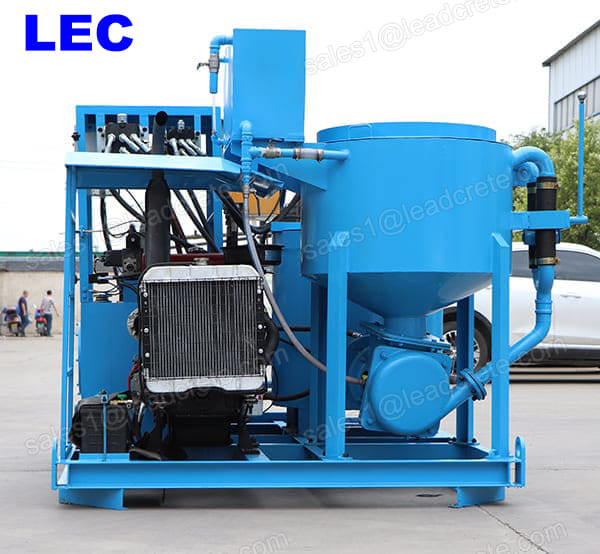
For projects with fixed locations and high slurry demand, large-capacity stationary or skid-mounted systems are appropriate. Conversely, compact mobile equipment is better suited for tunnels, mines, and projects requiring frequent relocation.
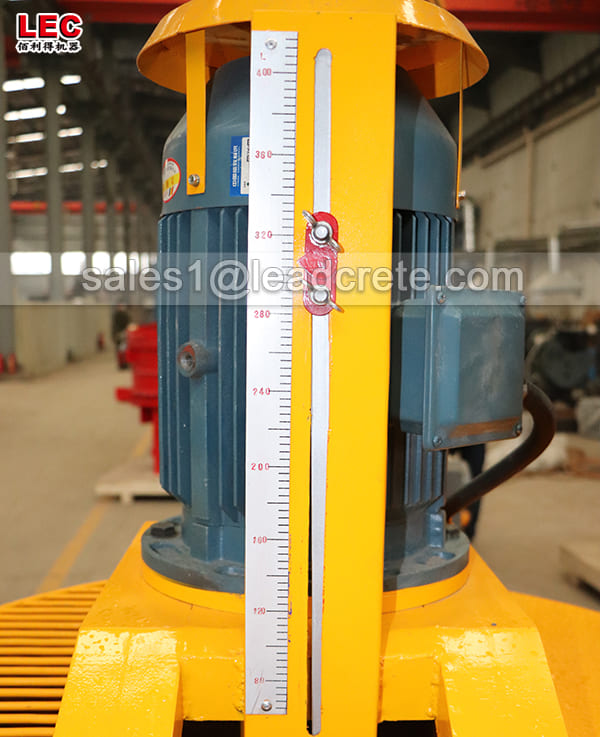
Systems can also be equipped with features such as automatic water intake, screw feeding, liquid level monitoring, pressure display, and centralized control. A rational modular design facilitates equipment transport and on-site assembly, while also allowing for the future addition of storage tanks or grouting pumps based on output requirements.
How do you determine the appropriate equipment model?
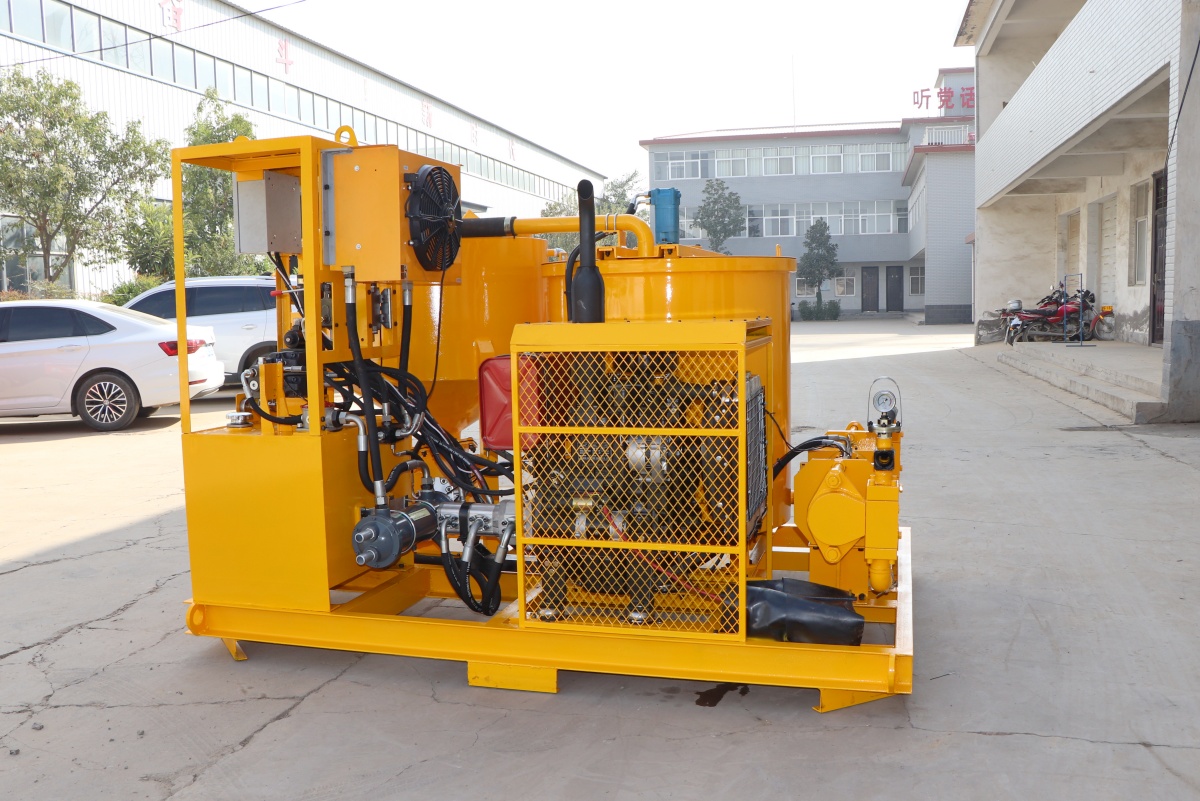
When selecting a colloidal bentonite mixing plant, the slurry formula to be used must first be confirmed. Pure bentonite slurry, cement slurry, and cement-bentonite composite slurry impose different requirements regarding mixing intensity, storage methods, and pumping equipment. Next, it is necessary to determine the batch mixing volume, the hourly slurry demand, and whether continuous slurry supply is required. The mixer’s output capacity should be matched with the slurry storage capacity and the injection pump’s flow rate to avoid issues such as slow mixing speeds or the prolonged storage of large quantities of slurry.
Equipment selection should also take into account power supply conditions, available workspace, transport dimensions, cleaning methods, and ease of maintenance. For projects involving high altitudes, low temperatures, remote locations, or special voltage requirements, the motor, control system, and overall machine structure can be adjusted accordingly.
A colloidal bentonite mixing plant for grouting does more than simply mix bentonite with water; it employs high-intensity shearing and recirculating dispersion to enhance the slurry’s consistency, stability, and pumpability. When paired with appropriate storage equipment and injection pumps, it forms a continuous, high-efficiency system for preparing grouting materials.
To meet specific slurry formulations, production output targets, and injection pressure requirements, the equipment’s mixing capacity, storage capacity, power source, and control system can all be customized, providing reliable grouting solutions for tunnels, foundations, dams, mines, and underground engineering projects.