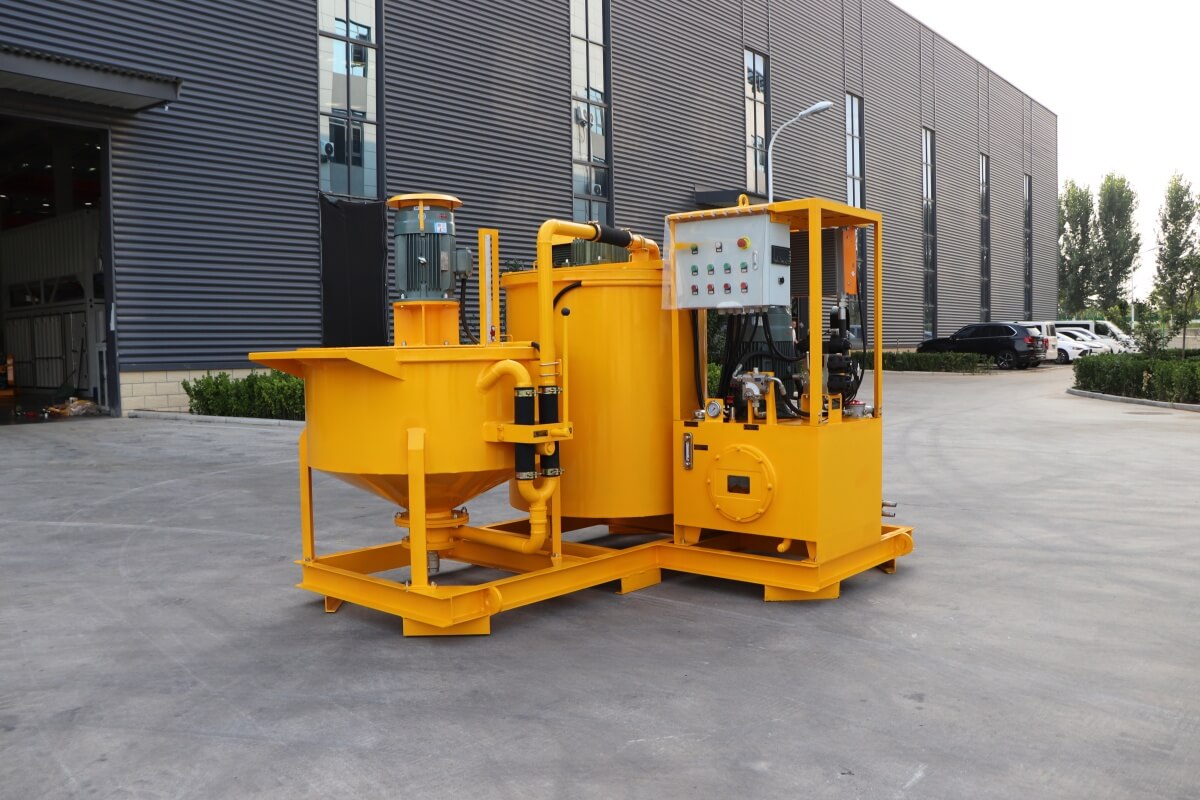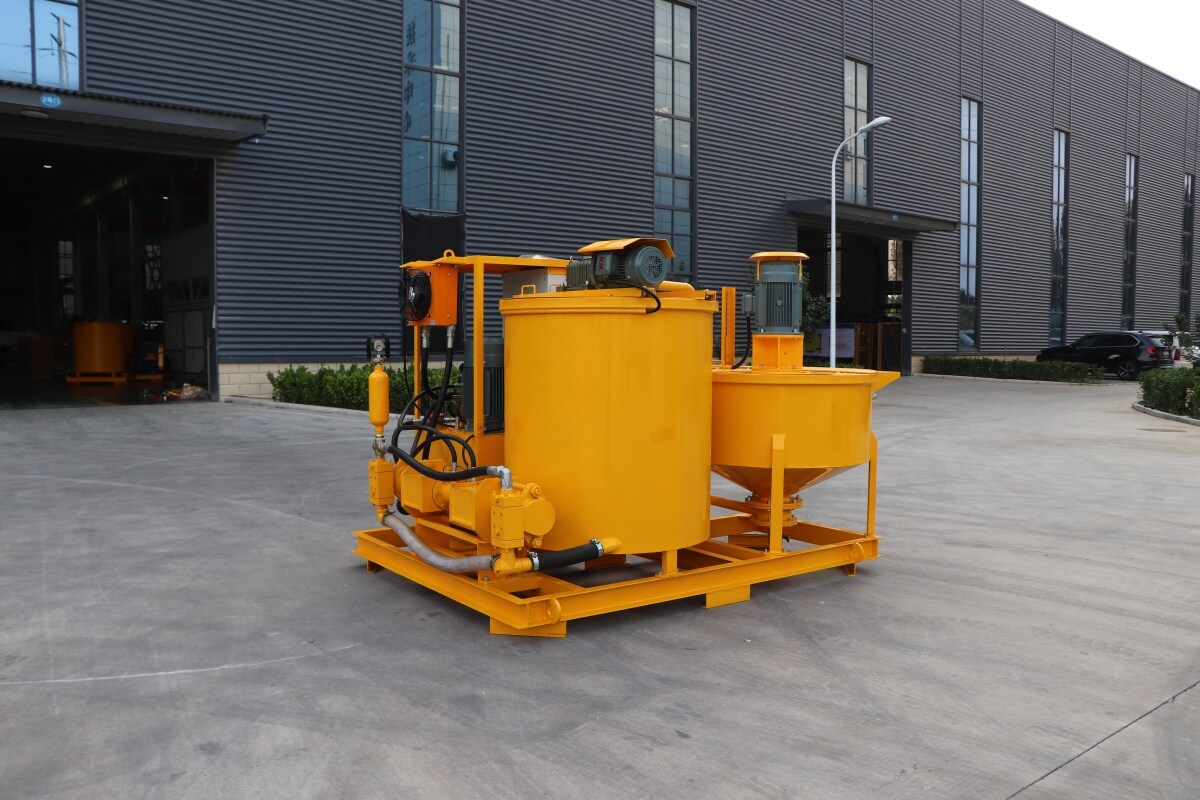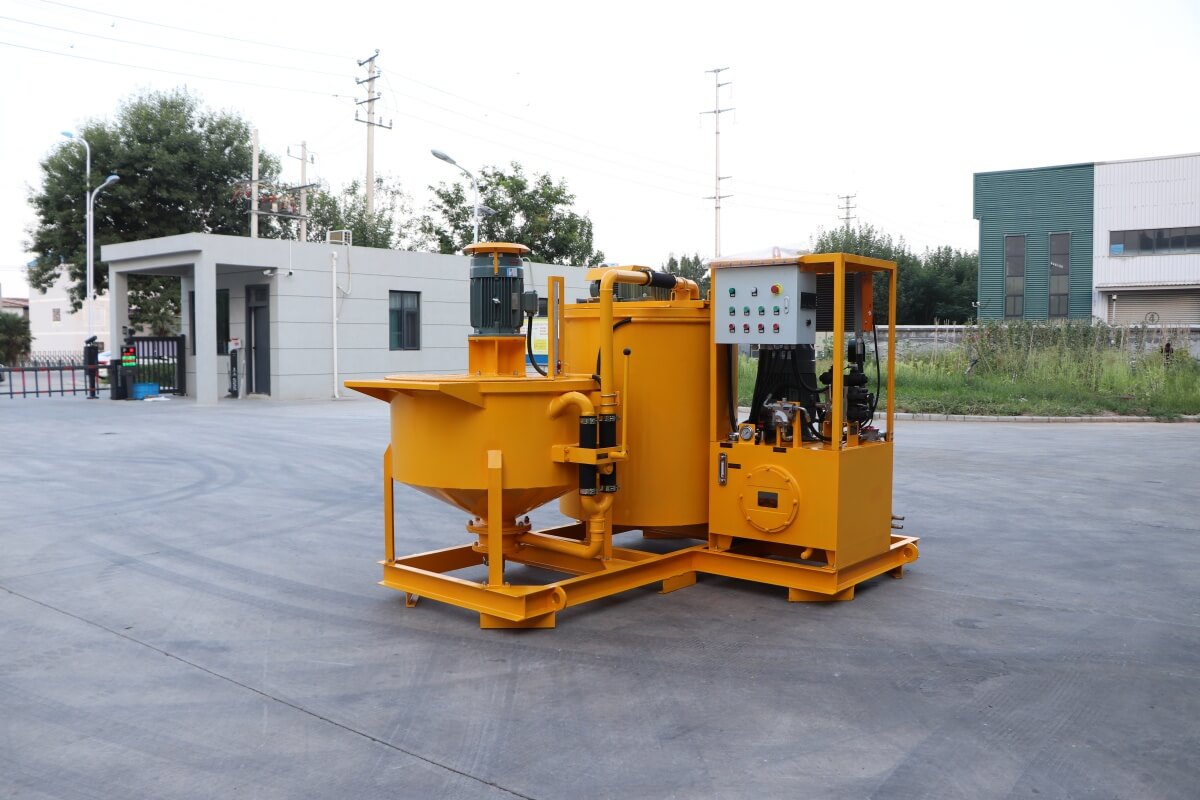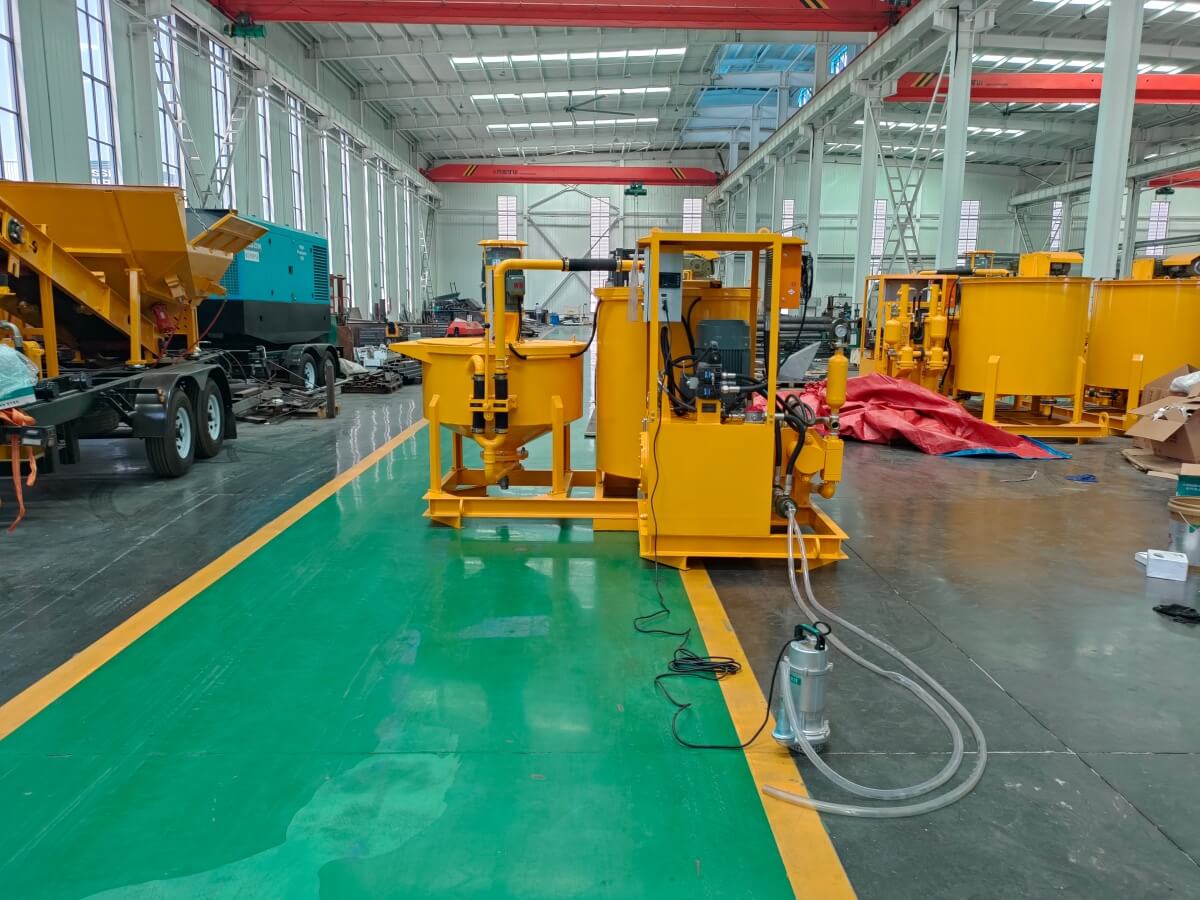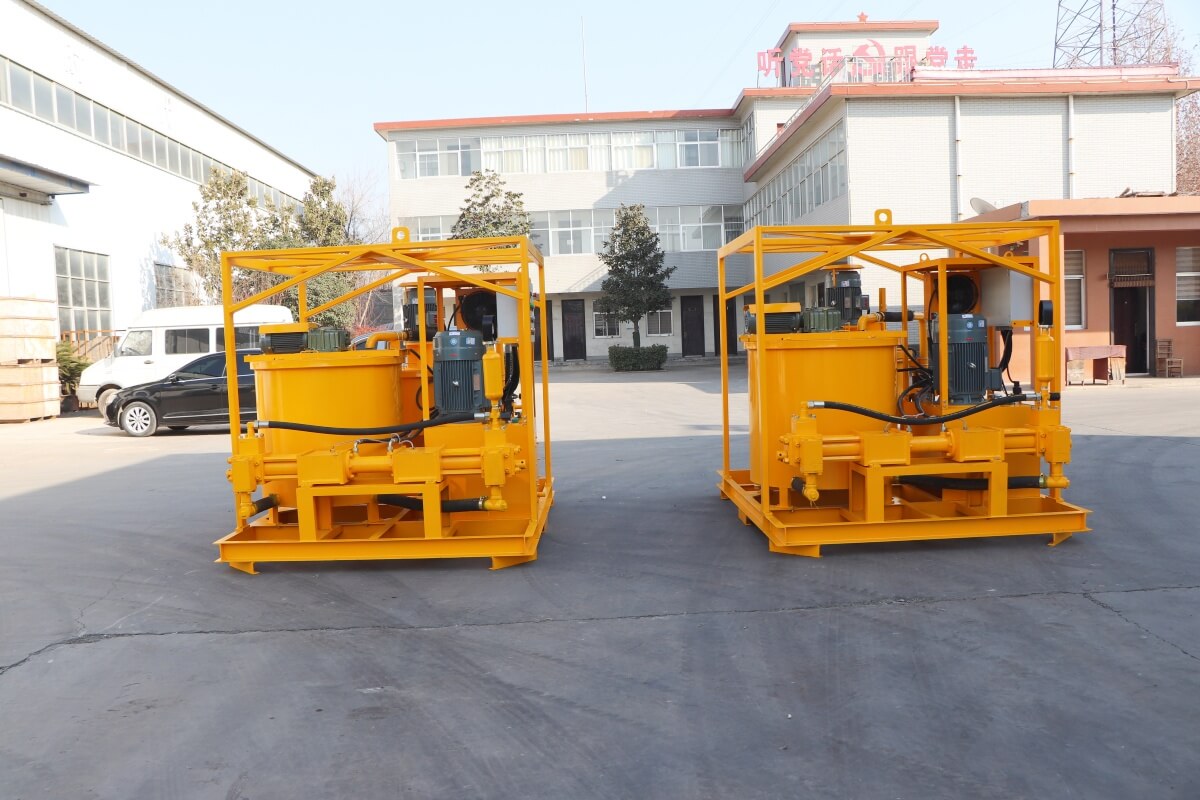
The Colloidal Bentonite Mixing Plant for Grouting utilizes high-speed colloidal mixing technology to rapidly disperse bentonite particles in water, producing a slurry that is fine, uniform, and suitable for pumping. This equipment can be used independently to prepare bentonite slurry or to process composite grouting materials—such as cement-bentonite mixtures—according to specific engineering formulations. In applications such as foundation reinforcement, tunnel grouting, dam seepage control, and rock fissure treatment, the uniformity and stability of the slurry directly impact material pumpability, dispersion range, and overall grouting effectiveness. Although bentonite offers excellent suspension, lubrication, and impermeability properties, it absorbs water and swells rapidly; consequently, the use of conventional low-speed mixing equipment often leads to the formation of clumps and localized concentration inconsistencies.
Bentonite plants for diaphragm walls are widely used in projects such as subway stations, basements, deep excavation pits, underground passageways, and large-scale foundations. During the trench excavation process, the stability of the trench walls directly impacts both construction quality and safety. A stable and continuous supply of bentonite slurry is particularly crucial when working in loose soil layers, areas with high groundwater levels, or complex geological conditions.
In tunneling, pile foundation, diaphragm wall, and trenchless engineering projects, the preparation of bentonite slurry involves more than simply adding bentonite powder to water. Factors such as the degree of slurry hydration, viscosity stability, continuity of supply, and the precise adjustment of pumping parameters directly impact on-site construction efficiency. If the slurry production rate fails to keep pace with grouting demands, work may be halted while waiting for the material; inadequate mixing can lead to clumping, sedimentation, and pipeline blockages; and a mismatch between pumping pressure and ground conditions may result in insufficient grout volume, slurry loss, or adverse changes in the geological formation. Consequently, an increasing number of construction projects are adopting integrated bentonite mixing and grouting plants. These systems consolidate the preparation, circulation, storage, and pumping of bentonite slurry into a single unit, thereby establishing a more stable and continuous on-site supply process.
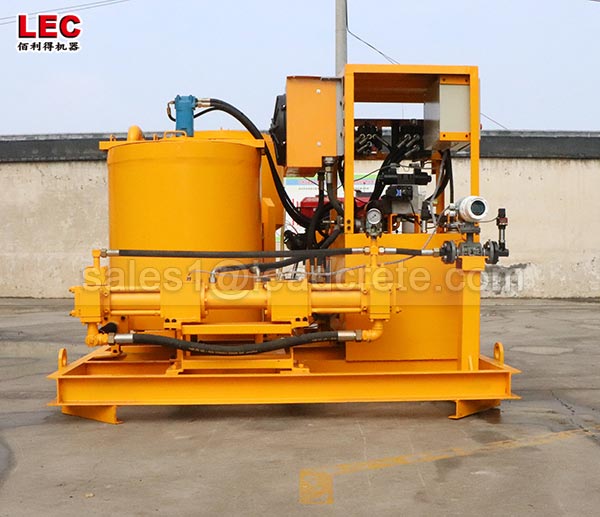
The Bentonite Grout Plant for Borehole Injection integrates a 500L high-shear grout mixer, a 700L agitator and a grout pump with approximately 100L/min output and 0-50 bar pressure. It is suitable for bentonite slurry, cement grout and cement-bentonite mixtures used in micropile construction, foundation reinforcement, soil stabilization, anchoring, tunneling and geological borehole injection.
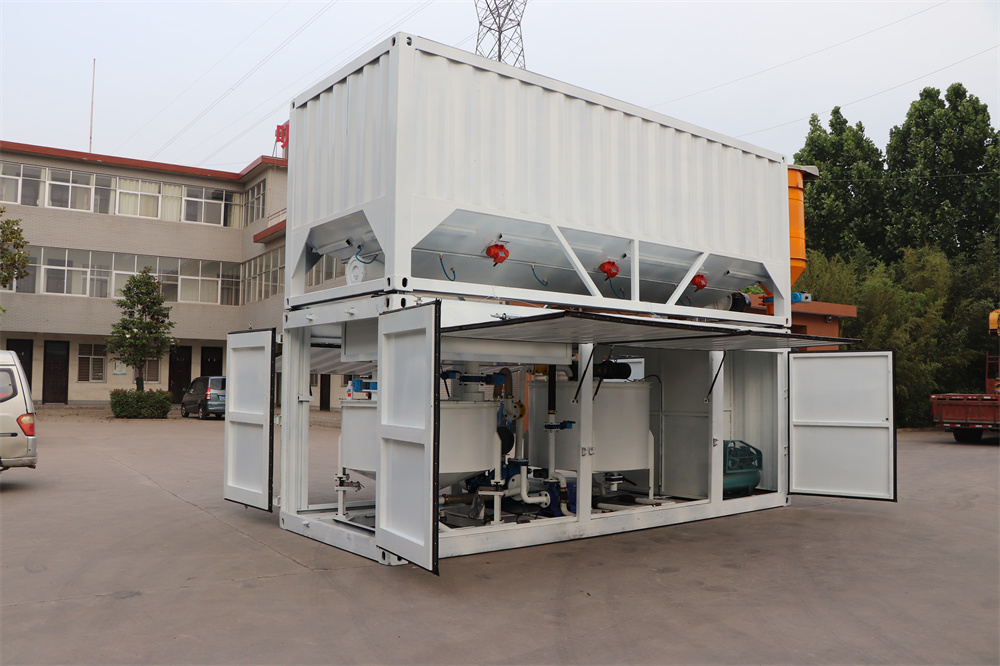
The tunnel lining cement slurry bentonite mixing station integrates multiple functions such as raw material storage, metering, mixing and transportation, and is specially designed for lining operations in tunnel projects. It can mix raw materials such as cement, bentonite, and water in a certain proportion to prepare cement slurry bentonite mixtures that meet the requirements of tunnel lining.
Colloid mixing batching plant is a commonly used concrete grouting equipment. It uses high-speed mixing technology to mix cement, sand, water and other additives together to form a uniform slurry. The main purpose of this equipment is to produce high-quality concrete for use in areas such as tunneling, infrastructure construction and land consolidation. Compared with traditional concrete construction, Colloid mixing batching plant has higher efficiency, more precise ratio and more uniform quality. In addition, it can also meet different construction needs by adjusting the ratio.
Colloidal bentonite grout plant
*Please enter a message to us