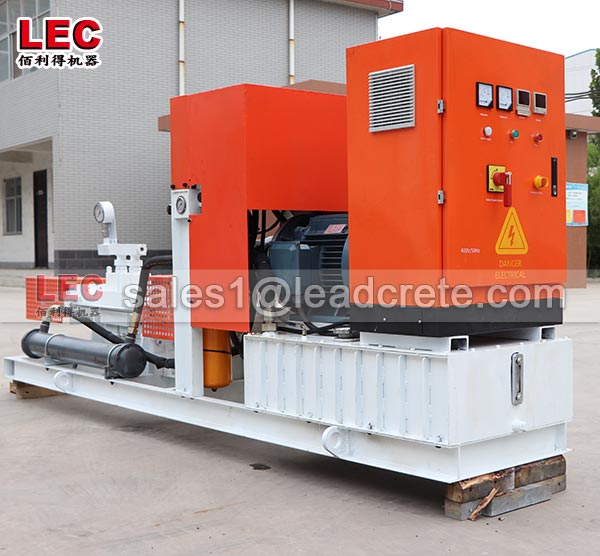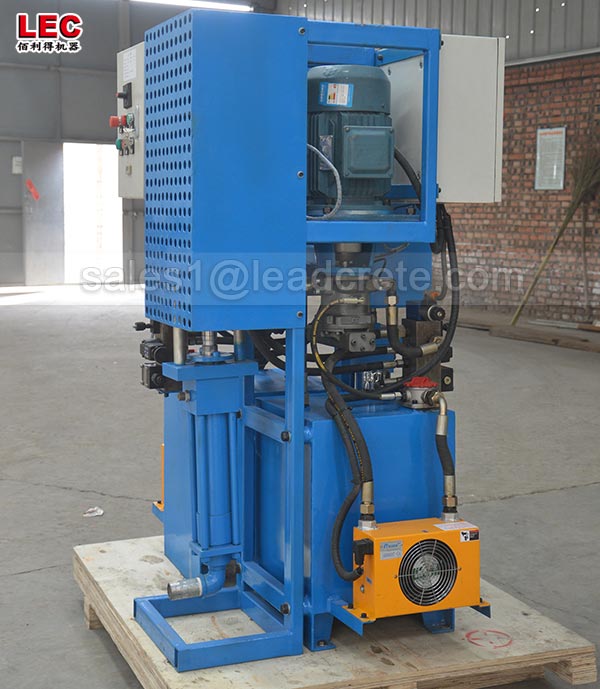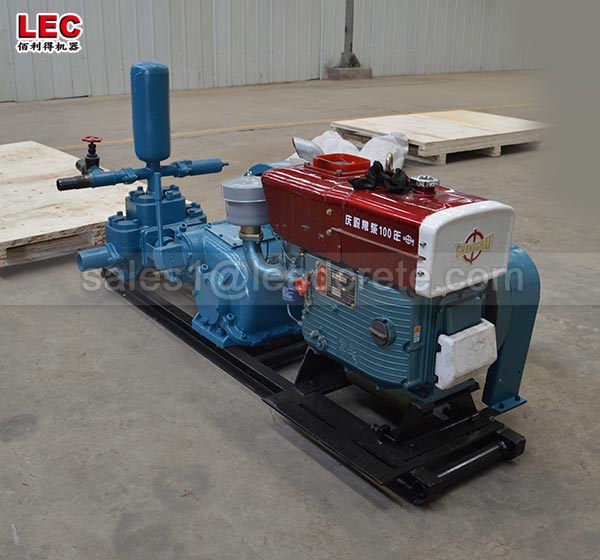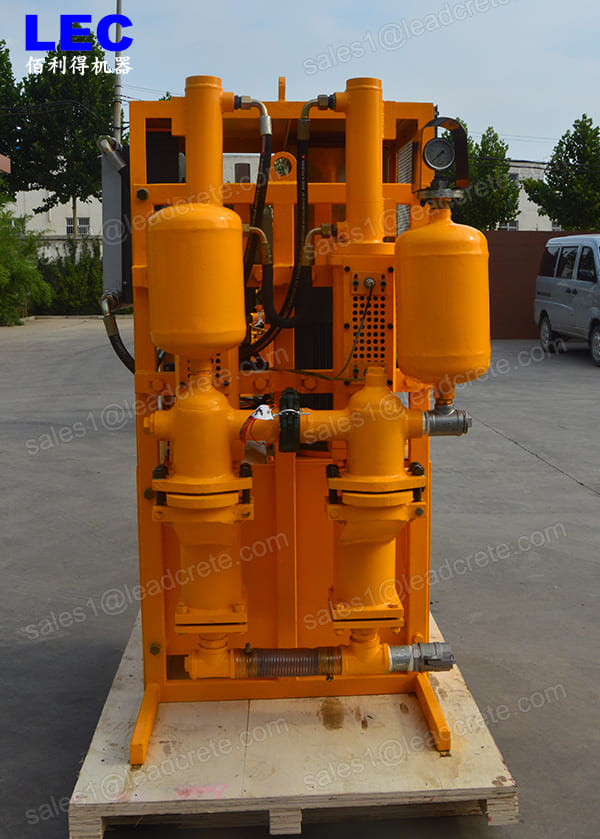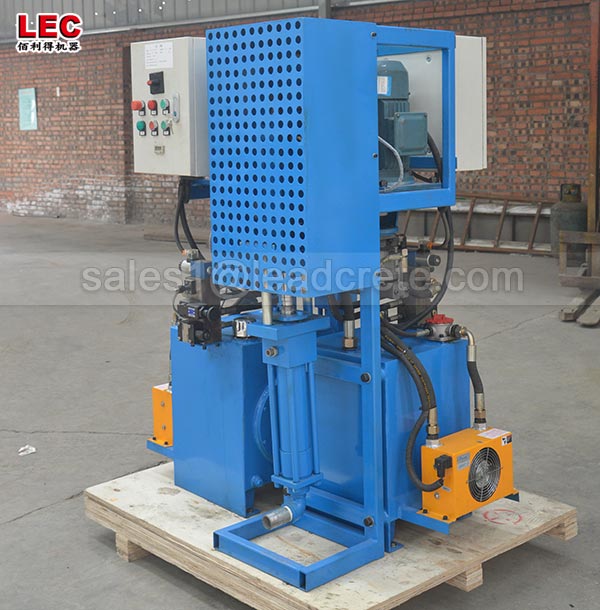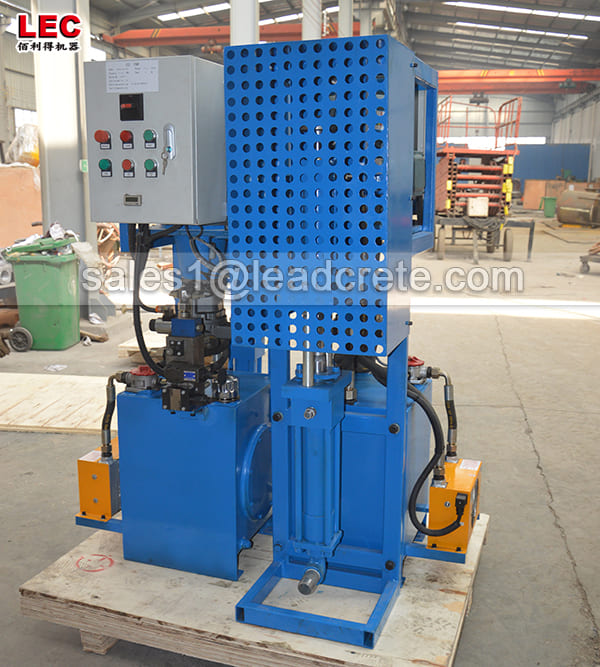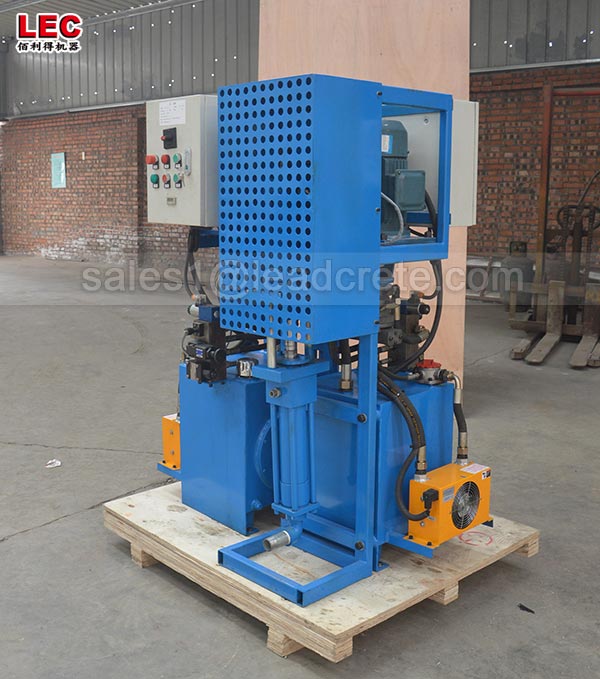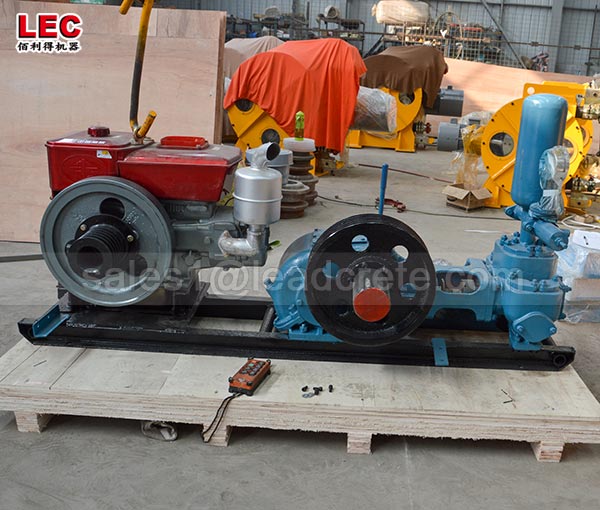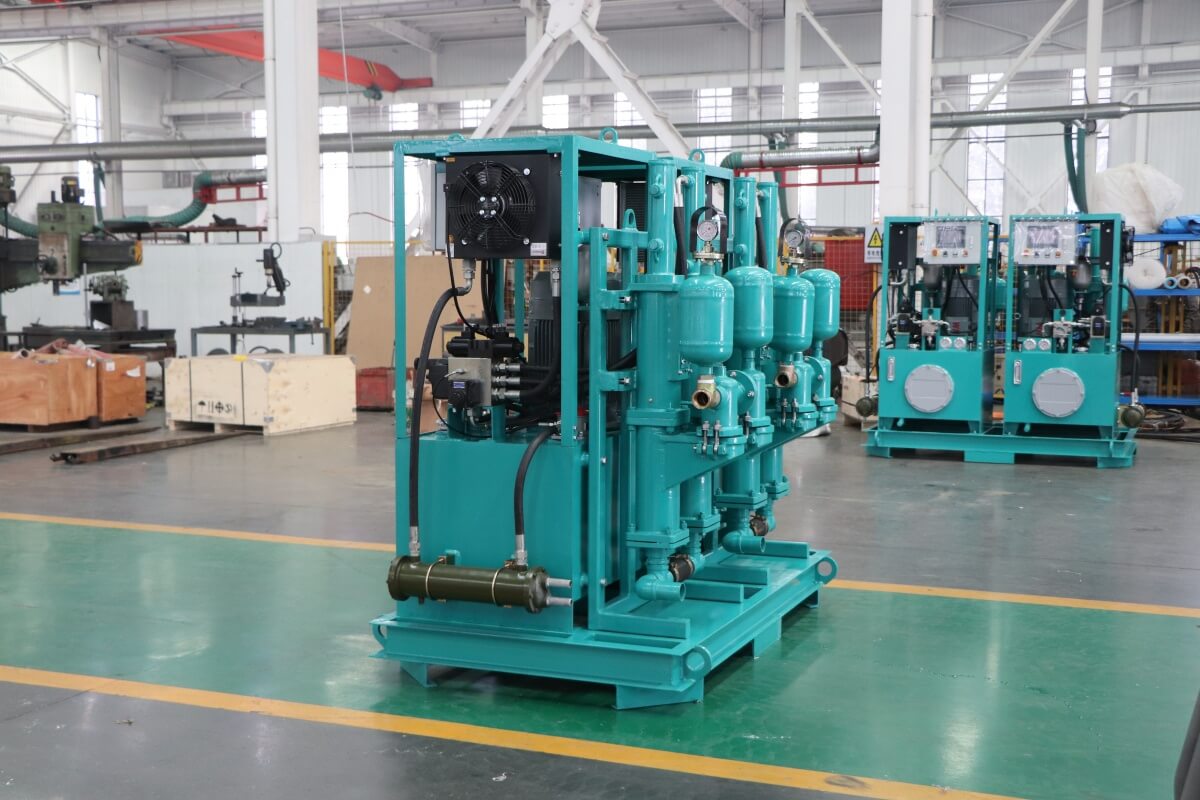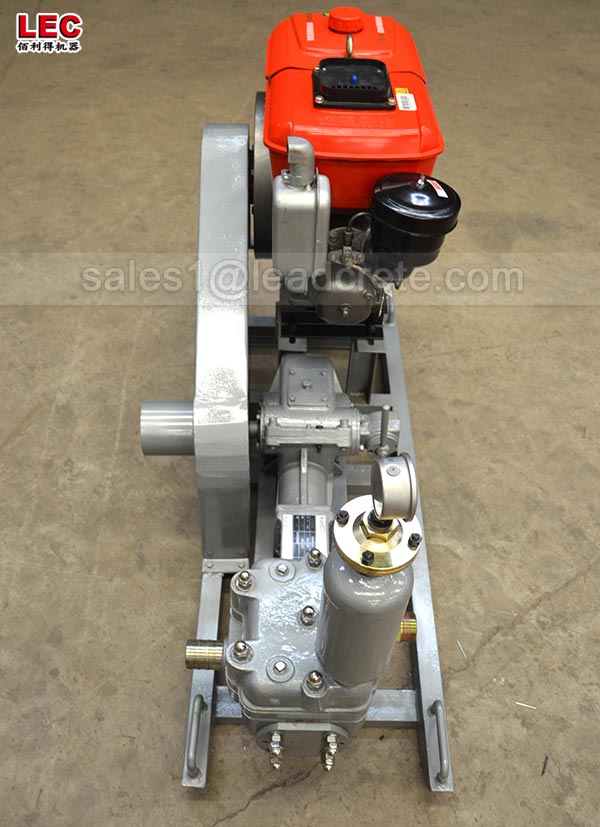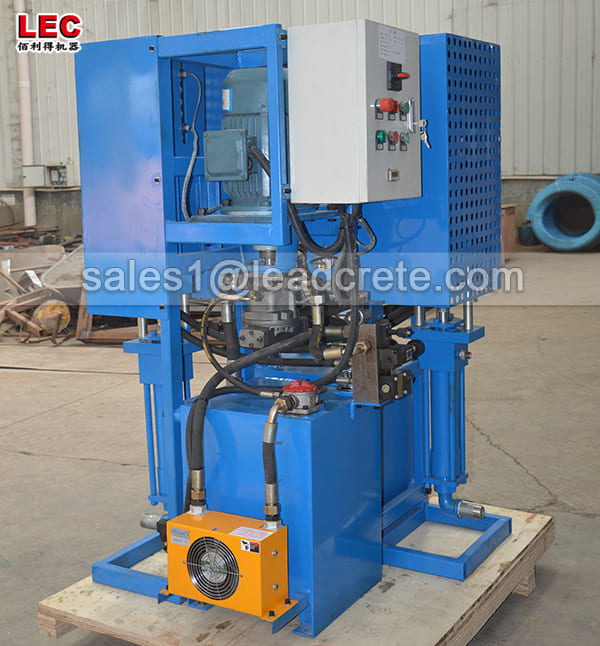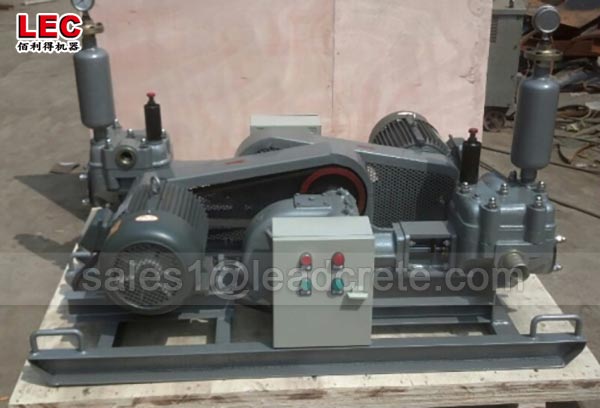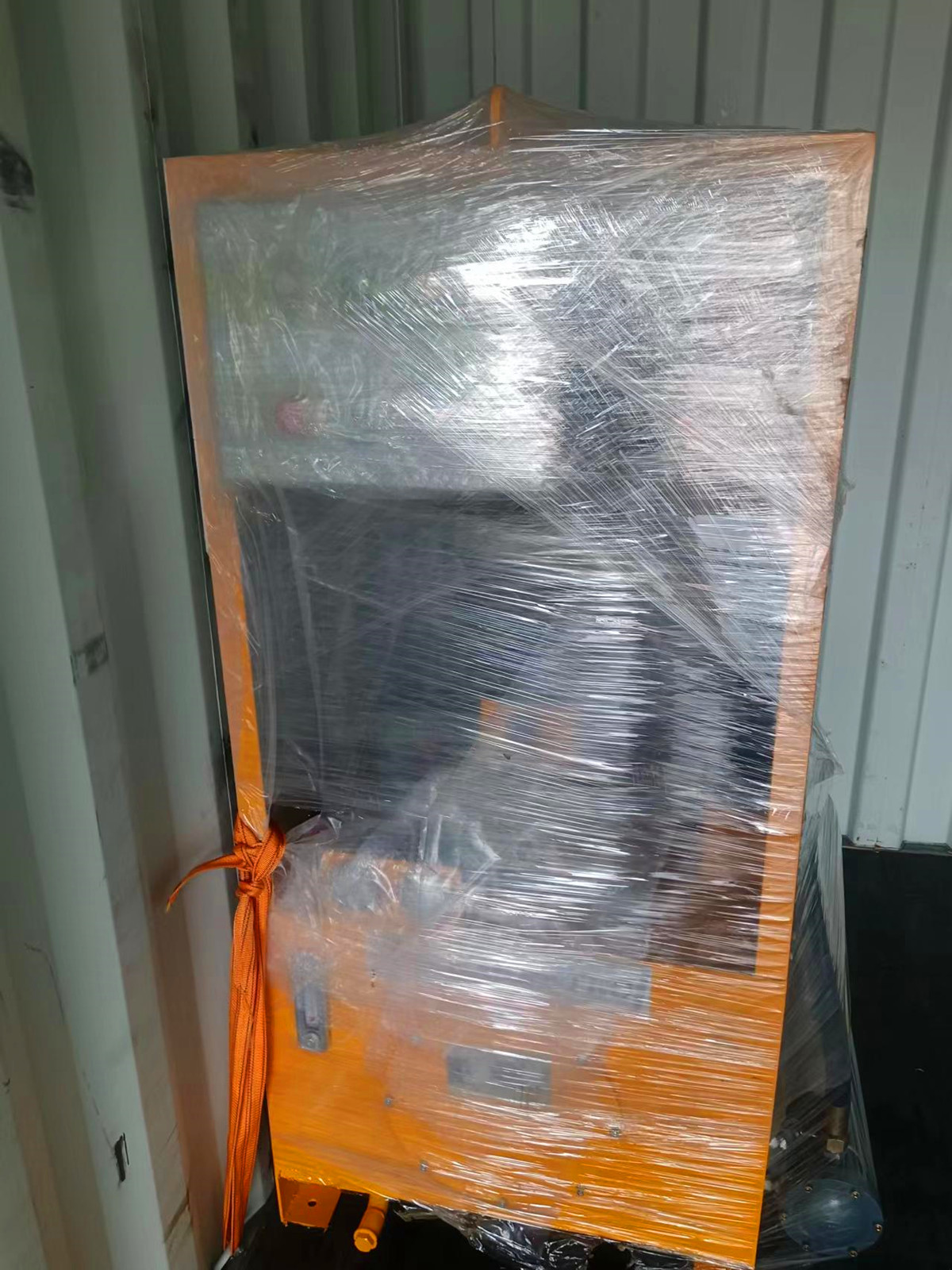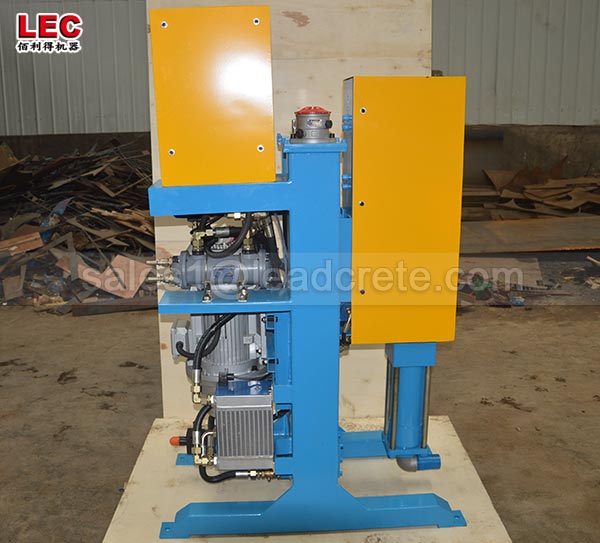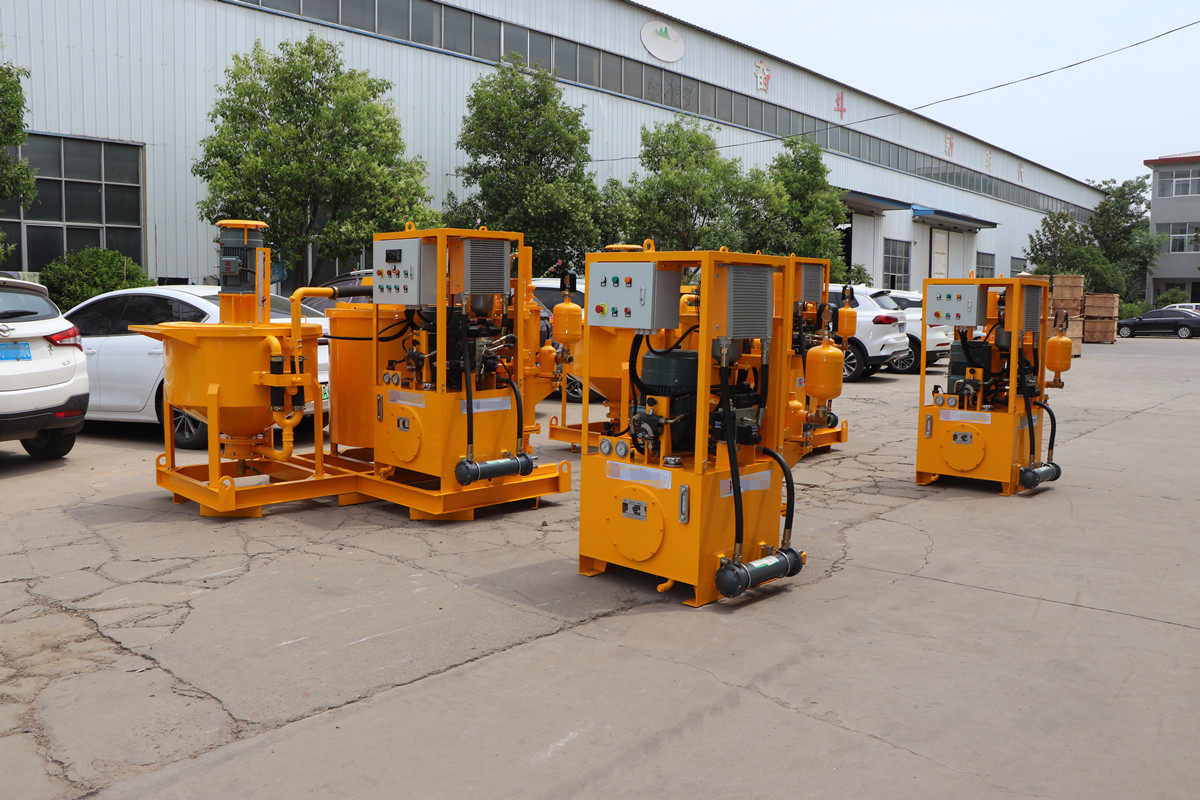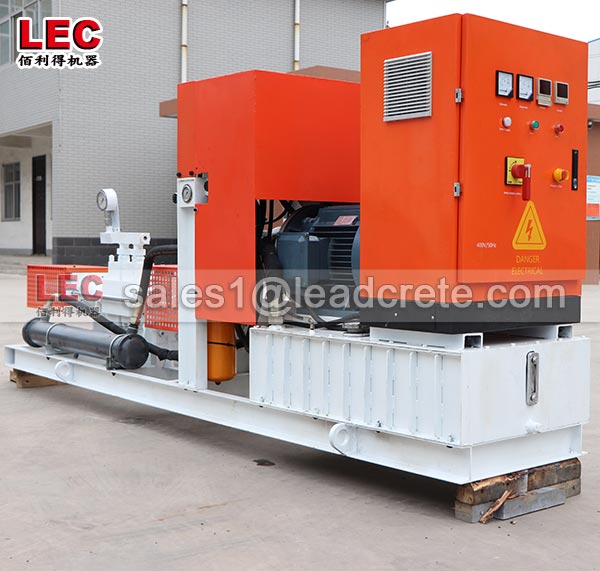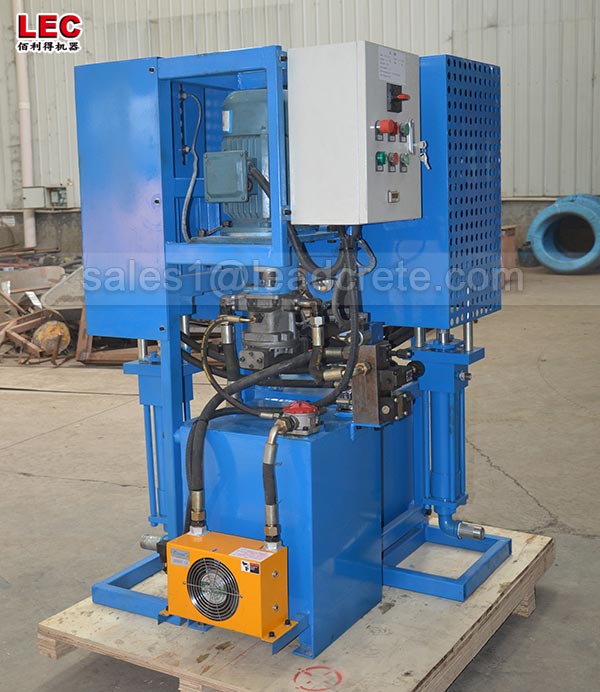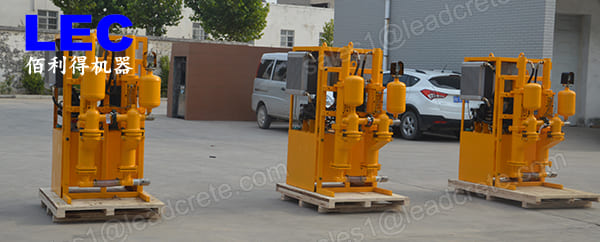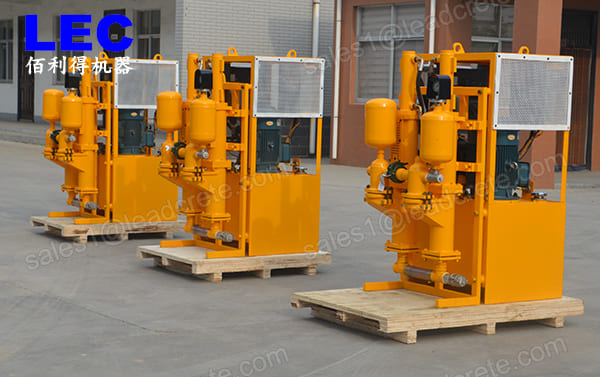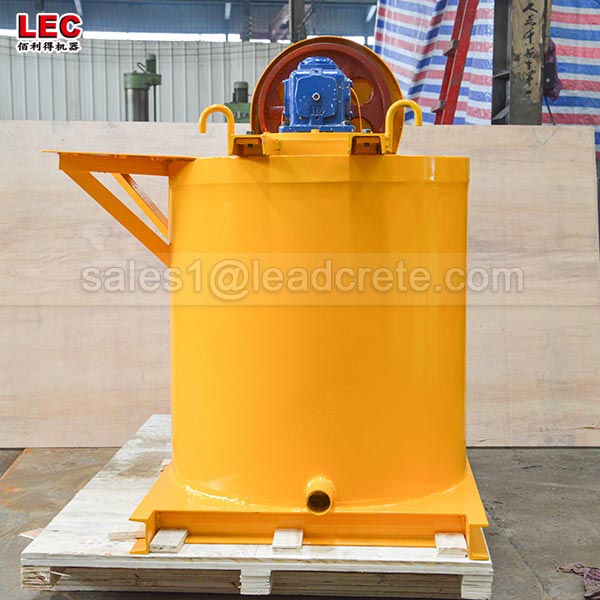
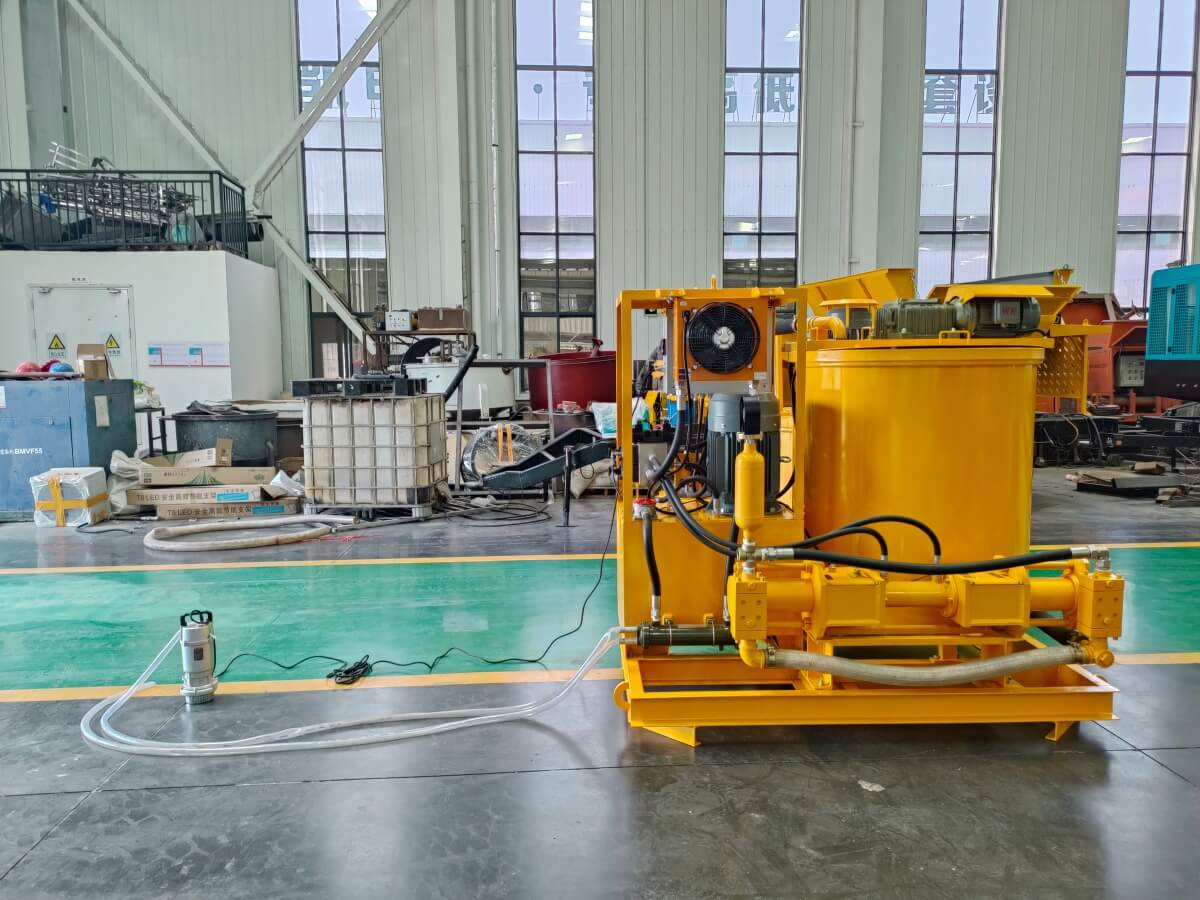
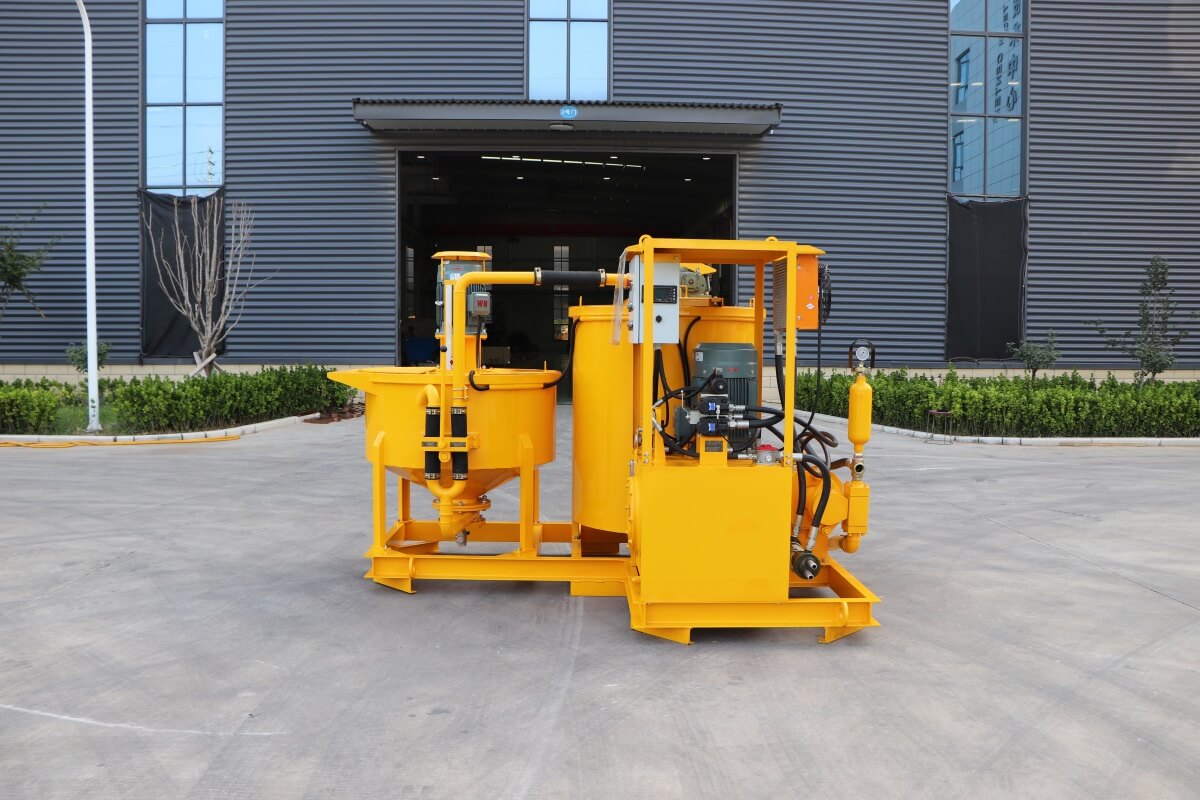
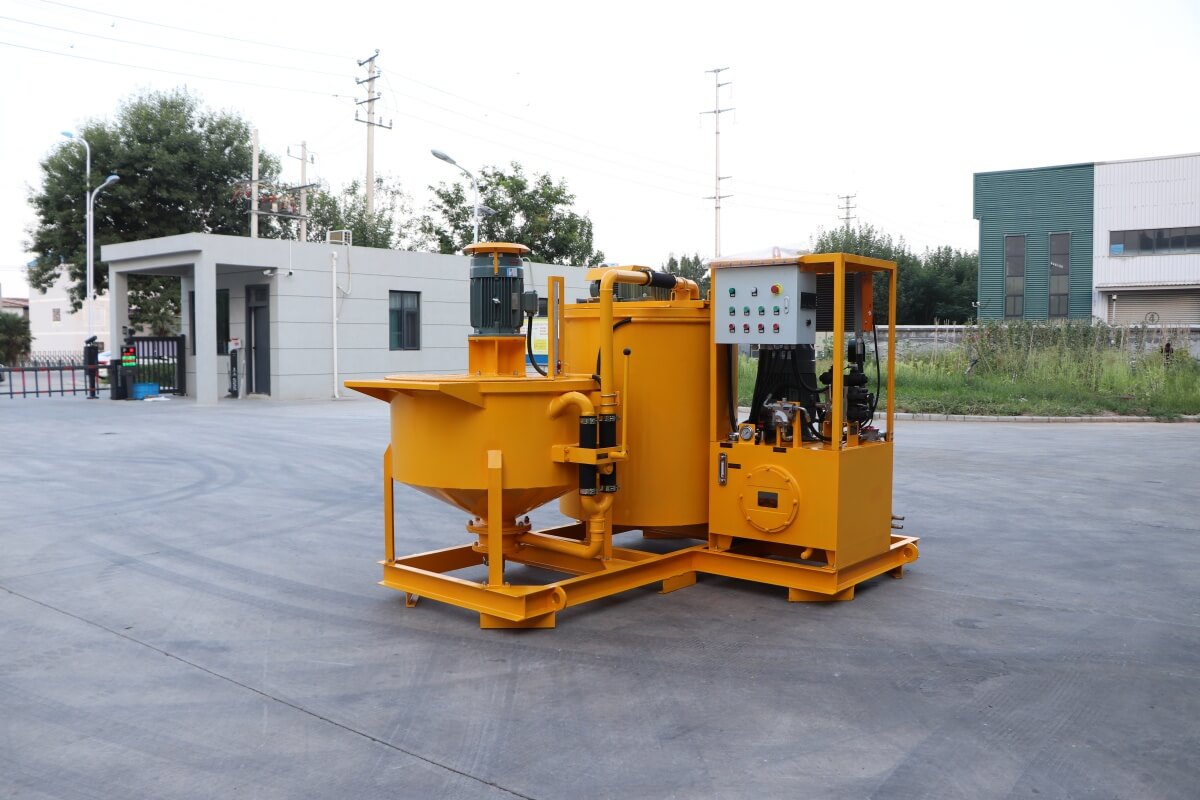
Bentonite Mixing and Grouting Plant
In tunneling, pile foundation, diaphragm wall, and trenchless engineering projects, the preparation of bentonite slurry involves more than simply adding bentonite powder to water. Factors such as the degree of slurry hydration, viscosity stability, continuity of supply, and the precise adjustment of pumping parameters directly impact on-site construction efficiency.
If the slurry production rate fails to keep pace with grouting demands, work may be halted while waiting for the material; inadequate mixing can lead to clumping, sedimentation, and pipeline blockages; and a mismatch between pumping pressure and ground conditions may result in insufficient grout volume, slurry loss, or adverse changes in the geological formation.
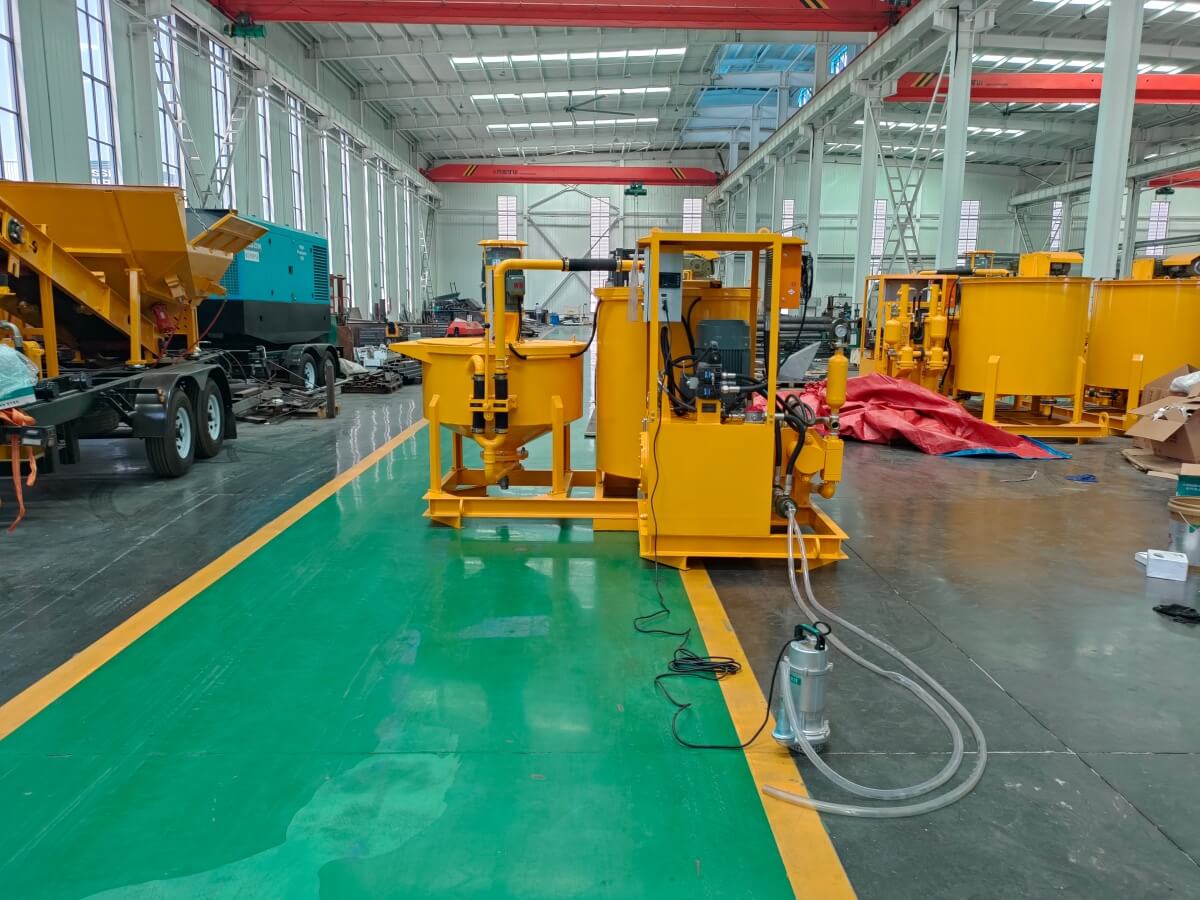
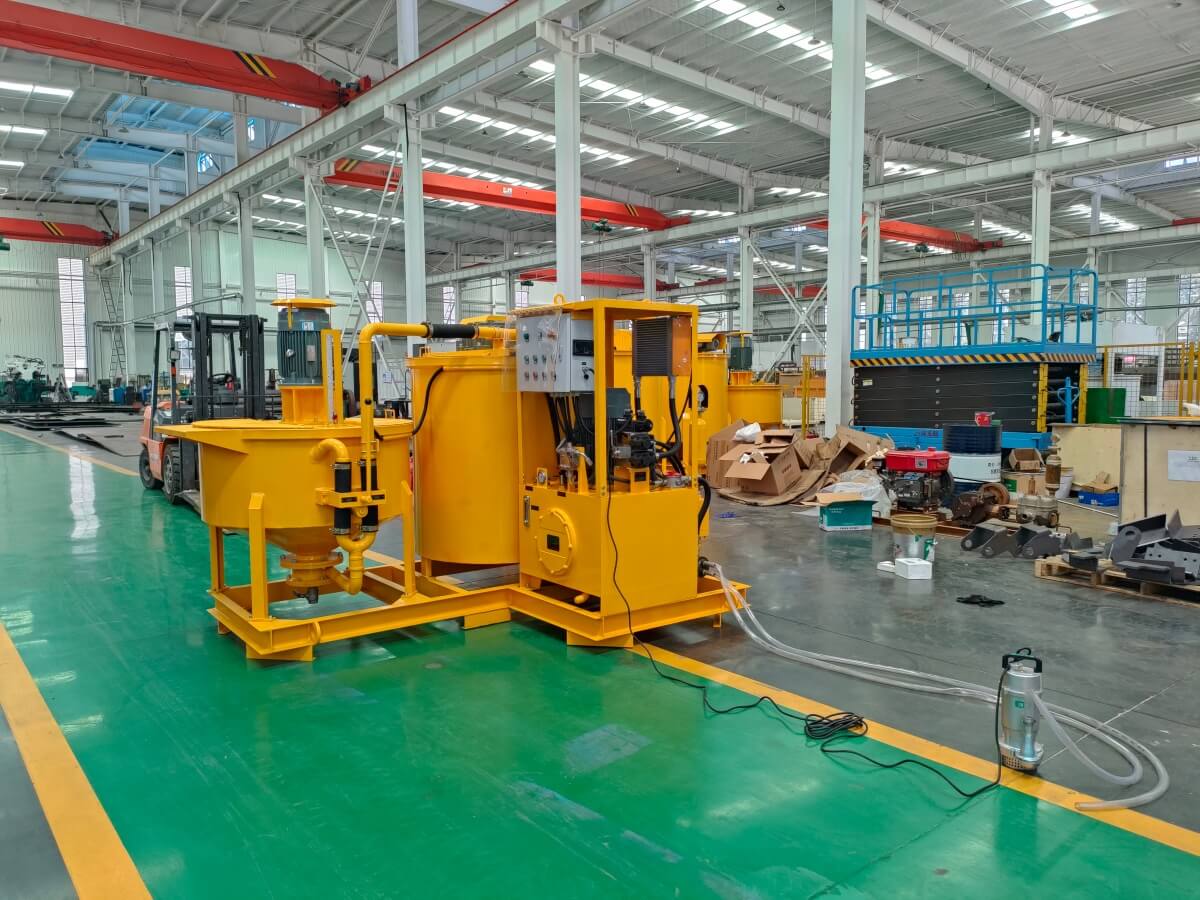
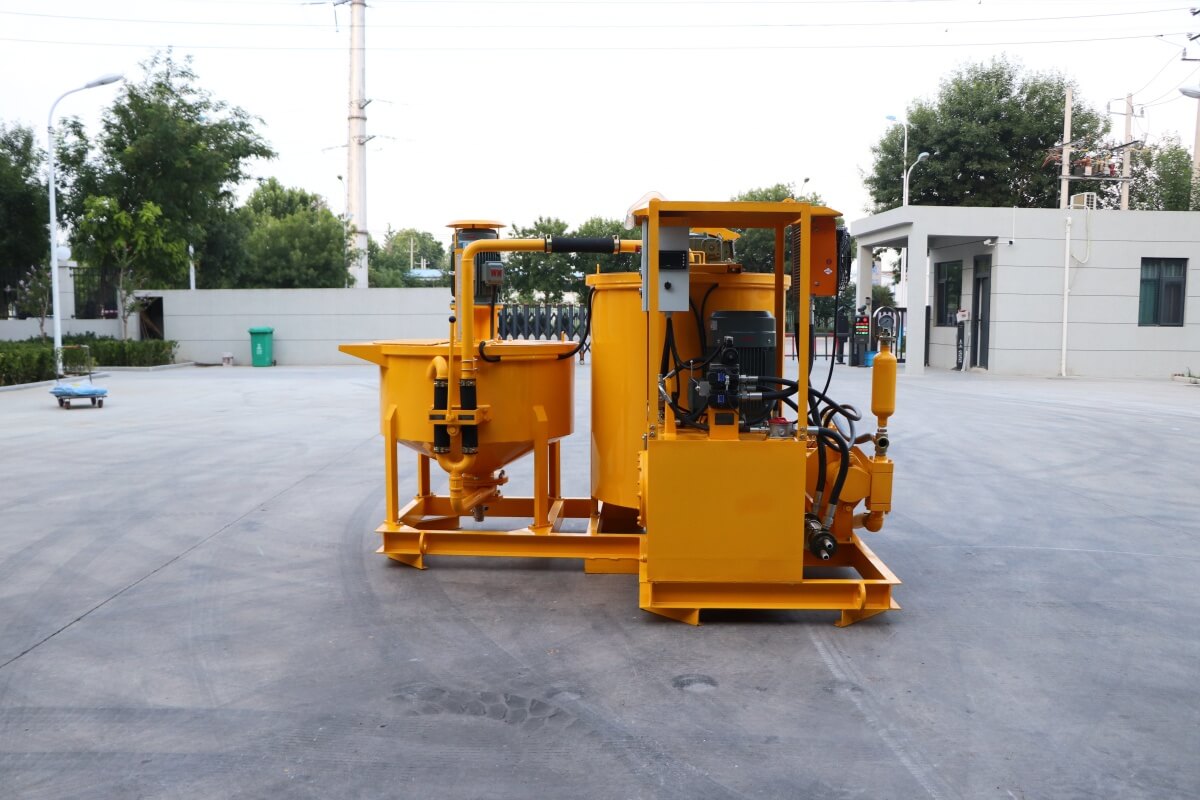
Consequently, an increasing number of construction projects are adopting integrated bentonite mixing and grouting plants. These systems consolidate the preparation, circulation, storage, and pumping of bentonite slurry into a single unit, thereby establishing a more stable and continuous on-site supply process.
The Bentonite Mixing and Grouting Plant is suitable for processes such as pre-grouting, void filling, auxiliary water sealing, shield tunneling, and backfilling behind tunnel segments. In pipe jacking or shield tunneling operations, bentonite slurry also serves as a lubricant, helping to reduce frictional resistance between the pipe wall or shield body and the surrounding soil.
When applied to tunnel projects, key considerations include:
Whether the equipment can pass through tunnel entrances and transport passages;
Whether the mixing and storage systems are suitable for confined spaces;
The required horizontal and vertical pumping distances;
Ease of inspection and cleaning along the pipeline;
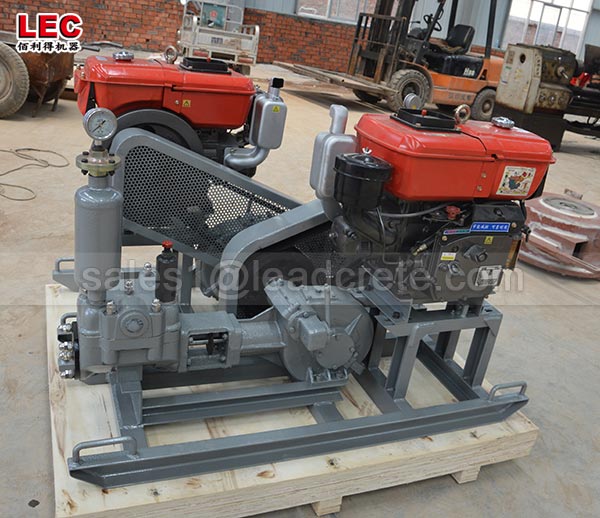
Whether site ventilation is adequate for diesel-powered equipment;
Whether remote monitoring of pressure and flow is required.
If the equipment is installed outside the tunnel, pressure losses due to long-distance transport must be calculated; if located inside the tunnel, priority should be given to a compact design, electric drive, and ease of mobility.
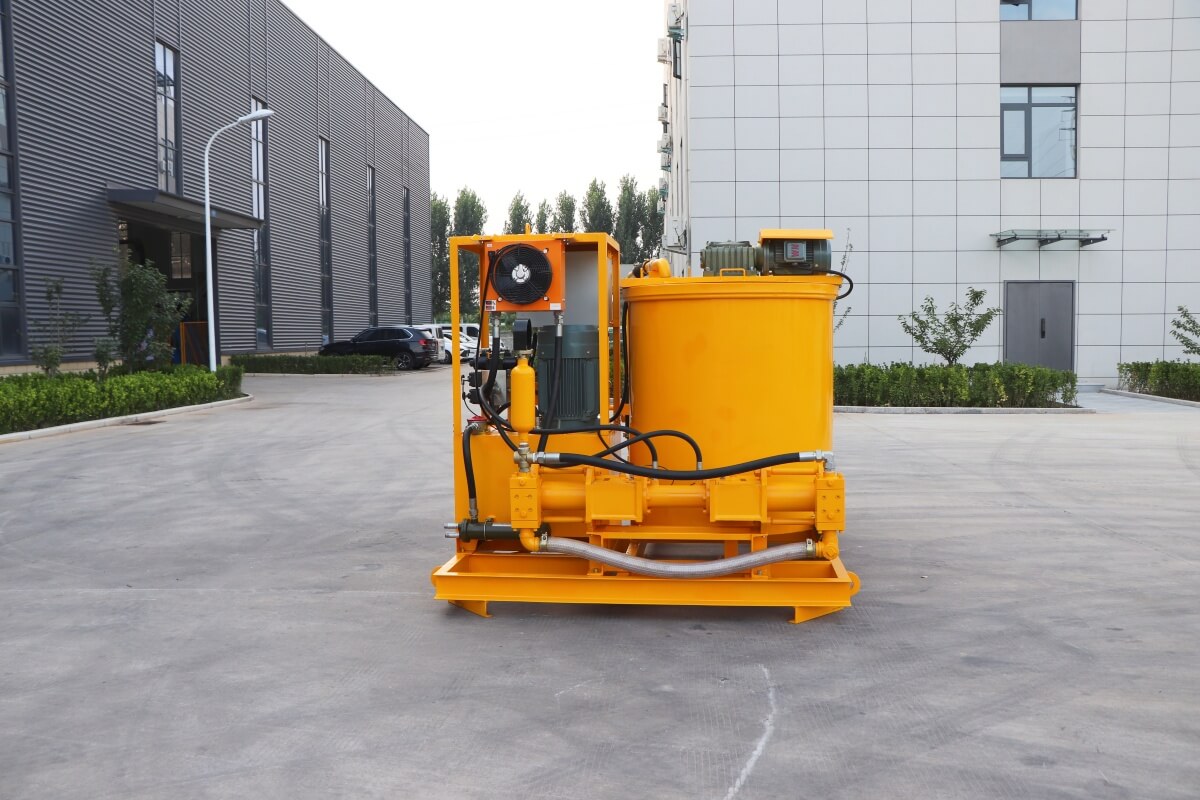
Supporting Foundation and Piling Work
In pile foundation, micropile, and deep foundation projects, bentonite slurry is frequently used for borehole wall stabilization and construction support. The slurry forms a filter cake on the borehole wall and helps maintain stability through hydrostatic pressure.
For diaphragm wall trenching, a stable supply of bentonite slurry is critical. A sudden interruption in supply can cause the fluid level in the trench to drop, increasing the risk of trench wall instability. Therefore, the equipment must possess sufficient mixing capacity and maintain an adequate slurry reserve.
Bentonite slurry can also be used in conjunction with other materials for ground improvement and seepage control. If cement or other solid materials are added to the slurry, parameters such as mixing capacity, particle size, viscosity, and grouting pump suitability must be re-evaluated; equipment settings used for pure bentonite slurry cannot simply be applied directly.
Controlling Pressure and Flow During Injection
Grouting pressure and flow rates must be dynamically adjusted based on ground conditions. A high equipment pressure rating does not imply that high-pressure operation should be used throughout the entire process.
In the initial stage of grouting, a lower flow rate and appropriate pressure are typically used to allow the slurry to gradually penetrate the target area. As the ground’s slurry absorption rate changes, operators can adjust pumping parameters based on pressure curves, cumulative injection volume, and slurry return conditions. Pay attention to the following anomalies during the grouting process:
Pressure continues to rise while the grout injection rate drops significantly;
Pressure drops suddenly while grout intake increases rapidly;
Grout surfaces at adjacent boreholes or on the ground;
Abnormal drop in the grout storage tank level;
Severe vibration in the pump body or delivery lines;
Significant changes in grout temperature, density, or viscosity.
These phenomena may be linked to pipeline blockages, changes in subsurface flow paths, abnormal grout mix ratios, or insufficient material intake by the equipment. Upon detecting an anomaly, first inspect the condition of the equipment and pipelines, then adjust the construction plan based on site-specific geological conditions.
Reducing Material Waste and Cleaning Time
Bentonite grout is inherently adhesive; if the system is not cleaned promptly after shutdown, residual grout may adhere to the interior surfaces of tanks, valves, pump chambers, and pipelines. The longer the residue remains, the more difficult it becomes to clean.
To minimize material waste and maintenance time, the following measures can be implemented on-site:
Schedule grout production batches based on actual consumption needs;
Avoid preparing excessive amounts that remain unused for extended periods;
Utilize remaining grout in the storage tank before shutting down;
Maintain low-speed agitation during brief work stoppages;
Perform a circulation flush immediately after each work shift;
Regularly inspect pipeline elbows, valves, and areas prone to sediment buildup;
Replace seals and pumping components based on wear and tear.
Properly planning the volume of the final grout batch reduces the amount of leftover grout at the end of the day, thereby easing the burden of subsequent cleaning and waste grout disposal.
What Information Is Needed Before Equipment Selection?
To configure the appropriate Bentonite Mixing and Grouting Plant, equipment suppliers need more than just the desired mixing tank capacity. Comprehensive project information helps determine the optimal specifications for the mixing, storage, and pumping modules. We recommend providing the following information in advance:
Specific type of project;
Bentonite slurry formula;
Water-to-powder ratio and target slurry density;
Required hourly and daily slurry volumes;
Required flow rate and pressure for the grouting pump;
Horizontal and vertical conveying distances;
Borehole depth and pipeline inner diameter;
Whether the slurry contains cement, sand, or other materials;
On-site voltage, frequency, and power supply conditions;
Equipment installation space and transport dimension limits;
Requirements for automation and construction data logging.
If some parameters are not yet determined, you may provide project drawings, geological conditions, and construction objectives first, and our equipment engineers will assist with the analysis.
Leadcrete Equipment specializes in slurry preparation, mixing, and grouting equipment. We can configure various types of Bentonite Mixing and Grouting Plants tailored to the specific conditions of tunneling, foundation, drilling, diaphragm wall, and trenchless projects.
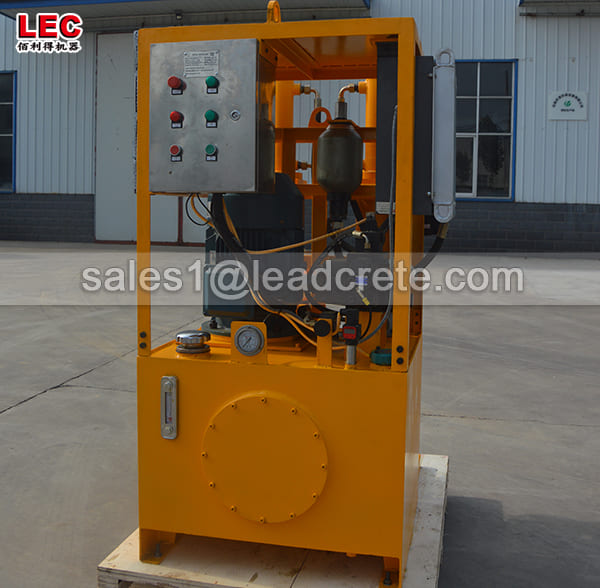
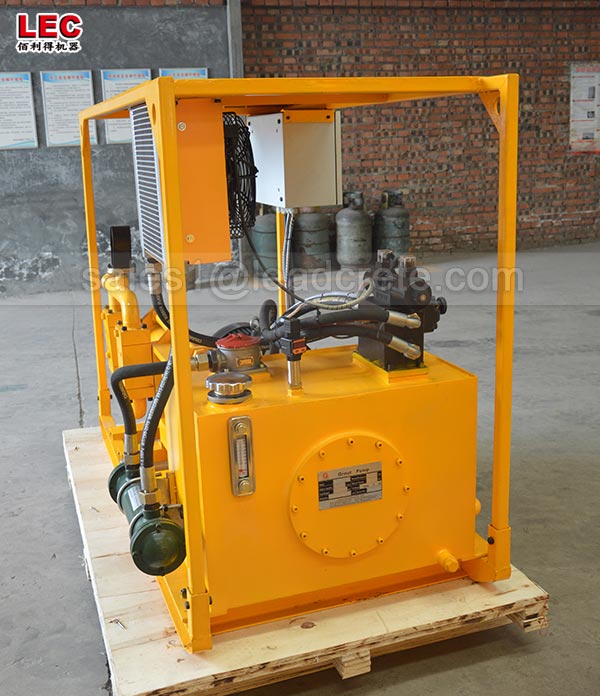
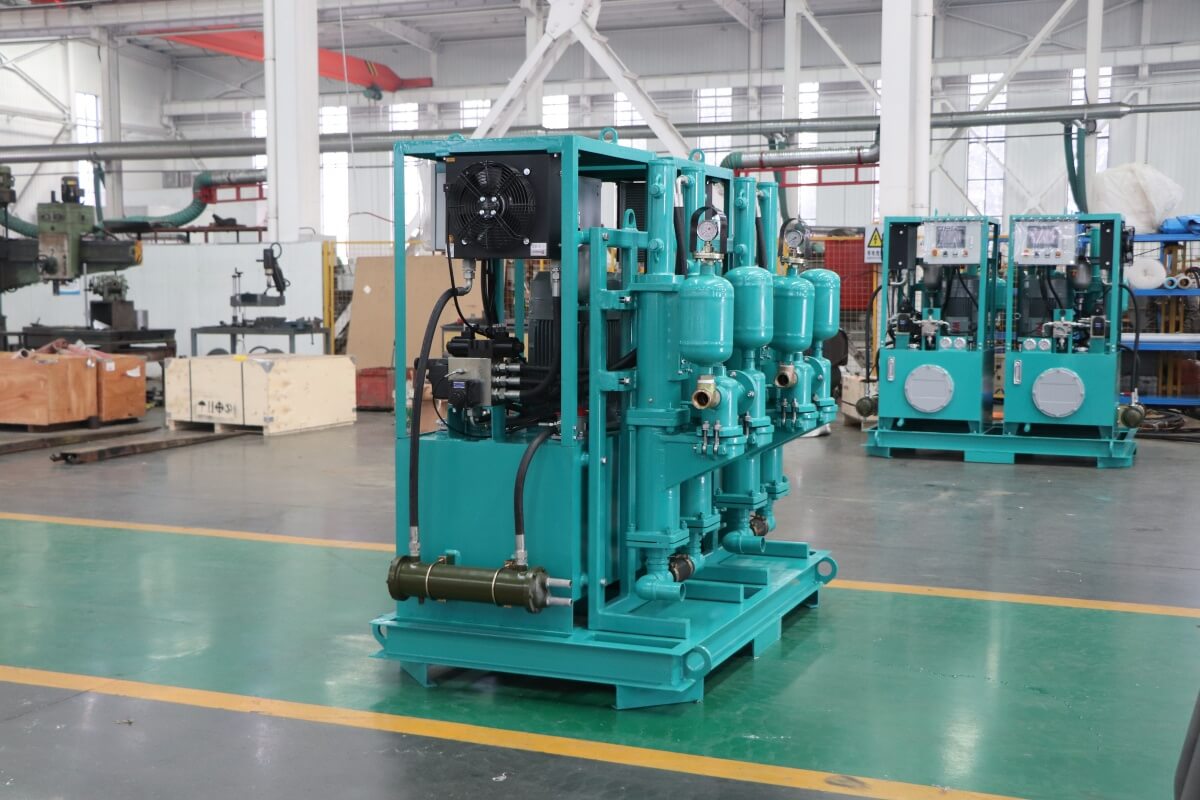
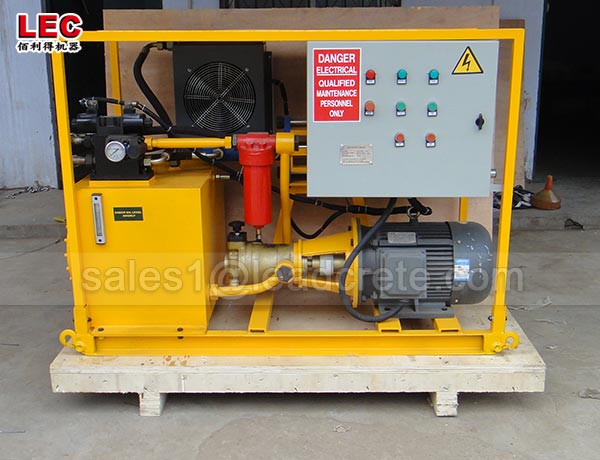
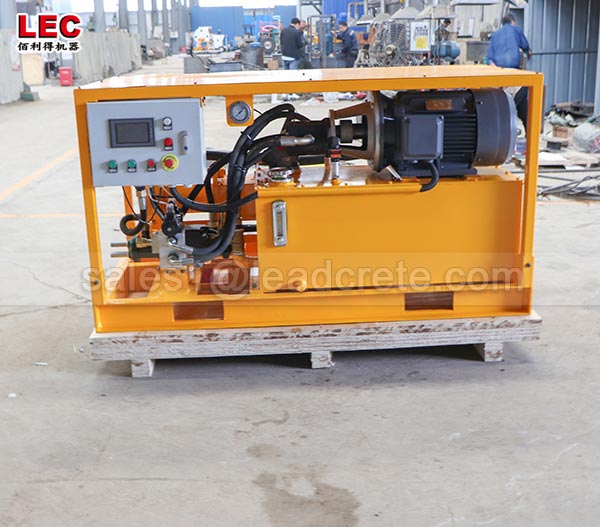
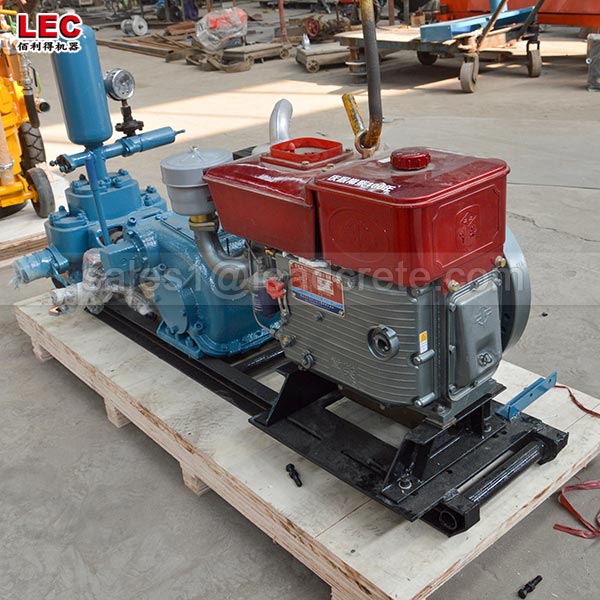
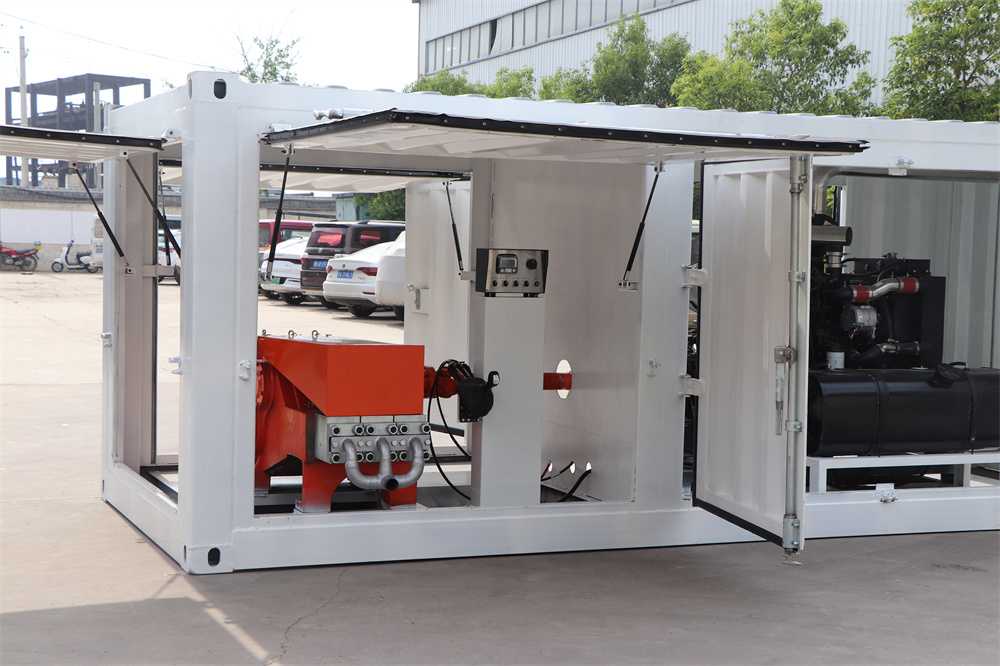
Equipment options include high-speed colloidal mixers, low-speed storage agitators, and adjustable-flow grouting pumps of various capacities. Configurations can also be customized based on the construction environment to include electric or diesel power, PLC control, automatic water metering, pressure and flow monitoring, and grouting data logging functions.
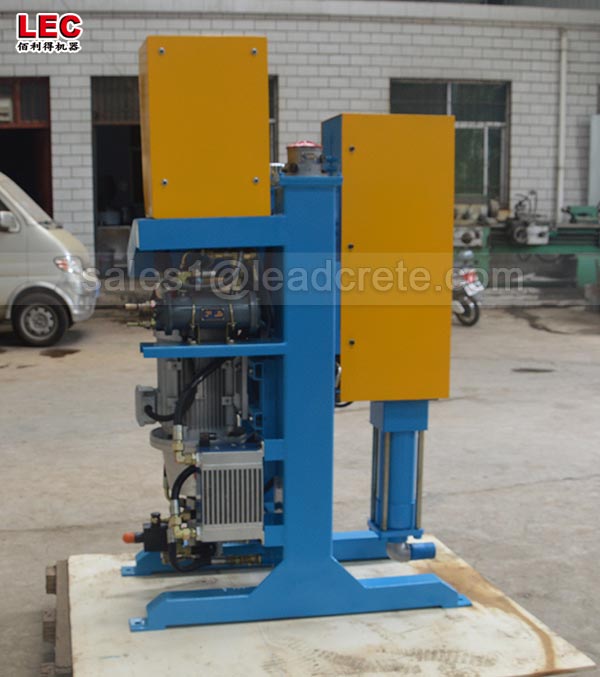
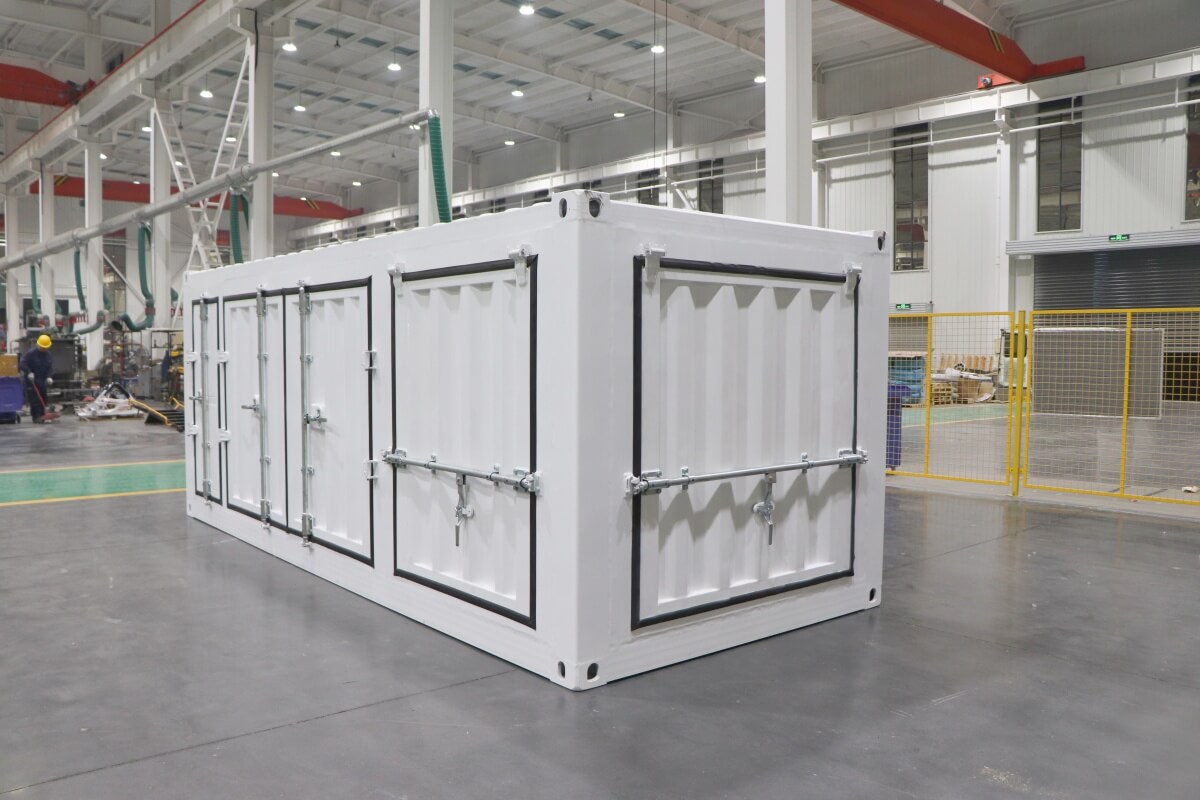
For projects with space constraints or requirements for frequent relocation, the equipment can be designed with compact, skid-mounted, trailer-mounted, or containerized structures. By optimally matching slurry preparation capacity, storage volume, and grouting pump performance, Leadcrete Equipment provides solutions that best meet on-site requirements for diverse engineering projects.
The key to selecting a Bentonite Mixing and Grouting Plant lies not merely in pursuing larger capacities or higher pressures, but in establishing a continuous operation system that aligns with slurry properties, construction speed, and geological conditions. An appropriate equipment configuration minimizes downtime, reduces the risk of clogging, and enables the construction team to maintain consistent control over slurry quality and the grouting process.