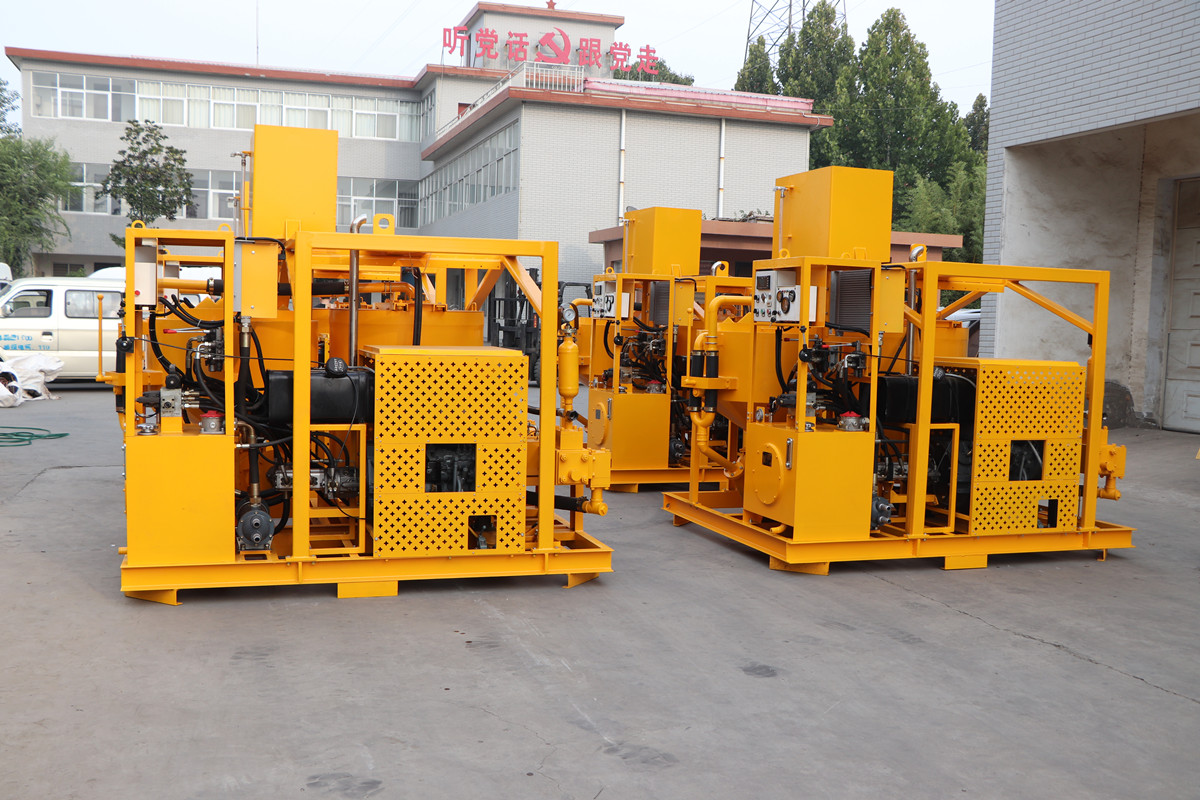
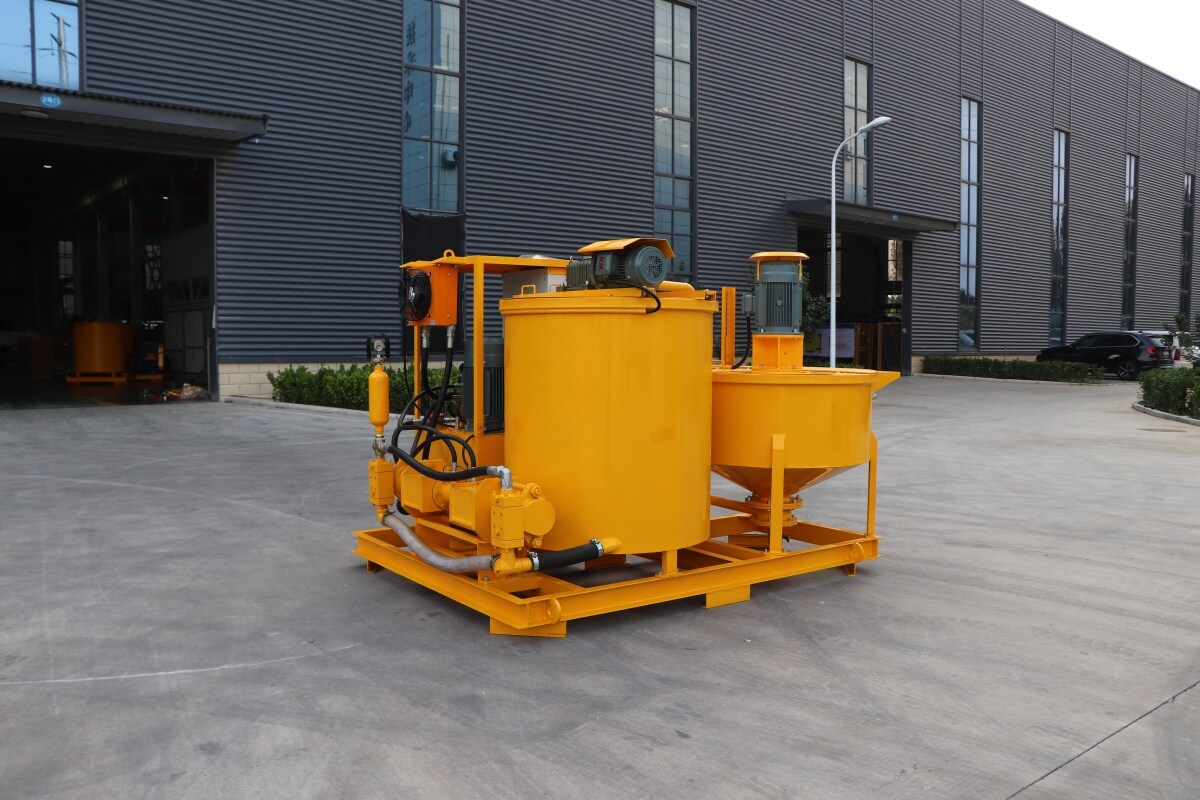
Bentonite plant for diaphragm wall
Bentonite plants for diaphragm walls are widely used in projects such as subway stations, basements, deep excavation pits, underground passageways, and large-scale foundations. During the trench excavation process, the stability of the trench walls directly impacts both construction quality and safety. A stable and continuous supply of bentonite slurry is particularly crucial when working in loose soil layers, areas with high groundwater levels, or complex geological conditions.
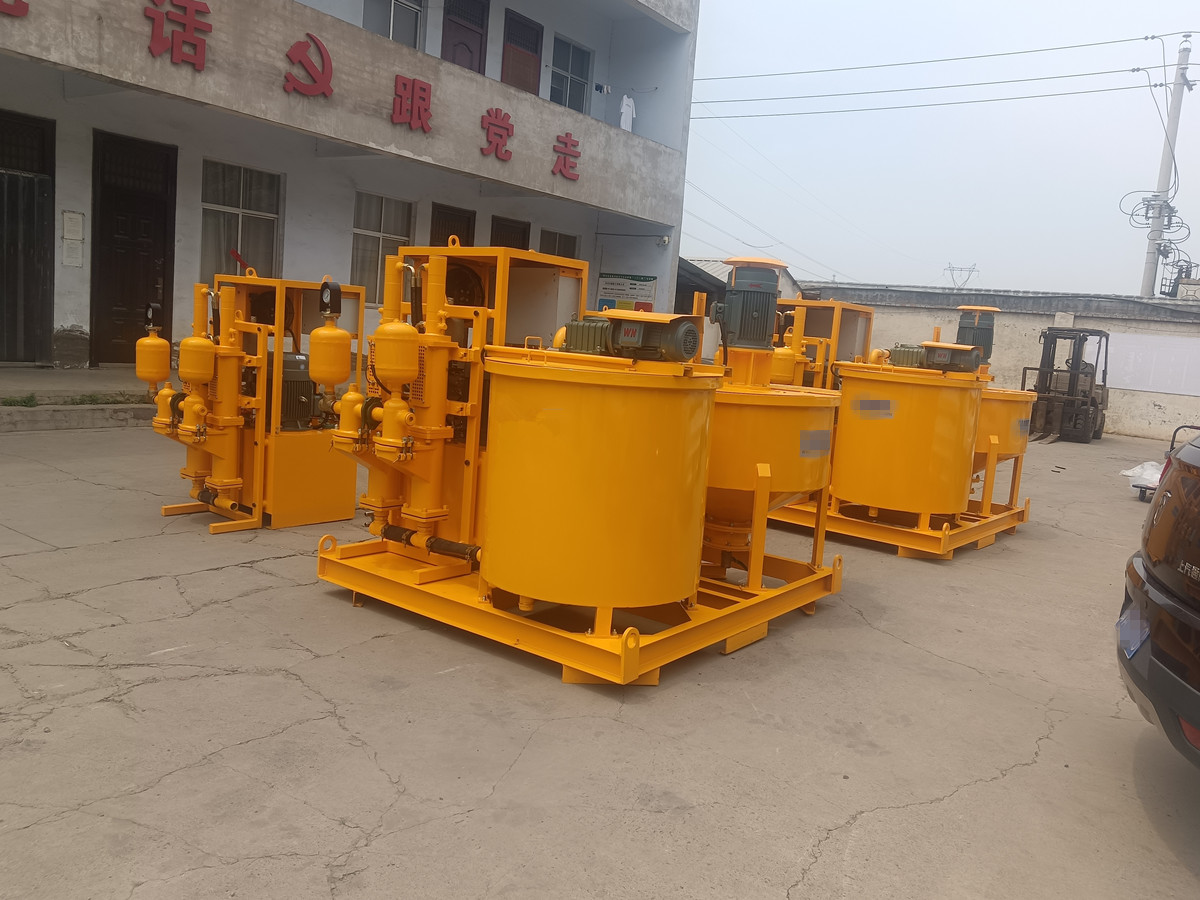
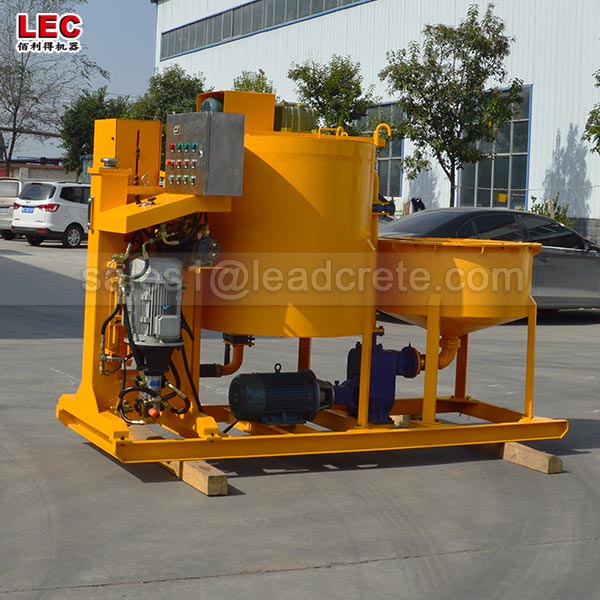
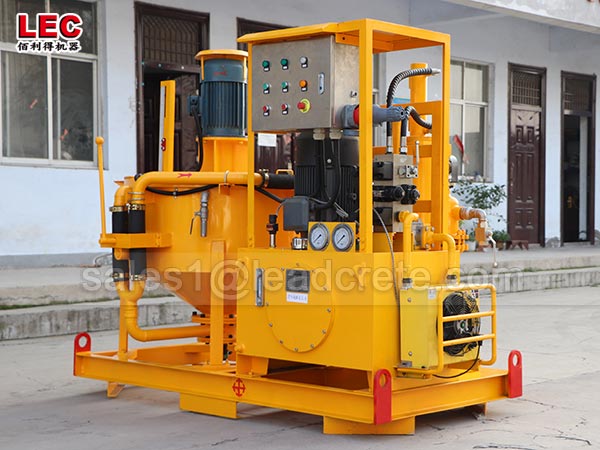
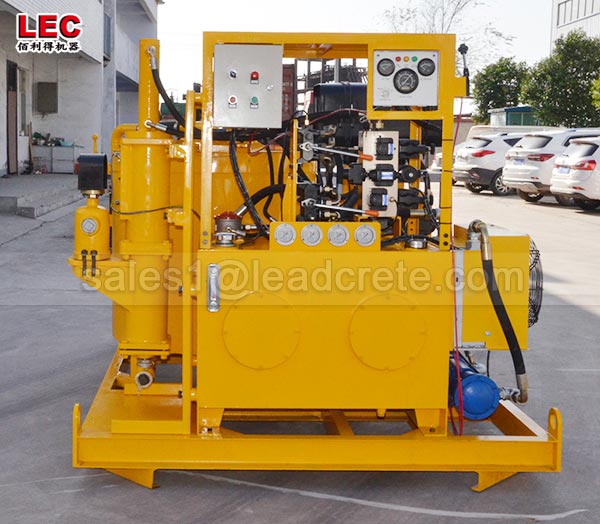
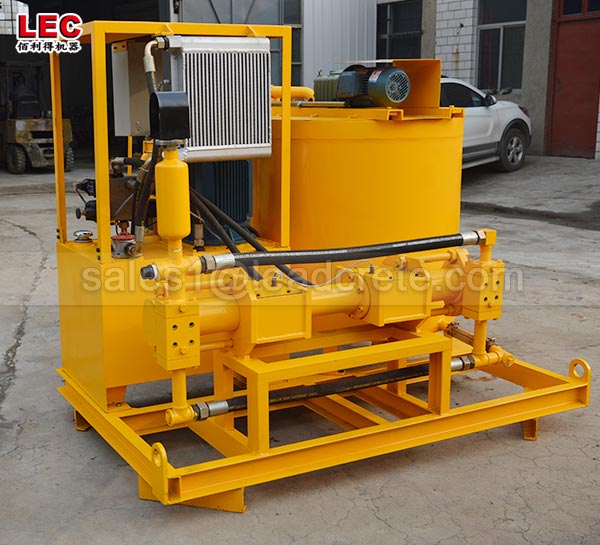
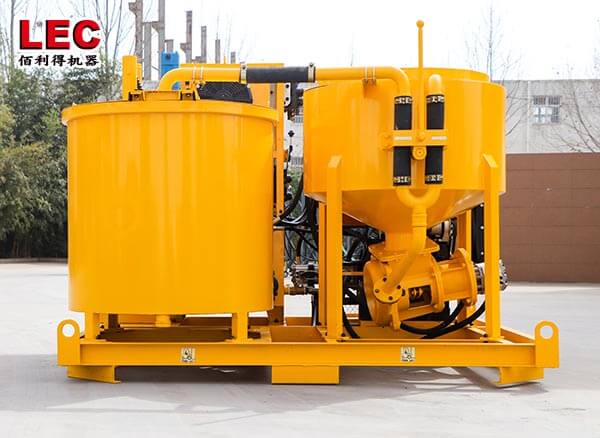
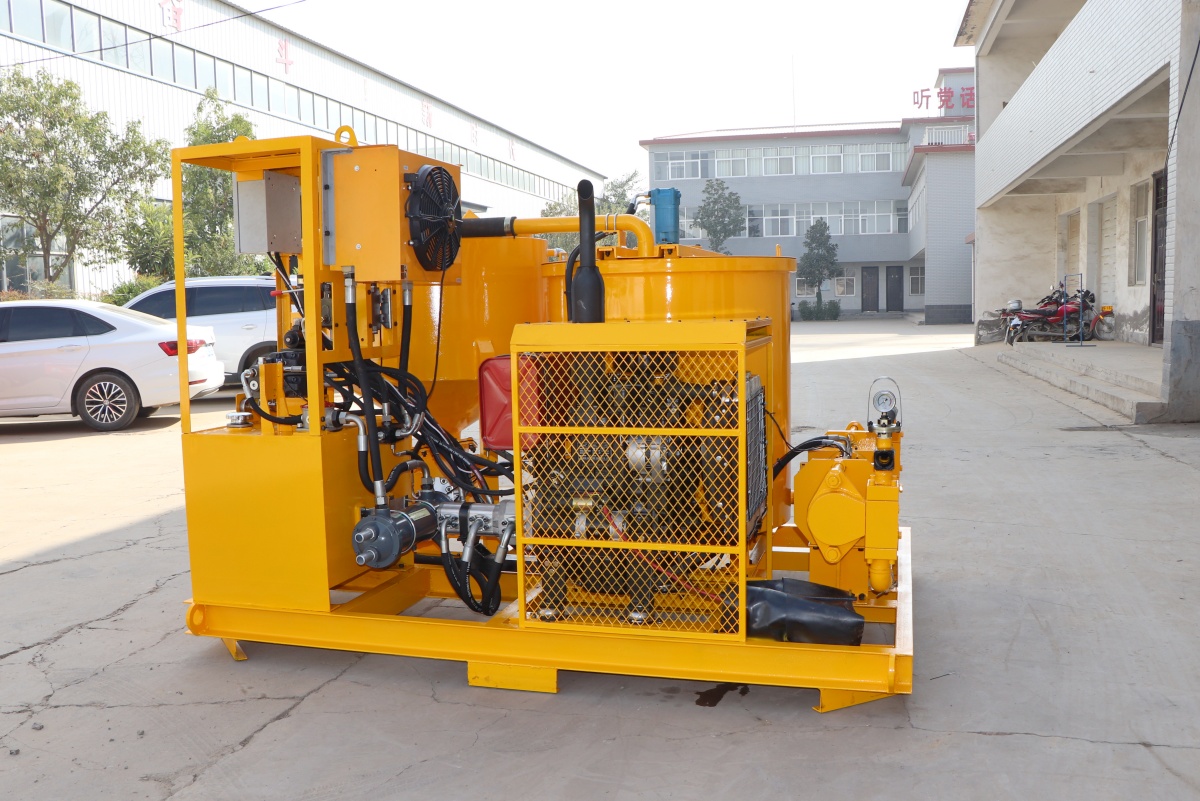
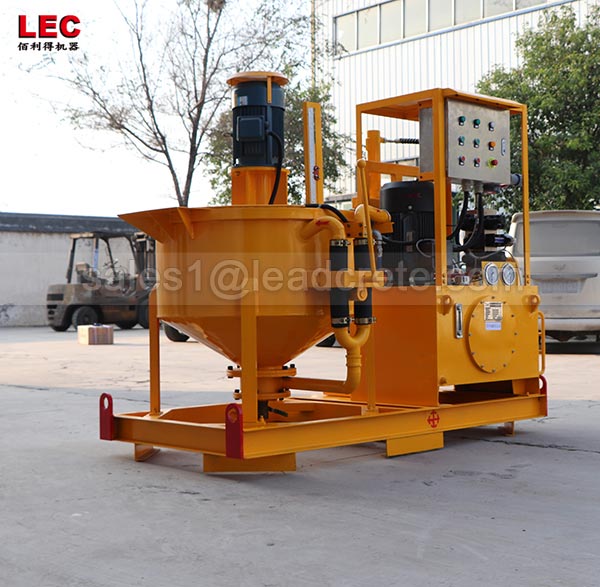
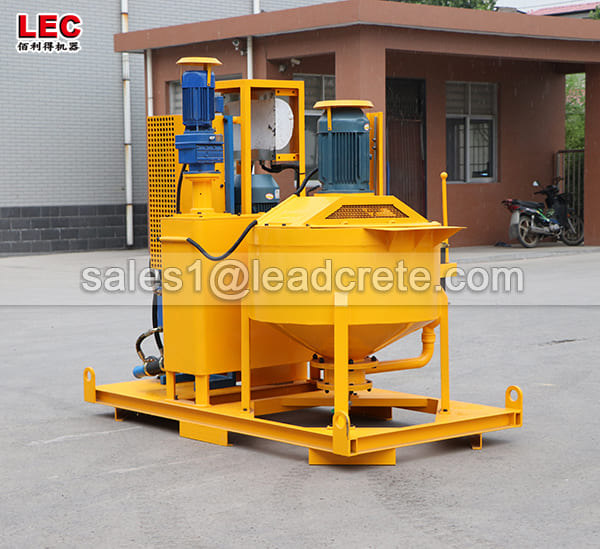
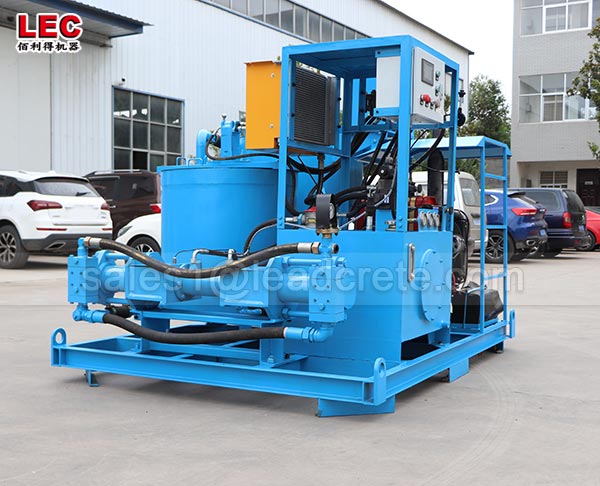
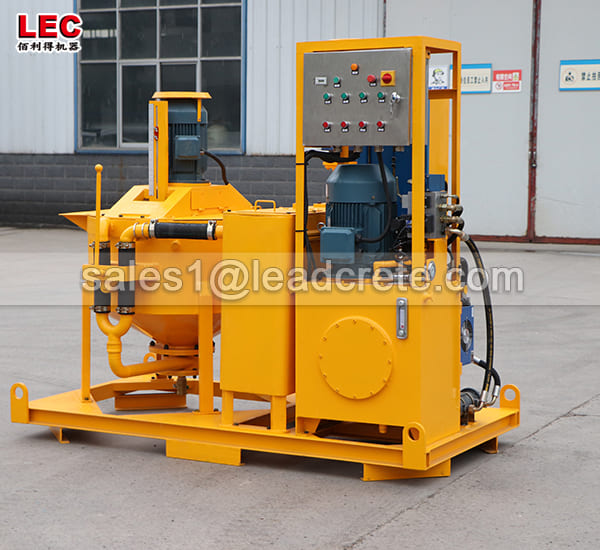
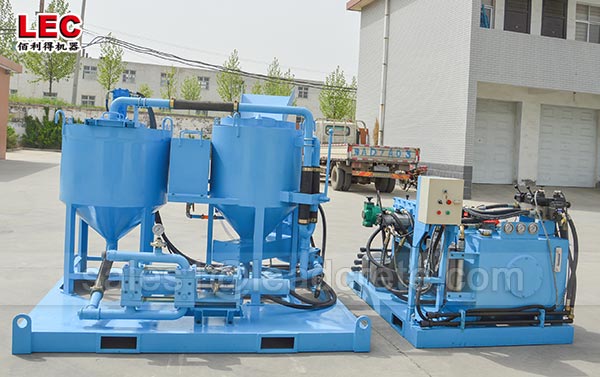
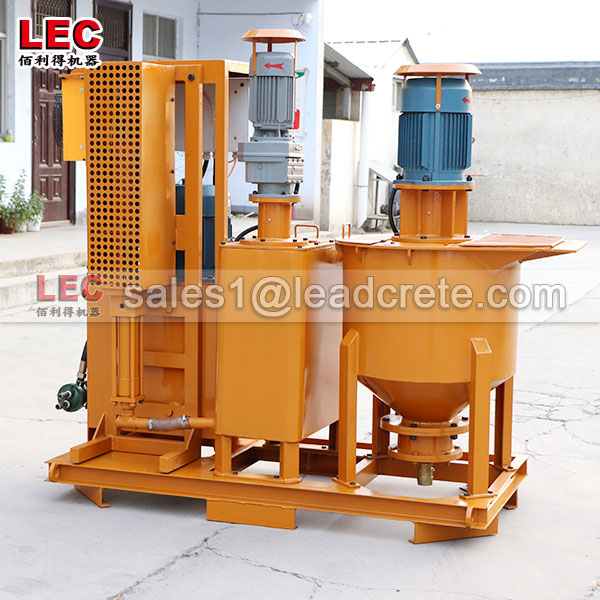
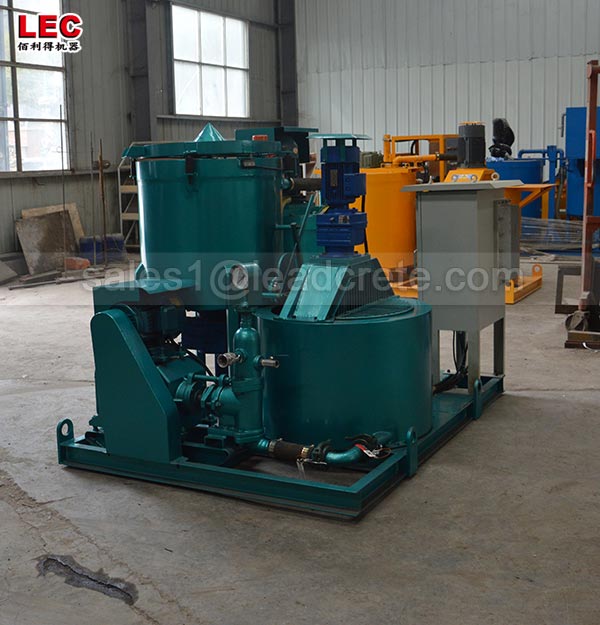
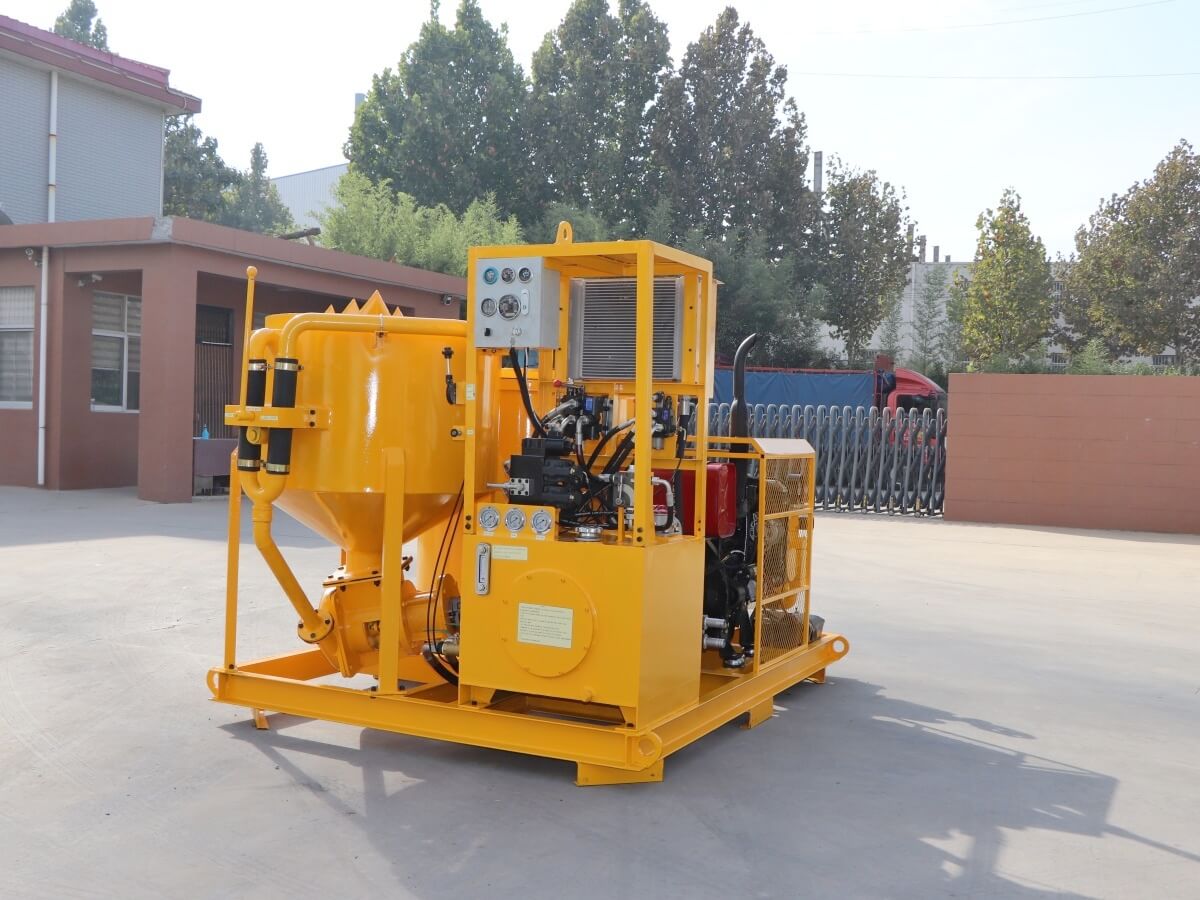
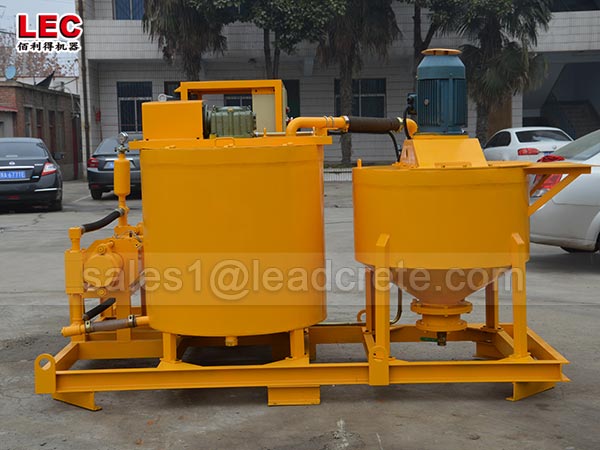
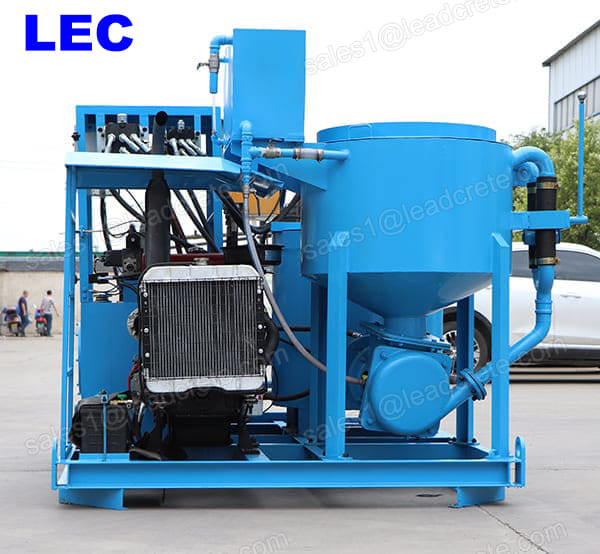
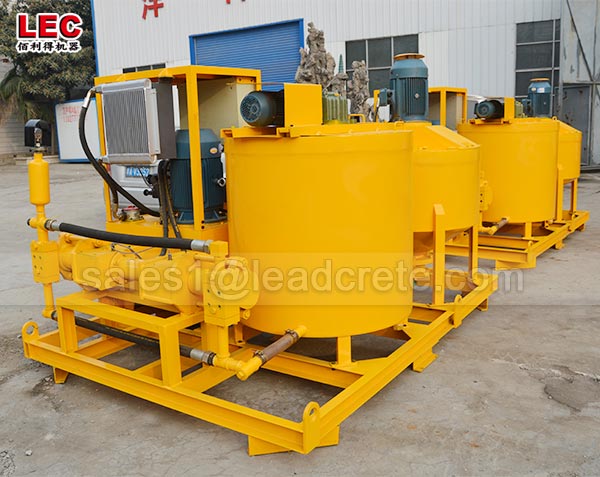
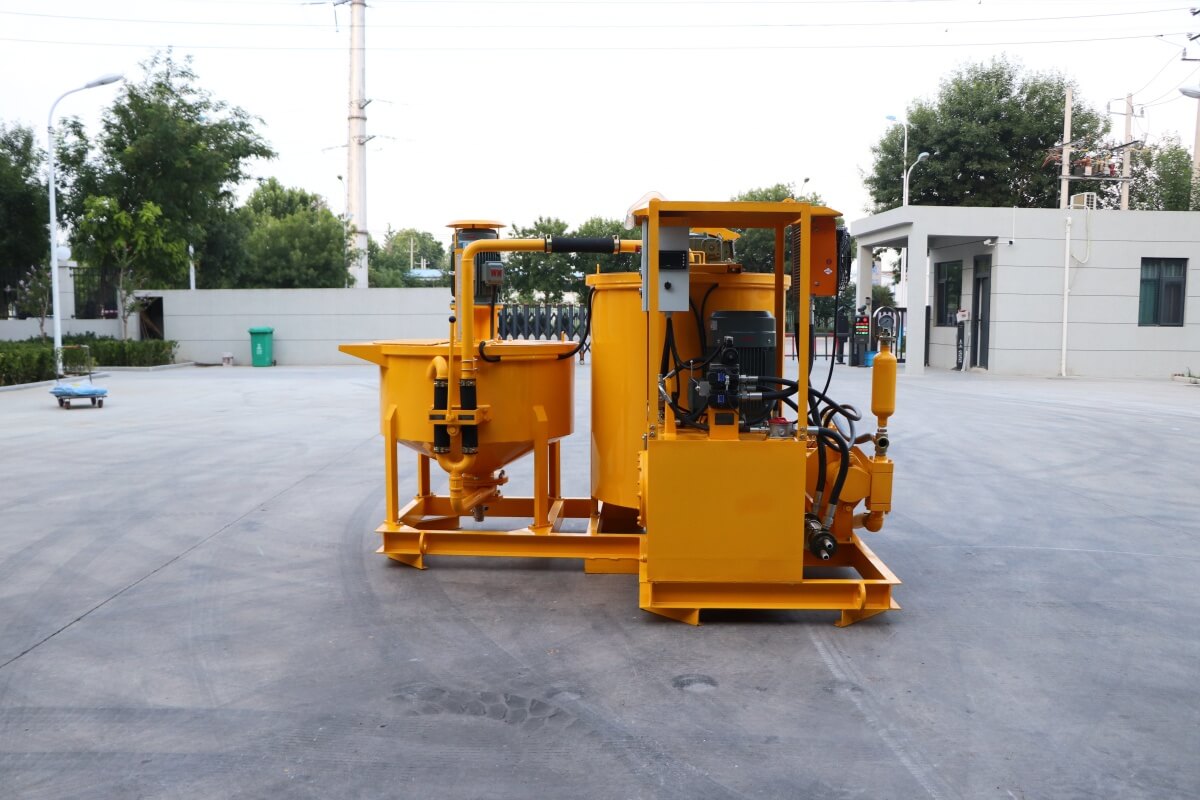
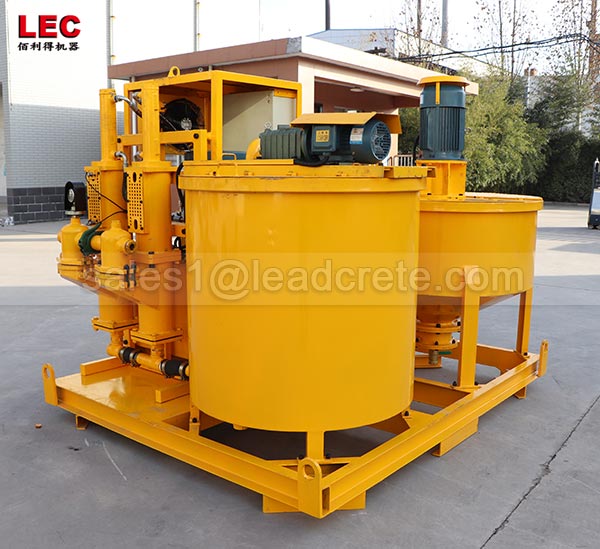
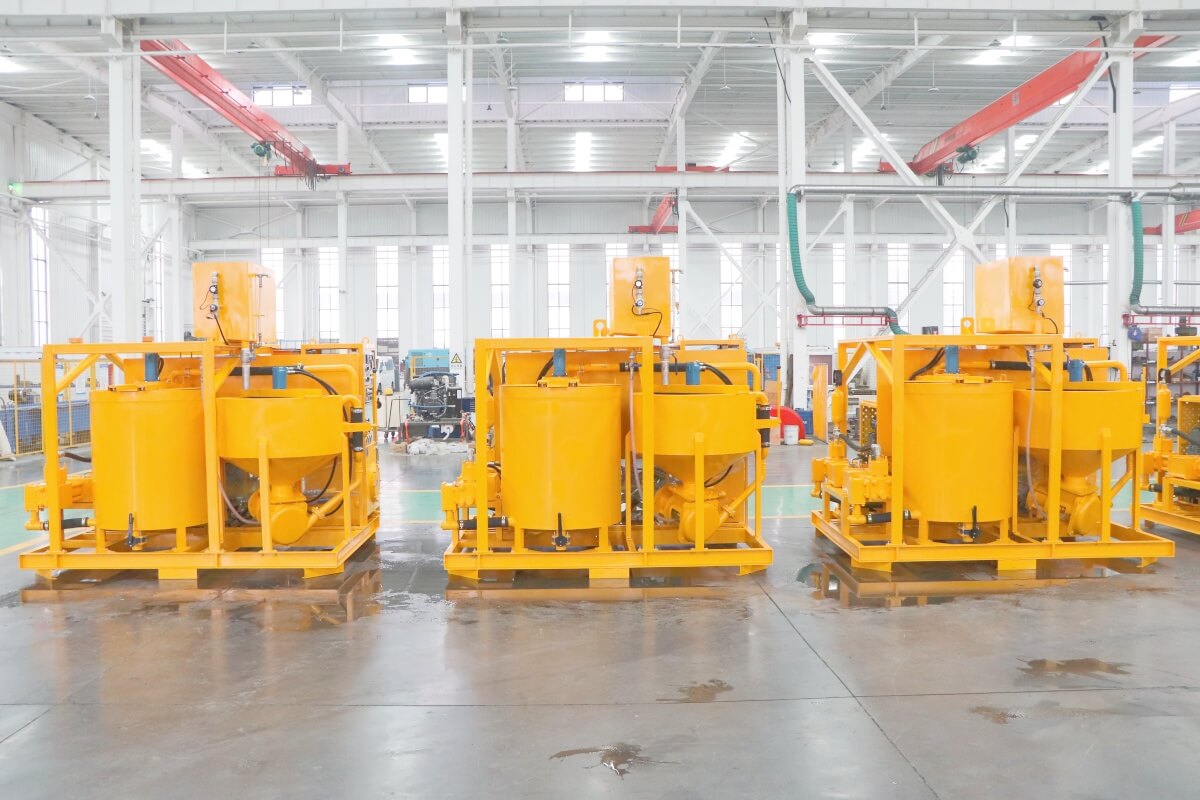
A bentonite grout plant is an integrated slurry preparation system that combines bentonite mixing, hydration, storage, agitation, and conveyance. Utilizing high-efficiency mixing equipment and an optimized slurry circulation process, the system continuously produces uniform, stable bentonite slurry, providing reliable support for diaphragm wall trench excavation.
1. Role of the Bentonite Plant in Diaphragm Wall Construction
Once the diaphragm wall trench is excavated, the trench walls are directly subjected to earth and groundwater pressures. Without a sufficiently stable supporting medium, issues such as wall spalling, localized collapse, or trench deformation may occur.
Upon entering the trench, the bentonite slurry exerts hydrostatic pressure that balances the pressure from groundwater and the surrounding soil. Simultaneously, the slurry forms a thin, dense filter cake on the trench wall surface, reducing seepage and enhancing wall stability.
Furthermore, high-performance bentonite slurry can suspend and transport drill cuttings, minimizing the accumulation of solid particles at the trench bottom. Consequently, a reliably operating diaphragm wall bentonite plant is crucial not only for slurry quality but also directly impacts excavation efficiency, the effectiveness of trench cleaning, and the final construction quality of the diaphragm wall.
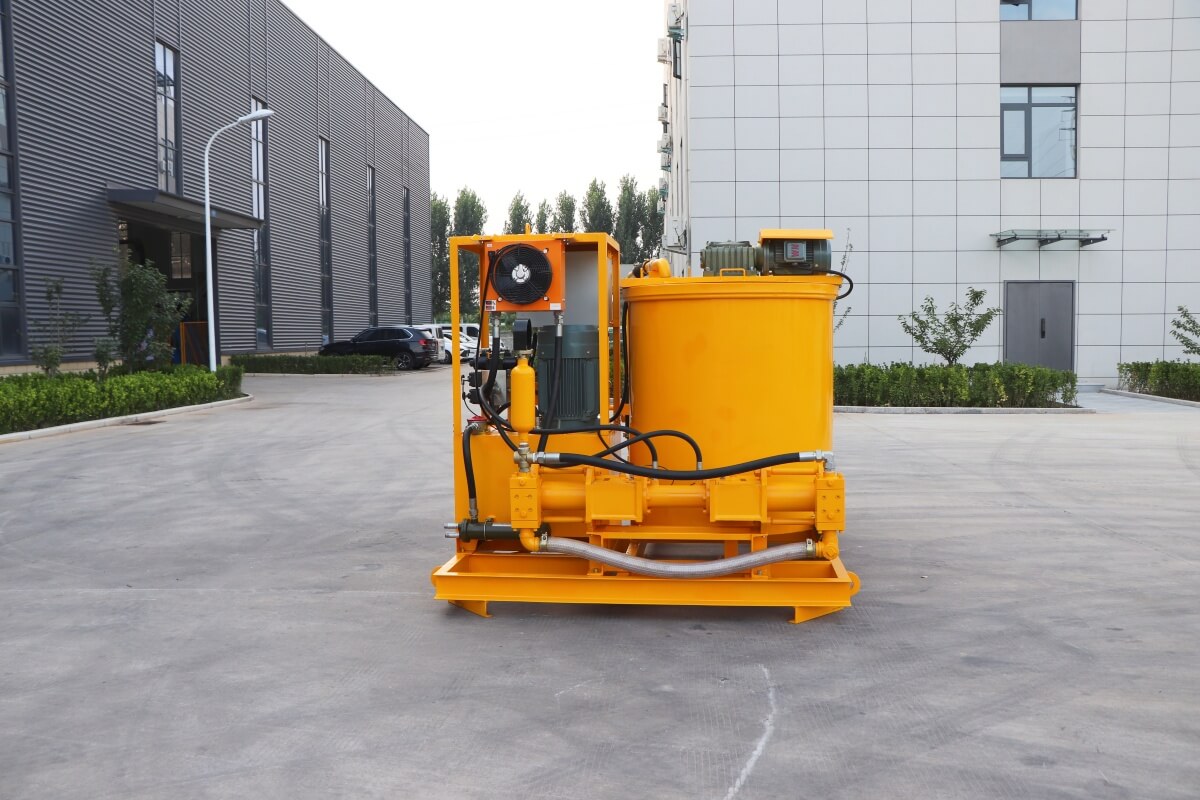
2. Key Components of the Diaphragm Wall Bentonite Plant
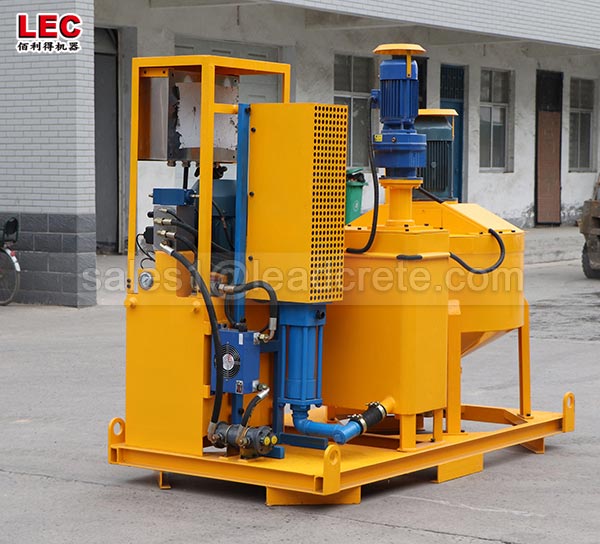
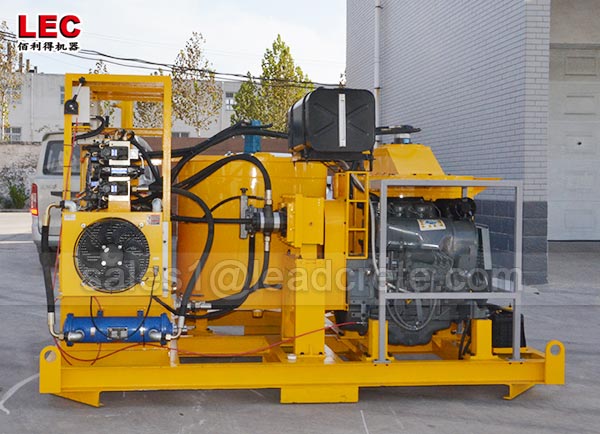
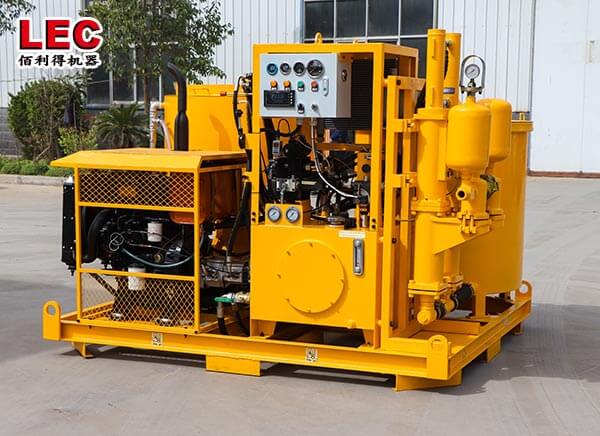
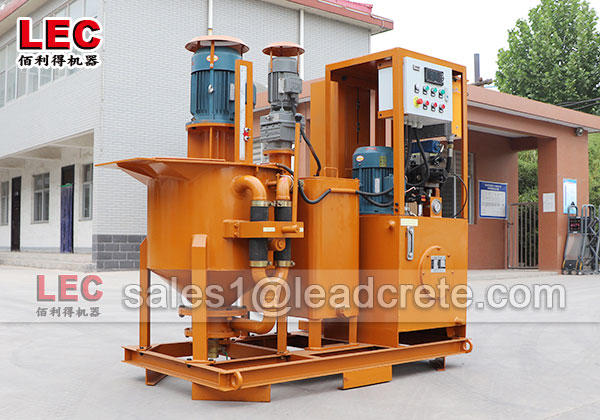
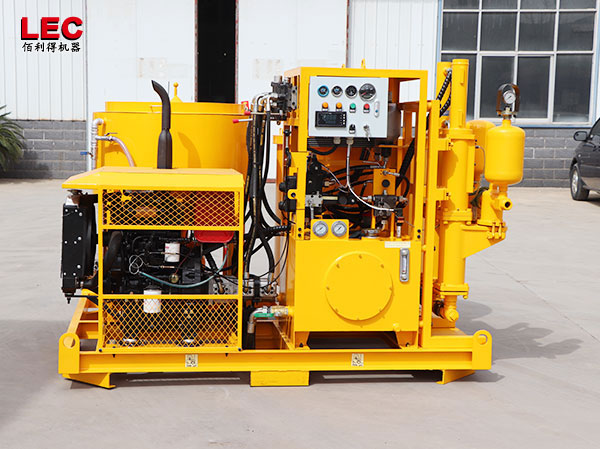
A diaphragm wall bentonite slurry system typically comprises a high-speed mixer, slurry storage and agitation tanks, slurry pumps, a control system, valves, and connecting piping.
The high-speed mixer is responsible for rapidly blending water and bentonite. Through intense shearing and circulation, it fully disperses bentonite particles, minimizes clumping and undissolved material, and ensures slurry uniformity.
Storage and agitation tanks facilitate slurry hydration and temporary storage. Internal agitation mechanisms maintain continuous slurry flow, preventing sedimentation or stratification during prolonged periods of inactivity. Slurry pumps then transport the prepared slurry to the excavation area or storage reservoirs.
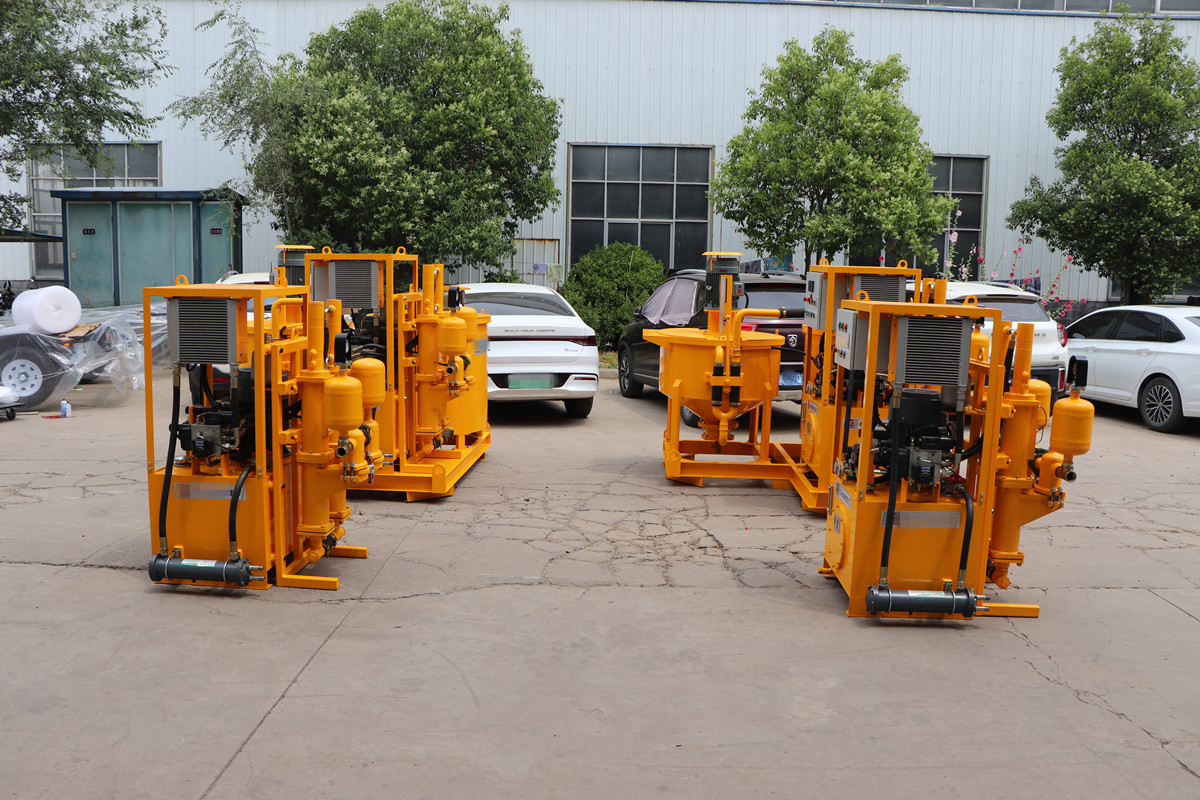
Compared to a setup of scattered, standalone units, an integrated bentonite mixing plant for diaphragm wall construction features a more compact structure and optimized equipment coordination, thereby reducing the workload associated with on-site piping connections and installation. 3. Preparation Process for High-Quality Bentonite Slurry
The preparation of high-quality slurry depends not only on the bentonite material itself but is also closely linked to the order of material addition, mixing duration, water quality, and hydration time.
During preparation, an appropriate amount of fresh water is first added to the mixing equipment, followed by the gradual addition of bentonite according to the design mix ratio. The circulation and shearing forces generated by high-speed mixing facilitate rapid dispersion of the bentonite, preventing the powder from clumping together. After initial mixing, the slurry is transferred to a storage tank for full hydration.
Throughout the hydration and storage phases, the agitation system must operate continuously to ensure the slurry’s properties remain uniform and stable. Before actual use in trench excavation, the slurry must be tested for density, viscosity, sand content, pH value, and filtration loss; the mix ratio should be adjusted promptly based on site-specific geological conditions.
A stable preparation process enhances slurry consistency, thereby reducing the risk of trench wall instability caused by batch-to-batch variations.
4. Slurry Circulation and Diaphragm Wall Construction Workflow
A complete diaphragm wall slurry system requires coordinated operation among trenching equipment, slurry ponds, desanding units, and transfer pipelines.
Freshly prepared bentonite slurry first enters the storage tank; after undergoing full hydration and performance testing, it is pumped to the excavation area. As the grab bucket or trench cutter excavates downward, the slurry level must be maintained at a specified height to ensure sufficient pressure against the trench walls.
Slurry returning from the excavation site typically contains sand particles, soil debris, and other impurities, necessitating sedimentation or desanding treatment. Slurry that meets specifications can re-enter the circulation system, whereas substandard slurry requires performance adjustment or replacement.
Efficient slurry circulation reduces the consumption of bentonite and water while minimizing the volume of waste slurry, helping the construction team control operating costs.
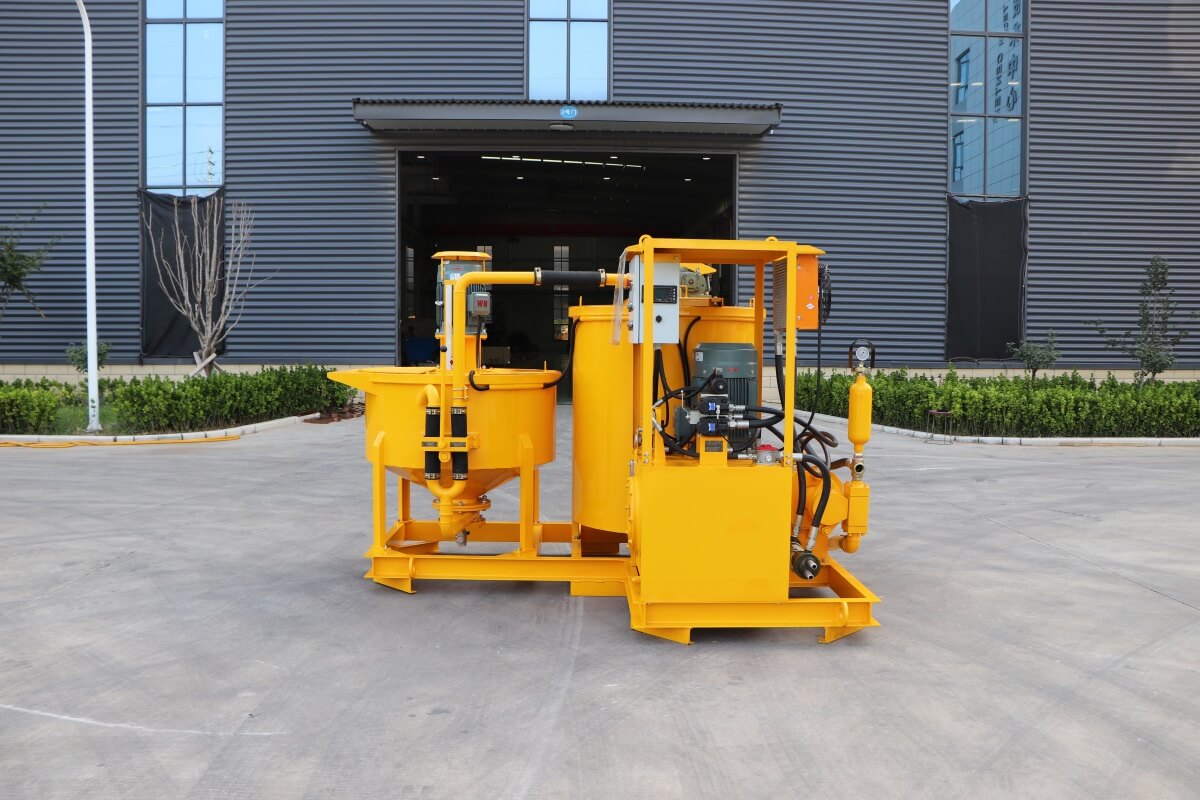
5. Selecting the Right Bentonite Plant for Diaphragm Walls
When selecting a bentonite slurry plant, one must consider not only the mixing tank capacity but also the overall construction conditions of the diaphragm wall project.
First, the required slurry volume should be estimated based on wall depth, wall thickness, the volume of individual trench panels, and the daily excavation progress. For projects involving continuous operations or high slurry consumption, a slurry preparation system with higher production efficiency and greater storage capacity should be selected.
Additionally, slurry transport distance and on-site piping layout must be considered. If the construction area is far from the slurry station, the slurry pump’s flow rate and delivery pressure should be appropriately matched.
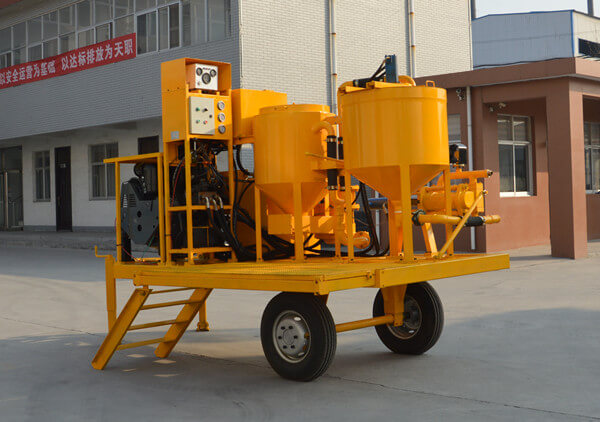
For urban subway or deep excavation projects with limited space, compact, integrated equipment is a suitable choice; for large-scale foundation projects, a modular configuration allows for the addition of mixing tanks, storage tanks, or pumps in line with the construction schedule.
Proper equipment configuration should balance preparation capacity, storage capacity, and actual consumption to avoid issues such as insufficient slurry supply or prolonged equipment idling.
6. Methods to Improve Slurry Station Operational Efficiency
To ensure the long-term, stable operation of the bentonite plant for diaphragm walls, the motor, mixing blades, pump body, valves, and piping connections should be inspected before use. After each construction session, mixing tanks, slurry pumps, and delivery pipelines must be cleaned promptly to prevent residual slurry from hardening and clogging the equipment.
During construction, slurry mix ratios, mixing times, production batches, and test results should be recorded regularly. If significant changes in slurry performance are detected, raw materials, water quality, and equipment status should be inspected immediately.
Adopting automated or semi-automated control systems enhances consistency in material feeding and mixing, thereby reducing human error. Modular equipment design facilitates transport, installation, and maintenance, allowing for better adaptation to the specific requirements of various diaphragm wall projects.
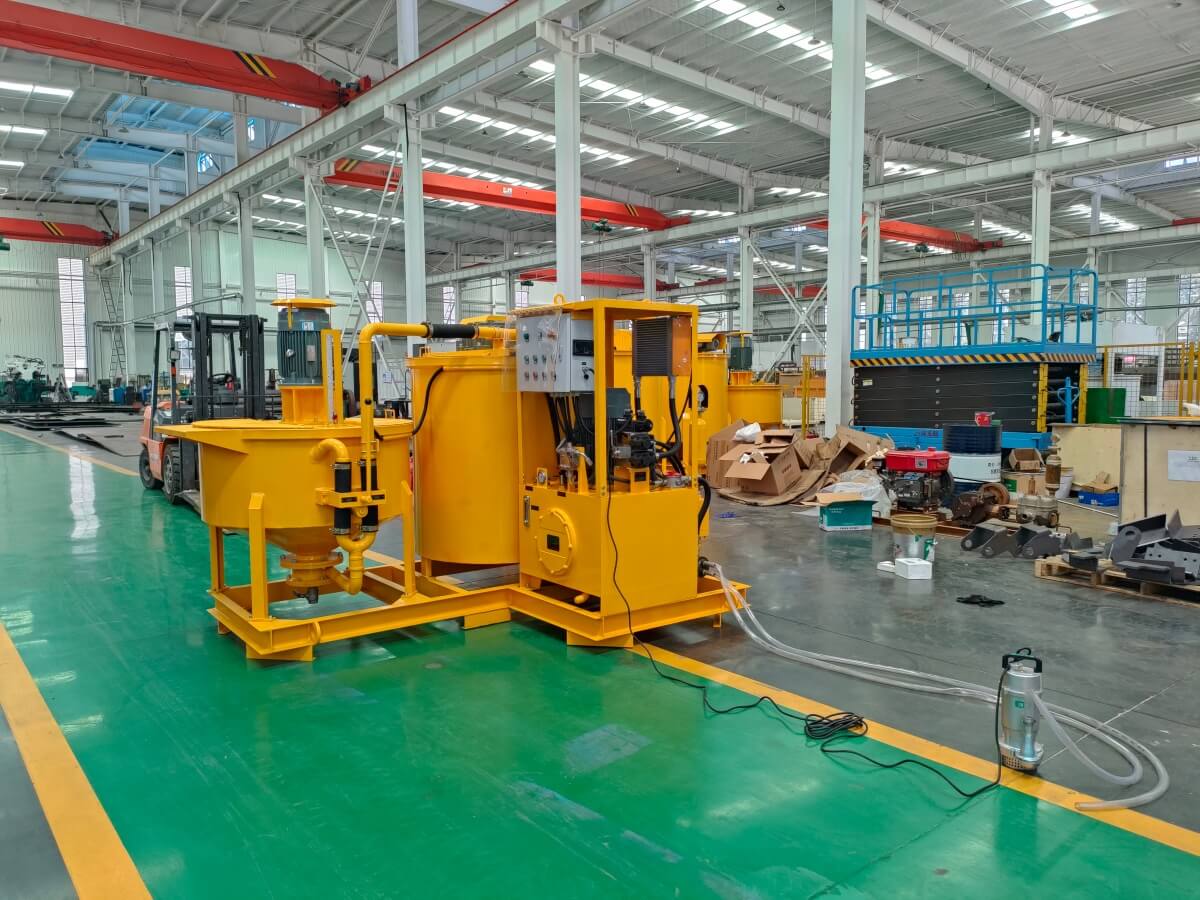
Stable bentonite slurry is crucial for the successful excavation of diaphragm wall trenches. A professional bentonite plant for diaphragm walls enables rapid mixing, thorough hydration, continuous agitation, and stable delivery of bentonite slurry, helping contractors improve slurry quality, minimize material waste, and reduce the risk of trench wall instability.
Selecting the right slurry preparation system—based on project scale, geological conditions, slurry demand, and site layout—provides a reliable and efficient solution for subway, deep excavation, basement, and large-scale foundation projects. Email address: sales1@leadcrete.com