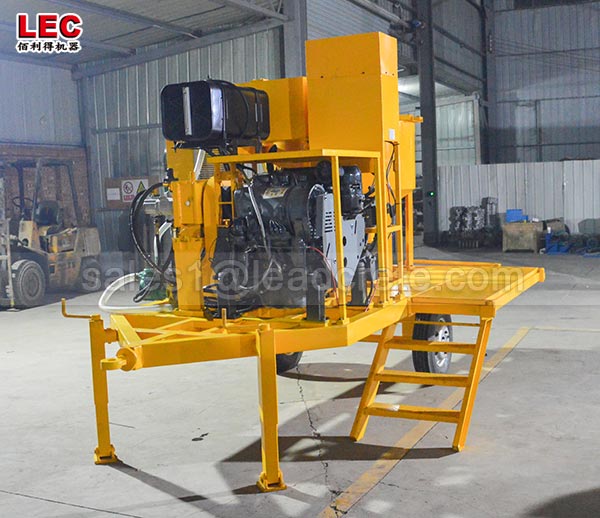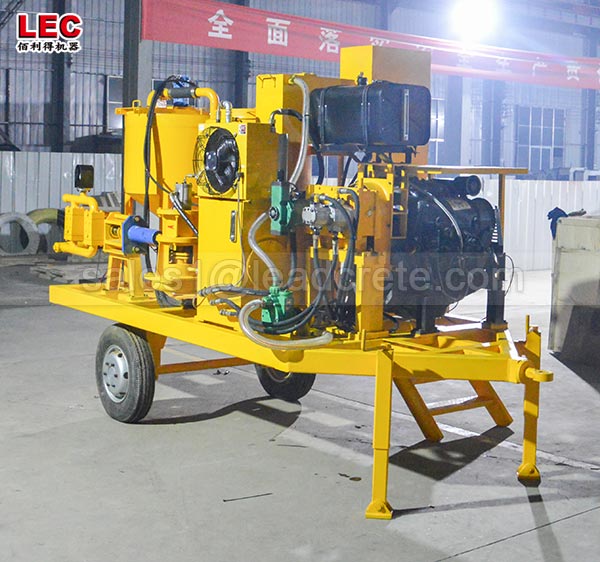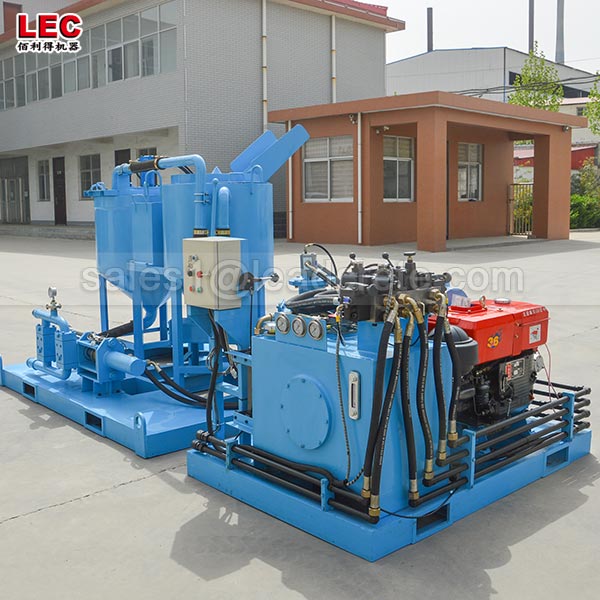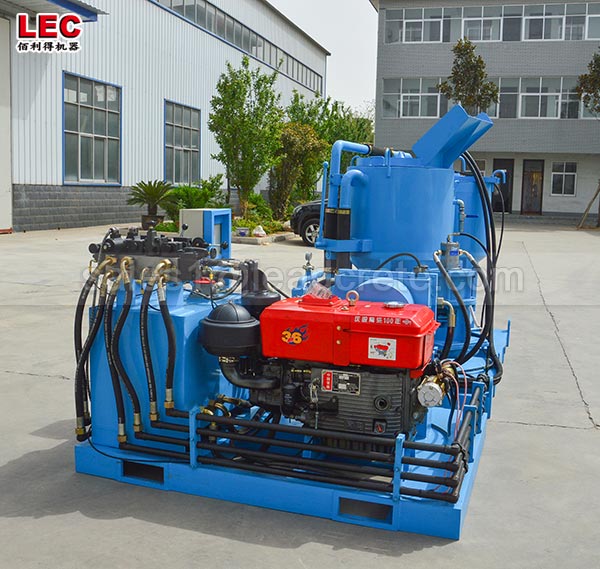
Bentonite Injection Plant for Tunnel and Foundation Projects
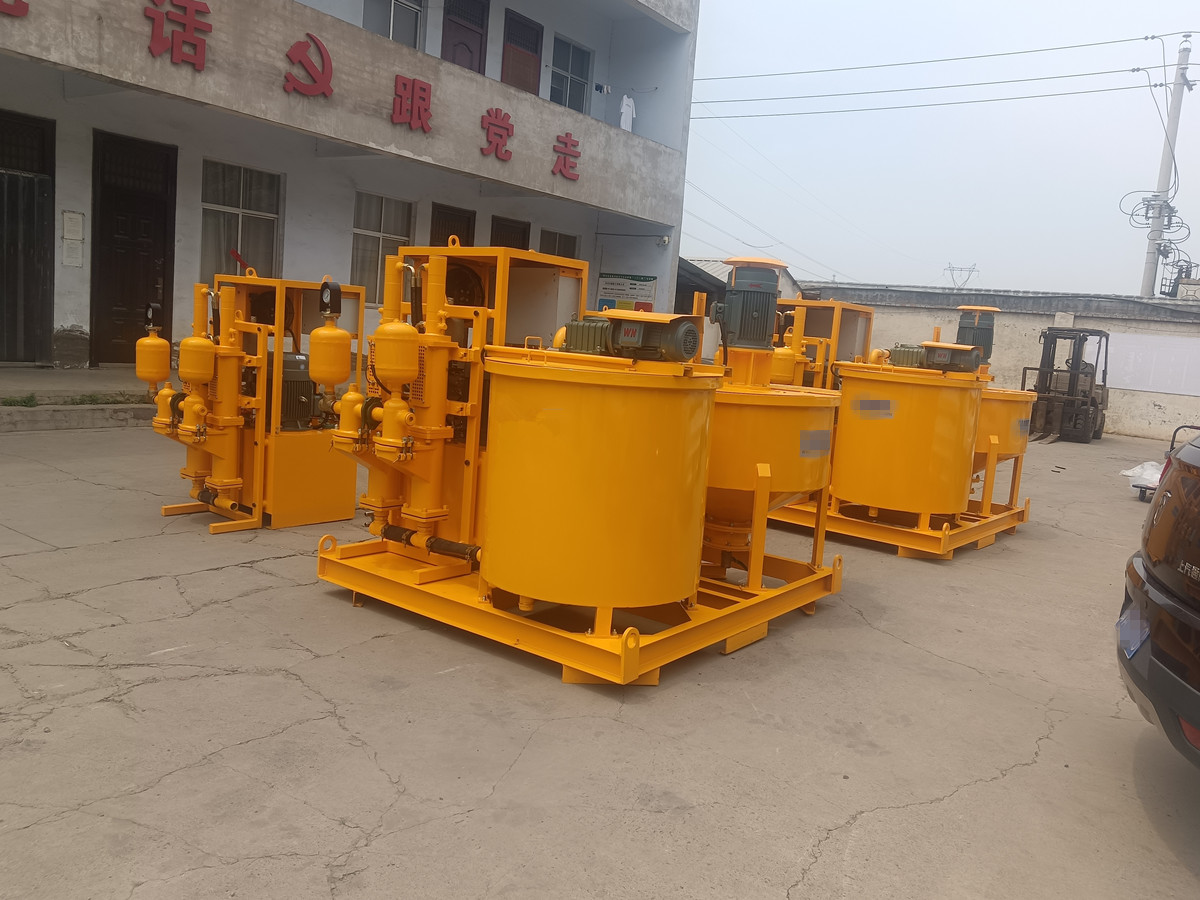
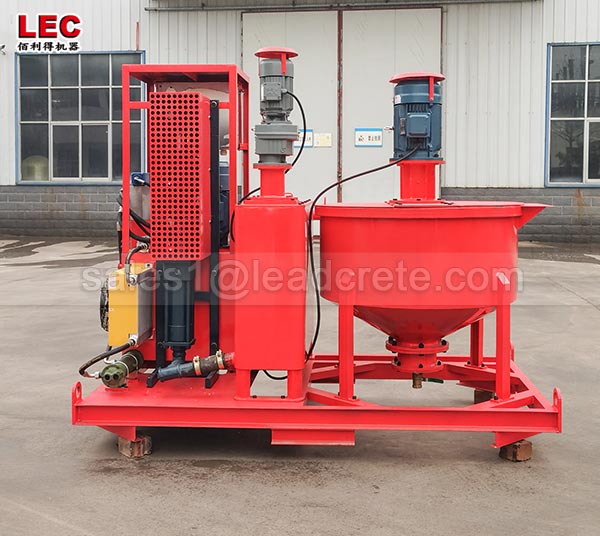
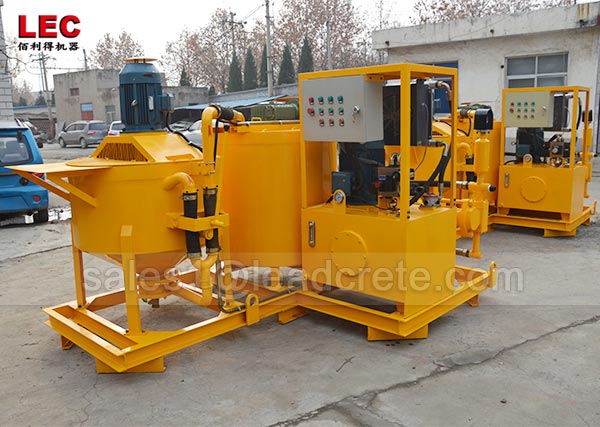
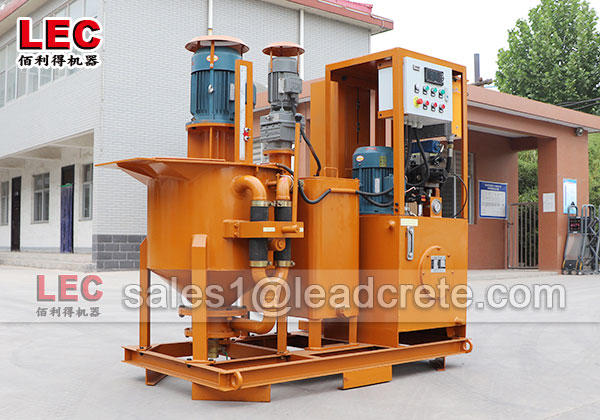
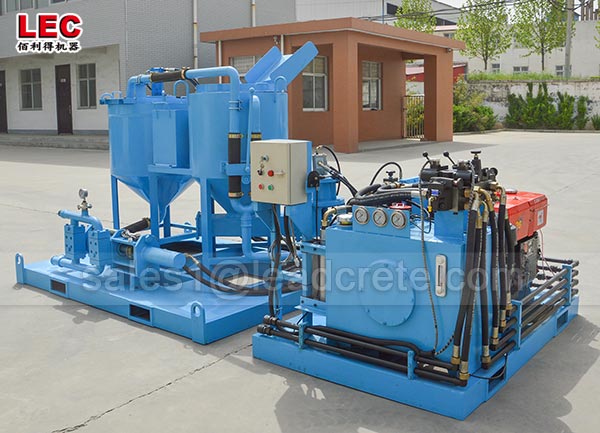
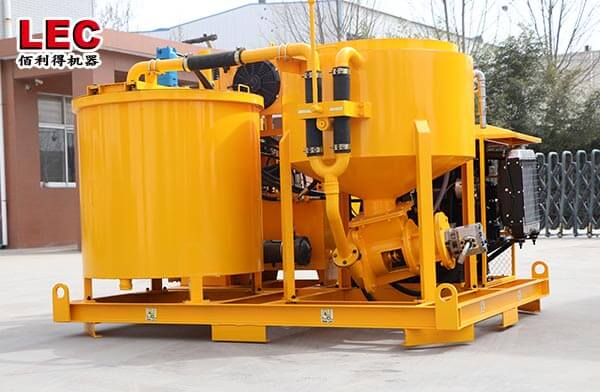
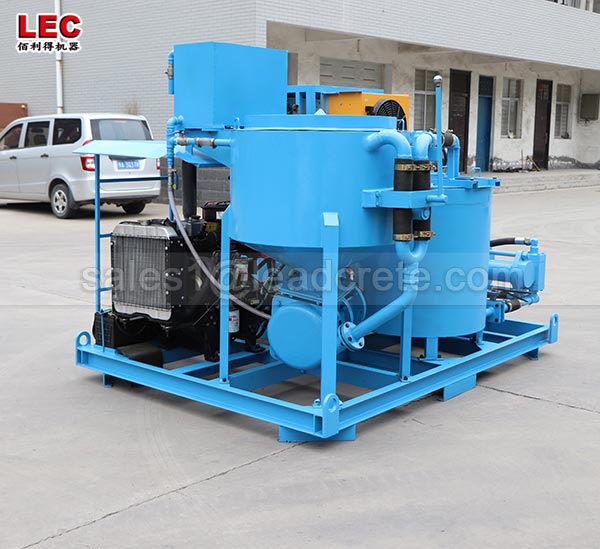
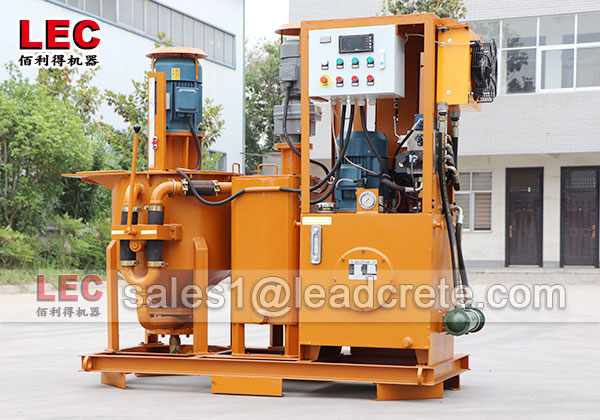
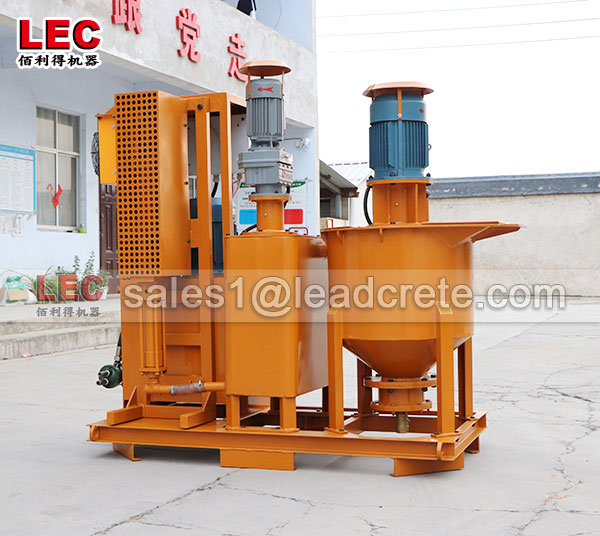
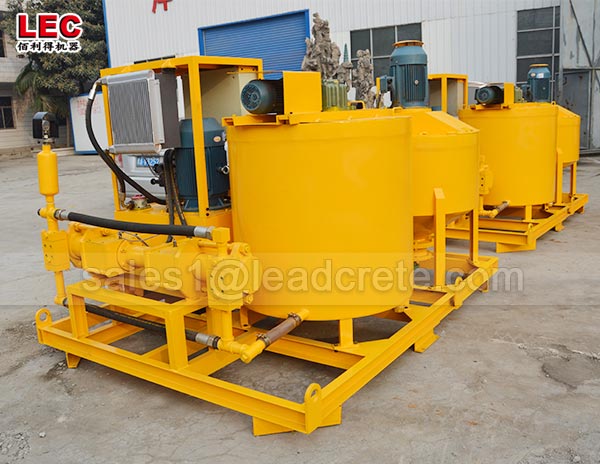
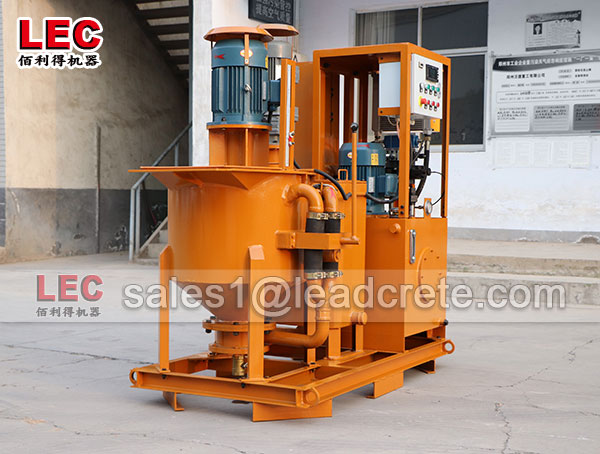
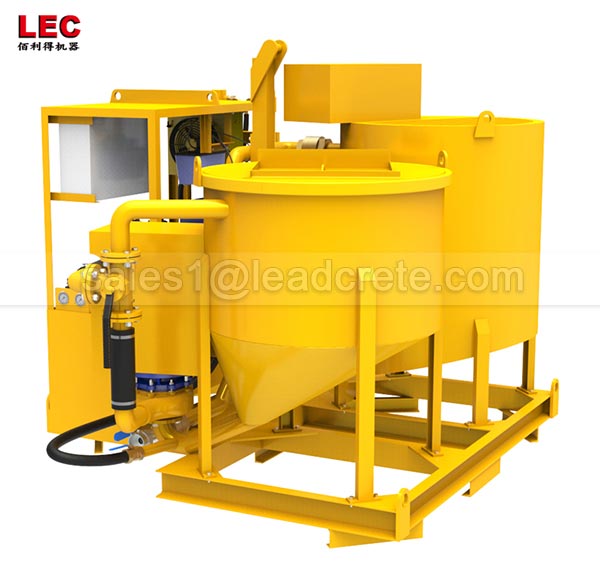
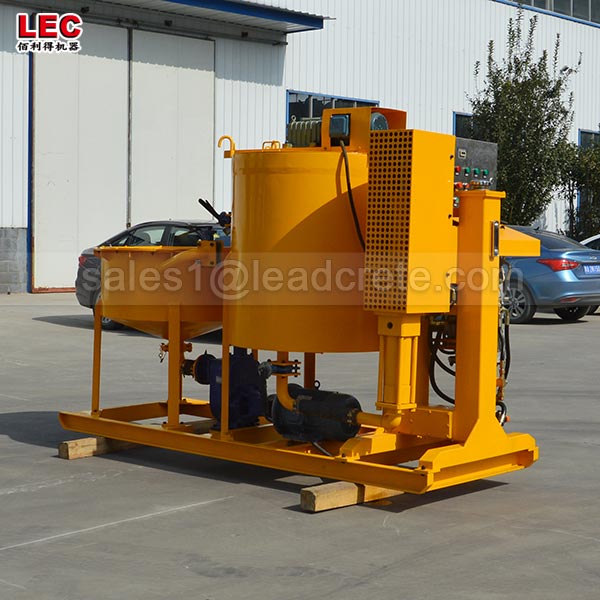
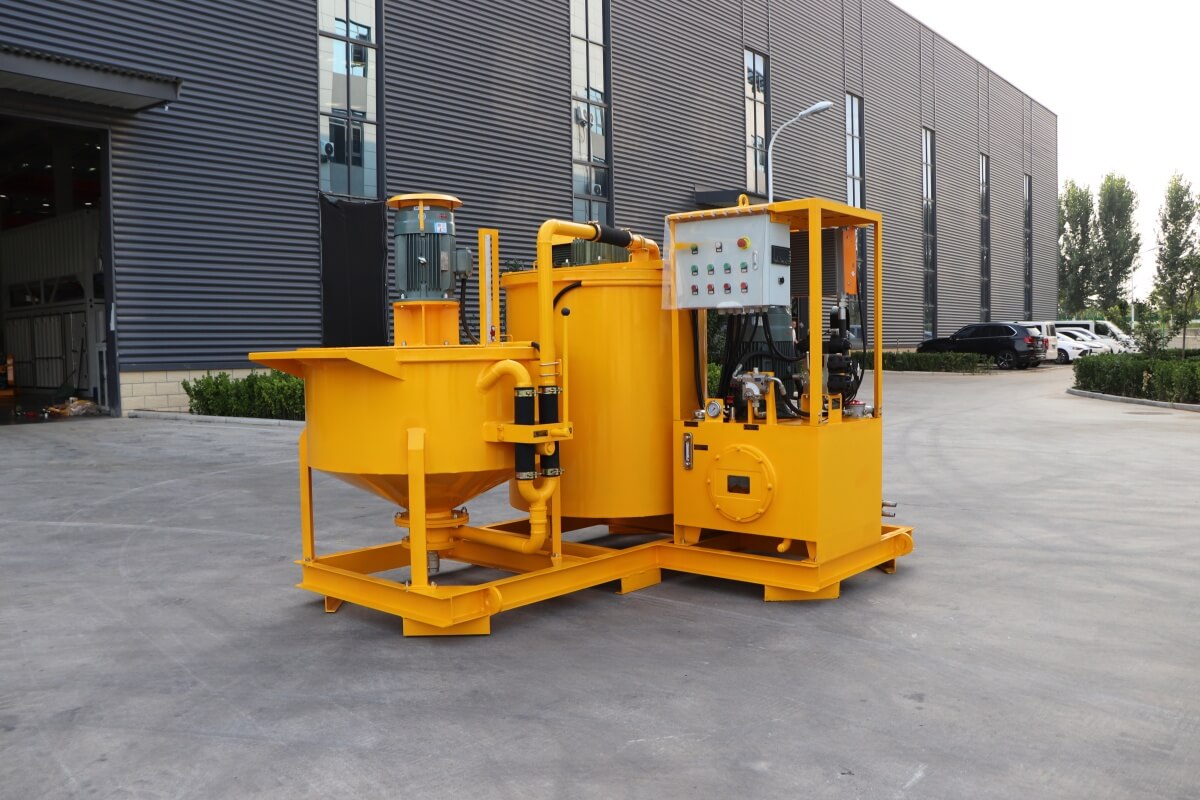
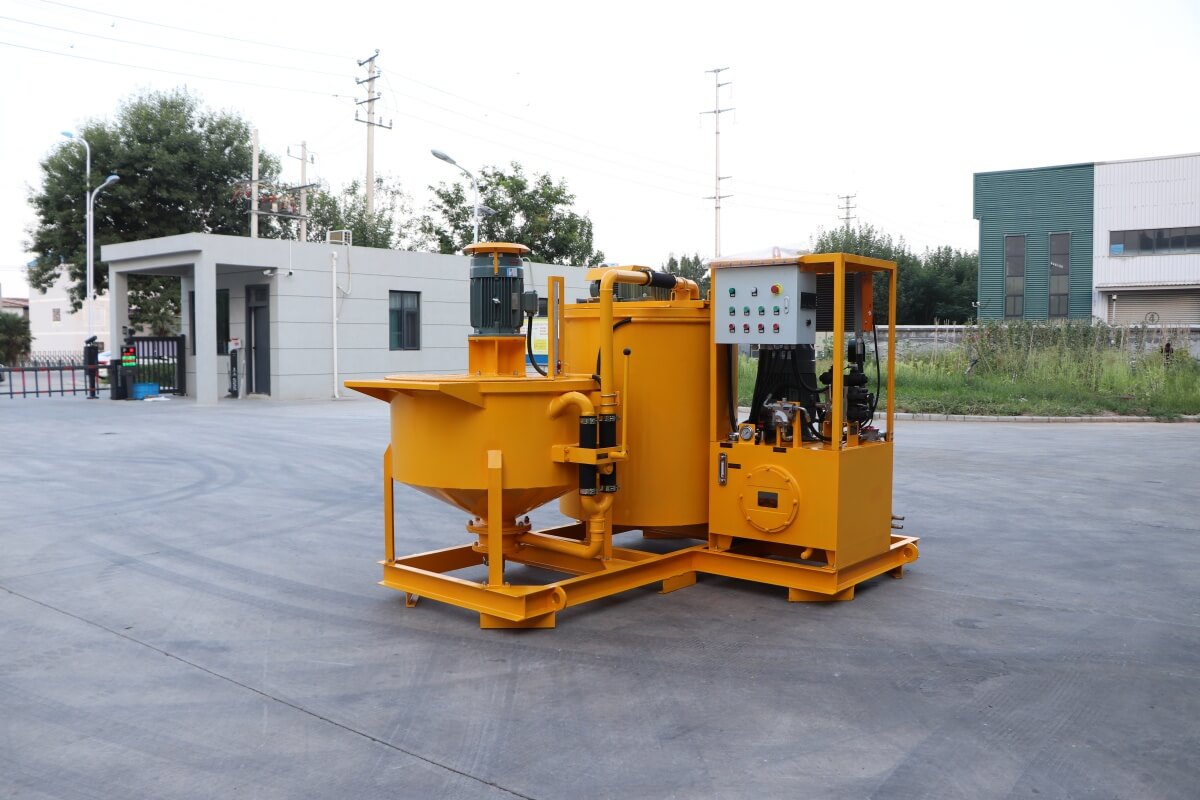
The Bentonite Injection Plant for Tunnel and Foundation Projects is an integrated equipment system combining high-speed slurry mixing, low-speed storage, and pressure injection. It ensures a continuous and reliable supply of slurry for applications such as tunnel grouting, foundation reinforcement, borehole wall stabilization, underground seepage control, and deep foundation construction.
In tunneling, underground engineering, and foundation treatment projects, factors such as loose soil layers, rock mass fractures, and groundwater seepage can compromise construction safety and structural stability. To improve ground conditions, construction teams typically need to prepare a uniform, stable bentonite slurry and inject it—at design-specified pressures—into boreholes, fractures, or subsurface voids.
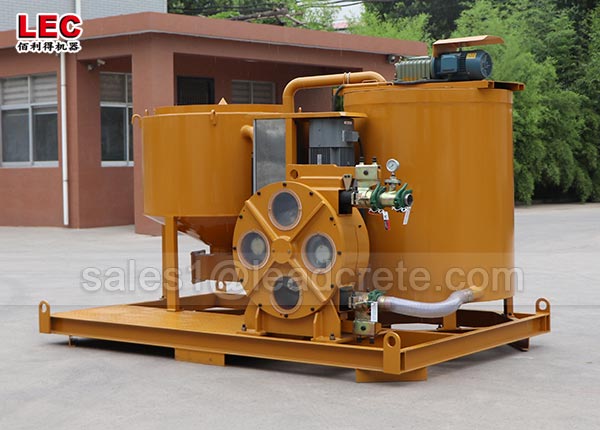
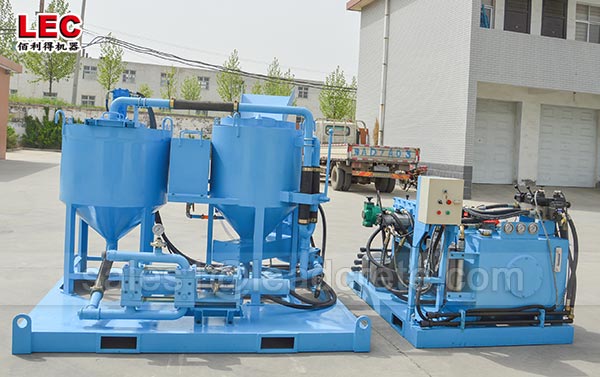
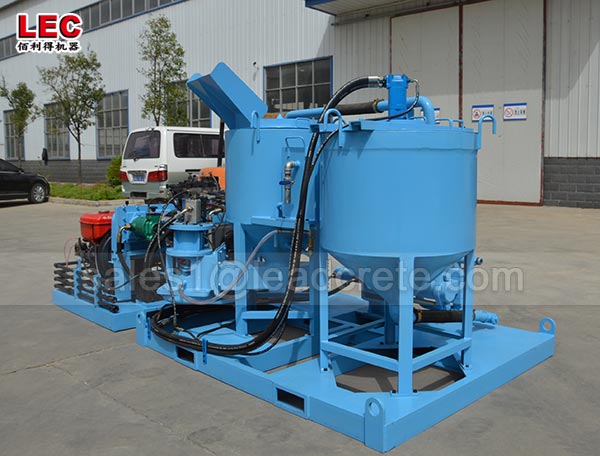
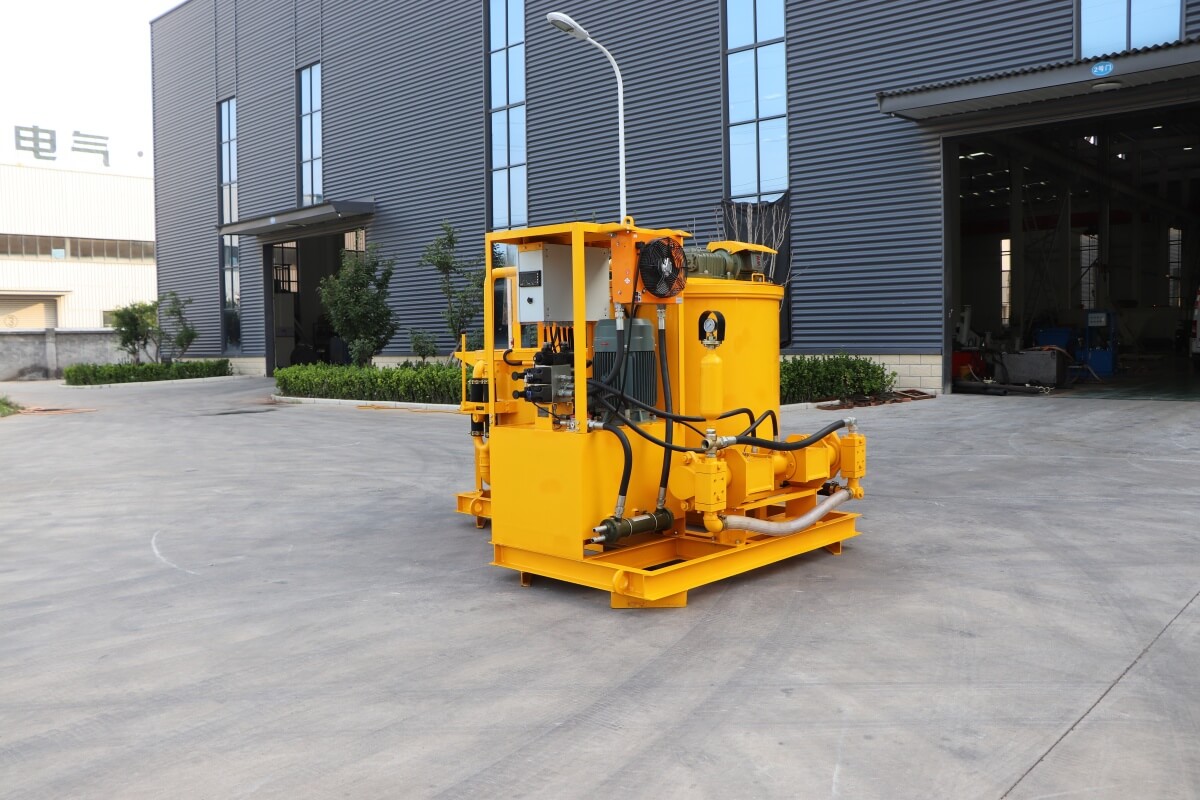
A Bentonite Injection Plant is not merely a standalone mixer or grout pump; it is a comprehensive system designed for bentonite slurry preparation and injection.
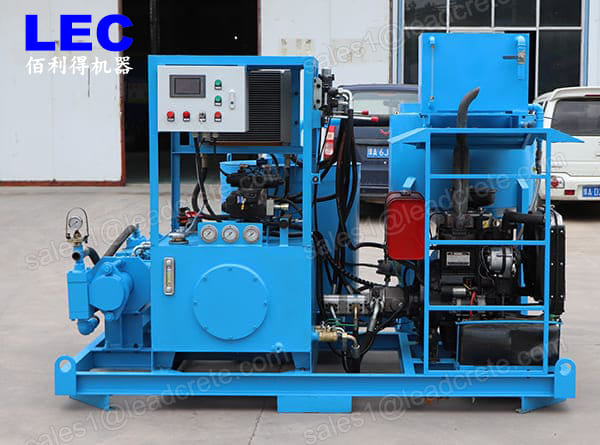
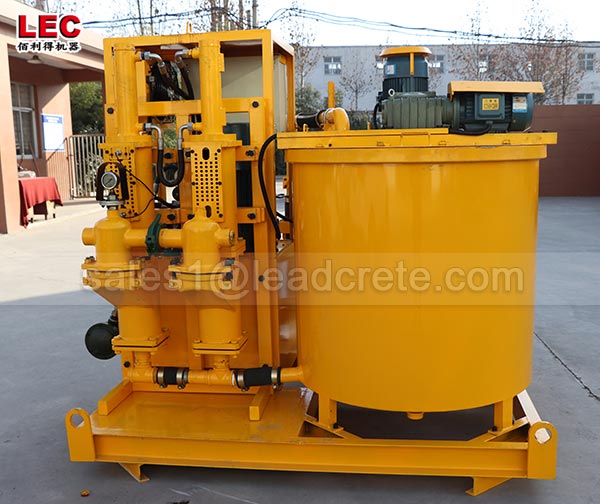
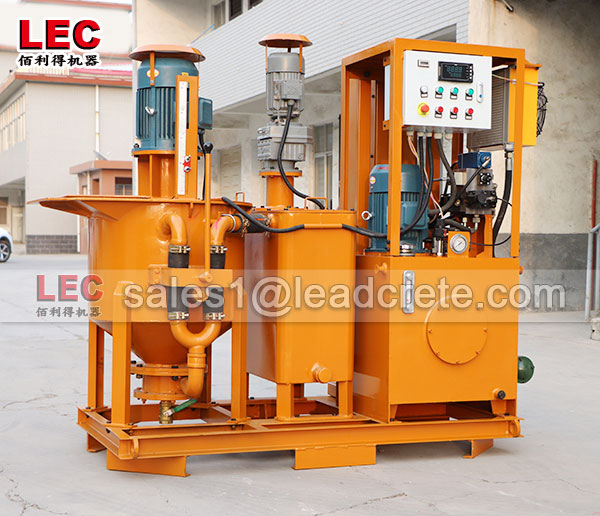
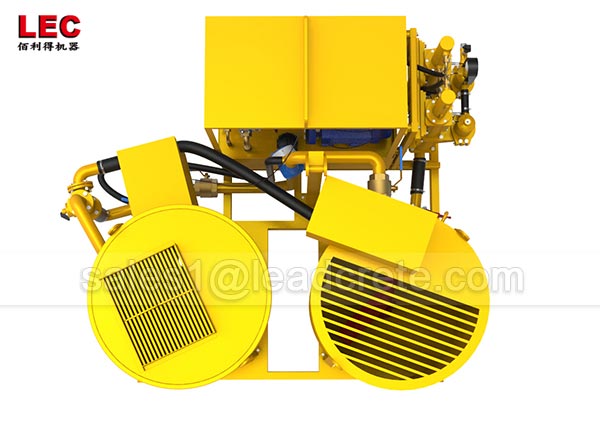
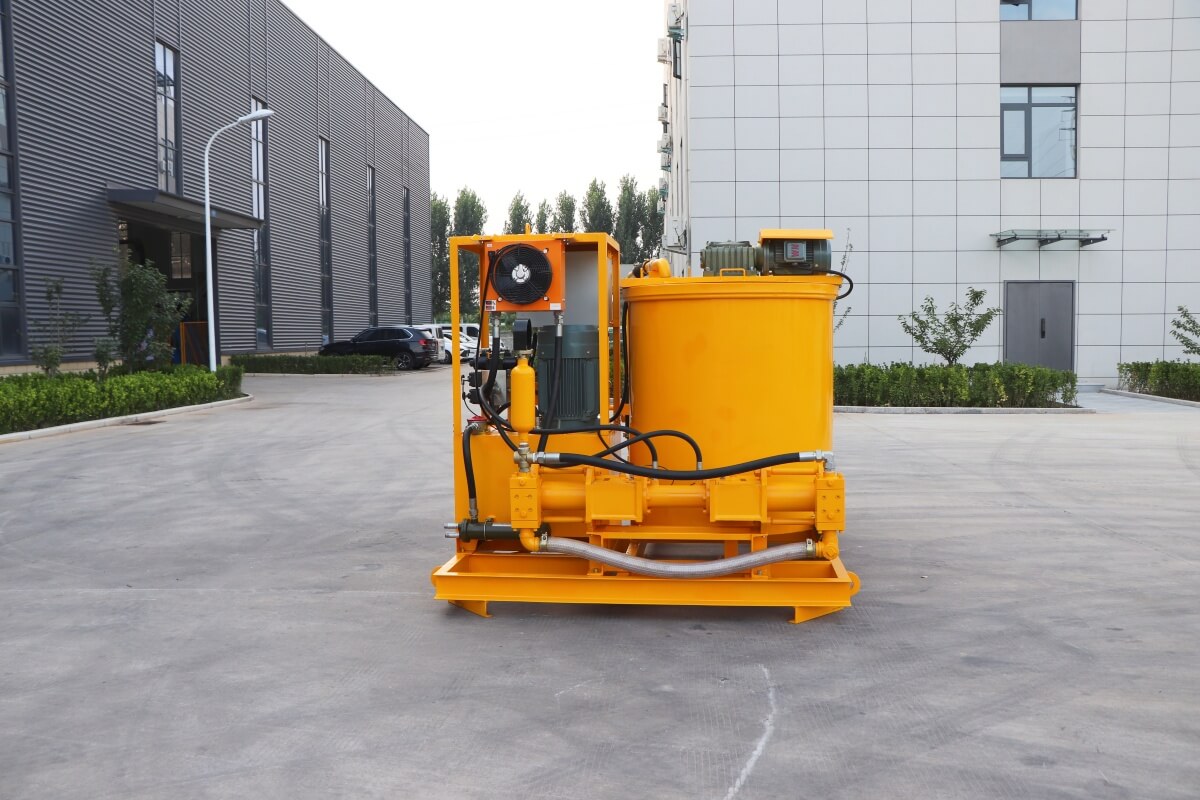
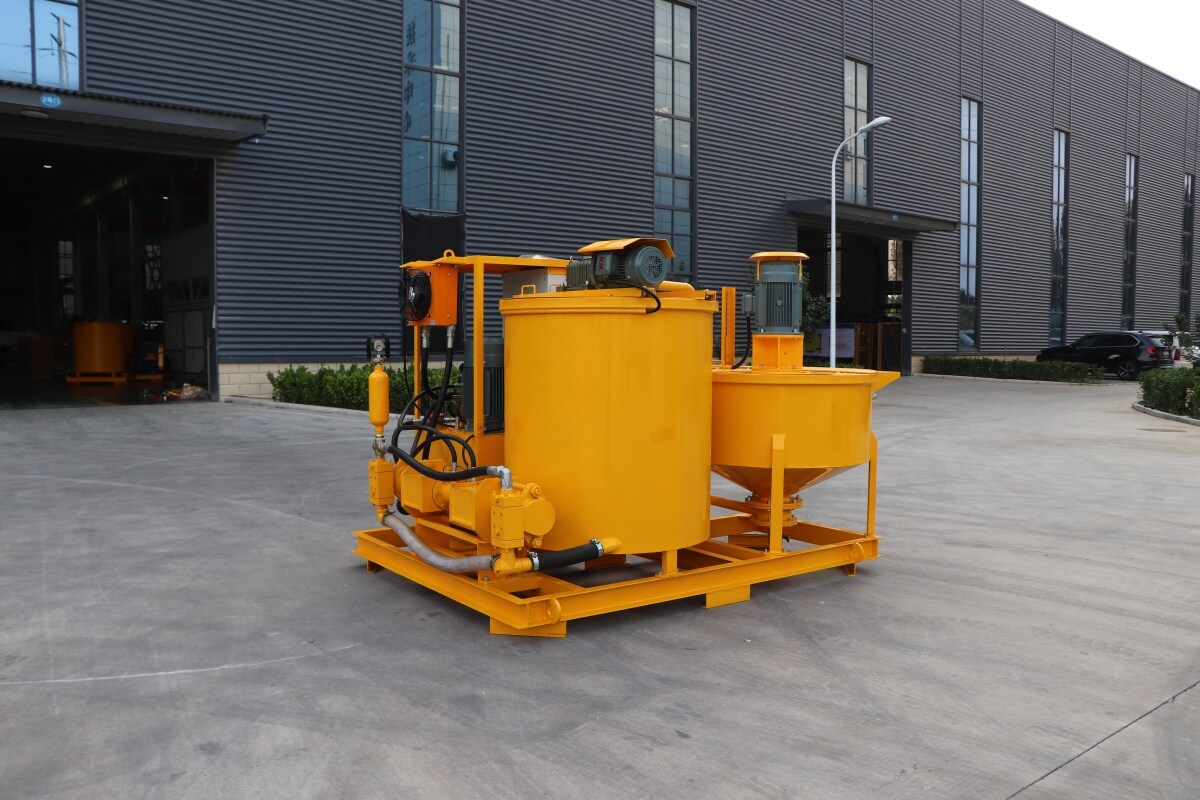
Typical equipment configurations consist of the following components:
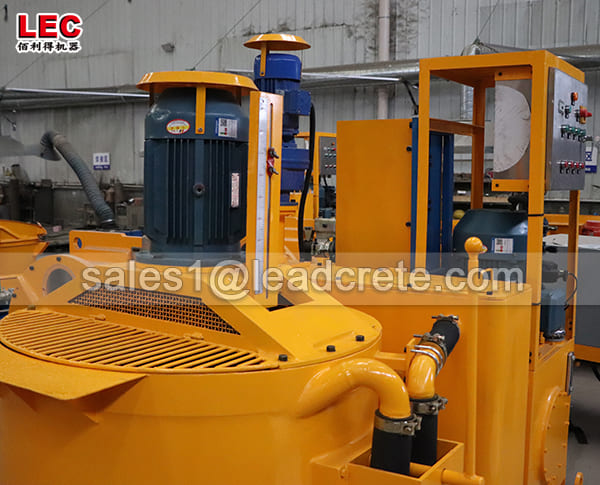
* High-speed colloidal mixer
* Low-speed storage/agitation tank
* Grout pump
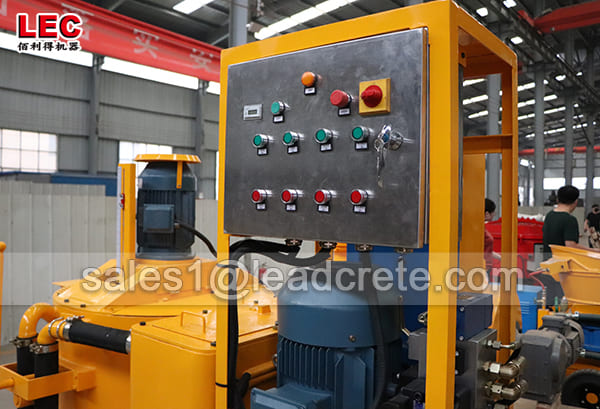
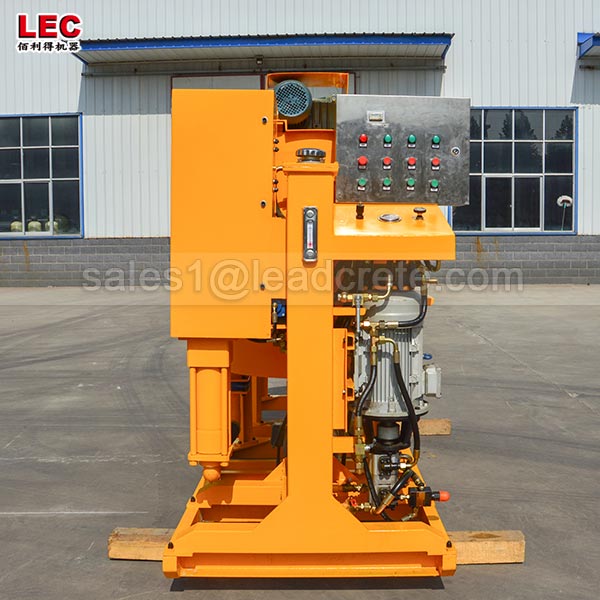
* Electrical or hydraulic control system
* Pressure gauges, valves, and safety devices
* Slurry delivery piping
The high-speed colloidal mixer rapidly disperses bentonite particles in water; the low-speed tank stores the slurry and prevents sedimentation; and the grout pump delivers the prepared slurry to the designated construction site.
By effectively coordinating these modules, the equipment can prepare a new batch of slurry while simultaneously injecting the current batch, thereby minimizing downtime and ensuring a continuous construction process.
How Does the Bentonite Mixing and Injection System Work?
Bentonite possesses strong water-absorption and swelling capabilities. Improper feeding methods or inadequate mixing intensity can lead to issues such as clumping, uneven viscosity, and poor dispersion.
During actual operations, the equipment first introduces clean water into the mixer according to the design ratio, followed by the gradual addition of bentonite. The high-speed colloidal mixing system employs powerful shearing and recirculating action to ensure the bentonite particles fully absorb water and disperse evenly.
After high-speed mixing, the slurry is transferred to the low-speed tank for continued agitation or maturation. Low-speed stirring maintains slurry uniformity and mitigates the risk of sedimentation or separation during extended holding periods.
Once the slurry meets construction specifications, the grout pump delivers it into the tunnel surrounding rock, foundation boreholes, or the target geological formation. Operators can adjust the pump’s flow rate and injection pressure based on the formation’s absorption characteristics.
The typical workflow includes:
1. Adding water and materials according to the design ratio;
2. High-speed shear mixing of the bentonite slurry;
3. Transferring the mixed slurry to the storage/agitation tank;
4. Maintaining slurry stability through low-speed agitation;
5. Delivering the slurry at controlled flow rates and pressures using the grout pump;
6. Adjusting injection parameters based on pressure, flow rate, and formation feedback. A stable mixing and pumping process helps improve slurry consistency across batches and reduces the risk of pipeline blockages and slurry sedimentation.
Applications in Tunnel Grouting Projects
Tunnel construction often encounters complex conditions such as fractured rock, weak soil layers, subsurface voids, and groundwater channels. Bentonite injection plants can continuously prepare and deliver bentonite slurry within limited workspaces, supporting various tunneling operations.
Common applications include:
* Filling fractures and voids in surrounding rock
* Pre-grouting of loose ground
* Groundwater seepage control
* Auxiliary grouting for shield tunneling
* Filling voids behind tunnel segments
* Grouting around the tunnel lining
* Construction of underground passages and shafts
* Lubrication grouting for pipe jacking and trenchless projects
Bentonite slurry offers excellent suspension, lubrication, and filling properties. With appropriate mix ratios and injection parameters, the slurry can penetrate rock fractures and ground voids, helping to improve local construction conditions.
For tunnel projects requiring continuous slurry supply, downtime can be minimized by configuring larger-capacity mixing tanks and high-output injection pumps. In space-constrained areas—such as inside tunnels—compact or skid-mounted designs can be utilized to facilitate transport and installation.
Applications in Foundation Projects
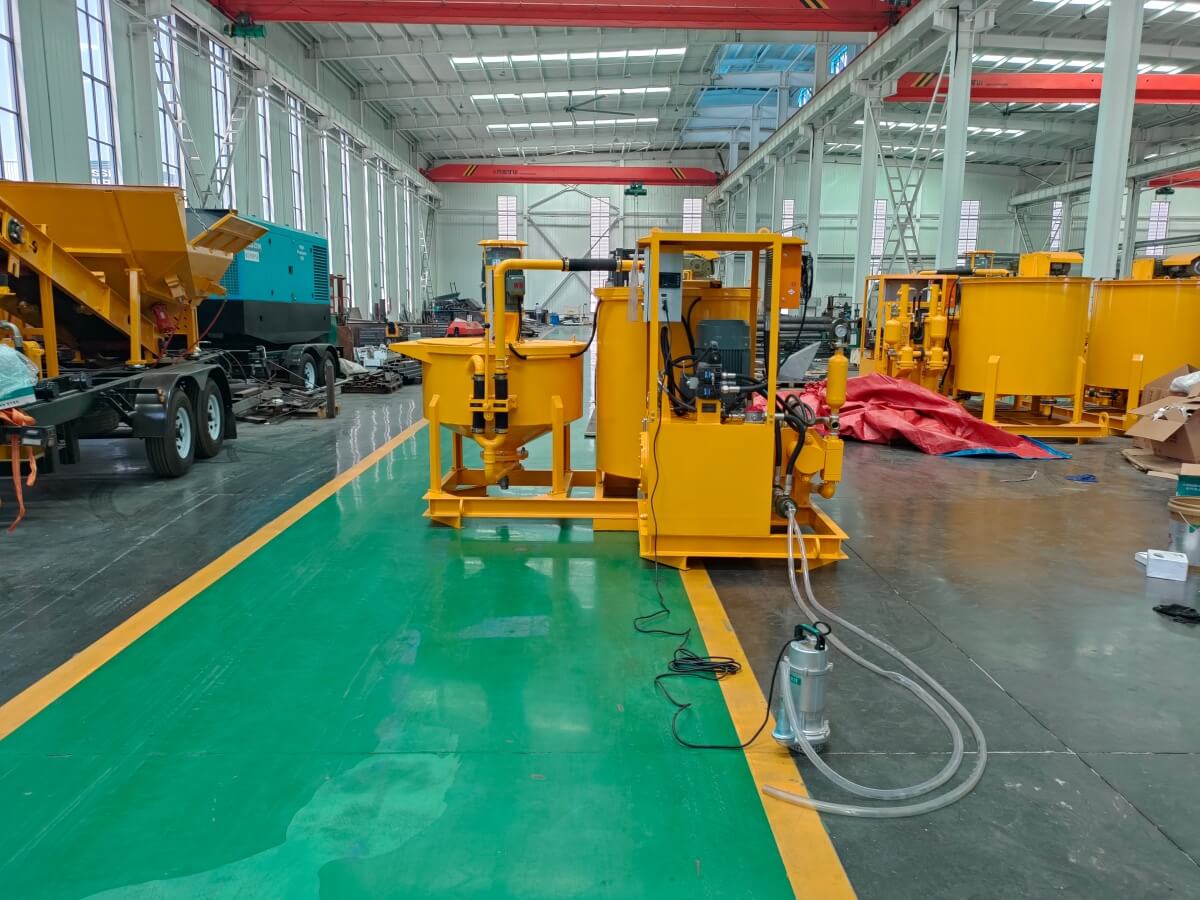
In foundation and deep foundation engineering, issues such as weak soil, underground voids, uneven settlement, and borehole collapse can compromise foundation load-bearing capacity and subsequent construction quality. Bentonite injection plants can prepare bentonite slurries with varying mix ratios and viscosities to meet specific project requirements.
Key applications include:
* Treatment of weak foundations
* Soil stabilization and filling of ground voids
* Pile foundation and cast-in-place pile construction
* Micropile projects
* Borehole wall stabilization
* Trench excavation for diaphragm walls
* Seepage control for deep excavations and underground structures
* Seepage control for dams, levees, and other hydraulic structures
During borehole and diaphragm wall construction, bentonite slurry helps stabilize borehole or trench walls and forms a protective “filter cake” on the excavated surface. In certain ground improvement and seepage control projects, the grout can also be used to fill voids or create low-permeability zones.
Actual construction performance depends heavily on the type of bentonite, water-to-powder ratio, grout viscosity, soil structure, and the grouting process. Therefore, grout mix trials and on-site grouting tests should be conducted prior to full-scale operations to determine the optimal construction parameters.
Advantages of an Integrated Bentonite Grouting Plant
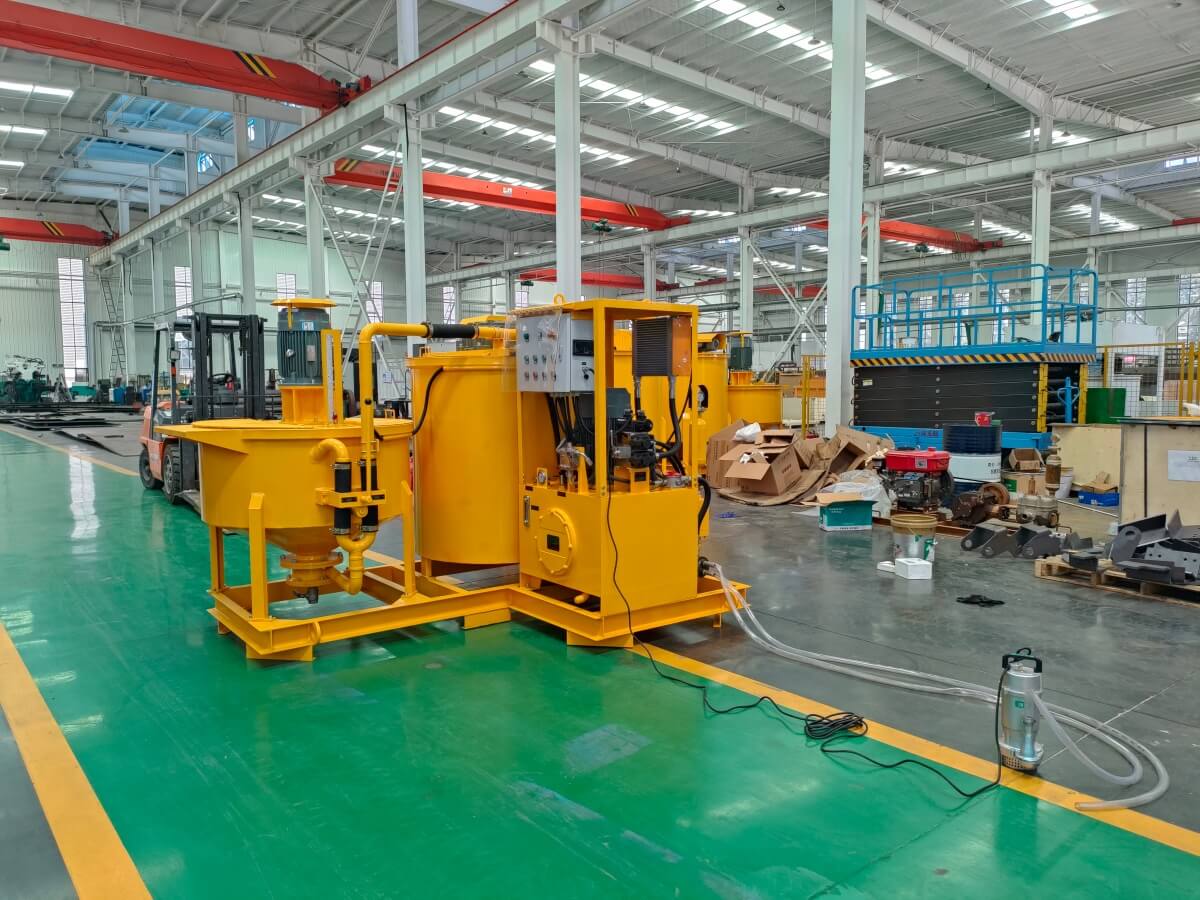
Compared to using separate mixers, storage tanks, and grouting pumps, an integrated bentonite grouting plant enables better coordination across all operational stages.
Its key advantages include:
* Rapid dispersion of bentonite particles, reducing clumping
* Improved grout uniformity and stability
* Reduced risk of sedimentation, segregation, and pipeline clogging
* Support for continuous grout mixing, storage, and injection
* Reduced need for grout transfer and equipment interconnection
* Shorter waiting times between construction stages
* Greater consistency across different grout batches
* Centralized control of pressure, flow rate, and equipment status
* Suitability for both stationary operations and projects requiring frequent relocation
An integrated design does not imply that the same configuration is suitable for every project. Only by properly matching mixing capacity, storage volume, and pumping capability can the system’s full efficiency be realized.
Leadcrete Equipment is a professional manufacturer and supplier of grouting equipment, offering customized bentonite injection plant solutions for tunneling, foundation engineering, borehole grouting, diaphragm wall construction, soil stabilization, and seepage control projects.
Leadcrete Equipment can tailor the system configuration to meet specific client requirements regarding mixing capacity, storage volume, pumping flow rate, working pressure, power source, and level of automation. Equipment options include electric or diesel drives, as well as various structural configurations—such as compact or skid-mounted designs—to suit specific site conditions. If you are looking for a bentonite mixing and grouting system suitable for tunneling or foundation projects, please provide Leadcrete Equipment with the following project details:
* Bentonite slurry formula
* Required mixing capacity
* Grout pump output flow rate
* Design operating pressure
* Horizontal and vertical conveying distances
* Borehole depth and pipeline diameter
* On-site power supply conditions
* Available space for equipment installation
* Specific project application
Leadcrete Equipment’s engineering team will analyze your project conditions to recommend the optimal configuration for mixing, storage, and pumping, delivering a stable and efficient bentonite grouting solution for your tunneling or foundation project.