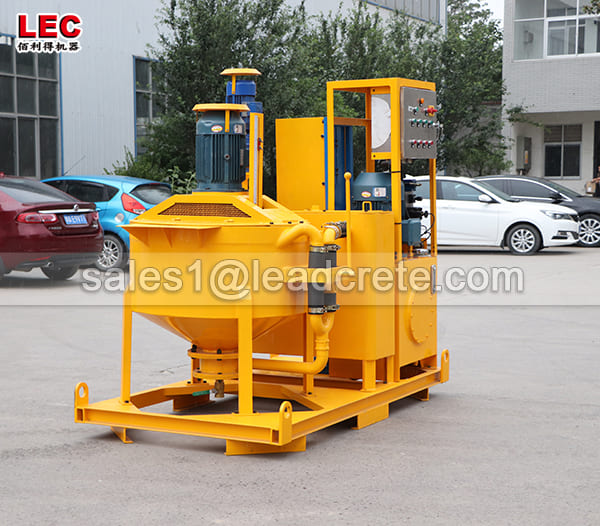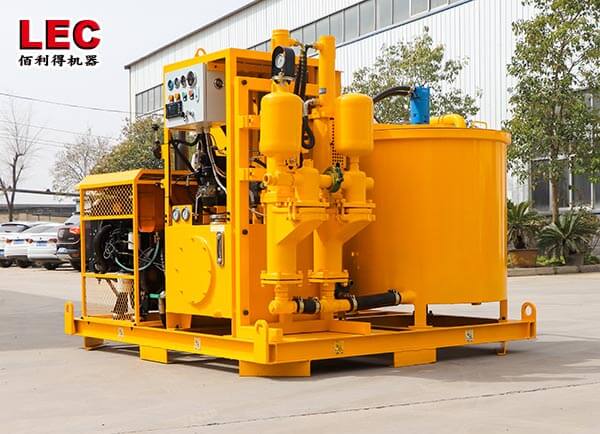
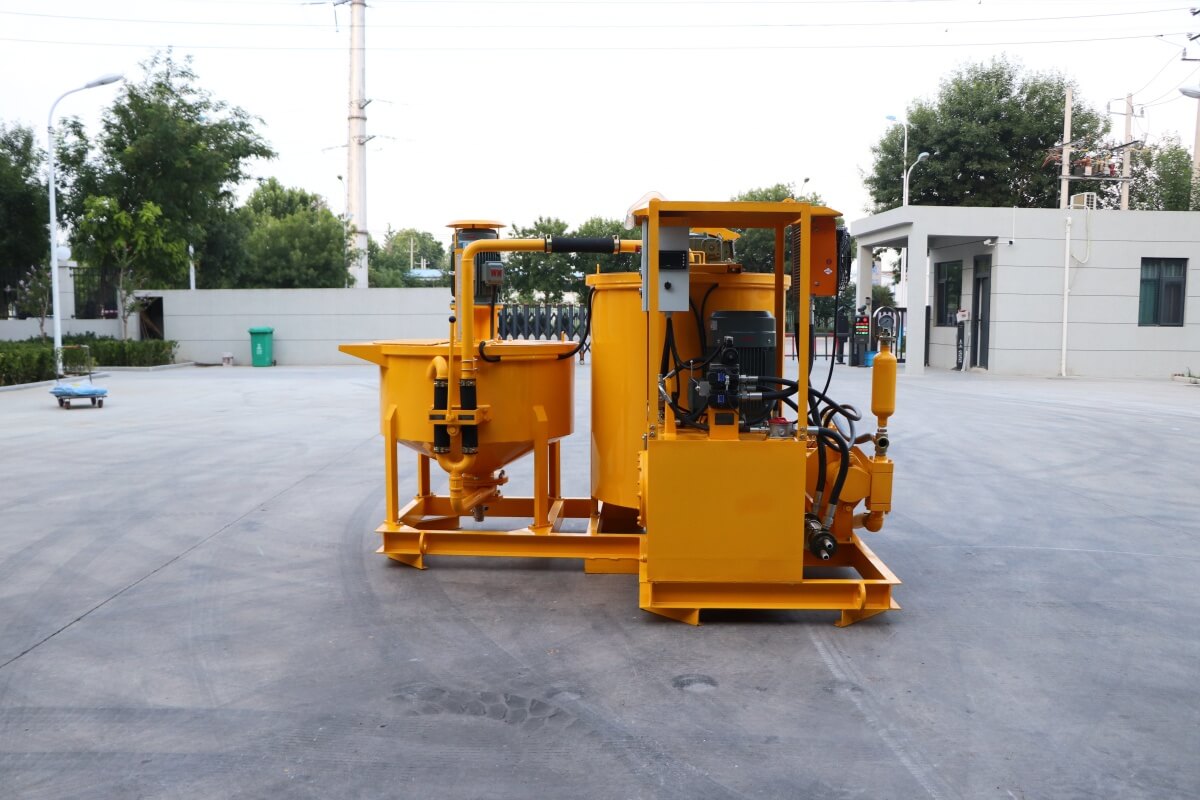
Bentonite Injection Grout Plant
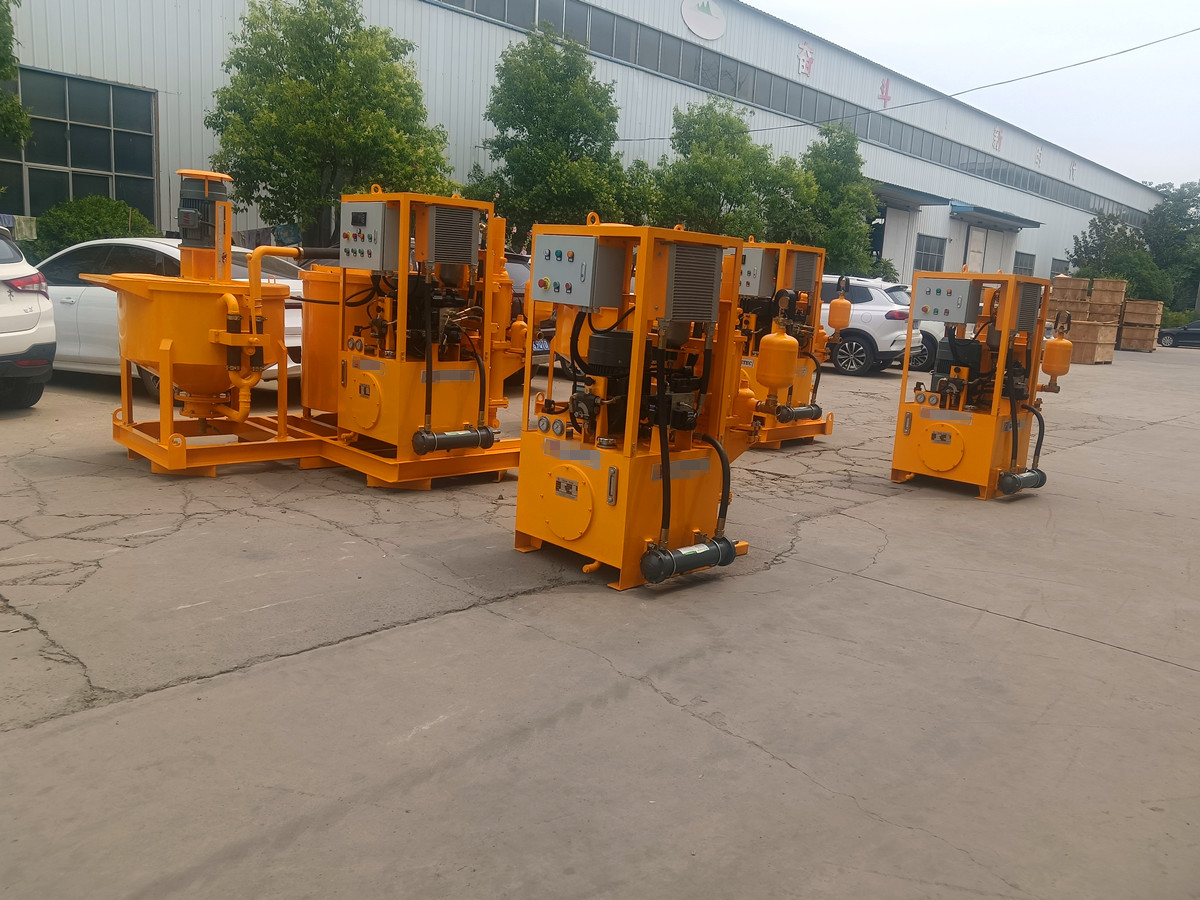
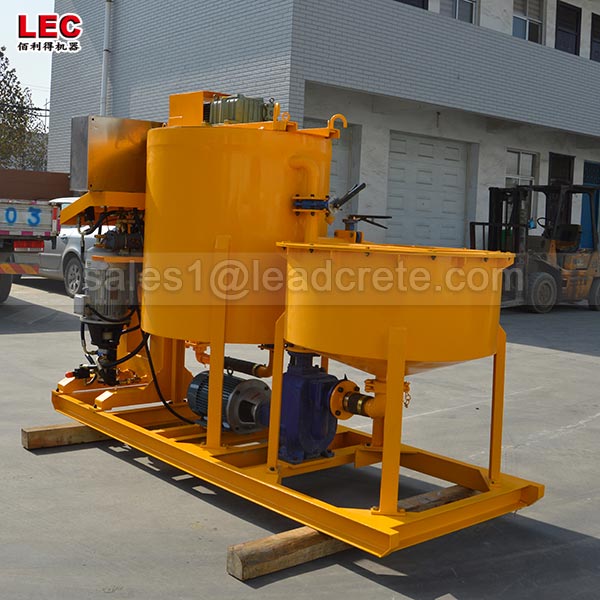
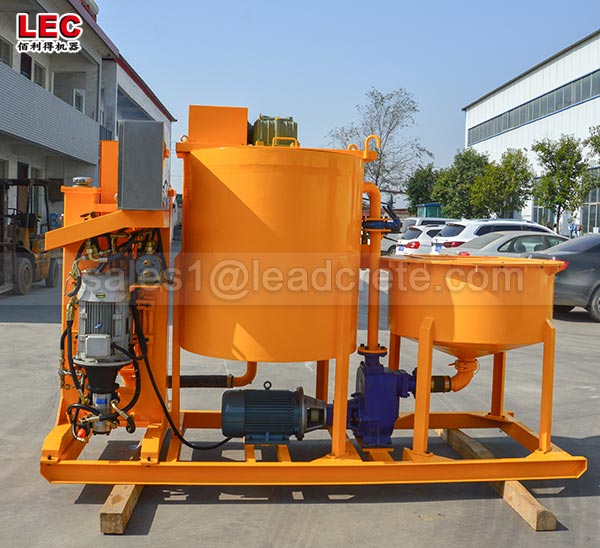
By integrating high-speed mixing, low-speed storage, and pressure injection into a single system, the bentonite injection grout plant significantly improves slurry uniformity and operational continuity. Whether for tunneling, borehole wall stabilization, ground improvement, diaphragm walls, pipe jacking, or seepage control projects, a properly configured bentonite grouting station ensures a stable supply of slurry.
For contractors, the ideal equipment is not necessarily the model with the highest capacity or pressure, but rather a system that precisely matches the slurry formula, geological conditions, project volume, and site environment.
Leadcrete Equipment specializes in the R&D and manufacturing of grouting equipment, offering bentonite injection grout plants with various capacities, pressures, flow rates, and power options tailored to specific project requirements. From equipment selection and system configuration to operational guidance and after-sales service, we are committed to providing reliable, customized mixing and grouting solutions for clients in tunneling, foundation work, drilling, and underground engineering.
In projects such as tunneling, ground improvement, borehole grouting, and underground seepage control, grout quality directly impacts grouting effectiveness and construction progress. Bentonite grout—valued for its excellent suspension, lubrication, and filling capabilities—is widely used to stabilize borehole walls, fill subsurface voids, reduce construction friction, and control groundwater.
However, bentonite tends to form clumps upon absorbing water. Insufficient mixing intensity or inaccurate mix-ratio control can lead to issues such as inadequate dispersion, uneven viscosity, or sedimentation. A Bentonite Injection Grout Plant integrates grout preparation, storage, agitation, and pressure injection into a single unit, offering a highly efficient solution for continuous, stable bentonite grouting operations.
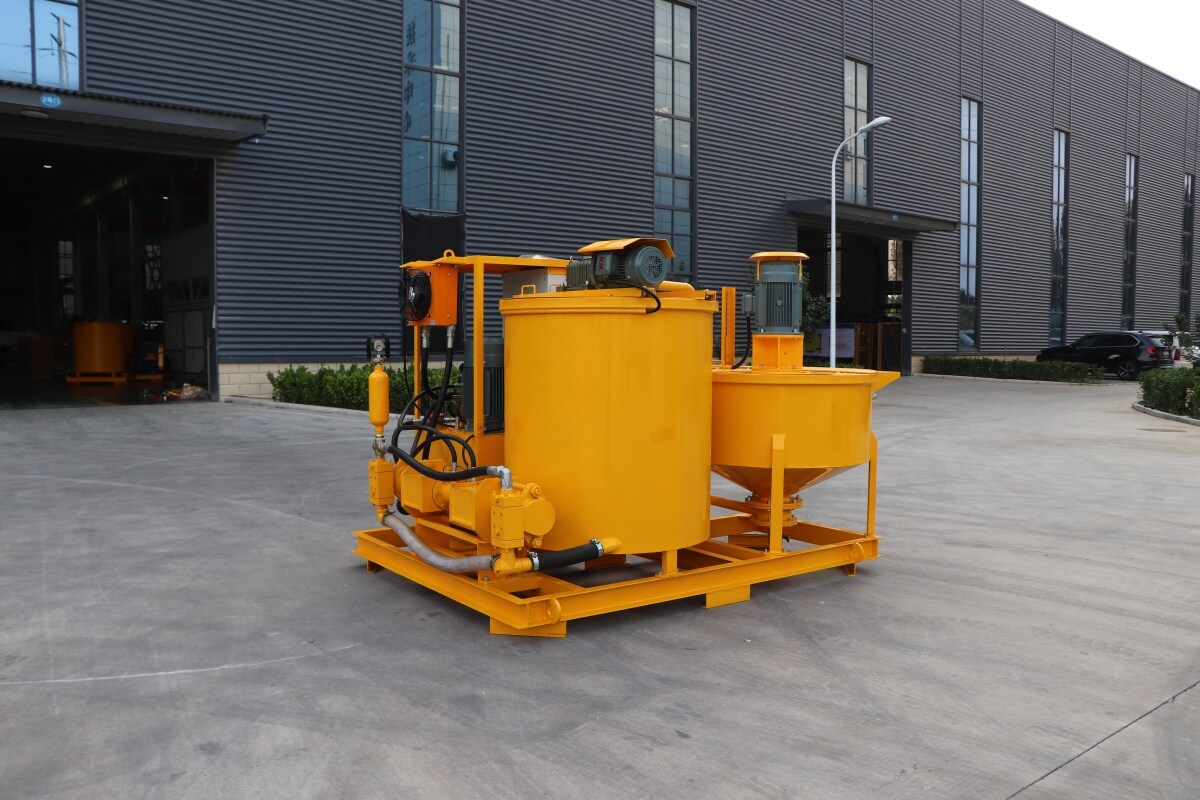
What Is a Bentonite Injection Grout Plant?
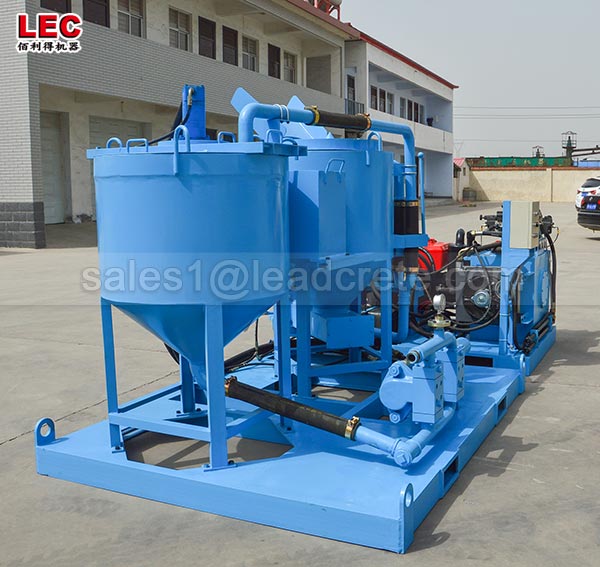
A bentonite injection grout plant is not merely a standalone mixer or grout pump; it is a comprehensive grouting system composed of multiple functional modules.
A typical bentonite injection grout plant performs the following functions:
* Rapid mixing of bentonite and water
* Shearing and dispersion of grout particles
* Temporary storage and continuous agitation of the grout
* Metered, constant-pressure delivery of the grout
* Regulation of grouting pressure and flow rate
Compared to traditional decentralized equipment setups, an integrated grouting plant minimizes the need for repeated material transfers and inter-equipment connections, allowing the grout to move relatively continuously from preparation to injection. This not only boosts construction efficiency but also reduces the risk of sedimentation or performance degradation caused by prolonged grout stagnation.
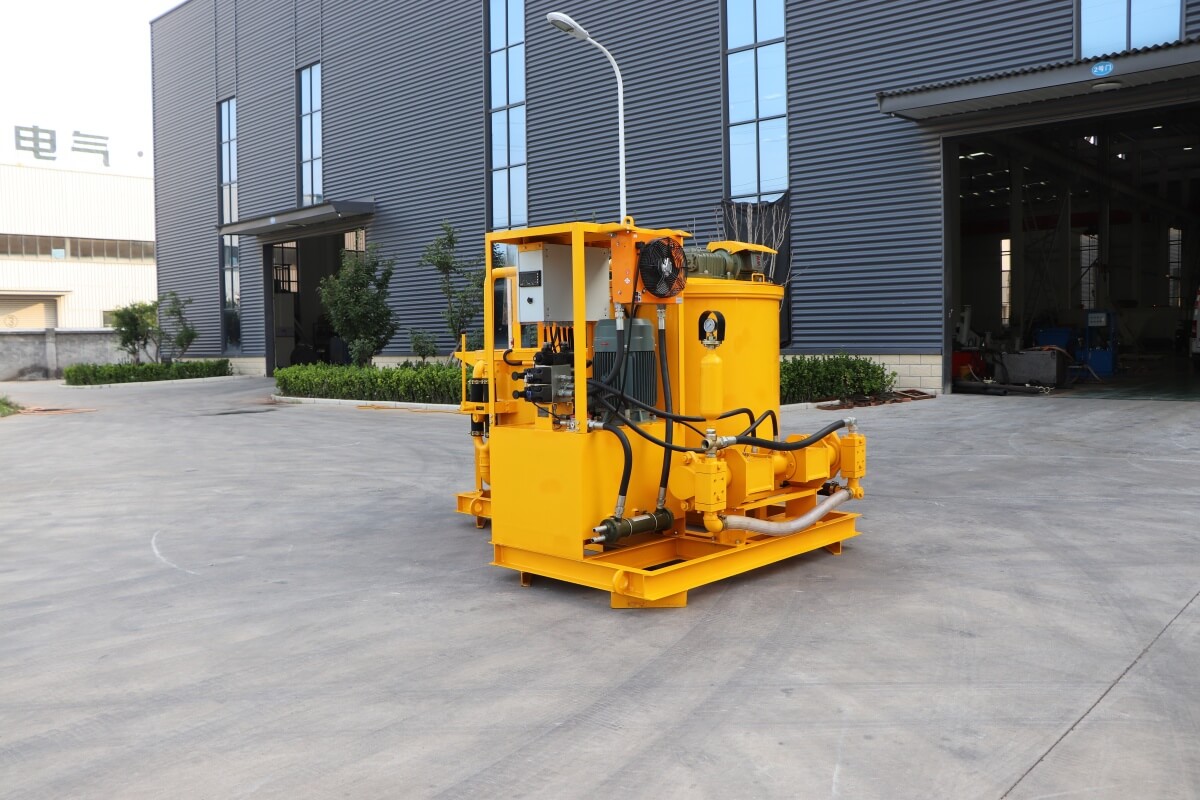
Main Components of a Bentonite Mixing and Injection System
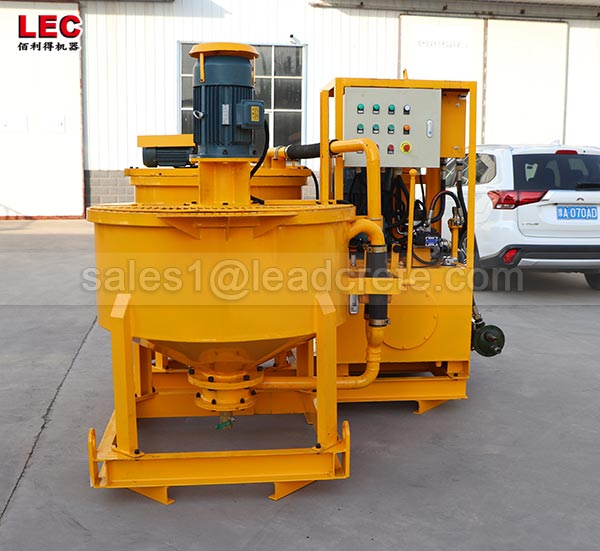
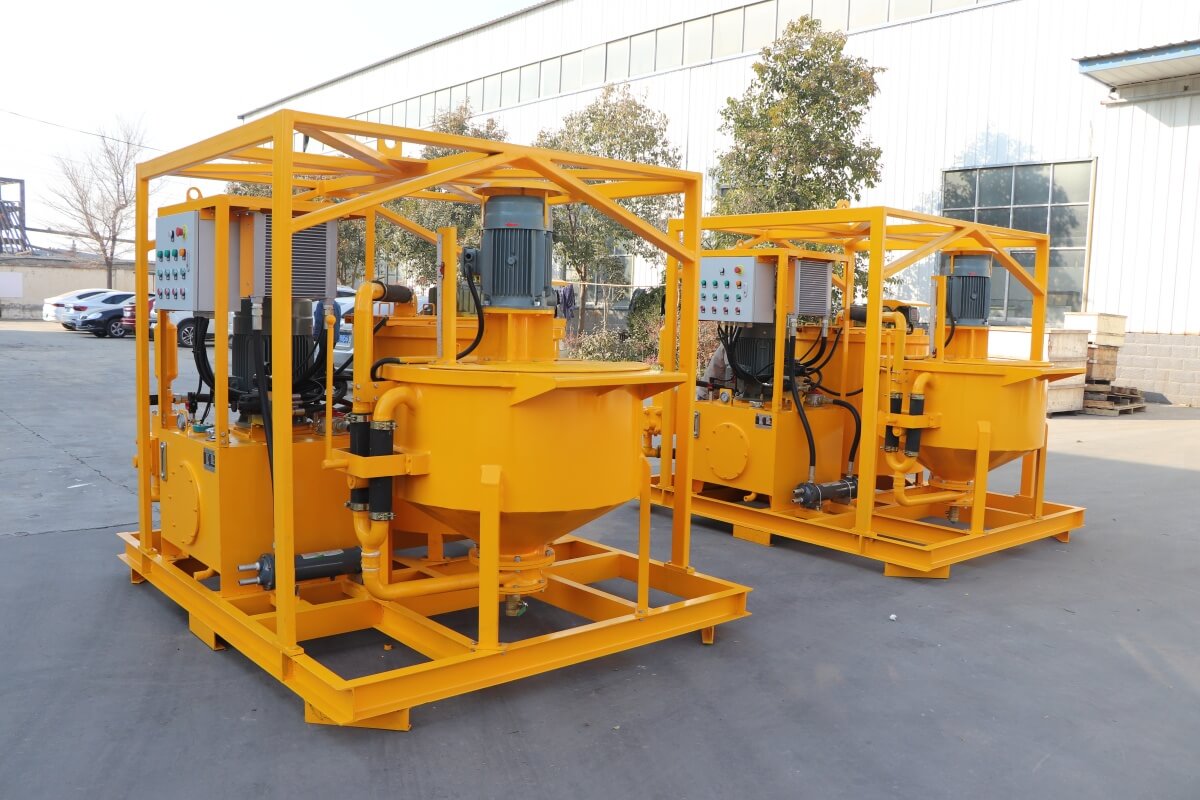
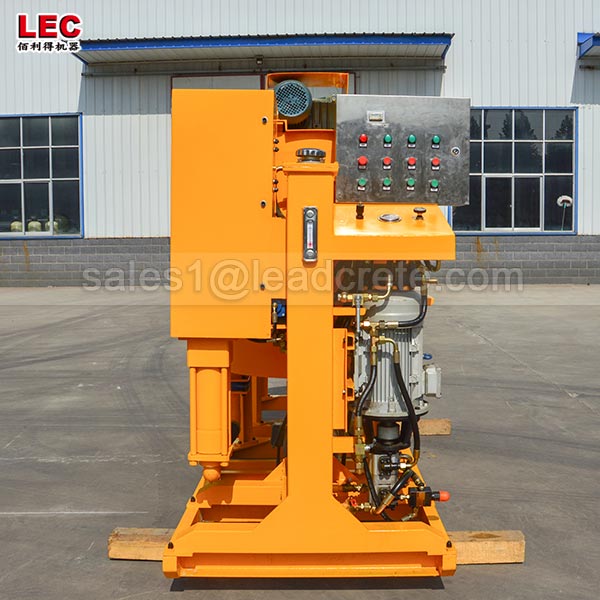
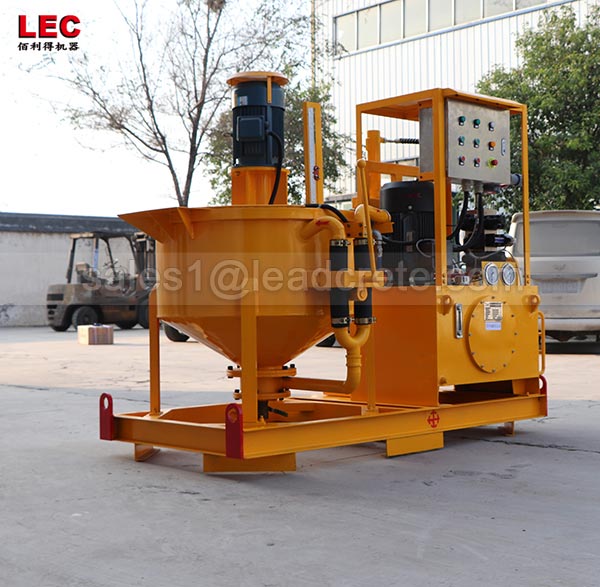
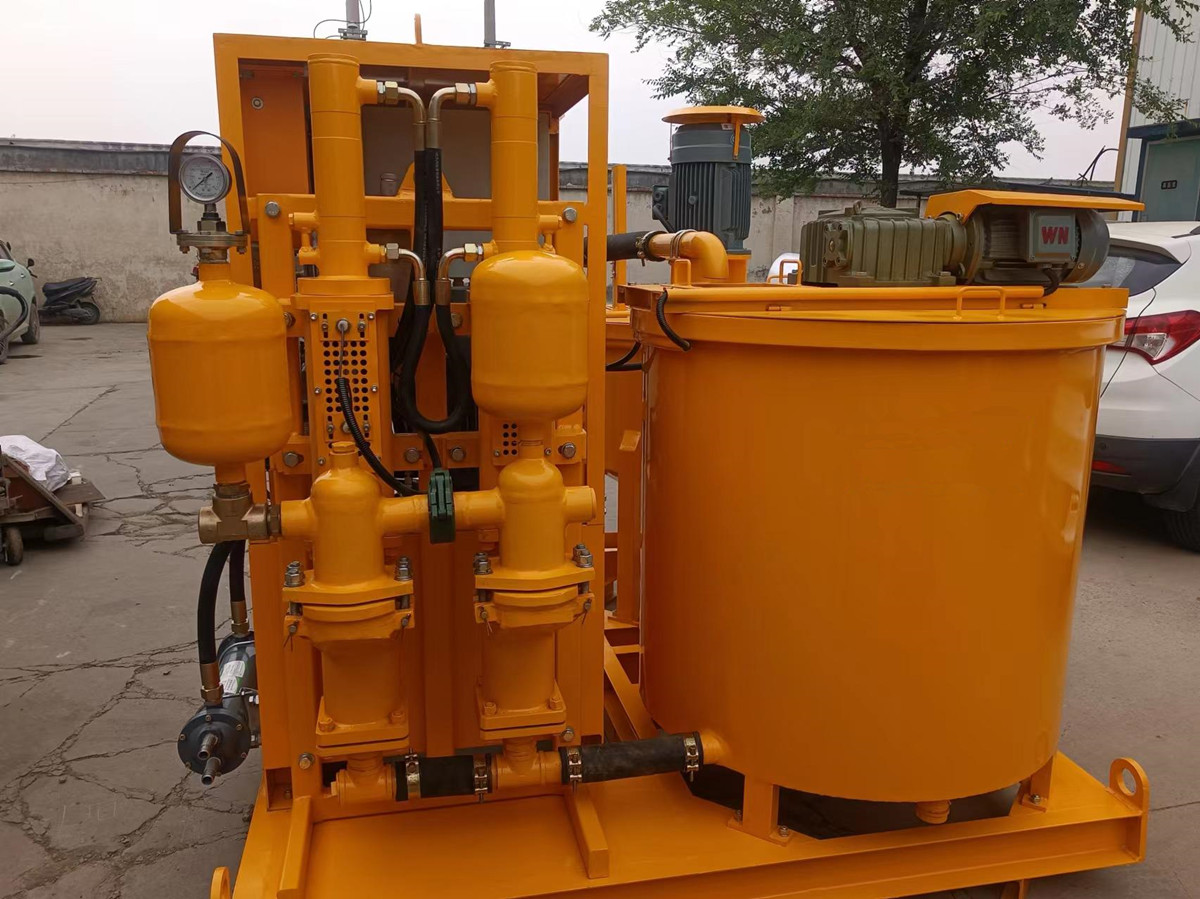
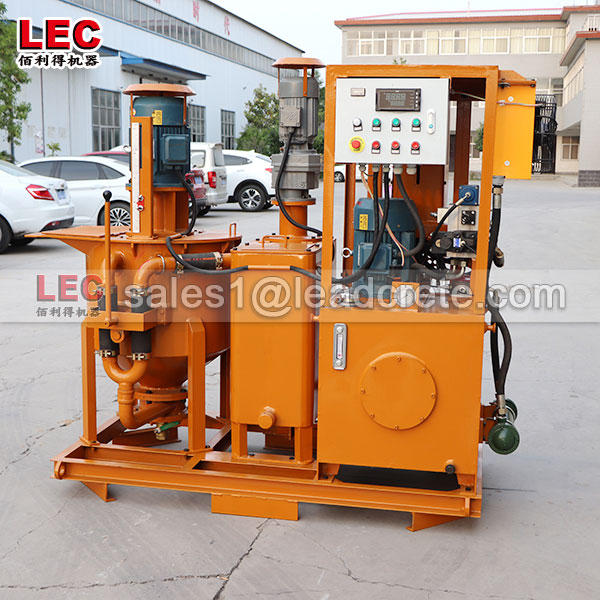
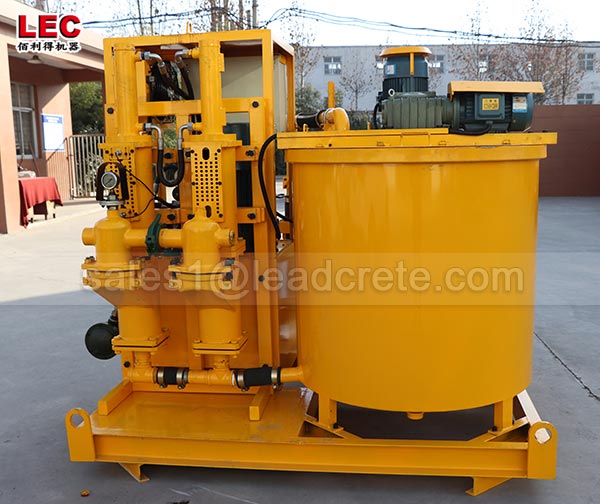
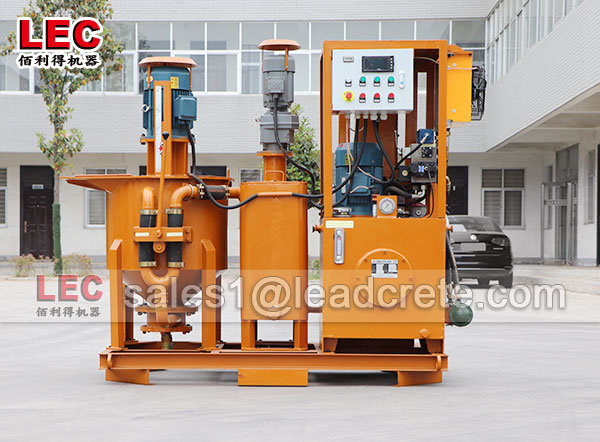
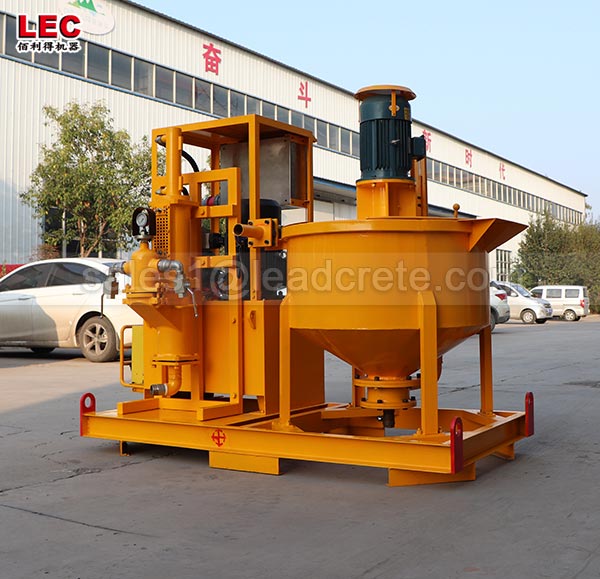
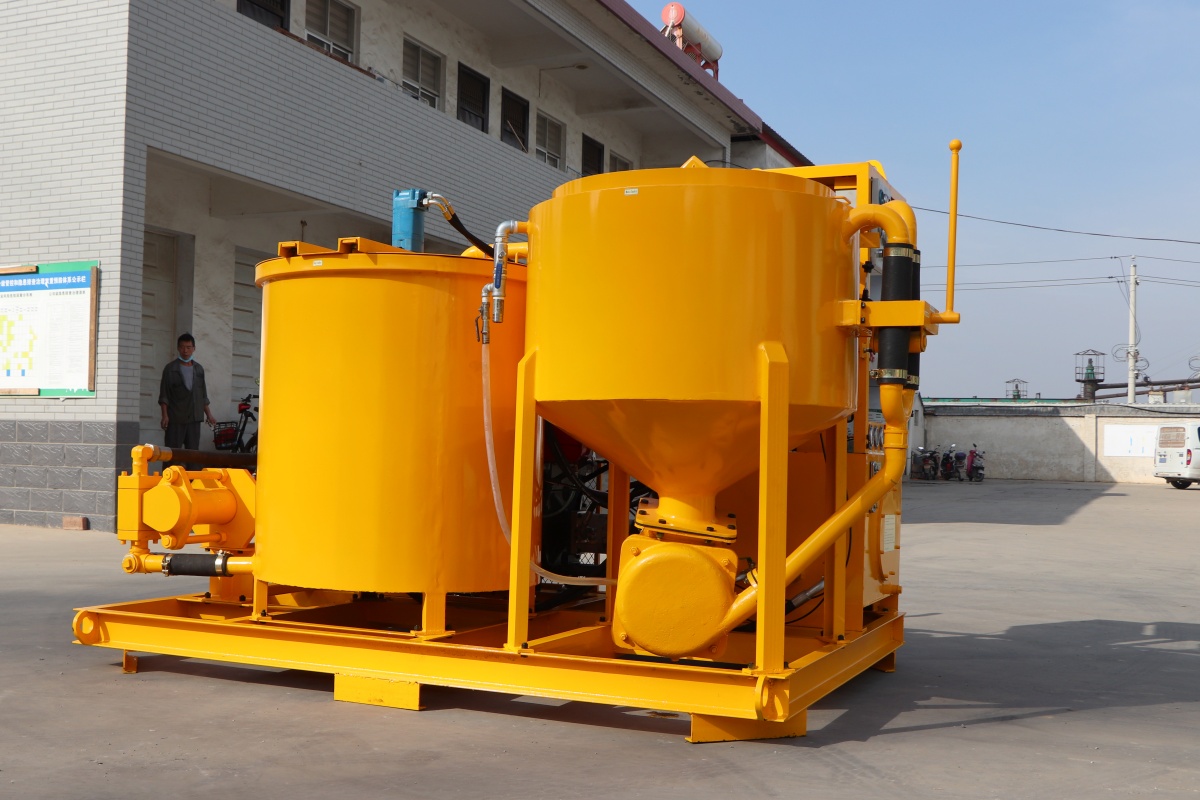
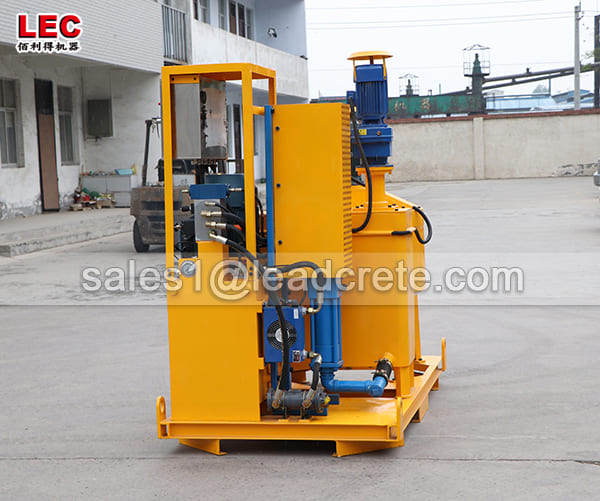
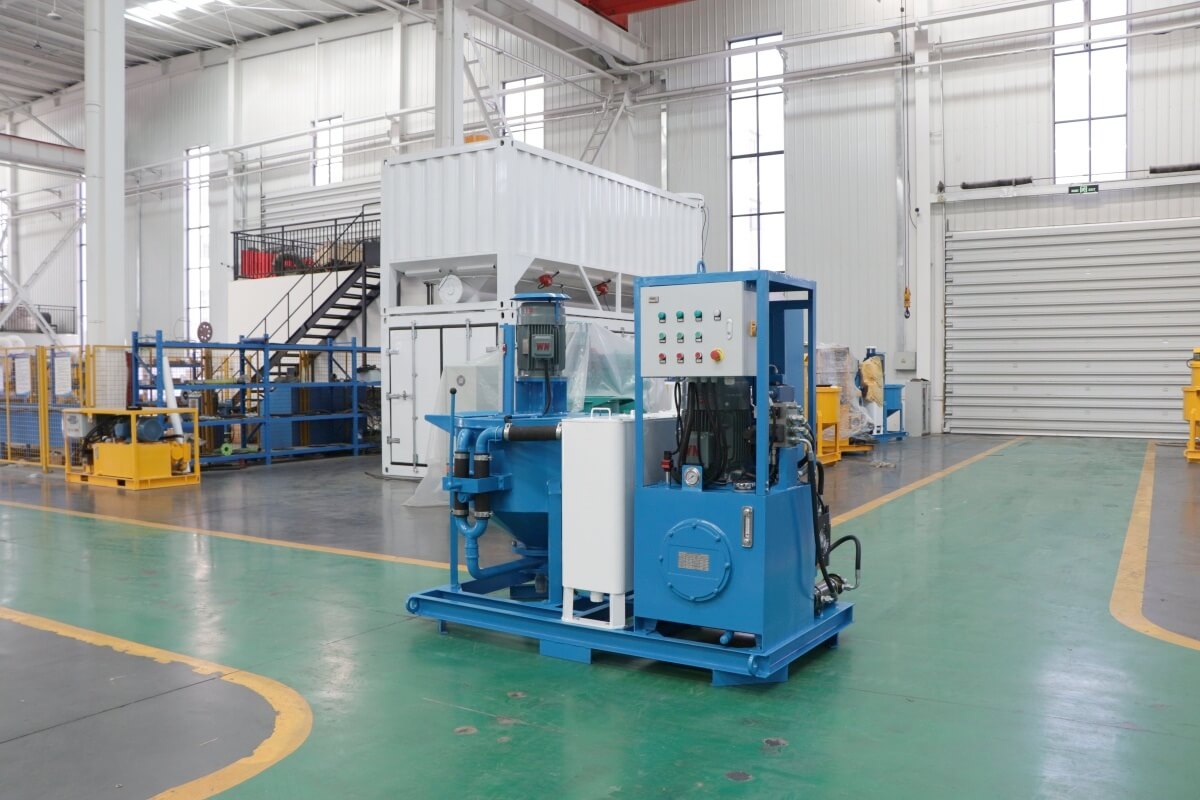
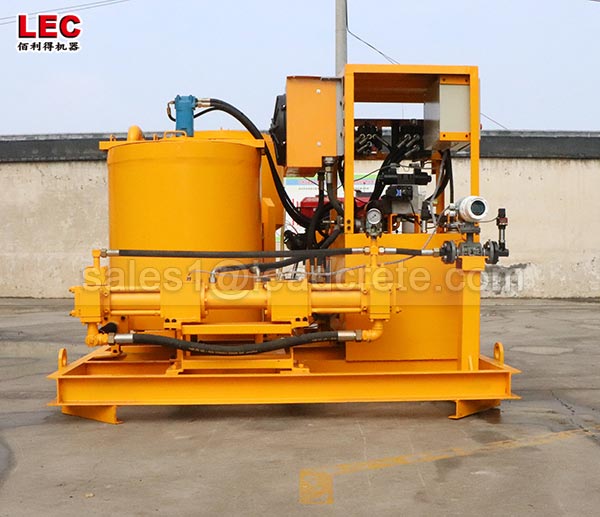
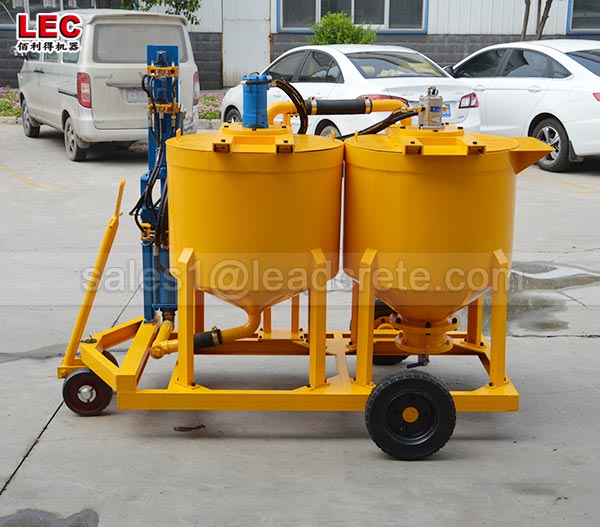
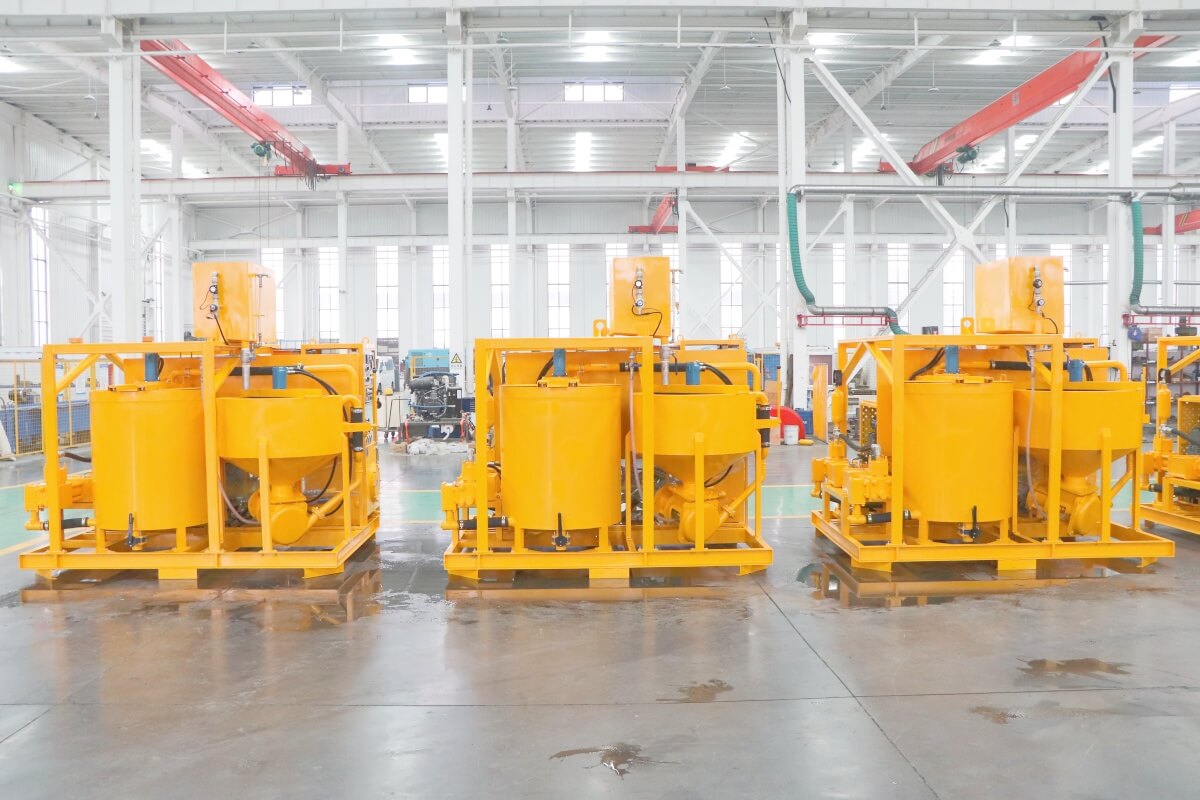
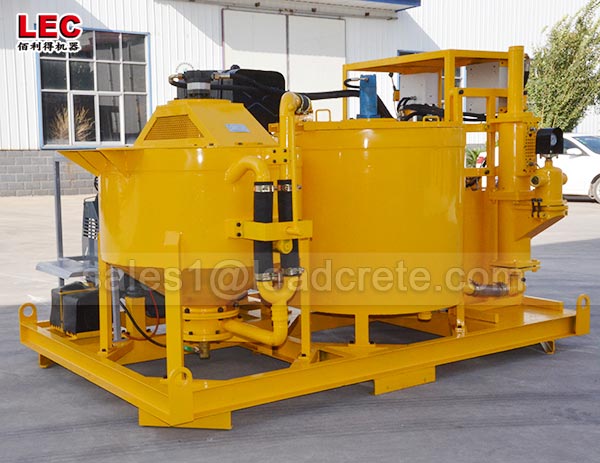
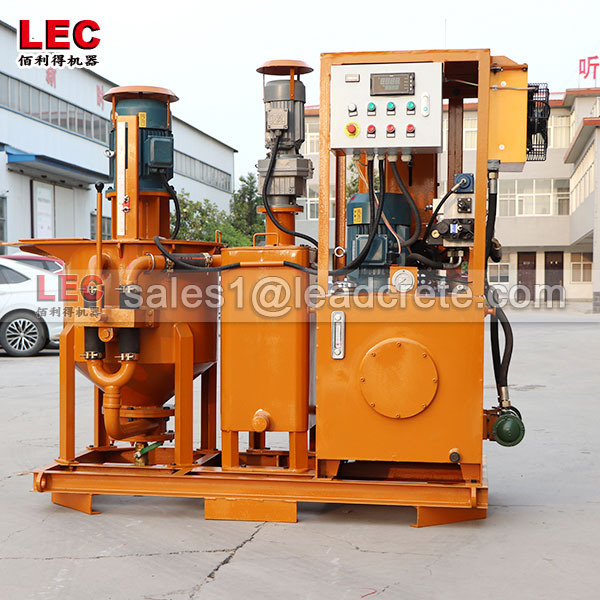
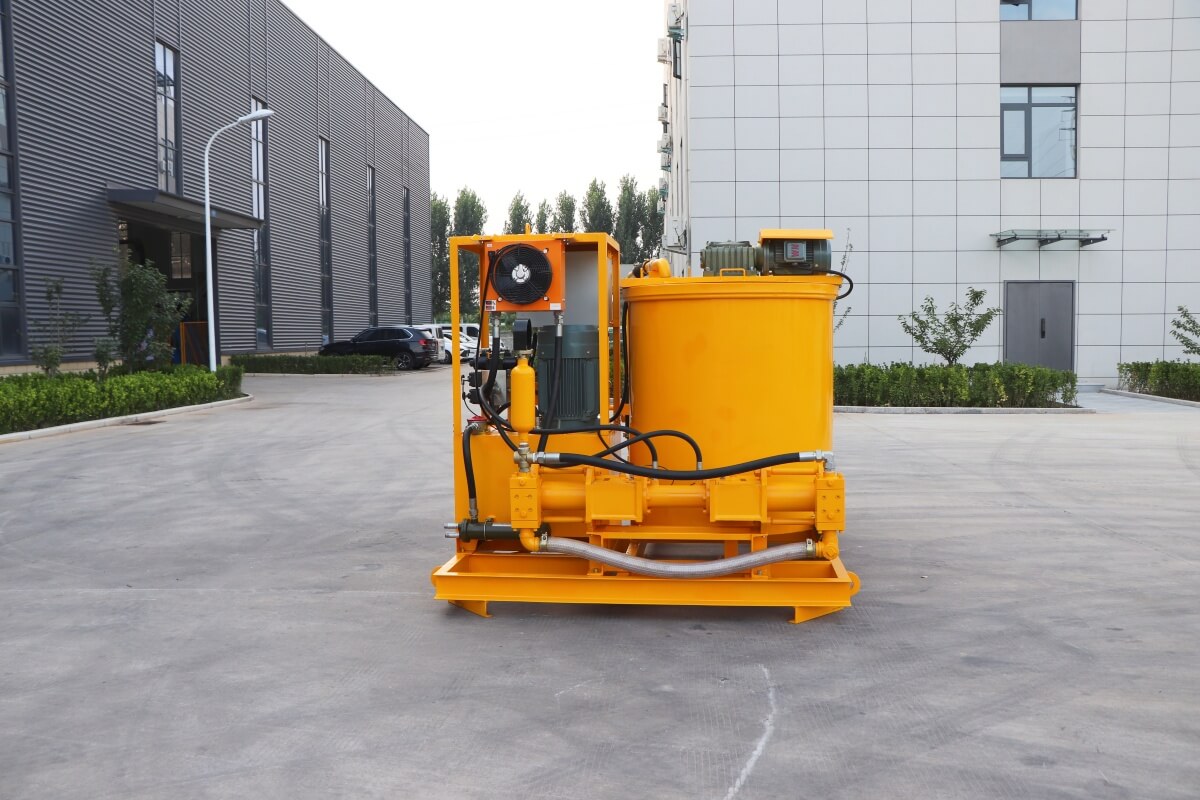
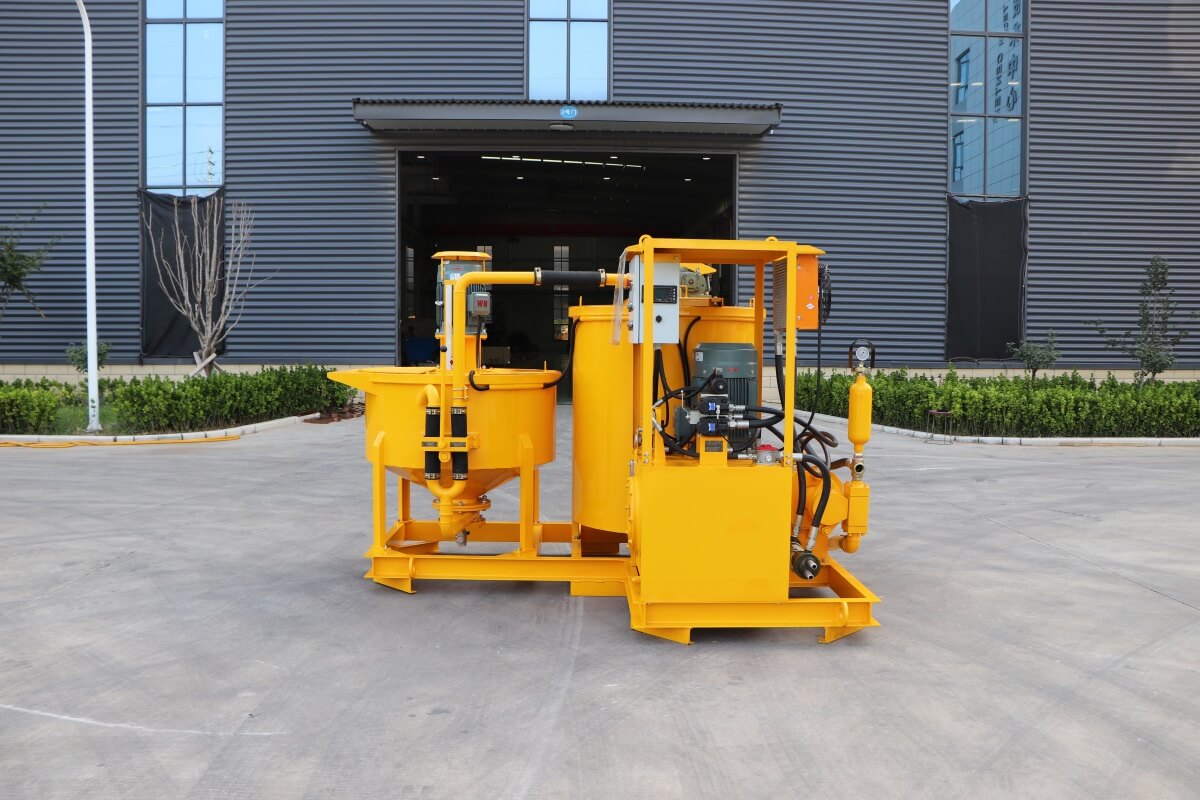
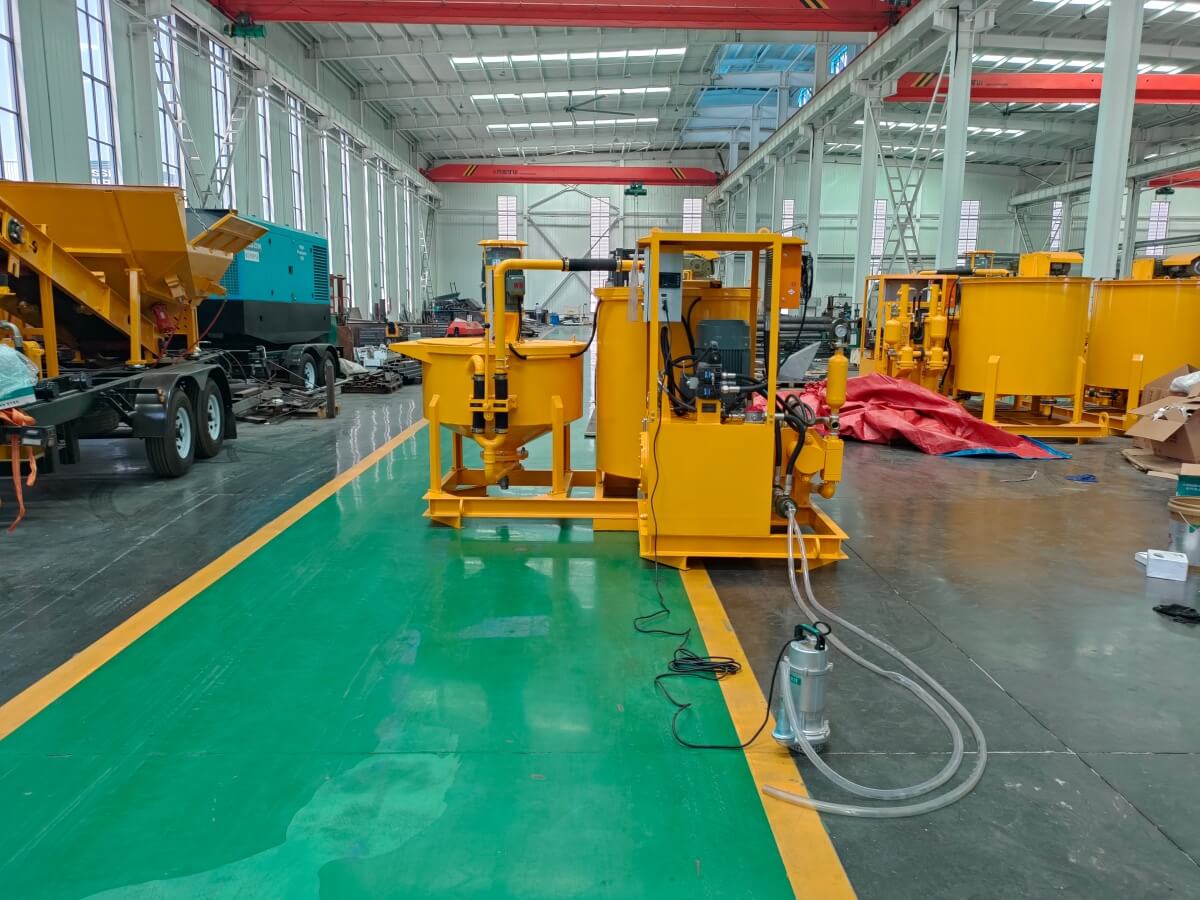
A complete bentonite mixing and injection system typically consists of a high-speed mixer, a low-speed agitation tank, a grout pump, a control system, and delivery piping.
1. High-Speed Colloidal Mixer
The high-speed colloidal mixer is the core component of the grout preparation process. Through high-speed shearing and recirculating mixing, it uniformly disperses bentonite particles in water, minimizes clumping, and shortens preparation time. Thoroughly dispersed bentonite slurry exhibits more uniform viscosity and stable flow characteristics, reducing the likelihood of clogging in pipelines and pump bodies.
2. Low-Speed Storage and Agitation Tank
After high-speed mixing, the slurry enters a low-speed agitation tank. The tank maintains slurry uniformity through continuous, gentle agitation, preventing bentonite particles from settling while awaiting injection.
Properly matching the capacities of the mixer and the storage tank enables alternating slurry preparation and continuous supply: while the storage tank feeds the injection pump, the high-speed mixer can simultaneously prepare the next batch, thereby minimizing equipment downtime.
3. Injection Pump
The injection pump delivers the bentonite slurry to boreholes, soil layers, tunnel surrounding rock, or other designated locations. Pump output flow and operating pressure should be selected based on formation conditions, delivery distance, slurry viscosity, and the specific injection objective.
For projects requiring continuous filling and high-volume delivery, priority should be given to pump displacement and continuous operation capabilities; for deep-hole, long-distance, or dense-formation grouting, the equipment’s pressure range and regulation precision are the key considerations.
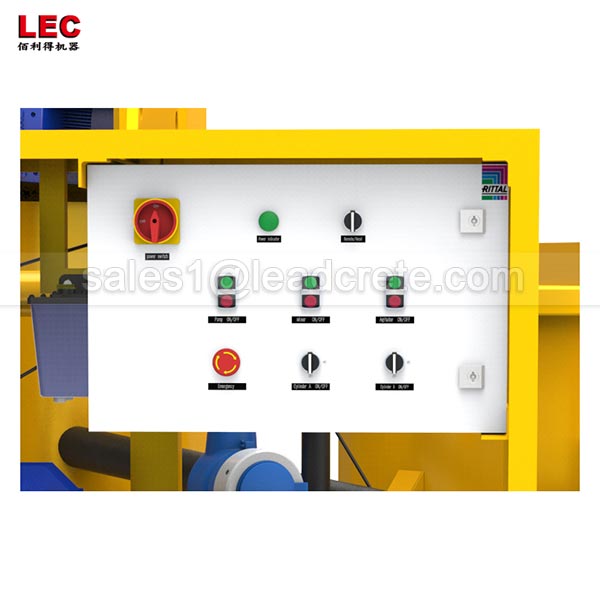
4. Control and Monitoring System
The control system manages the mixing, storage, and pumping processes. Pressure gauges, valves, and related instruments allow operators to monitor equipment status in real-time and adjust injection parameters based on on-site feedback.
For projects with high automation requirements, features such as automatic proportioning, flow monitoring, pressure recording, and data storage can be configured to support construction quality management and project acceptance.
How Does a Bentonite Injection Grout Plant Work?
The typical workflow of a bentonite injection grout plant consists of four stages: proportioning, mixing, storage, and injection.
First, operators add the appropriate amount of clean water to the mixer according to the design water-to-powder ratio, followed by the gradual addition of bentonite. Bentonite should not be added in large quantities all at once, as this can lead to the formation of clumps that are difficult to disperse.
Subsequently, the high-speed mixing system subjects the slurry to intense shearing and circulation, ensuring bentonite particles fully absorb water and disperse evenly. Once mixing is complete, the slurry enters the low-speed agitation tank for continued agitation or maturation, maintaining a stable slurry state. The prepared grout is conveyed to the construction site by a grouting pump. Operators should adjust the output flow rate and pressure based on actual grouting performance while monitoring pressure fluctuations, grout absorption rates, grout return, and formation response.
Key parameters requiring control during construction include:
* Bentonite-to-water mixing ratio
* Grout density and viscosity
* High-speed mixing time
* Storage agitation time
* Grouting flow rate and working pressure
* Grout volume per borehole
* Grouting spacing and formation absorption characteristics
There are no universal values for these parameters that apply to every project. Adjustments should be made during actual construction based on the specific properties of the bentonite material, geological conditions, grouting objectives, and test results.
Applications of Bentonite Grouting Plants in Construction
Due to the excellent suspension, lubrication, borehole wall stabilization, and void-filling properties of bentonite grout, bentonite grouting plants are suitable for a wide range of underground engineering and foundation construction scenarios.
1. Tunneling and Underground Engineering
In tunneling, bentonite grout is used to fill formation voids, stabilize loose soil, assist in groundwater control, and improve local surrounding rock conditions. Integrated grouting stations provide a continuous supply of grout within the tunnel, making them ideal for projects with limited workspace and high requirements for equipment continuity.
2. Borehole Injection and Wall Stabilization
During drilling operations, bentonite grout forms a mud cake on the borehole wall, helping to stabilize the wall and reduce the risk of collapse. Additionally, its lubricating effect helps minimize friction between the drilling tools and the borehole wall.
3. Ground Improvement and Soil Stabilization
In loose, weak, or void-prone formations, injecting bentonite grout through boreholes can fill voids and enhance the stability of the construction area. The specific outcome depends on soil structure, grout mix proportions, and the grouting method; on-site testing is typically required prior to full-scale construction.
4. Micropiles and Deep Foundation Engineering
Micropile, pile foundation, and deep foundation projects often require grout preparation and injection to be carried out in confined spaces. Compact bentonite injection grout plants consolidate mixing, storage, and pumping modules into a single unit, thereby reducing the site footprint and minimizing equipment interconnection requirements. 5. Diaphragm Wall Construction
Bentonite slurry is a common working medium in diaphragm wall trenching; it supports trench walls, transports some drill cuttings, and maintains the fluid level within the trench. A stable, continuous supply of slurry is crucial for ensuring the quality of the trench walls.
6. Pipe Jacking and Trenchless Construction
In pipe jacking, horizontal directional drilling, and other trenchless projects, bentonite slurry acts as a lubricant and transport medium for cuttings while reducing frictional resistance, thereby facilitating the smooth advancement of construction equipment.
7. Hydraulic and Anti-Seepage Engineering
For dams, levees, underground structures, and other anti-seepage projects, bentonite slurry is used to fill fissures or create low-permeability barriers. Equipment must be configured with appropriate pressure and flow rate settings based on the grouting depth, fissure conditions, and scope of work.
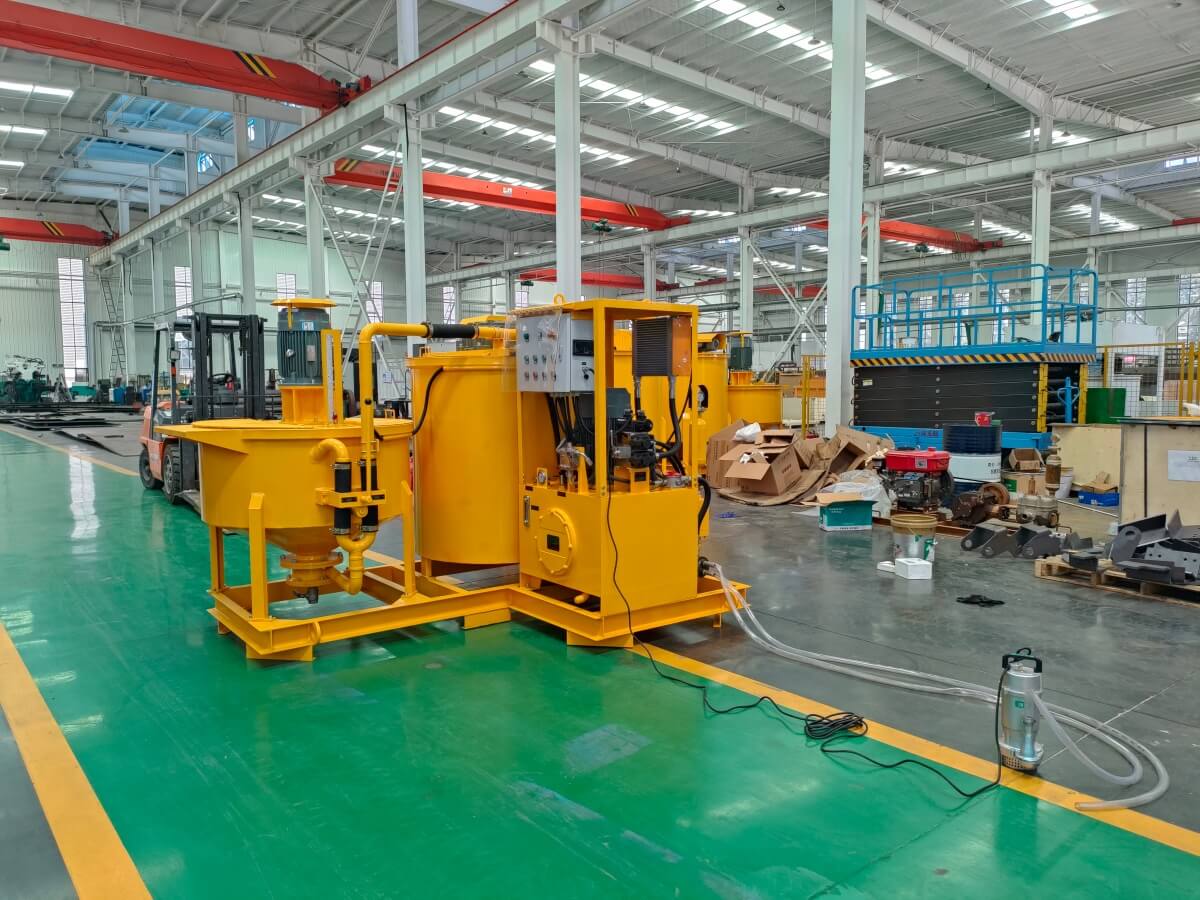
How to Select the Right Bentonite Injection Grout Plant
When selecting a bentonite grouting plant, one should not focus solely on mixing tank capacity or the maximum pressure of the grouting pump. Instead, the entire construction process should be considered to ensure a proper balance between slurry production, storage, and pumping capabilities.
1. Determine Mixing Capacity Based on Workload
Large-scale tunneling, diaphragm wall, and foundation projects typically require a continuous, high-volume supply of slurry; therefore, mixing equipment with high production capacity should be selected. Conversely, small-scale drilling or localized repair projects are better suited to compact, highly mobile units.
2. Properly Match the Mixer and Storage Tank
The capacity of the storage tank should generally meet the requirements for continuous slurry supply. If the storage capacity is too small, the grouting pump may frequently experience downtime while waiting for supply; if the capacity is too large relative to the construction speed, the slurry may remain in the tank for an excessively long time.
For example, a combination of a 300L high-speed mixer and a 500L low-speed storage tank allows the two vessels to operate alternately—supplying slurry from one while preparing the next batch in the other—thereby enhancing construction continuity. 3. Selecting a Grouting Pump Based on Operating Conditions
Consider the following factors when selecting a grouting pump:
* Design grouting pressure
* Required output flow rate
* Grout viscosity
* Conveying distance and height
* Pipeline diameter
* Formation grout absorption capacity
* Requirement for stepless flow/pressure regulation
Note that the equipment’s maximum pressure rating is not necessarily the pressure required during actual operation. Grouting pressure should be adjusted incrementally based on geological conditions to prevent formation heave, grout migration, or structural damage.
4. Selecting the Appropriate Power Source
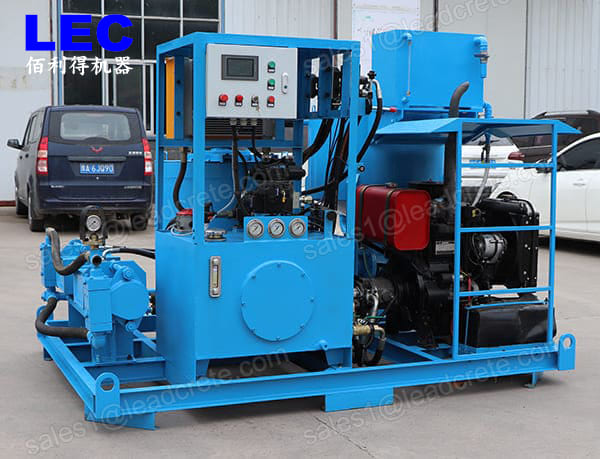
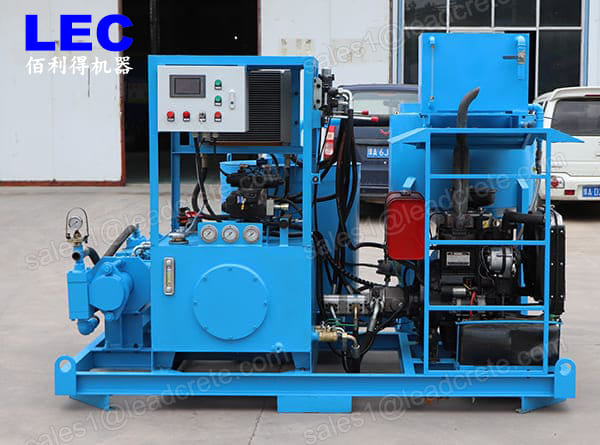
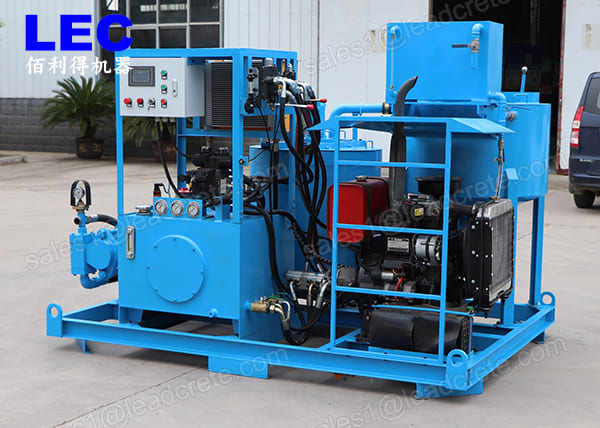
Electric systems offer stable operation and relatively low noise levels, making them suitable for fixed sites with reliable power supplies. Diesel-powered equipment relies less on site power infrastructure, making it better suited for remote areas, field projects, or environments with unstable power supply.
5. Considering Mobility, Lifting, and Transport Requirements
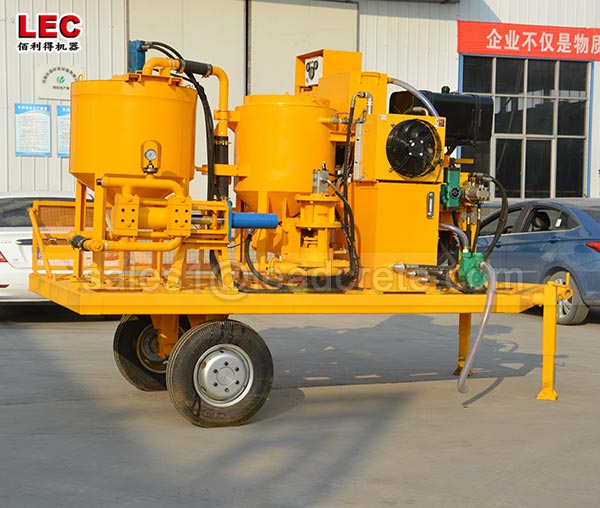
Tunnels, mines, and underground spaces often impose constraints on equipment dimensions and transport methods. Therefore, equipment selection should account for overall dimensions, weight, lifting points, forklift pockets, and modularity. For projects requiring frequent relocation, skid-mounted, trailer-mounted, or containerized configurations are suitable options.
Operation, Maintenance, and Customization of Bentonite Grouting Equipment
Stable equipment performance depends not only on proper selection but also on standardized operation and routine maintenance.
Before startup, inspect pipelines, valves, electrical systems, and drive components to ensure secure connections and the absence of visible leaks. When preparing the grout, add water and bentonite in the prescribed sequence to prevent dry powder from entering the pump body or pipelines in a concentrated mass.
During the grouting process, operators must continuously monitor pressure fluctuations. A sudden rise in pressure may indicate pipeline blockages, valves not fully opened, or excessive grout viscosity; a significant drop in pressure suggests potential leaks, insufficient intake, or a sudden increase in the formation’s grout absorption rate.
After each operation, promptly flush the mixing tank, grouting pump, valves, and delivery pipelines with clean water. Bentonite grout can thicken or settle if left standing for extended periods; if it hardens inside the pipelines, subsequent cleaning and maintenance become significantly more difficult. Bentonite injection grout plants can be customized for specific projects, offering options such as:
* Adjusting the capacities of the high-speed mixer and storage tank
* Configuring grout pumps with varying pressure and flow rate specifications
* Selecting electric or diesel power sources
* Adding automatic water and material dosing functions
* Incorporating recording systems for flow rate, pressure, and injection volume
* Utilizing skid-mounted, trailer-mounted, or containerized configurations
* Adding remote control and data monitoring capabilities