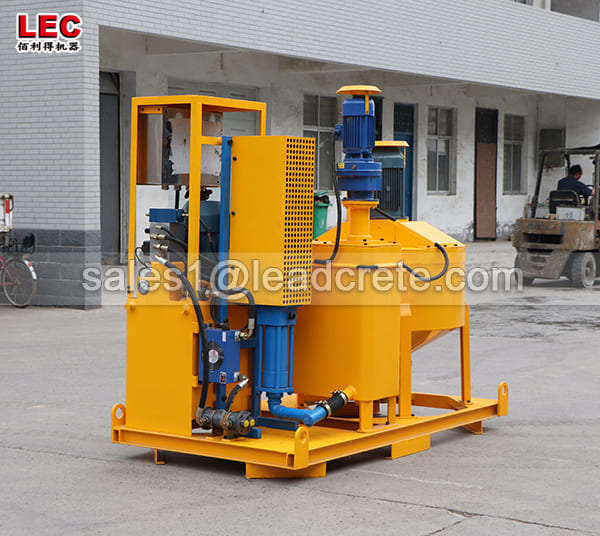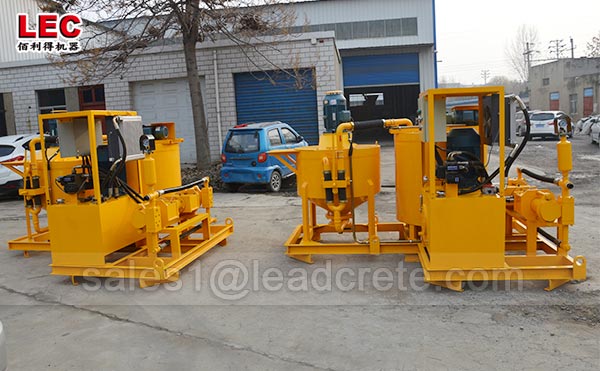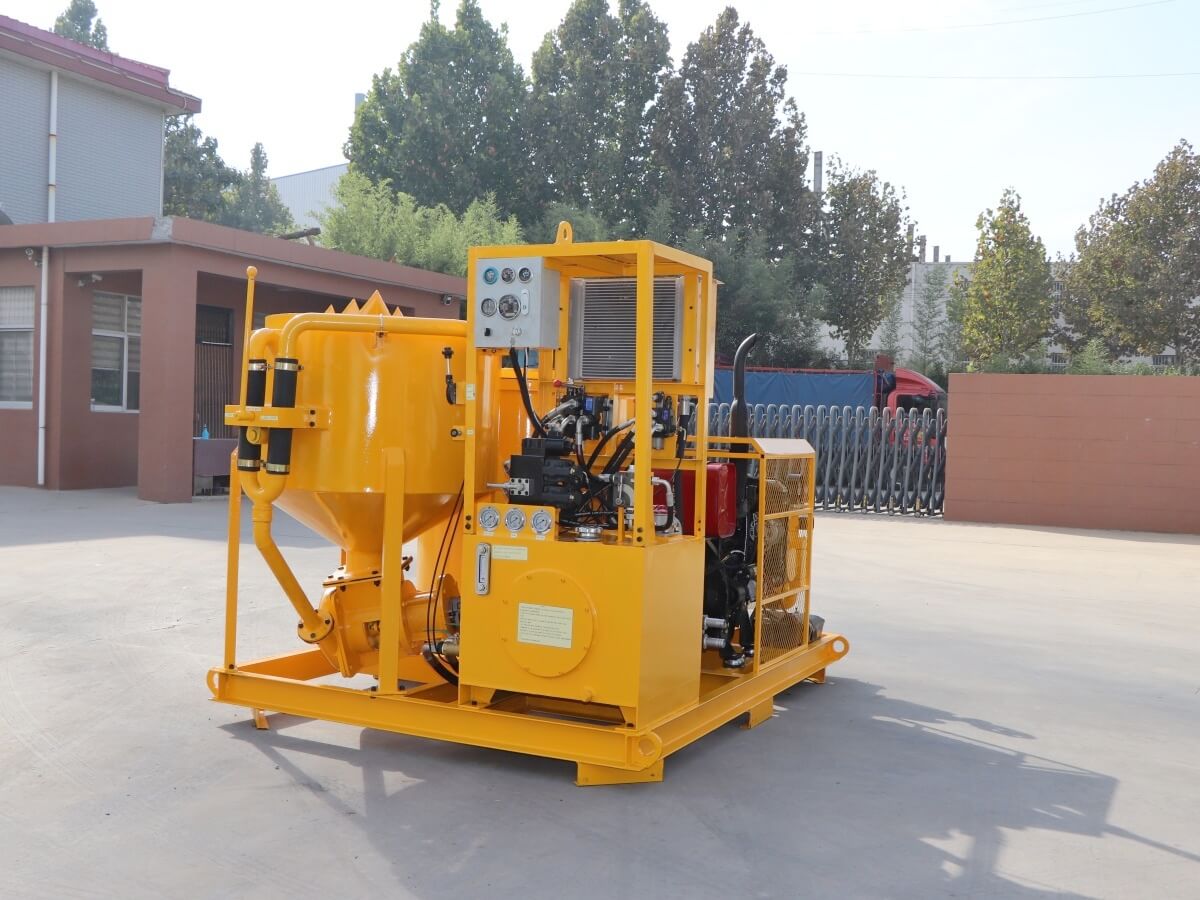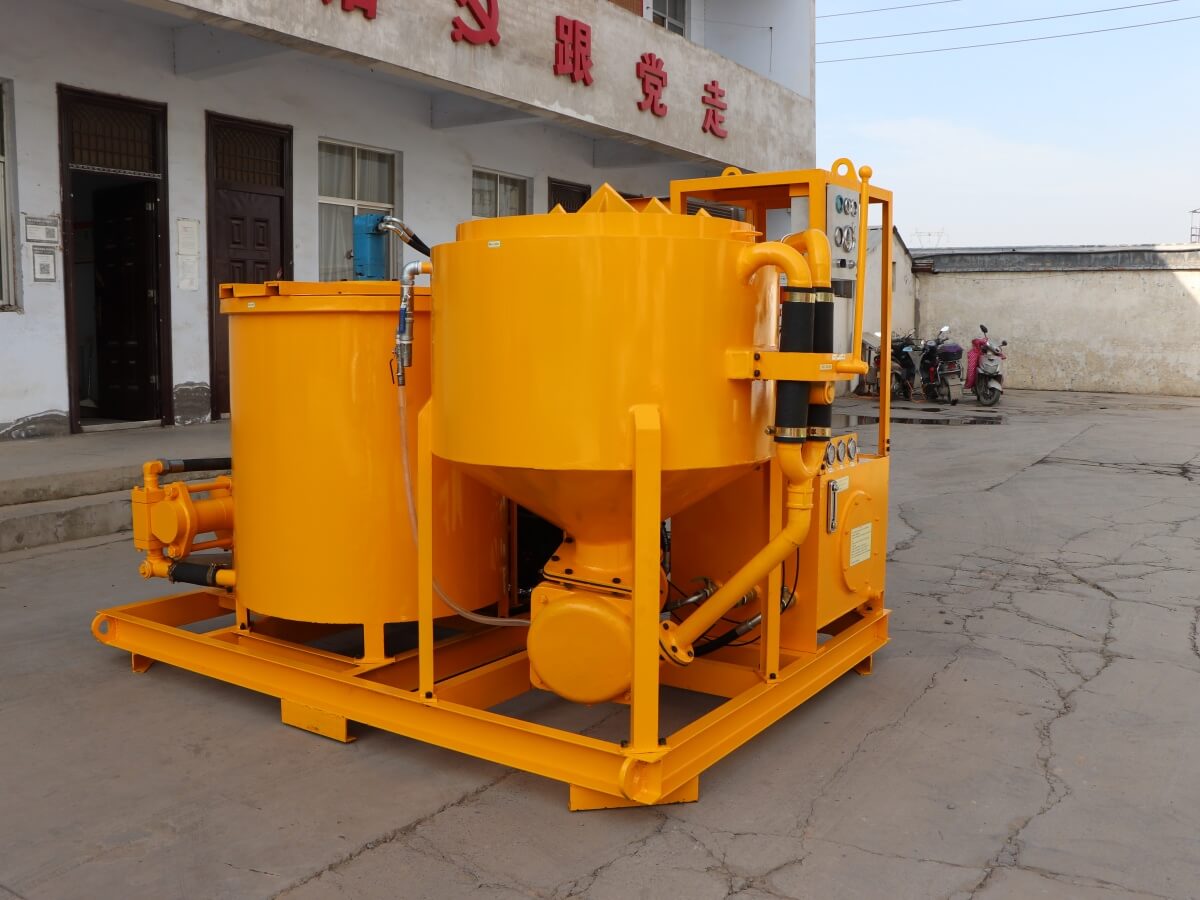
Bentonite Slurry Mixing and Injection Plant
High-quality slurry preparation and stable, pressurized delivery are fundamental to ensuring effective bentonite grouting. By integrating high-speed mixing, slurry storage, continuous agitation, and pressure injection capabilities, the Bentonite Slurry Mixing and Injection Plant streamlines construction workflows while enhancing slurry uniformity and grouting continuity.
Whether for tunnel reinforcement, foundation treatment, borehole grouting, dam seepage control, or mining projects, a properly configured bentonite mixing and injection plant enables contractors to minimize material waste, boost operational efficiency, and achieve consistent grouting quality.
1. What Is a Bentonite Slurry Mixing and Injection Plant?
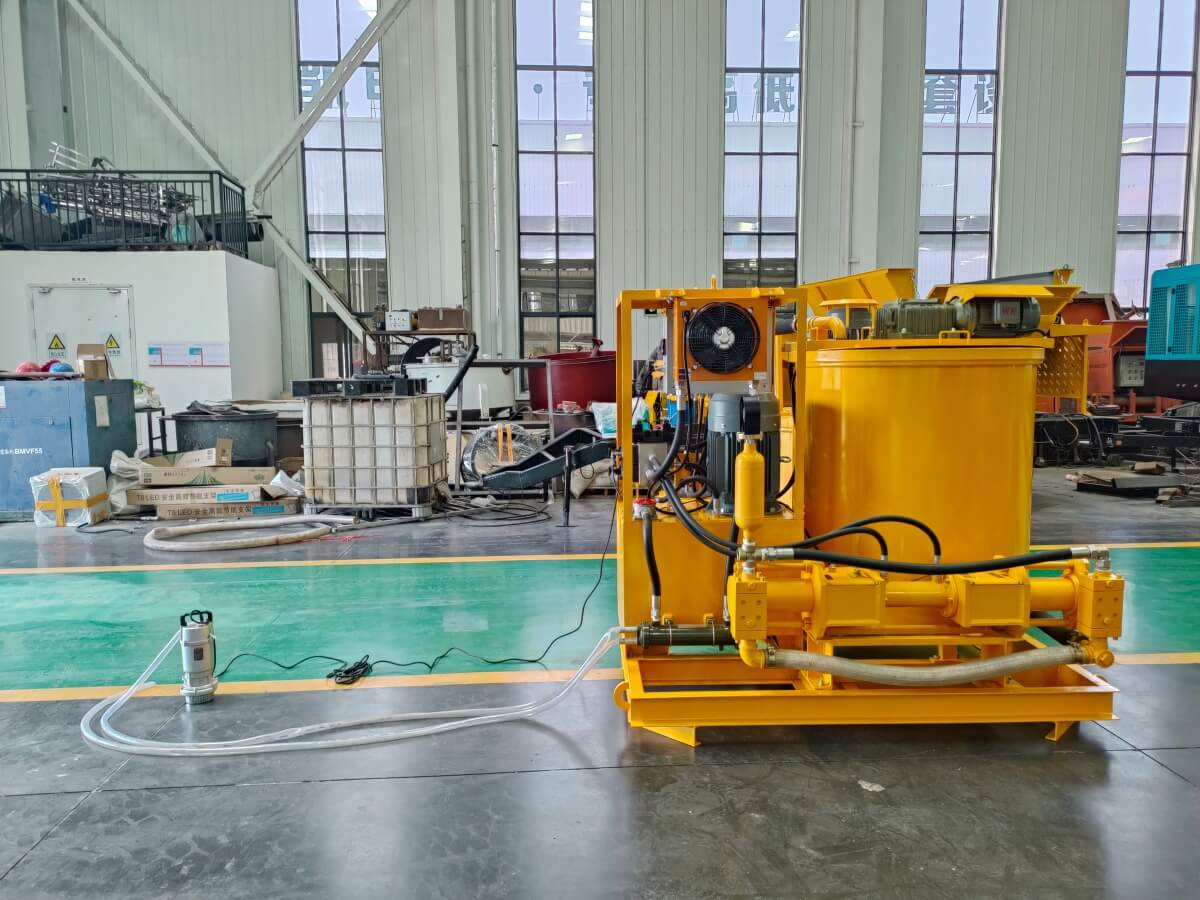
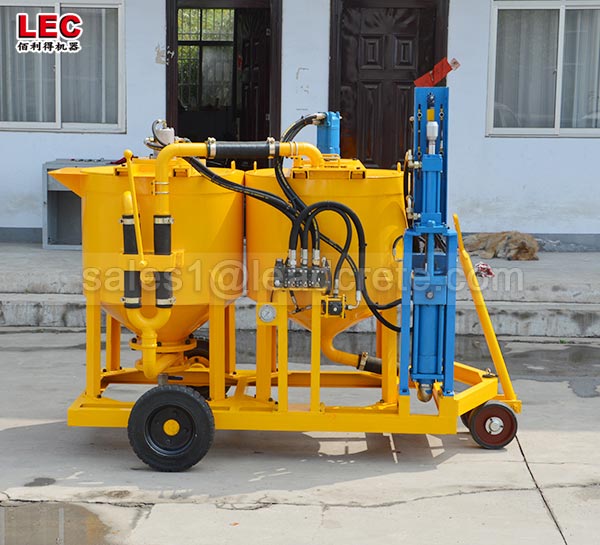
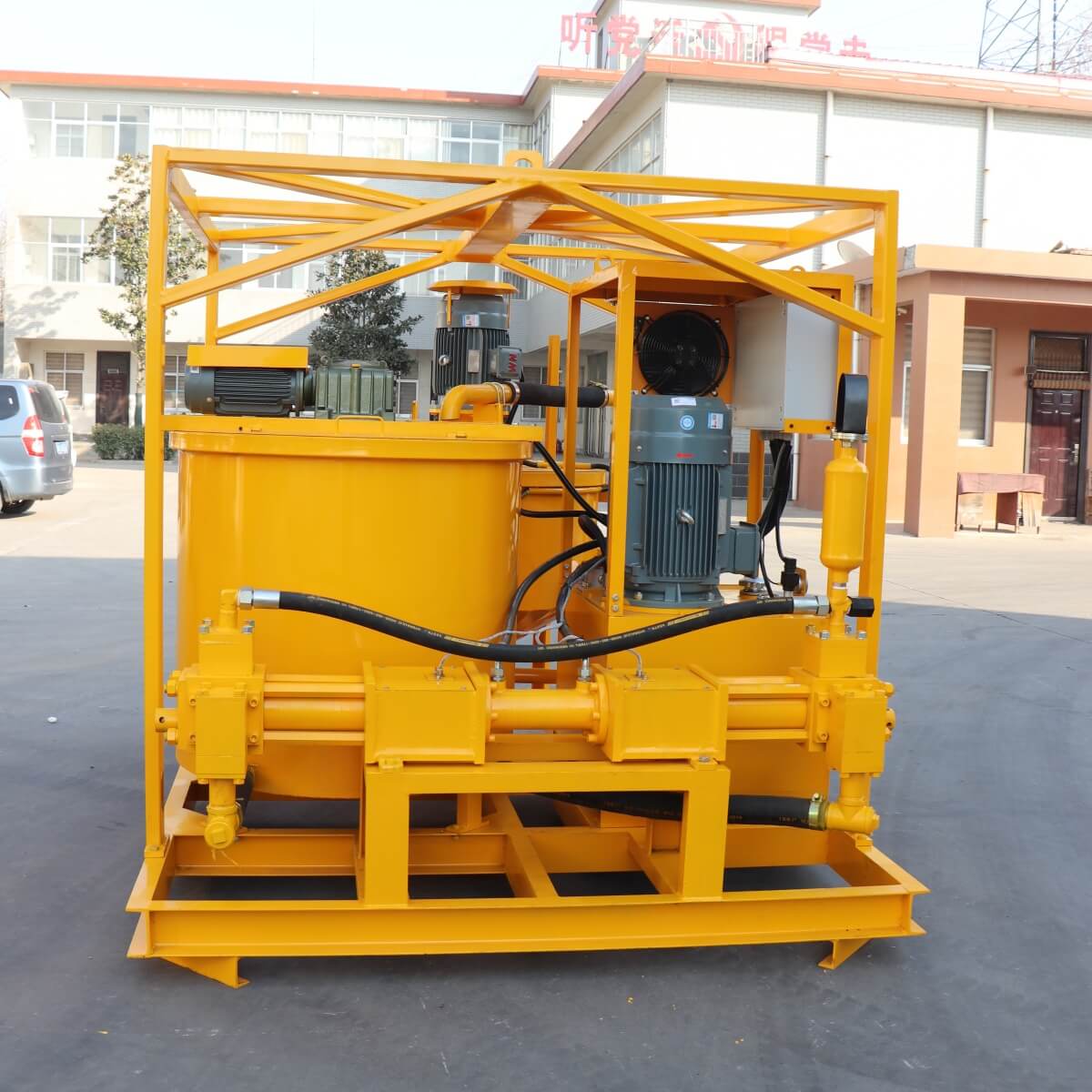
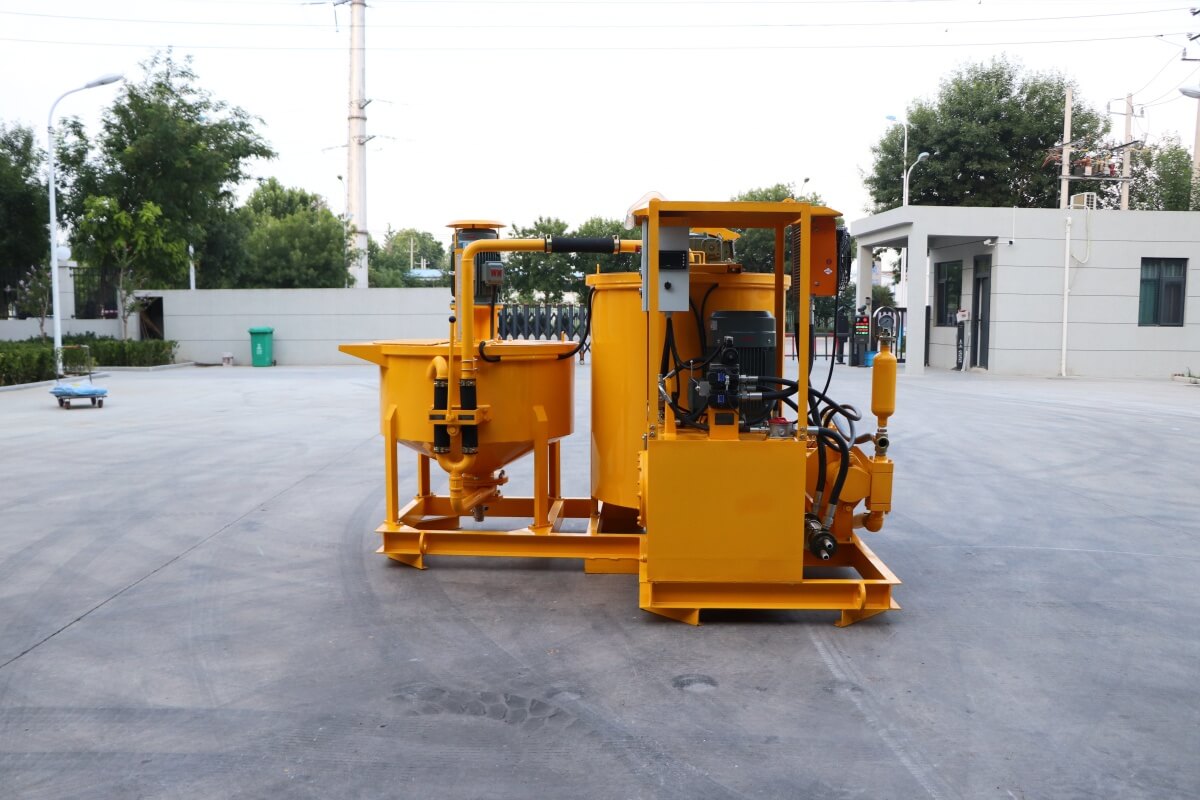
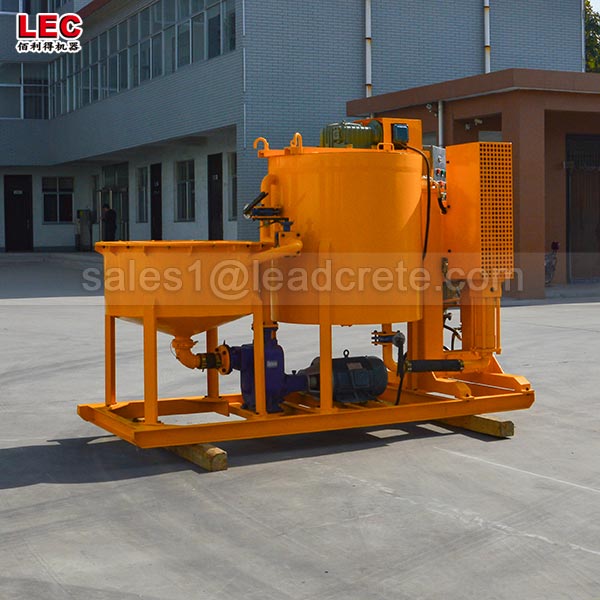
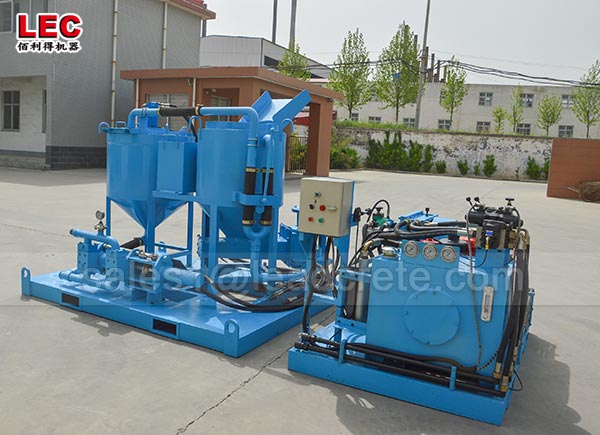
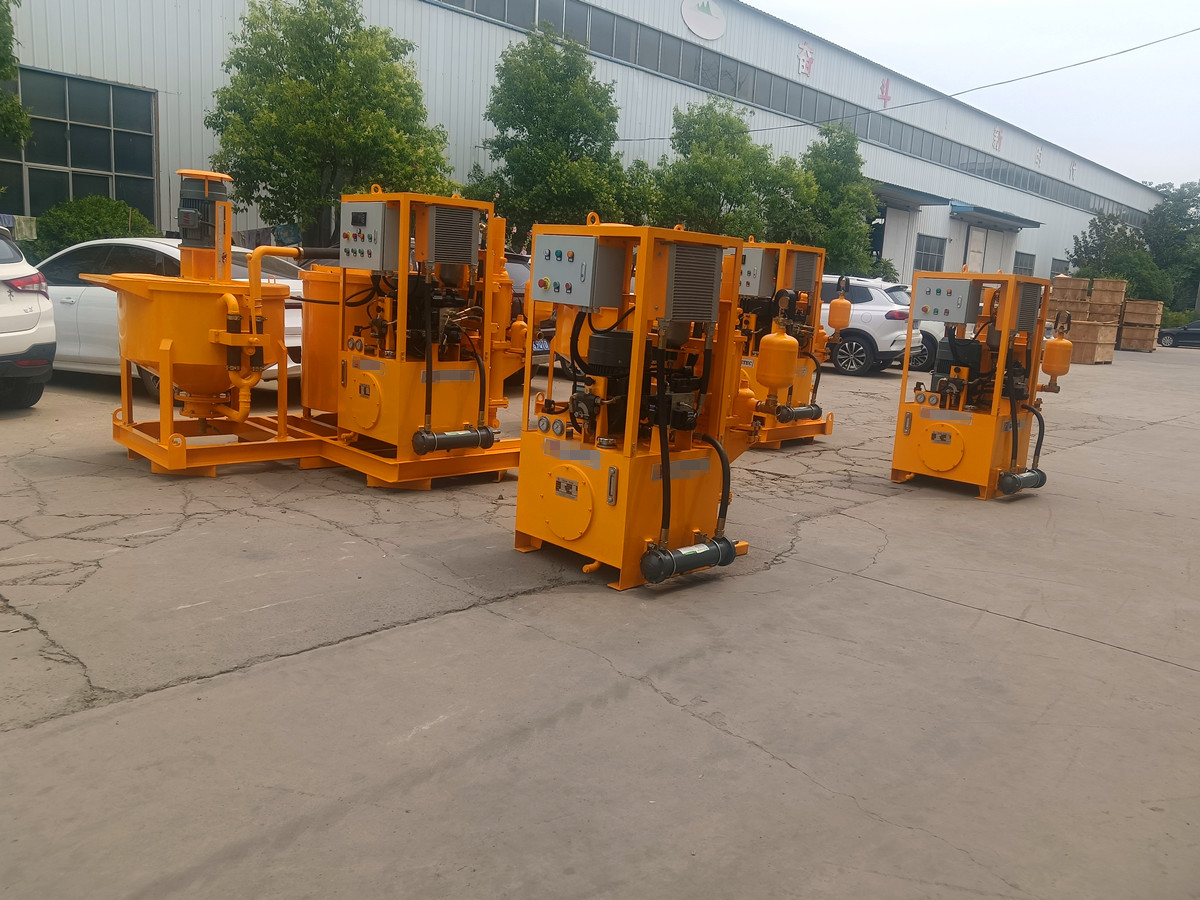
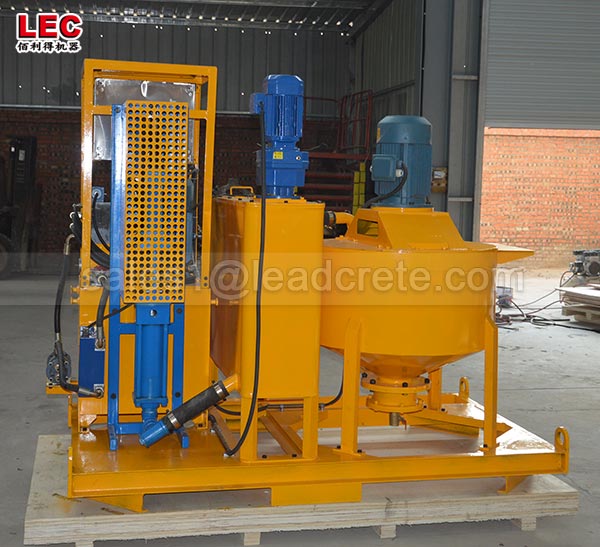
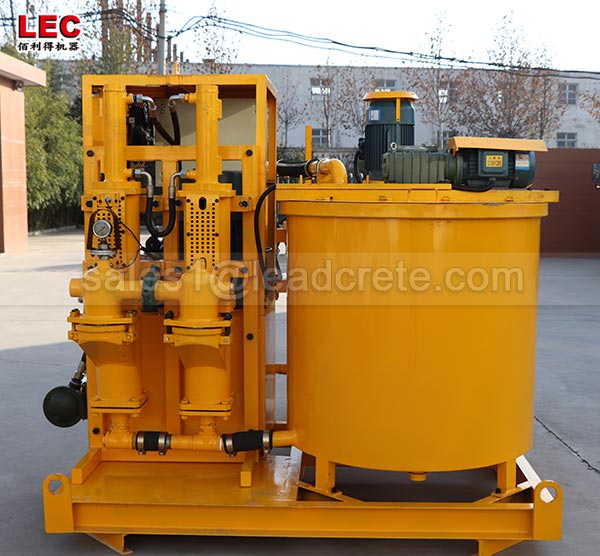
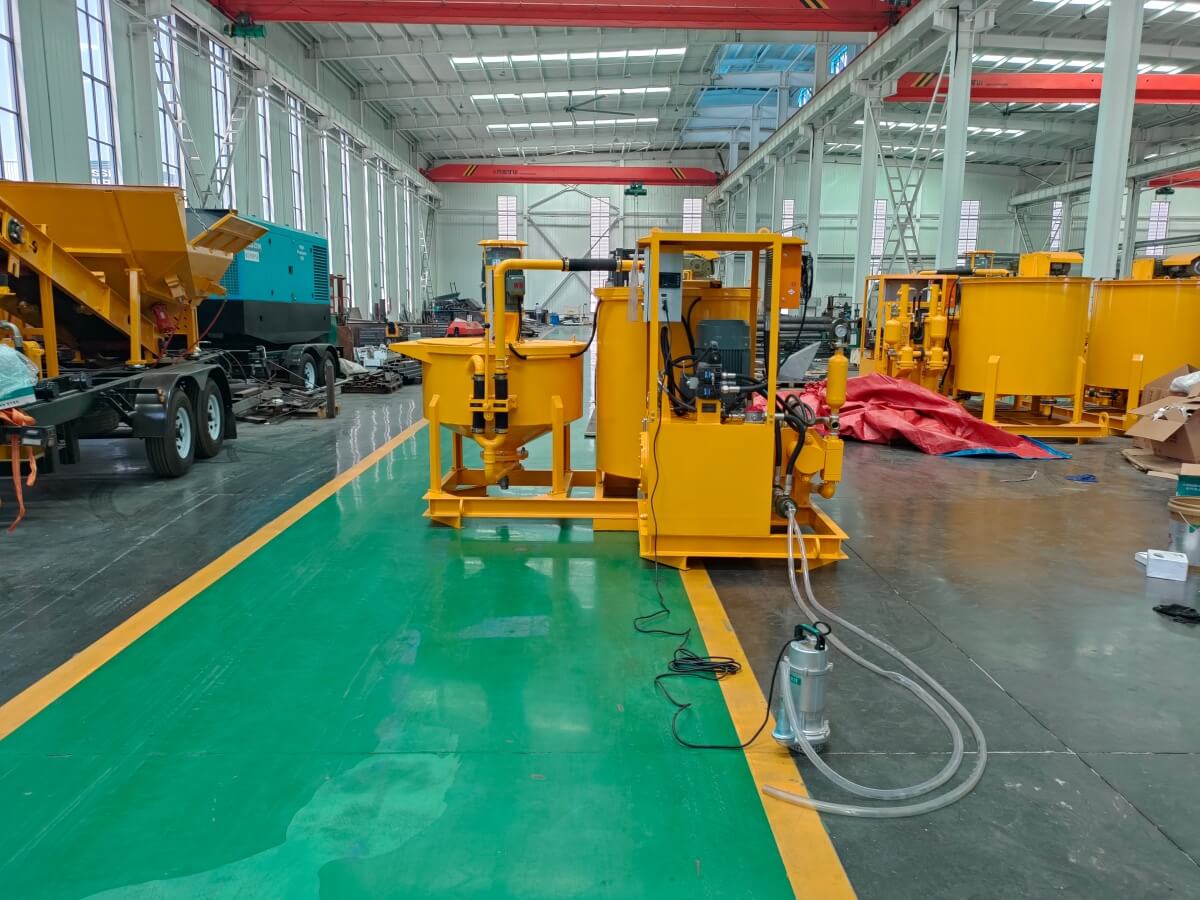
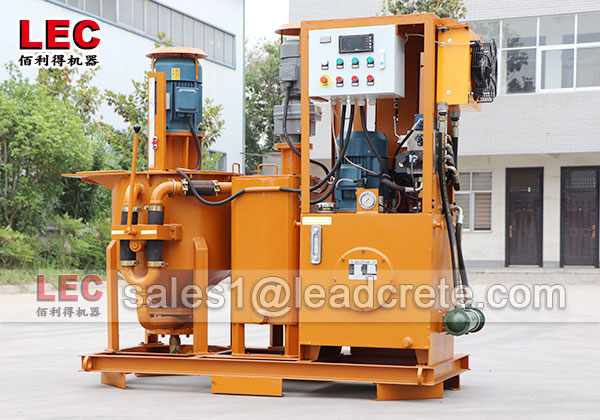
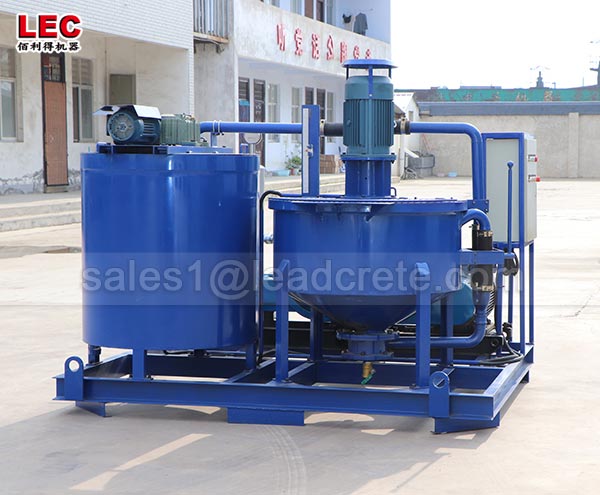
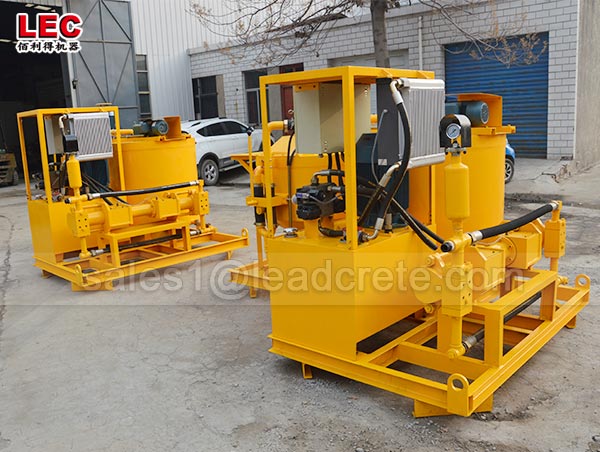
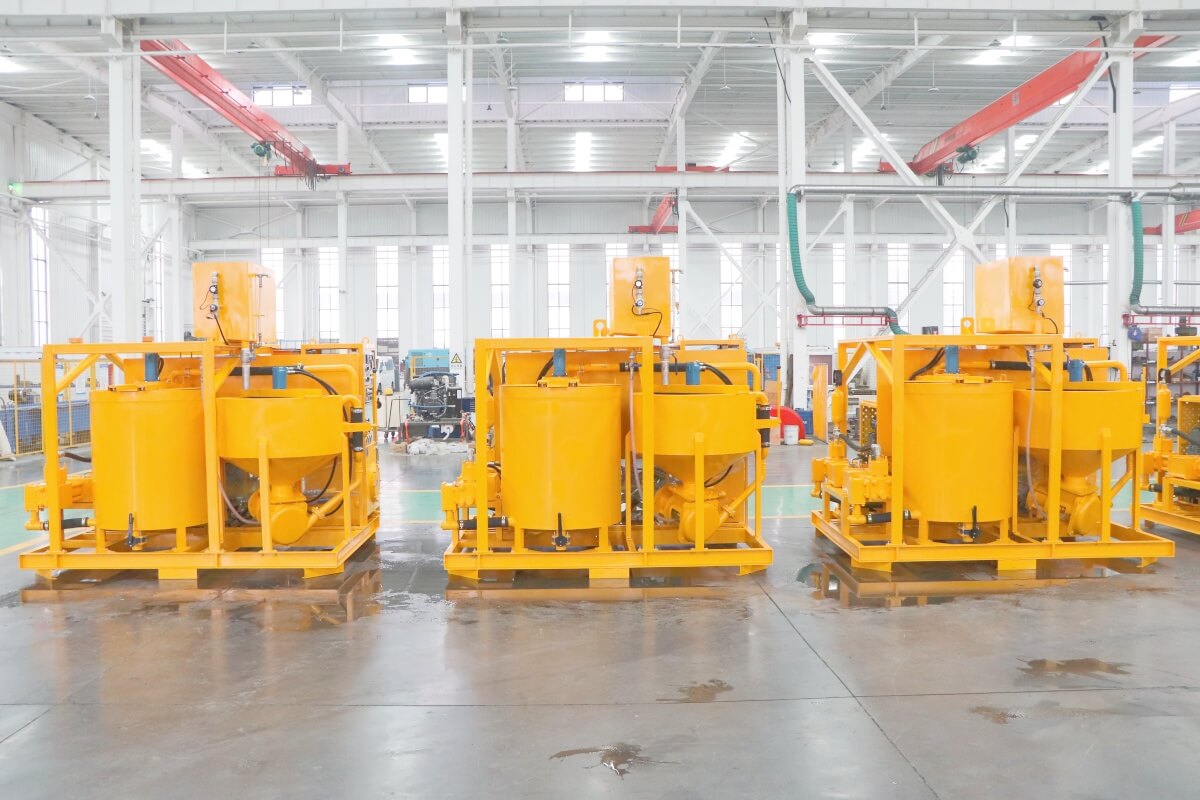
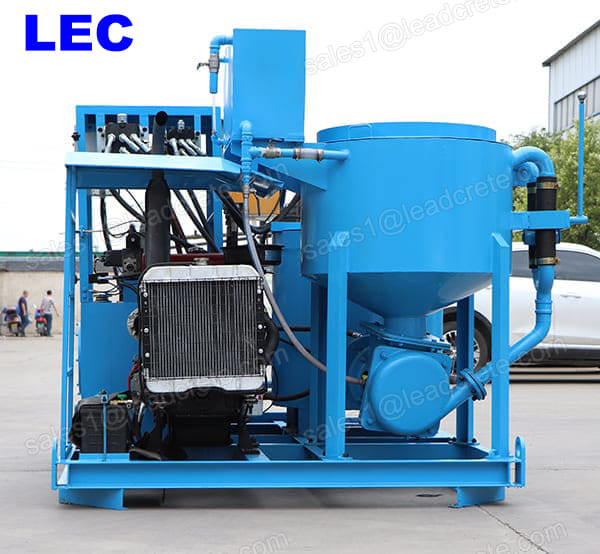
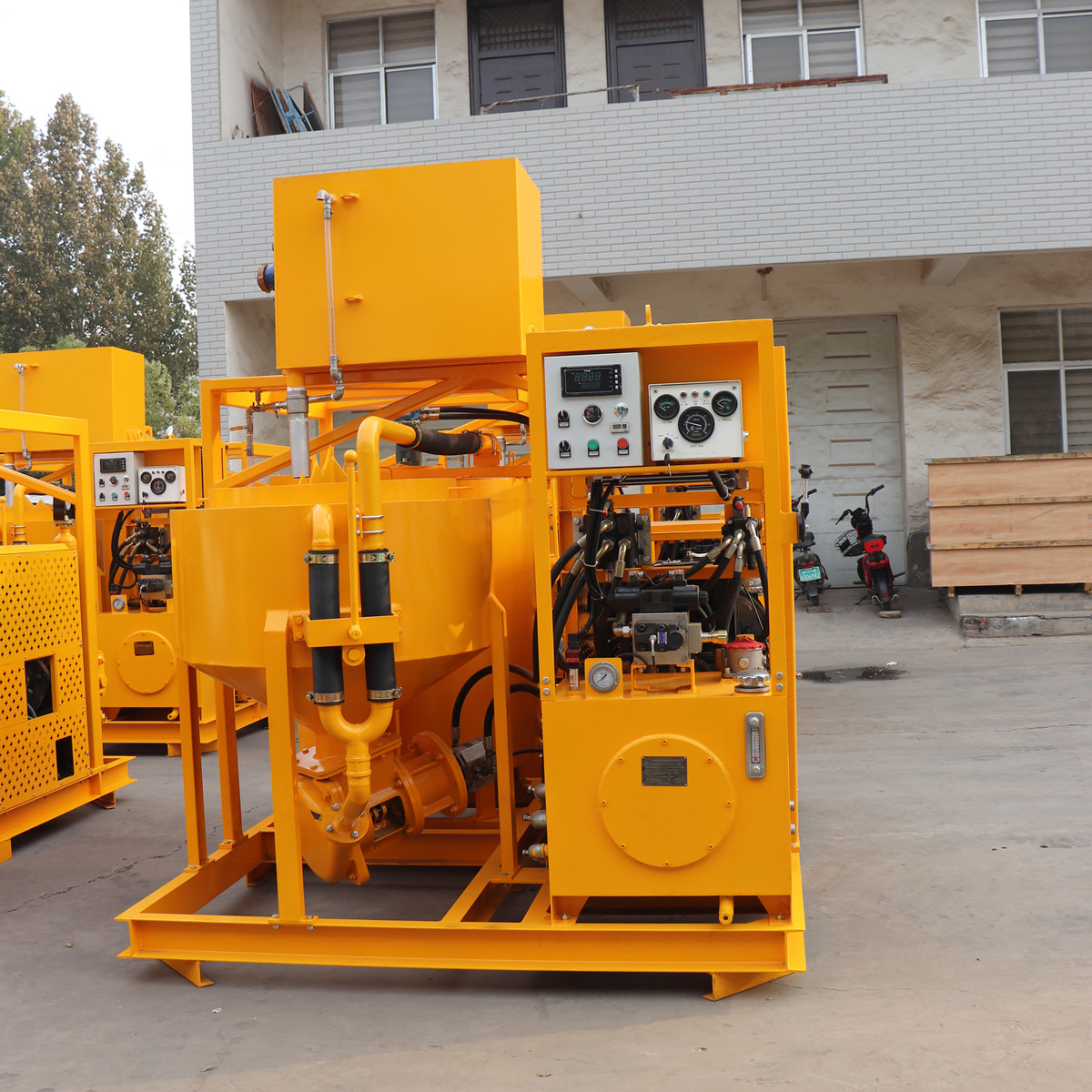
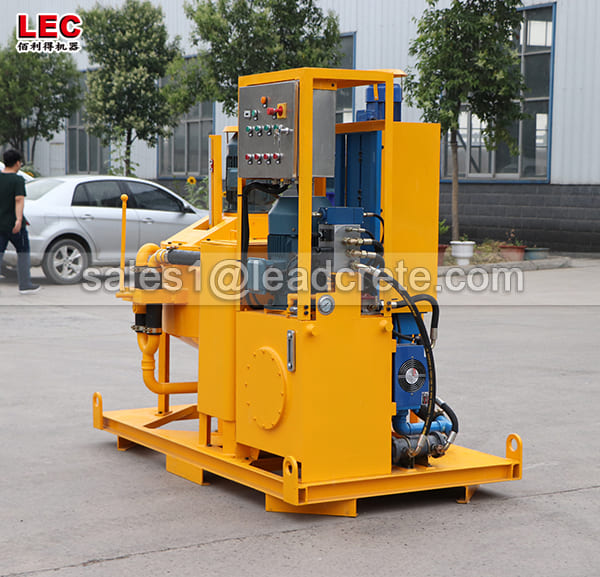
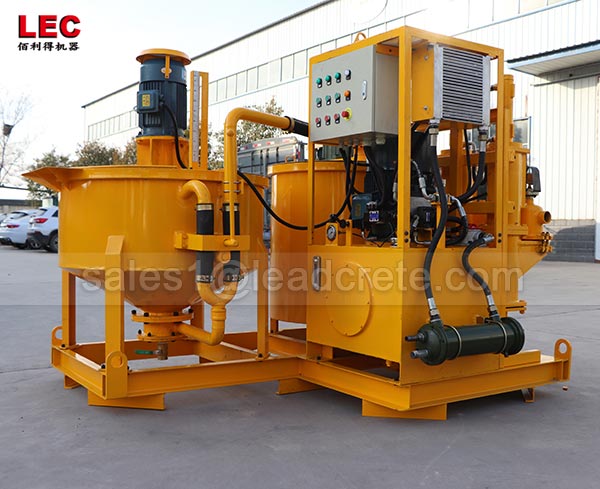
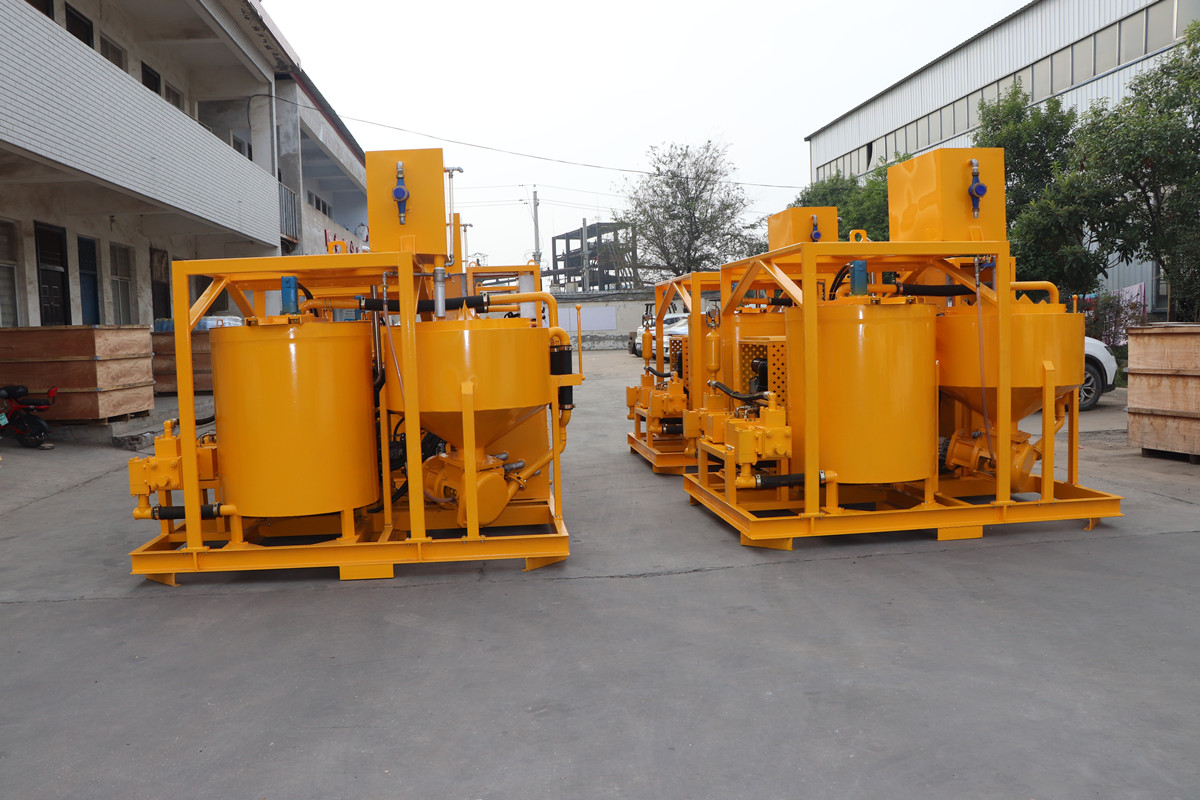
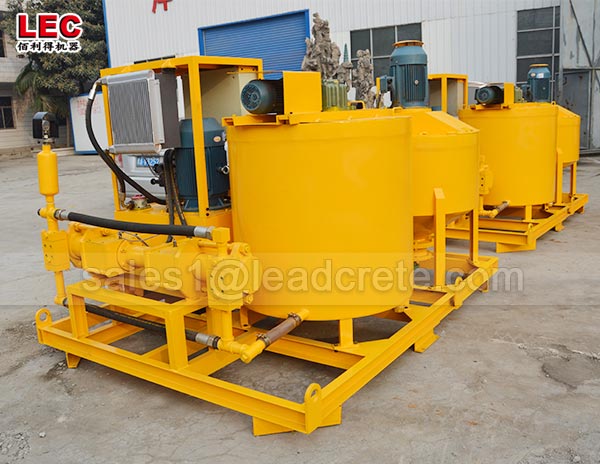
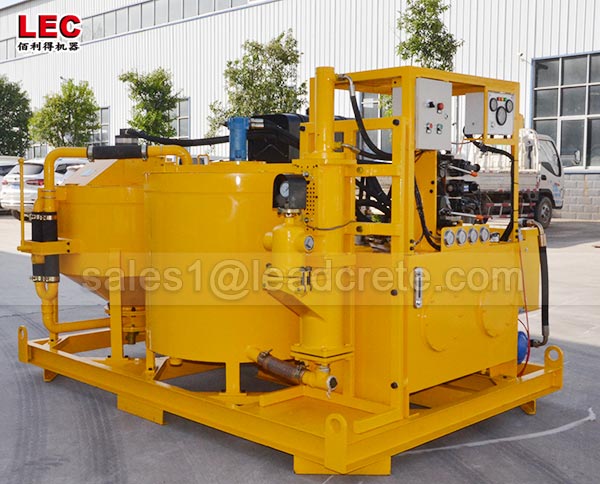
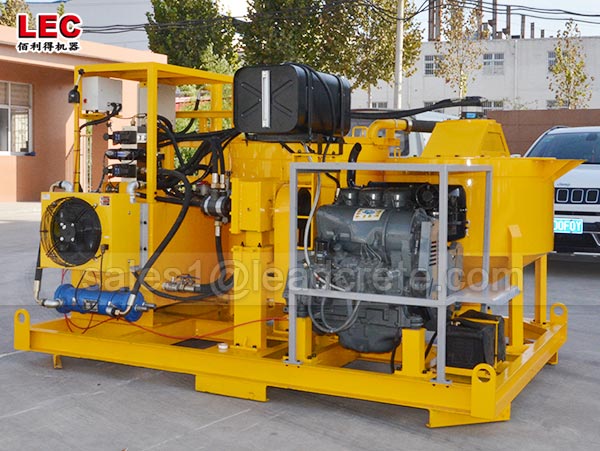
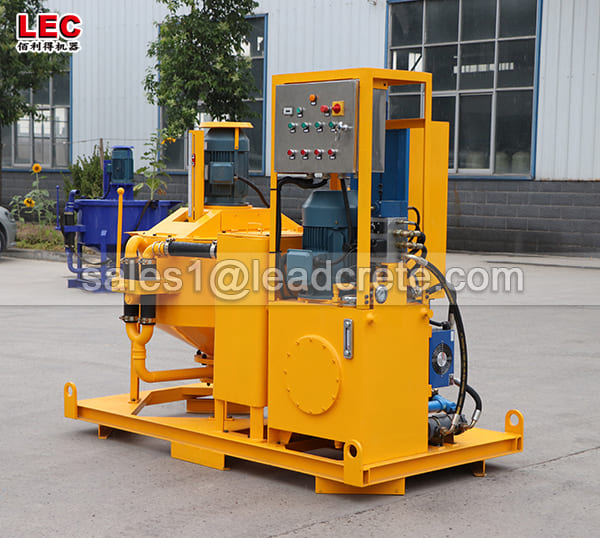
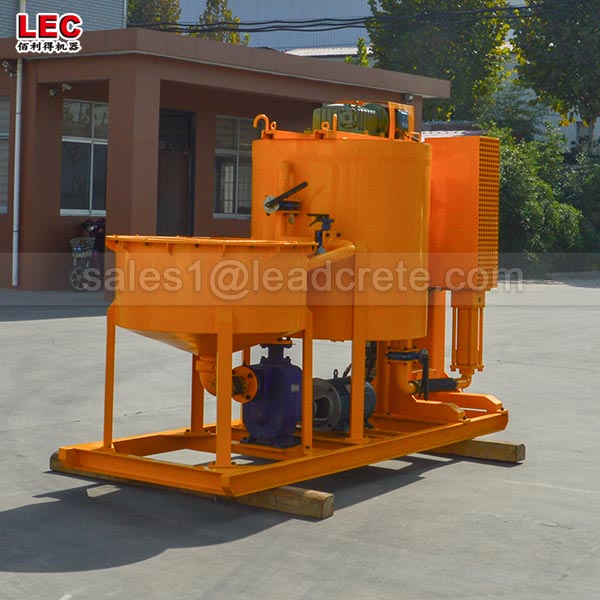
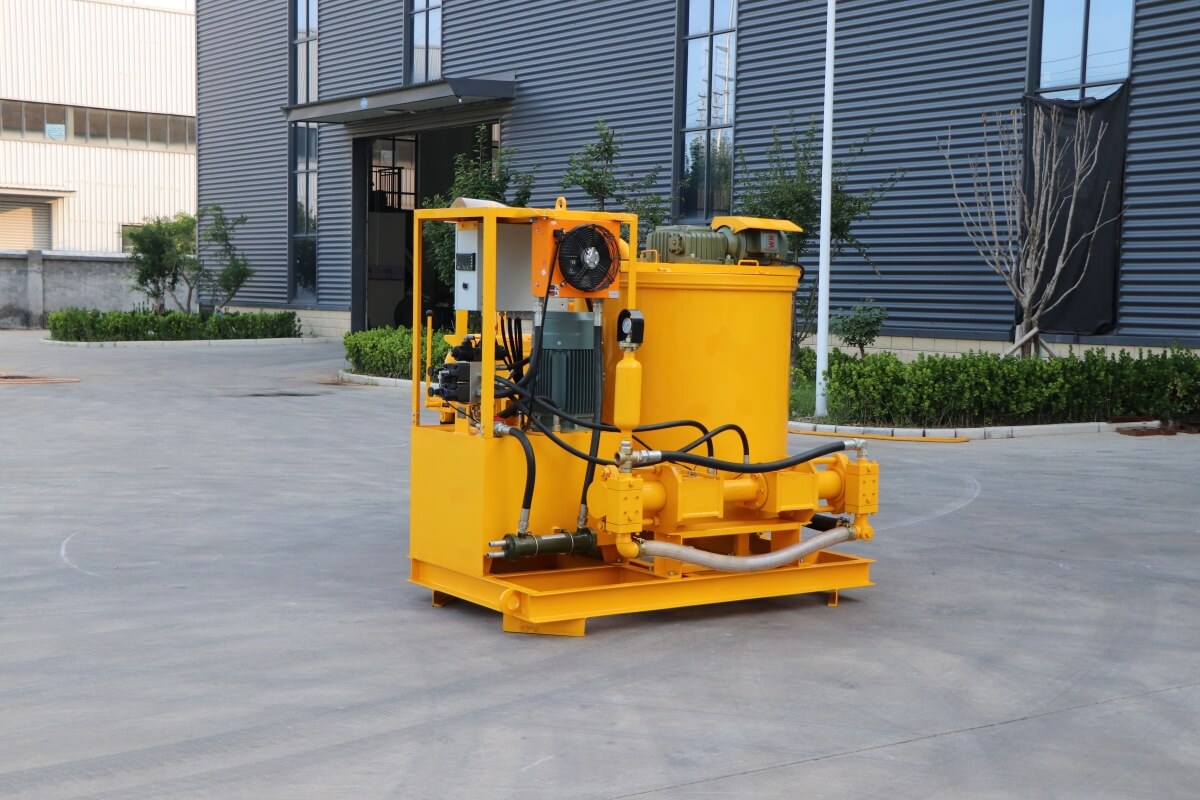
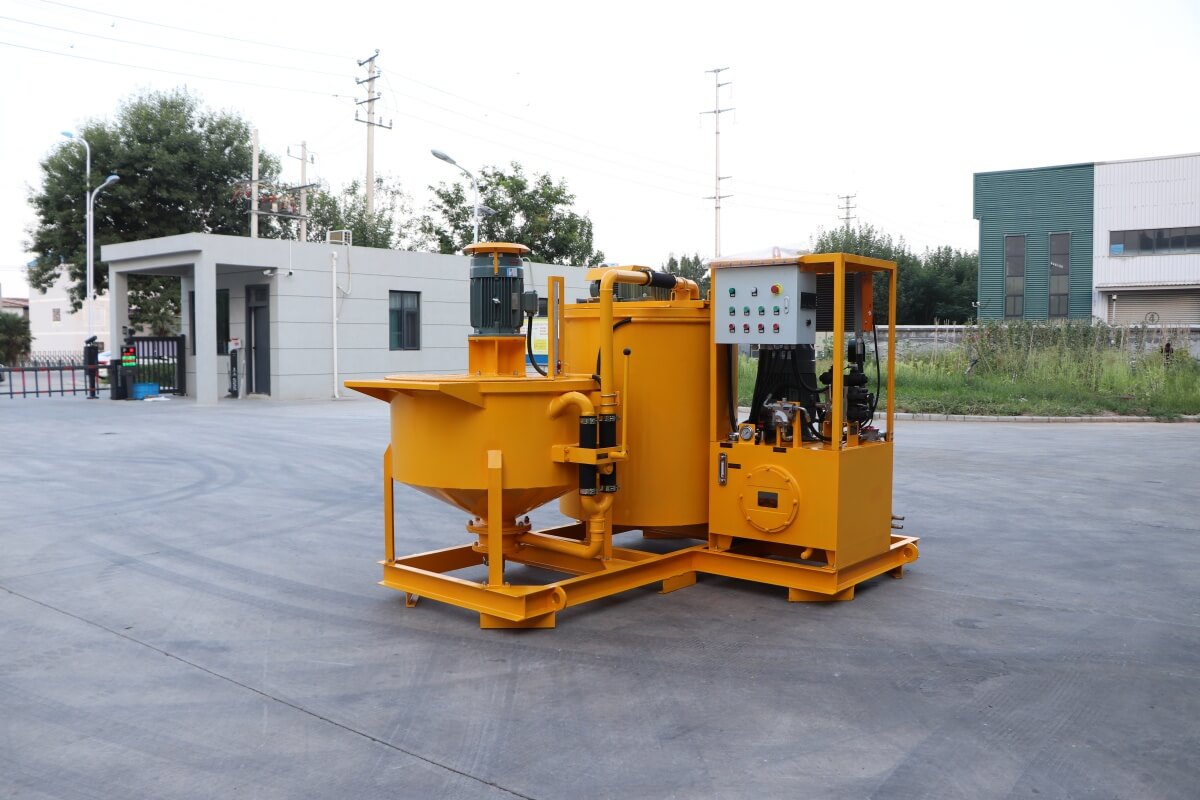
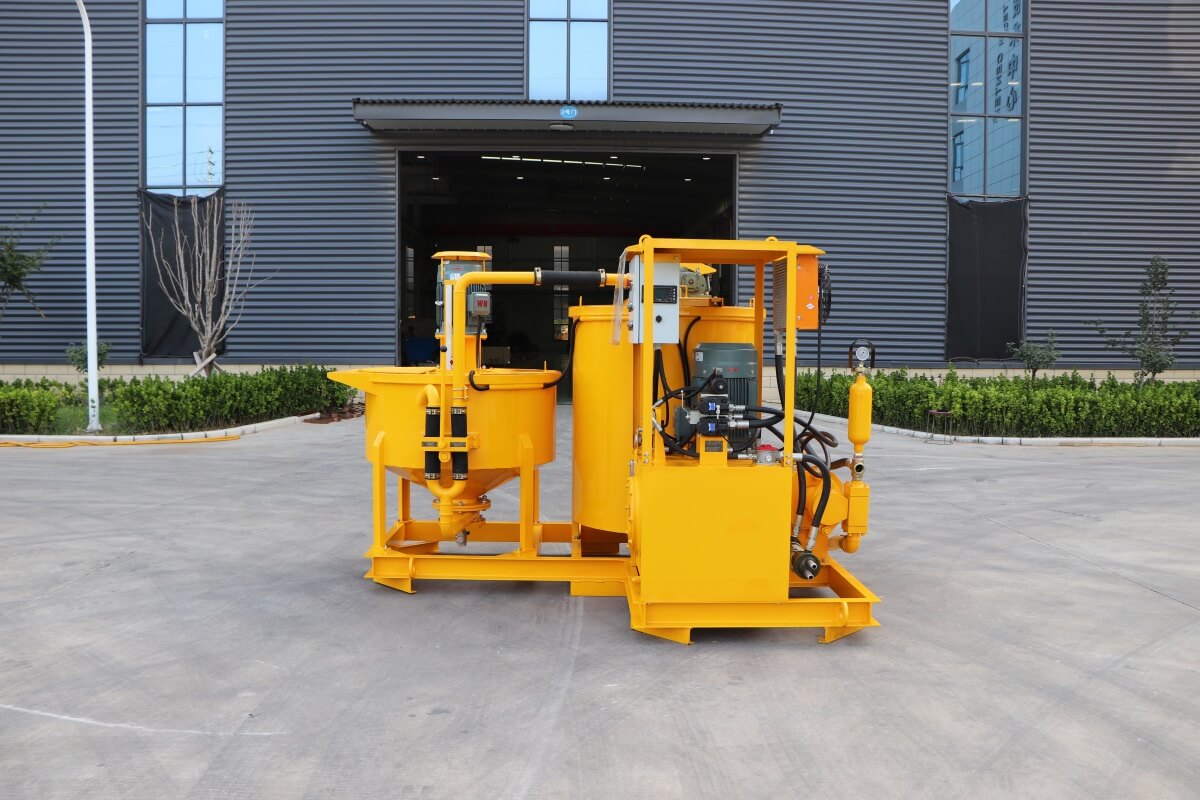
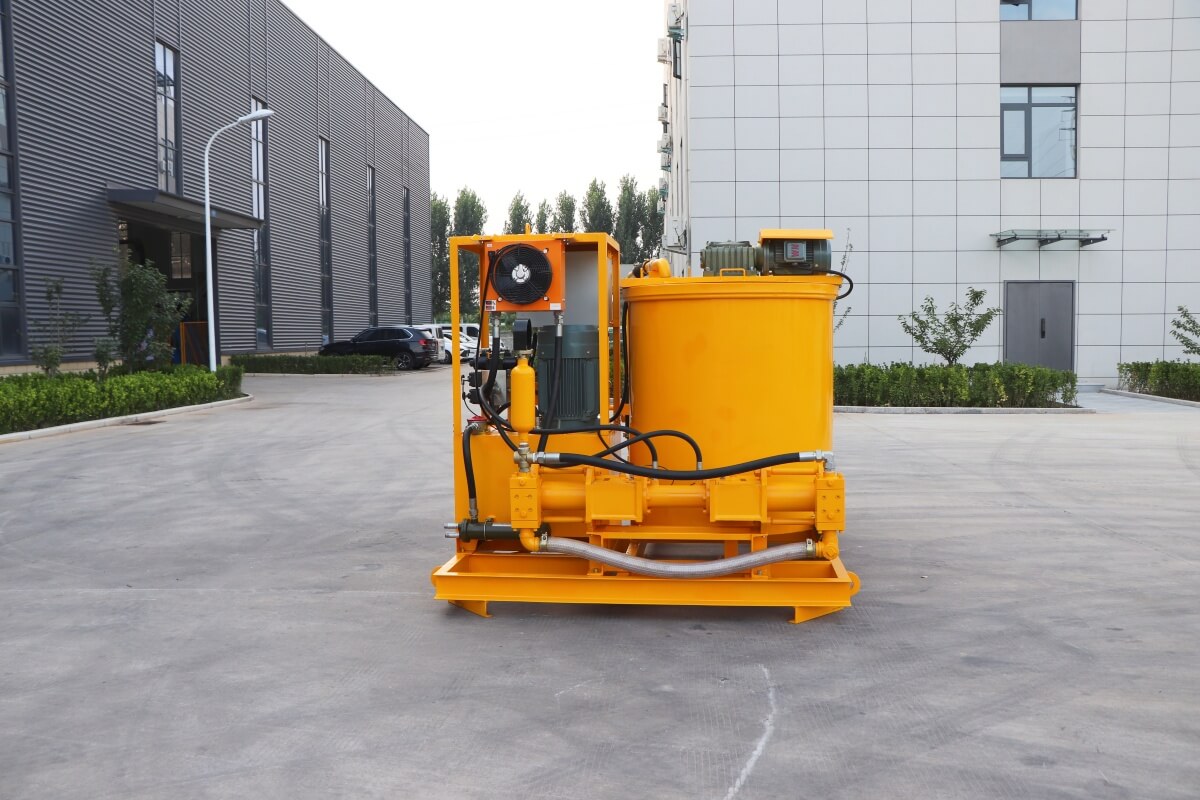
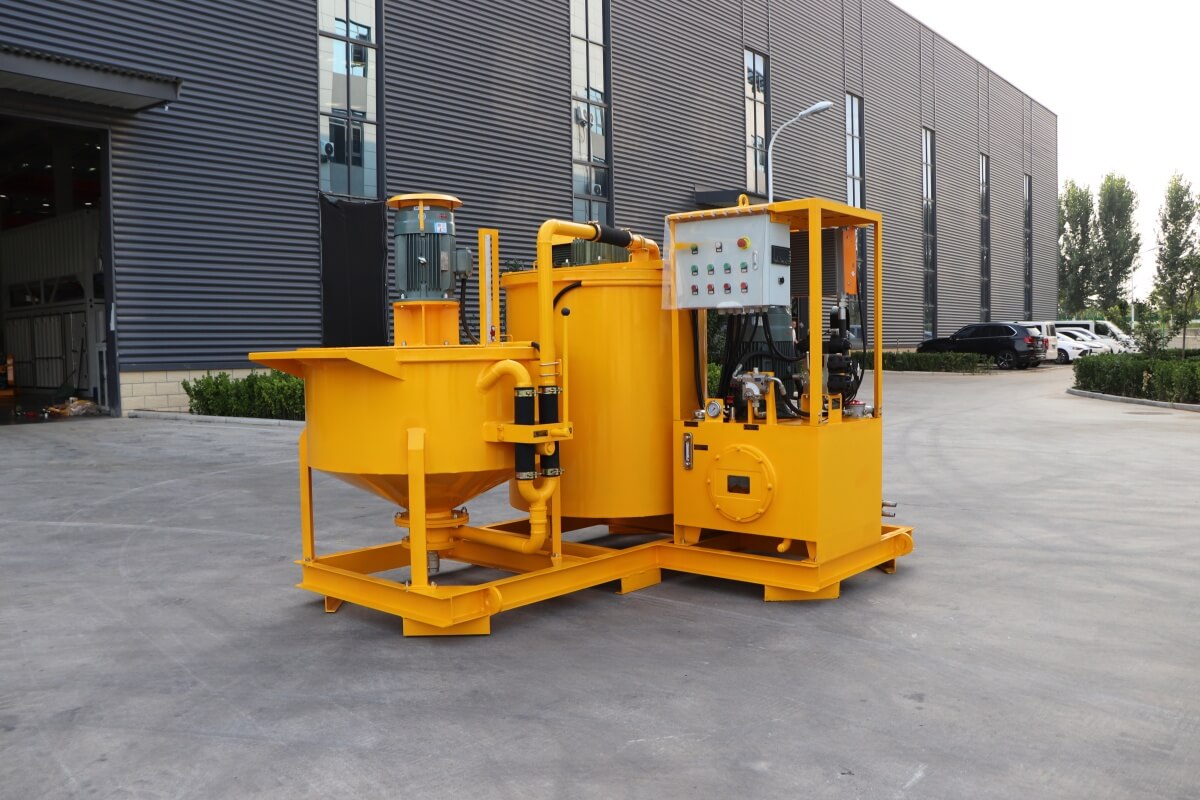
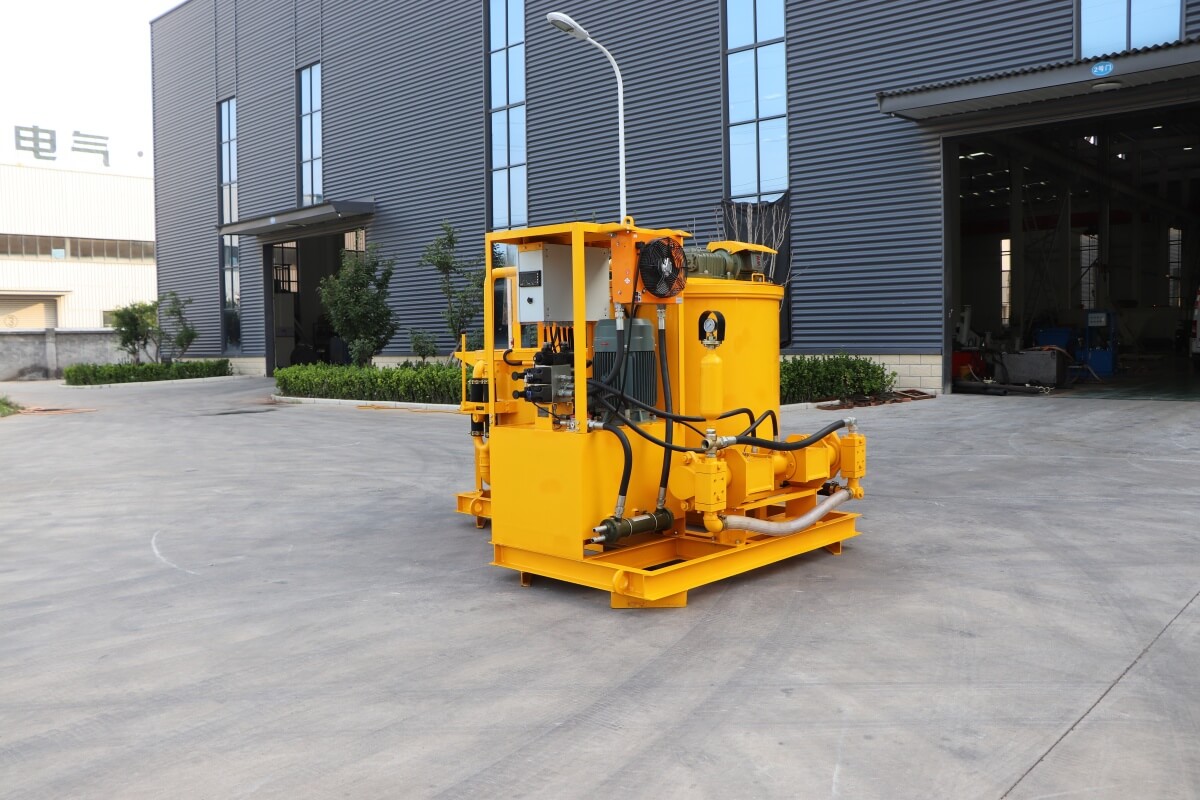
A bentonite slurry mixing and injection plant is an integrated system designed specifically for the preparation and pressure injection of bentonite slurry. The system typically comprises a high-speed colloidal mixer, a slurry storage and agitation tank, a grout pump, a control cabinet, valves, pressure gauges, and connecting piping.
The high-speed mixer rapidly blends water, bentonite, and other additives; the storage tank facilitates slurry hydration, buffering, and continuous agitation; and the grout pump delivers the prepared slurry to injection holes or the target formation at preset flow rates and pressures.
Compared to using separate mixers and pumps, this integrated design reduces equipment installation time, minimizes piping connections, and improves coordination between the various operational units.
2. Efficient Bentonite Slurry Mixing Process
Bentonite possesses strong water-absorption and swelling capabilities; improper mixing methods can easily lead to issues such as clumping, inadequate dispersion, or inconsistent slurry concentration.
During the slurry preparation process, clean water first enters the high-speed mixer, followed by the gradual addition of bentonite according to the design ratio. The high-speed circulation and shearing action generated by the colloidal mixer rapidly break up powder agglomerates, ensuring uniform dispersion of bentonite particles in the water.
After initial mixing, the slurry is transferred to the storage and agitation tank for hydration and buffering. Continuous, low-speed agitation prevents sedimentation or separation, ensuring a stable supply of slurry for the subsequent continuous injection process.
By properly controlling the water-to-solid ratio, mixing time, and hydration process, a bentonite slurry with optimal viscosity, fluidity, and stability can be produced.
3. Stable and Controllable Slurry Injection System
Once the slurry is mixed and hydrated, the grout pump delivers it into boreholes, fissures, pipe roofs, anchor bolt holes, or ground formations requiring reinforcement. Depending on specific project requirements, piston pumps, plunger pumps, or hydraulic grout pumps may be selected.
Injection pressure and flow rate are adjusted based on factors such as formation permeability, injection distance, hole depth, and slurry viscosity. For loose, highly permeable strata, a stable and adjustable flow rate is typically required; for deep-hole projects, fractured rock masses, or long-distance delivery applications, a grouting pump capable of high output pressure is necessary.
The system can be configured with pressure gauges, safety valves, flow monitoring devices, or automatic control systems, allowing operators to monitor the equipment’s operating status in real-time. Stable pressure control helps minimize issues such as pressure fluctuations, pipeline blockages, and slurry backflow.
4. Engineering Applications of Bentonite Mixing and Injection Plants
Due to the excellent suspension, lubrication, and sealing properties of bentonite slurry, this type of mixing and injection equipment is suitable for a wide range of underground engineering projects.
Common applications include:
Tunnel pre-grouting and surrounding rock reinforcement
Foundation reinforcement and soil stabilization
Borehole and rock bolt grouting
Micropile and foundation construction
Anti-seepage grouting for dams, levees, and reservoirs
Slurry preparation for diaphragm walls
Filling of mine roadways and rock fractures
Pipe jacking and trenchless technology projects
Geothermal drilling and slurry circulation operations
By adjusting the slurry mix ratio, mixing capacity, pumping flow rate, and injection pressure, a single unit can adapt to various materials and construction conditions.
5. Key Advantages of Integrated Mixing and Injection Equipment
Bentonite slurry mixing and injection plants consolidate multiple construction stages onto a single platform, helping to improve on-site operational efficiency.
High-speed colloidal mixing shortens preparation time and ensures full dispersion of the bentonite; the storage and agitation system maintains slurry uniformity, reducing the risk of sedimentation and separation; and a properly matched grouting pump ensures continuous, stable slurry delivery.
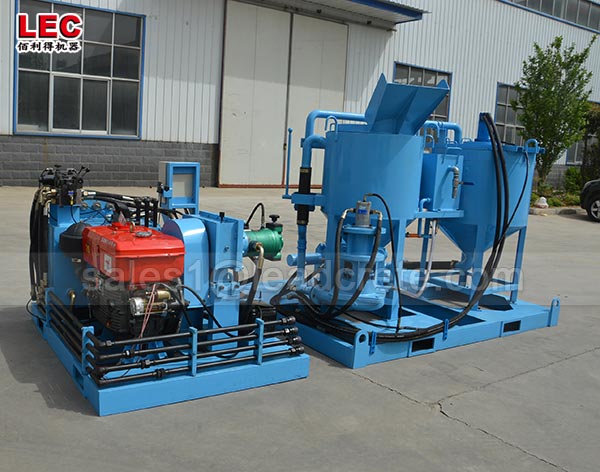
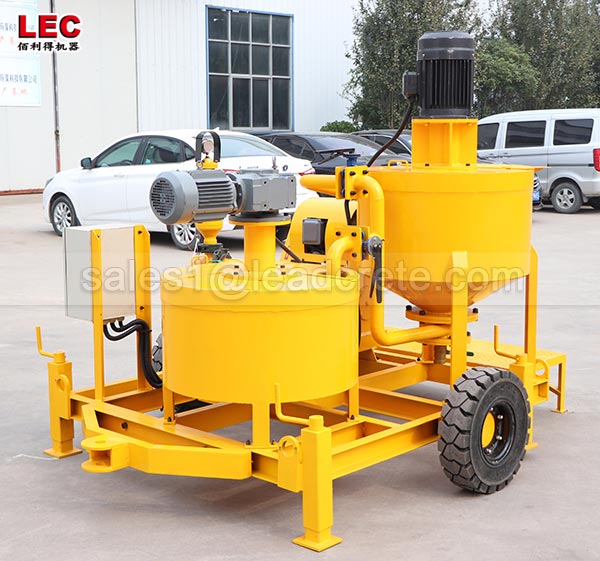
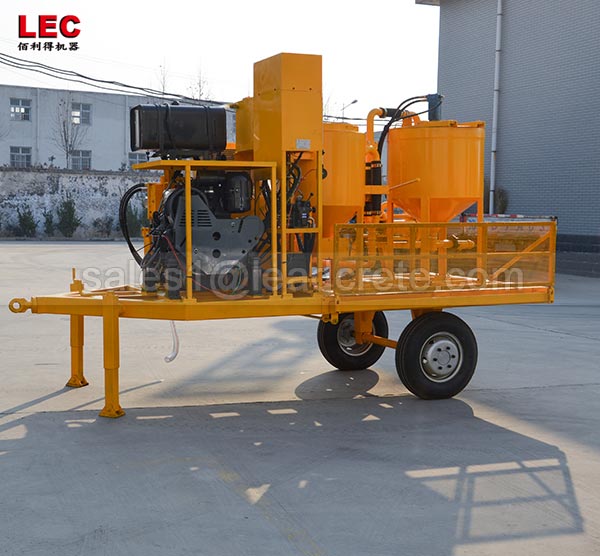
The equipment can be designed as skid-mounted, containerized, or trailer-mounted units, facilitating transport and on-site mobility. Centralized control reduces manual steps and improves coordination between the mixing, storage, and injection processes.
For projects with limited workspace or those requiring frequent relocation, compact integrated equipment significantly reduces the workload associated with on-site installation and pipeline connections.
6. How to Select the Right Bentonite Slurry Mixing and Injection Plant
Equipment selection should be based on specific project conditions rather than simply comparing mixing capacities or grouting pump pressures. First, determine the hourly or daily grout volume requirements and select a mixer and grout storage tank of appropriate capacity based on the grouting schedule. Next, determine the grout pump’s flow rate and maximum operating pressure by considering factors such as grouting hole depth, pipeline length, grout viscosity, and geological conditions.
Key factors to consider during equipment selection include:
Whether to use bentonite or a composite grout (bentonite and cement)
Requirements for continuous grout mixing and injection
Power availability at the construction site (electric vs. diesel)
Space constraints for equipment transport and installation
Adjustment ranges for grouting pressure and flow rate
Requirements for automated control and data logging
Availability of wear parts and ease of maintenance
For specialized projects, mixing capacity, storage capacity, pumping performance, power systems, and overall equipment configuration can be customized to user specifications, ensuring the equipment is optimally matched to actual construction workflows. Any need please contact us by Email: sales1@leadcrete.com