




Your position:
Home > Products > Mortar Spraying Machine
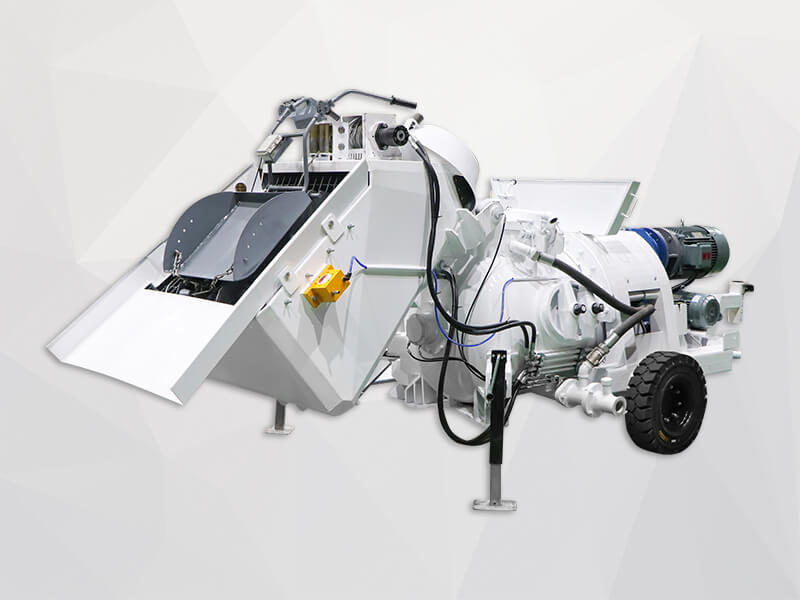
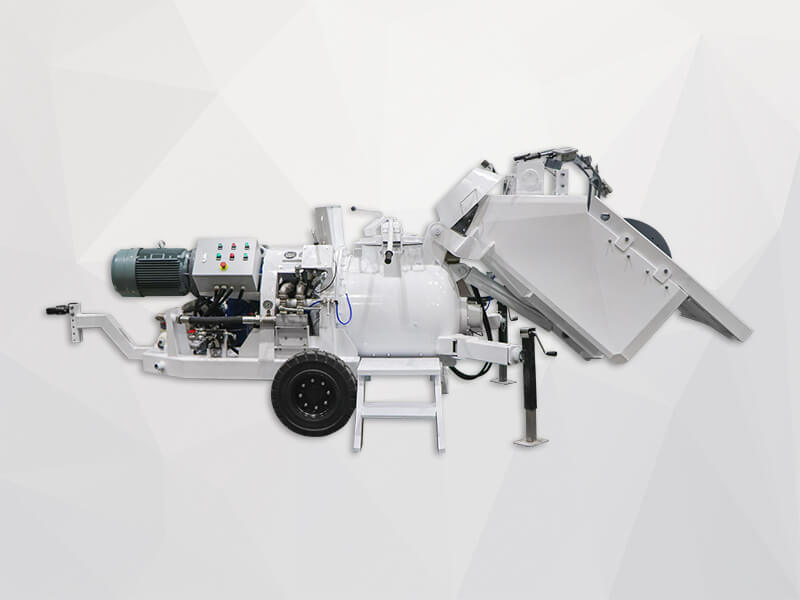
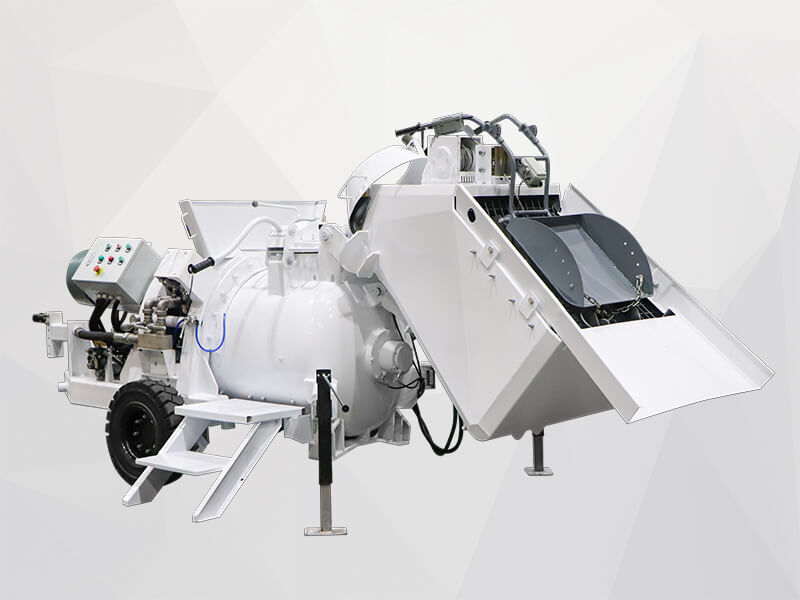
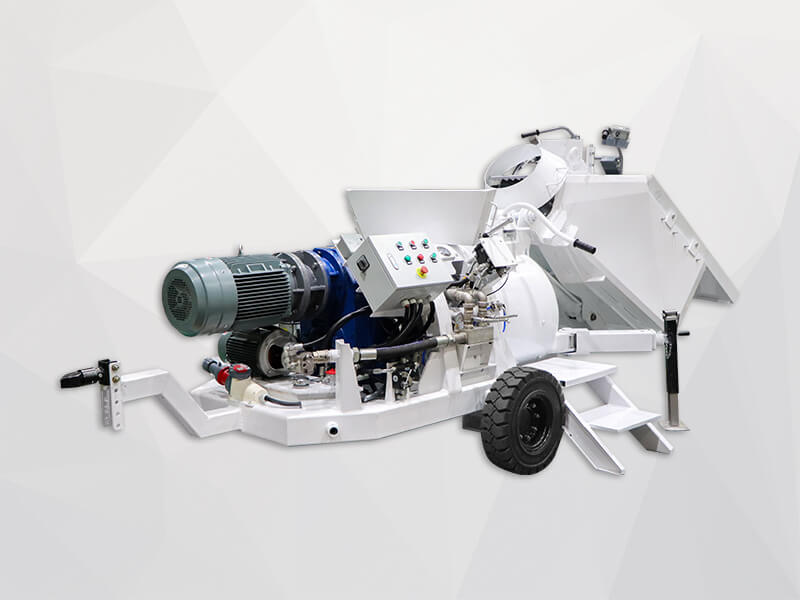
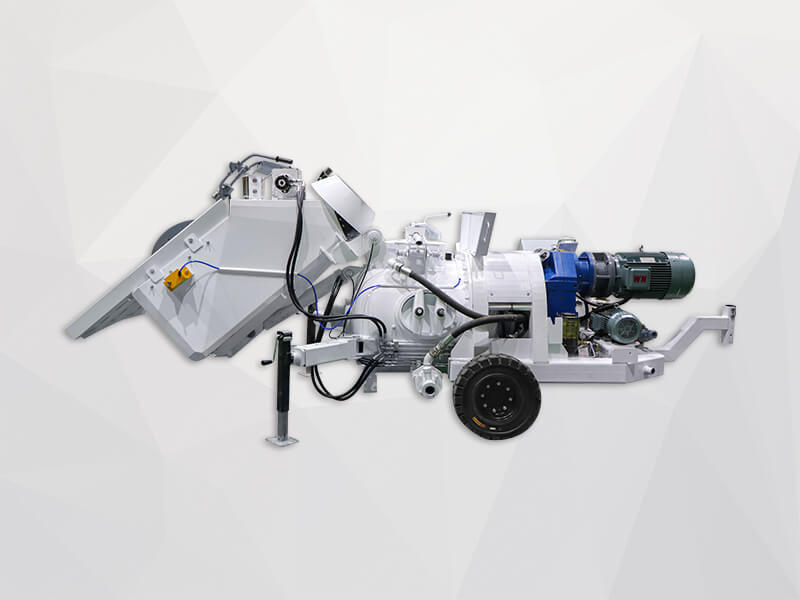
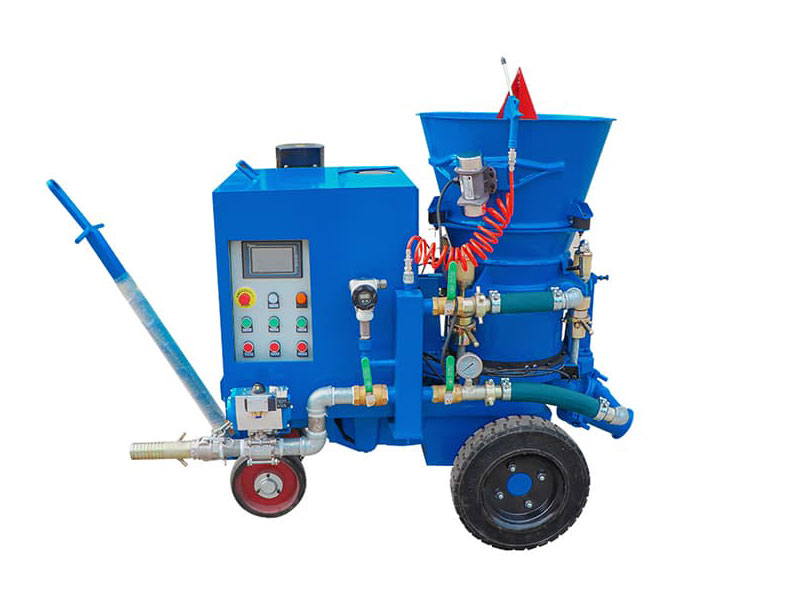
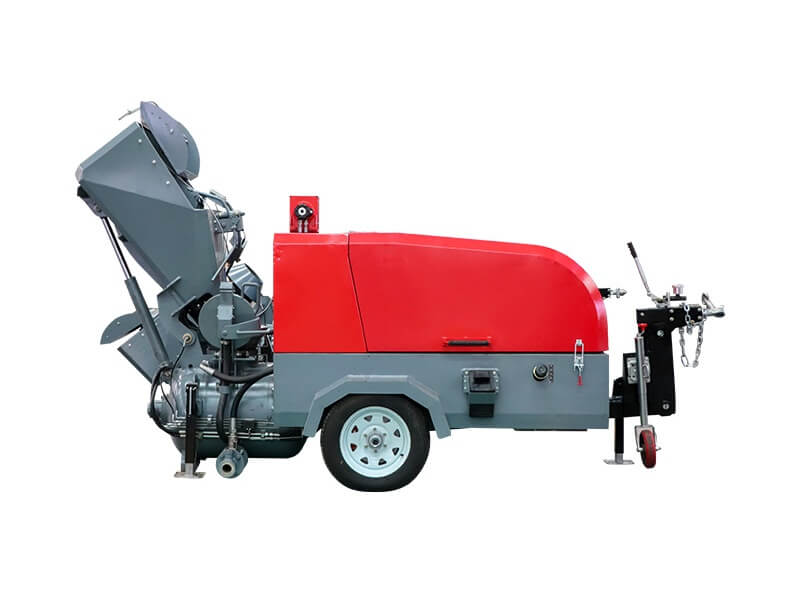
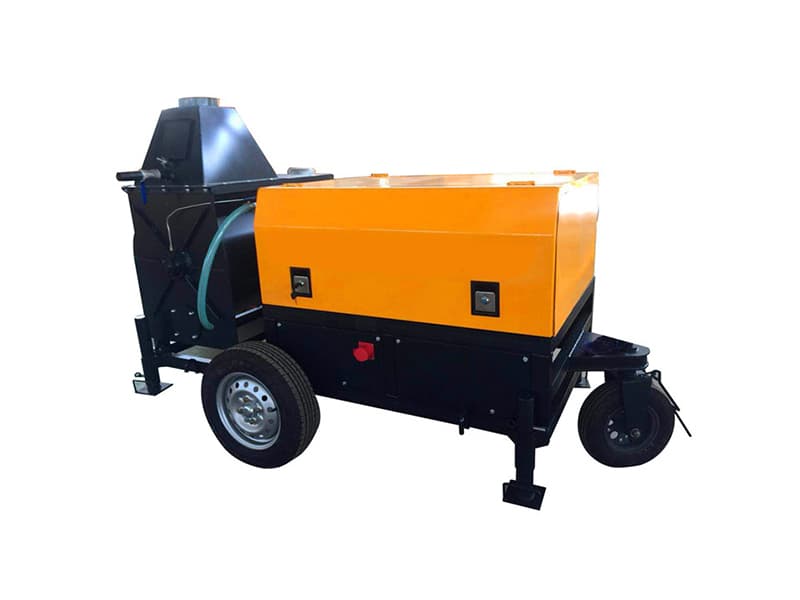
LPXT400-E Dry floor-screed conveying machine
The LPXT400-E Dry floor-screed conveying machine can precisely transport dry-mixed mortar, cement-based materials, etc., from storage or mixing locations to the construction site, significantly reducing labor intensity and improving construction accuracy.
LPXT400-E
22KW
4KW
380V, 50HZ
Gross 520L / Net 400L
9m³/h
PRODUCTS LIST
HOT products
Inquiry
Introduction
Product Details
Technical data
Cases
Inquiry
Description
LPXT400-E Dry floor-screed conveying machine is a high-performance dry mortar conveying system designed specifically for construction engineering, aiming to provide continuous and stable material conveying services on construction sites. With its superior power system and innovative design concept, this model has become a powerful assistant in modern construction.
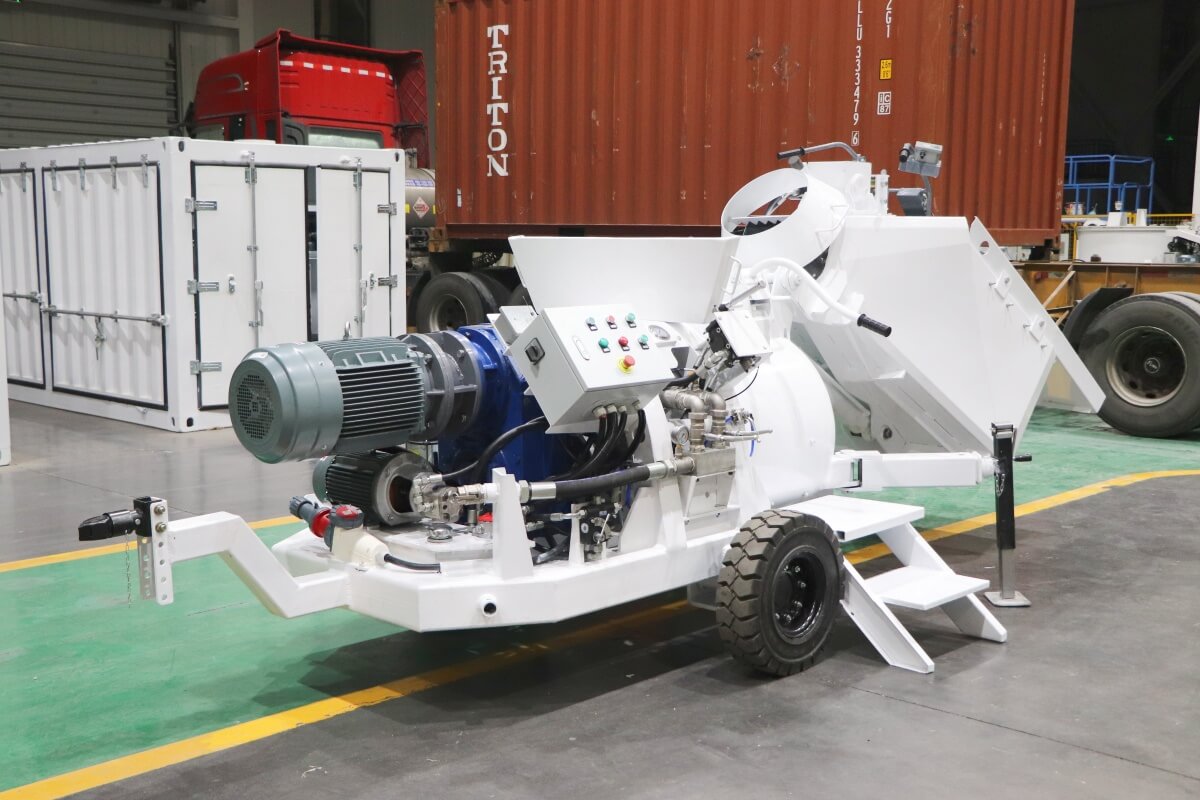
Equipped with a high-power motor, the dry floor screeding machine delivers continuous and strong power, ensuring a stable flow rate and pressure for mortar and other building materials during conveying. Combined with a large-capacity mixing tank, it not only provides ample material storage space but also achieves efficient mixing, guaranteeing mortar uniformity and construction quality. This perfect combination of power and capacity allows the LPXT400-E to handle the demands of large-scale, high-intensity construction operations easily.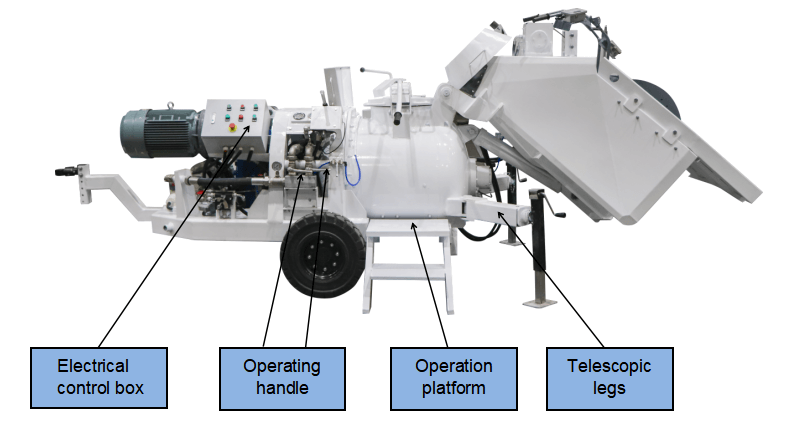
The LPXT400-E Dry floor-screed conveyor features both horizontal and vertical bidirectional conveying capabilities, flexibly adapting to different construction site layouts and operational requirements. Whether in confined indoor spaces or on the exterior facades of high-rise buildings, the machine can achieve precise material delivery by adjusting the conveying angle and path, greatly improving construction flexibility and efficiency.
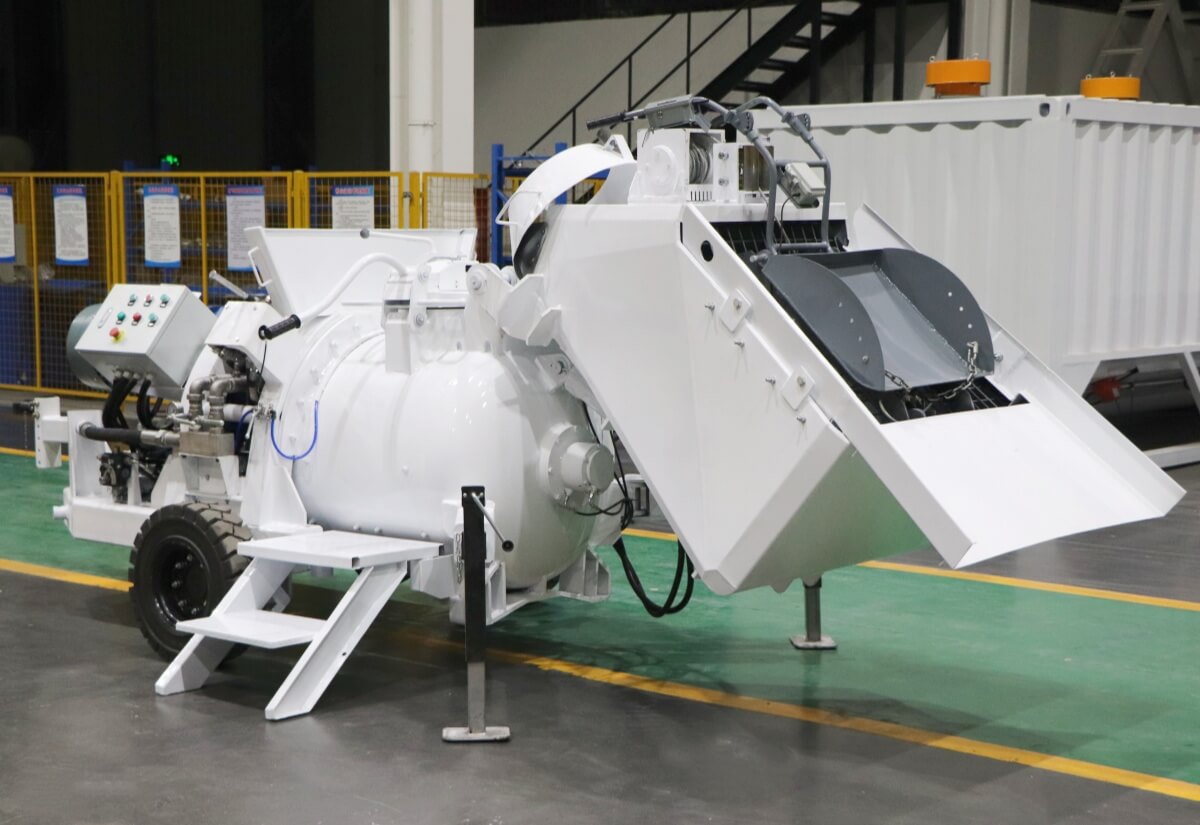
This model electric pneumatic conveyor for floor screeds supports an external air source as an auxiliary power source. This design not only enhances the stability of the delivery pressure but also allows the equipment to adjust the power configuration according to actual working conditions flexibly. The synergistic effect of the external air source and the powerful internal mixing function ensures that the mortar maintains a smooth delivery state throughout the entire working range, effectively avoiding common construction problems such as pipe blockage and segregation.
Equipped with a high-power motor, the dry floor screeding machine delivers continuous and strong power, ensuring a stable flow rate and pressure for mortar and other building materials during conveying. Combined with a large-capacity mixing tank, it not only provides ample material storage space but also achieves efficient mixing, guaranteeing mortar uniformity and construction quality. This perfect combination of power and capacity allows the LPXT400-E to handle the demands of large-scale, high-intensity construction operations easily.
The LPXT400-E Dry floor-screed conveyor features both horizontal and vertical bidirectional conveying capabilities, flexibly adapting to different construction site layouts and operational requirements. Whether in confined indoor spaces or on the exterior facades of high-rise buildings, the machine can achieve precise material delivery by adjusting the conveying angle and path, greatly improving construction flexibility and efficiency.
This model electric pneumatic conveyor for floor screeds supports an external air source as an auxiliary power source. This design not only enhances the stability of the delivery pressure but also allows the equipment to adjust the power configuration according to actual working conditions flexibly. The synergistic effect of the external air source and the powerful internal mixing function ensures that the mortar maintains a smooth delivery state throughout the entire working range, effectively avoiding common construction problems such as pipe blockage and segregation.
Application
LPXT400-E electric pneumatic conveyor for floor screeds application scenarios:
Dry Floor Screed Conveying Machine Core Application Areas:
1. Indoor Floor Leveling
Residential Buildings: Cement mortar leveling construction for indoor floors of high-rise residential buildings and apartments
Commercial Buildings: Base treatment for floors of large public buildings such as shopping malls, office buildings, and hotels
Industrial Plants: Workshops, warehouses, and other industrial sites with high requirements for floor flatness
2. Exterior Wall Insulation System Construction
Application of exterior wall insulation bonding mortar
Conveying and spraying of exterior wall plastering mortar
Treatment of exterior wall joints in prefabricated buildings
3. Underfloor Heating Backfill
Pouring of backfill layer after water-based underfloor heating system construction
Laying of mortar for electric underfloor heating protective layer
Efficient construction of large-area underfloor heating backfill
4. Roof Waterproofing Project
Roof leveling layer mortar construction
Base treatment before waterproofing layer
Laying of insulation mortar
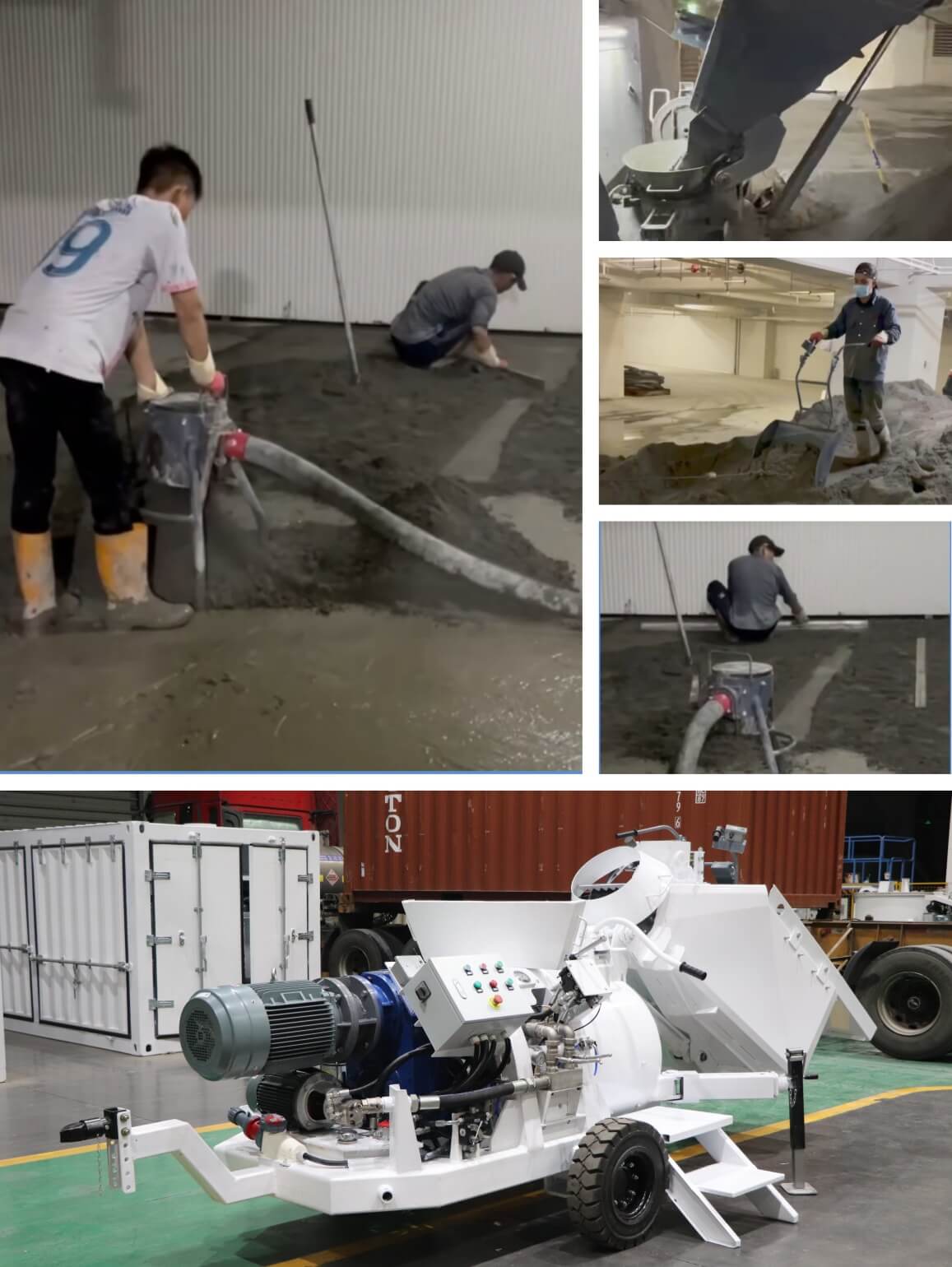
Dry Floor Screed Conveyor Special Construction Scenarios:
1. 1. High-Rise Building Construction:
Utilizing the vertical conveying capacity of equipment, mortar is directly delivered to the high-rise work surface, reducing manual handling and labor intensity, and improving construction efficiency and shortening the construction period.
2. Construction in Confined Spaces:
Mortar construction in confined areas such as basements and garages; indoor leveling work in the renovation of old residential areas; flexible delivery hoses can extend to hard-to-reach work points.
3. Large-Area Continuous Operations:
Overall leveling of large warehouse floors; continuous paving of parking lot floors; large-area floor construction in industrial plants.
4. Irregular Structure Treatment
Mortar Application for Curved Walls and Surfaces
Material Filling for Complex Building Nodes
Mortar Repair for Special Building Parts
Applicable Material Types:
Dry-Mixed Mortar: Ordinary Dry-Mixed Mortar, Special Mortar
Cement-Based Materials: Cement Mortar, Self-Leveling Mortar
Insulation Mortar: Polystyrene Particle Insulation Mortar, Vitrified Microsphere Insulation Mortar
Bonding Materials: Tile Adhesive, Stone Adhesive, etc.
Summary of LPXT400-E Dry Floor Screeding Machine Application Advantages:
The table shows specific advantages that improve construction efficiency by 3-5 times compared to manual labor, shortening the construction period. Quality Control: Uniform mixing, stable conveying, ensuring construction quality. Cost Savings: Reduced labor costs, reduced material waste. Labor Intensity: Reduced heavy-duty handling, improved construction conditions. High Flexibility: Adaptable to various construction scenarios, with horizontal and vertical bidirectional conveying.
The LPXT400-E dry floor screeding machine, with its excellent conveying capacity and mixing performance, has been widely used in various construction projects and is an indispensable high-efficiency device for modern construction.
LPXT400-E Dry floor-screed conveying machine standard operating procedure: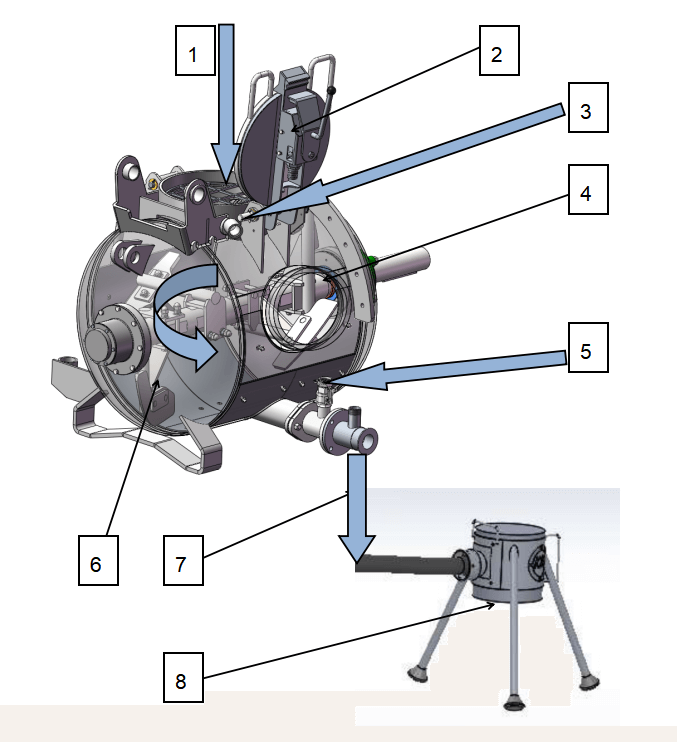
Step 1: Adding Materials
Add the required materials (such as dry mortar, cement, etc.) into the mixing tank (No. 6). Ensure accurate weighing according to the formula ratio.
Step 2: Sealing the Tank
Place the sealing cap (No. 2) on top of the mixing tank and press it firmly to ensure a tight seal. This step is crucial for subsequent pneumatic conveying.
Step 3: Starting the Mixing System
Start the mixing system. The materials will begin to mix thoroughly in the mixing tank (6). The mixing shaft (4) will continue to rotate to ensure a uniform mixture. The mixing time should be adjusted according to the material characteristics and construction requirements.
Step 4: Starting Pneumatic Conveying
Once the materials are evenly mixed, introduce compressed air with sufficient pressure into the mixing tank (6) through the upper pipe (3) and lower pipe (5). Under air pressure, the materials will begin to be conveyed through the pipeline system.
Step 5: Material Discharge
The material is discharged from the discharge port (7), transported to the designated construction location via the conveying hose, and finally the construction operation is carried out from the terminal discharge port (8).
Dry Floor Screed Conveying Machine Core Application Areas:
1. Indoor Floor Leveling
Residential Buildings: Cement mortar leveling construction for indoor floors of high-rise residential buildings and apartments
Commercial Buildings: Base treatment for floors of large public buildings such as shopping malls, office buildings, and hotels
Industrial Plants: Workshops, warehouses, and other industrial sites with high requirements for floor flatness
2. Exterior Wall Insulation System Construction
Application of exterior wall insulation bonding mortar
Conveying and spraying of exterior wall plastering mortar
Treatment of exterior wall joints in prefabricated buildings
3. Underfloor Heating Backfill
Pouring of backfill layer after water-based underfloor heating system construction
Laying of mortar for electric underfloor heating protective layer
Efficient construction of large-area underfloor heating backfill
4. Roof Waterproofing Project
Roof leveling layer mortar construction
Base treatment before waterproofing layer
Laying of insulation mortar
Dry Floor Screed Conveyor Special Construction Scenarios:
1. 1. High-Rise Building Construction:
Utilizing the vertical conveying capacity of equipment, mortar is directly delivered to the high-rise work surface, reducing manual handling and labor intensity, and improving construction efficiency and shortening the construction period.
2. Construction in Confined Spaces:
Mortar construction in confined areas such as basements and garages; indoor leveling work in the renovation of old residential areas; flexible delivery hoses can extend to hard-to-reach work points.
3. Large-Area Continuous Operations:
Overall leveling of large warehouse floors; continuous paving of parking lot floors; large-area floor construction in industrial plants.
4. Irregular Structure Treatment
Mortar Application for Curved Walls and Surfaces
Material Filling for Complex Building Nodes
Mortar Repair for Special Building Parts
Applicable Material Types:
Dry-Mixed Mortar: Ordinary Dry-Mixed Mortar, Special Mortar
Cement-Based Materials: Cement Mortar, Self-Leveling Mortar
Insulation Mortar: Polystyrene Particle Insulation Mortar, Vitrified Microsphere Insulation Mortar
Bonding Materials: Tile Adhesive, Stone Adhesive, etc.
Summary of LPXT400-E Dry Floor Screeding Machine Application Advantages:
The table shows specific advantages that improve construction efficiency by 3-5 times compared to manual labor, shortening the construction period. Quality Control: Uniform mixing, stable conveying, ensuring construction quality. Cost Savings: Reduced labor costs, reduced material waste. Labor Intensity: Reduced heavy-duty handling, improved construction conditions. High Flexibility: Adaptable to various construction scenarios, with horizontal and vertical bidirectional conveying.
The LPXT400-E dry floor screeding machine, with its excellent conveying capacity and mixing performance, has been widely used in various construction projects and is an indispensable high-efficiency device for modern construction.
LPXT400-E Dry floor-screed conveying machine standard operating procedure:
Step 1: Adding Materials
Add the required materials (such as dry mortar, cement, etc.) into the mixing tank (No. 6). Ensure accurate weighing according to the formula ratio.
Step 2: Sealing the Tank
Place the sealing cap (No. 2) on top of the mixing tank and press it firmly to ensure a tight seal. This step is crucial for subsequent pneumatic conveying.
Step 3: Starting the Mixing System
Start the mixing system. The materials will begin to mix thoroughly in the mixing tank (6). The mixing shaft (4) will continue to rotate to ensure a uniform mixture. The mixing time should be adjusted according to the material characteristics and construction requirements.
Step 4: Starting Pneumatic Conveying
Once the materials are evenly mixed, introduce compressed air with sufficient pressure into the mixing tank (6) through the upper pipe (3) and lower pipe (5). Under air pressure, the materials will begin to be conveyed through the pipeline system.
Step 5: Material Discharge
The material is discharged from the discharge port (7), transported to the designated construction location via the conveying hose, and finally the construction operation is carried out from the terminal discharge port (8).
Features
LPXT400-E Dry floor-screed conveying machine technical configuration details:
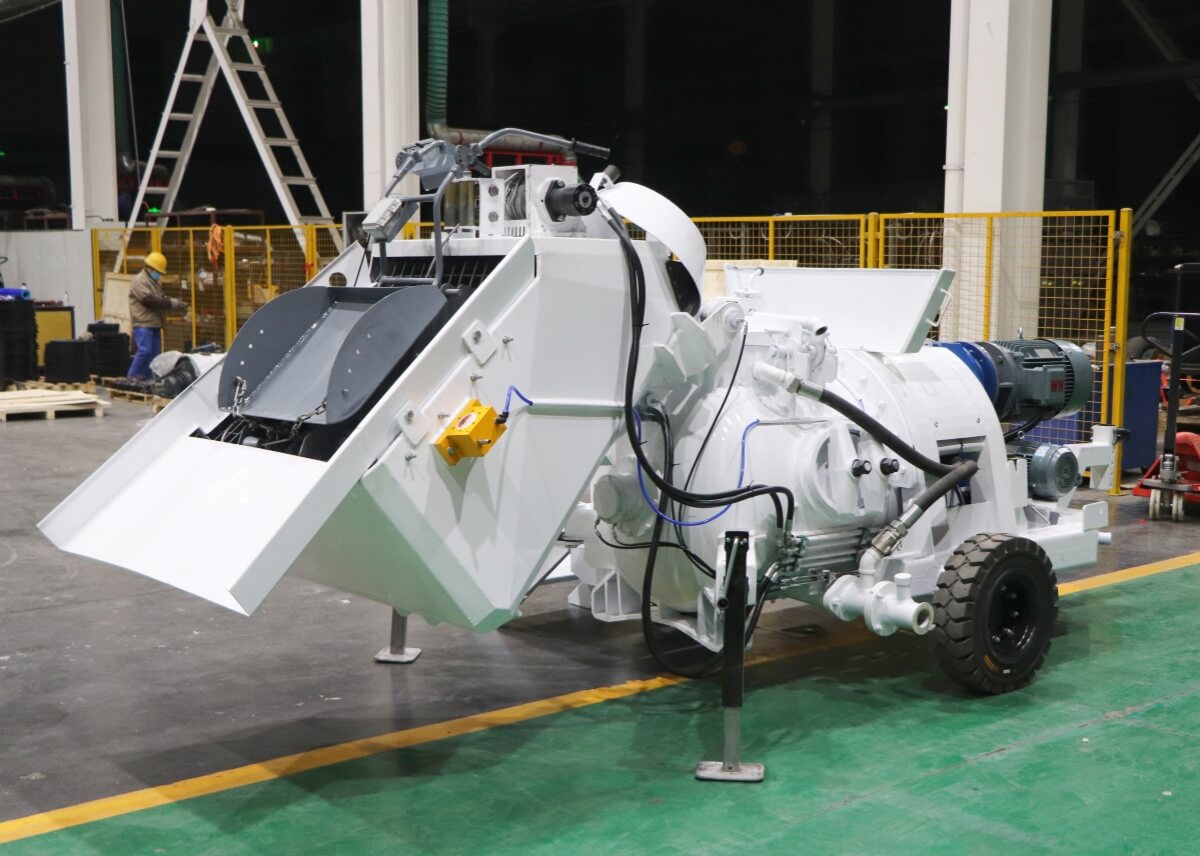
1. Mobility and Support System
Mobile Trailer Chassis
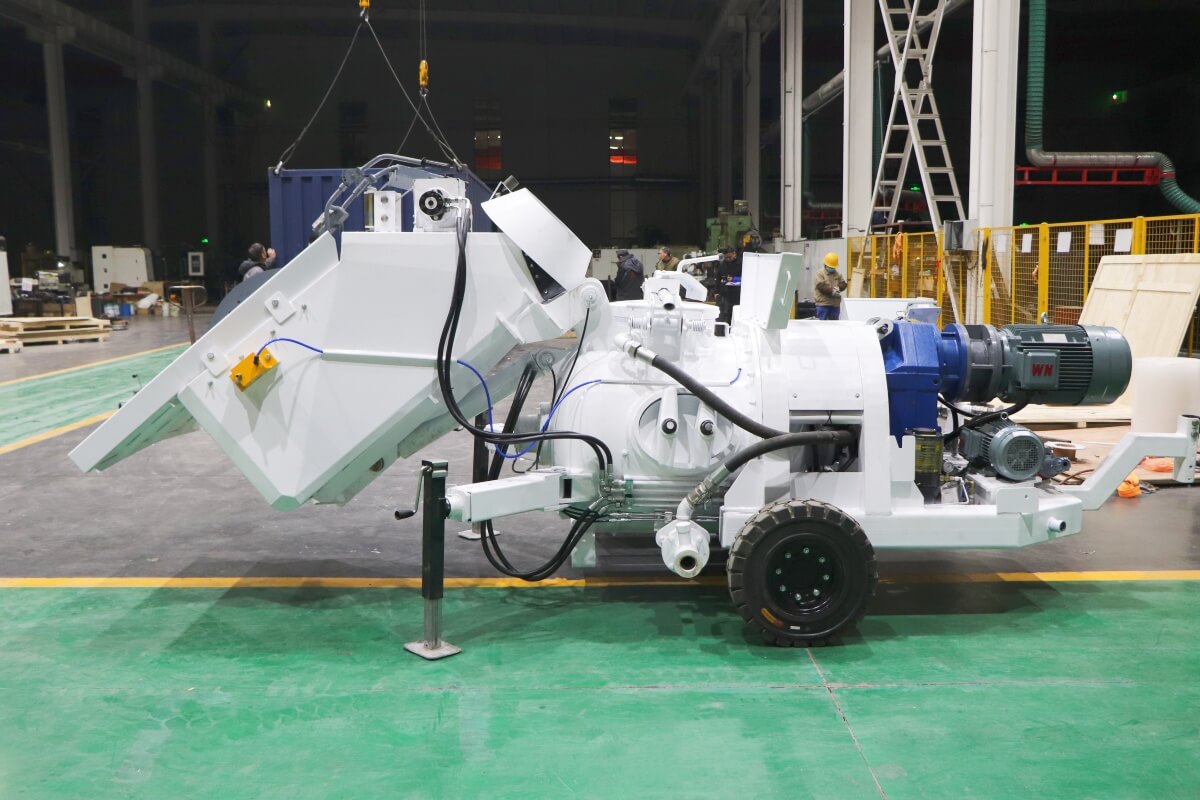
Flexible Mobility: Equipped with a professional trailer chassis, enabling free movement of the equipment on the construction site.
Site Adaptability: No external hoisting equipment required; quick positioning via towing.
Convenient Transportation: The entire machine can be towed for easy relocation between different construction sites.
High-Load-Bearing Solid Tires
Robust and Durable: Utilizes a high-load-bearing solid tire design, requiring no inflation maintenance.
Site Adaptability: Can operate stably in harsh ground conditions such as gravel and mud.
High Load Capacity: Ensures safe movement and operational stability under full load.
High-Load-Bearing Adjustable Jack Support Legs
Stable Support: Equipped with high-strength jack support legs, providing stable support during operation.
Height Adjustable: Flexible adjustment of support height according to ground conditions to ensure equipment level.
Safety Guarantee: Prevents equipment swaying during operation, improving construction safety.
Rapid Deployment: Hydraulic/mechanical lifting operation for rapid support erection.
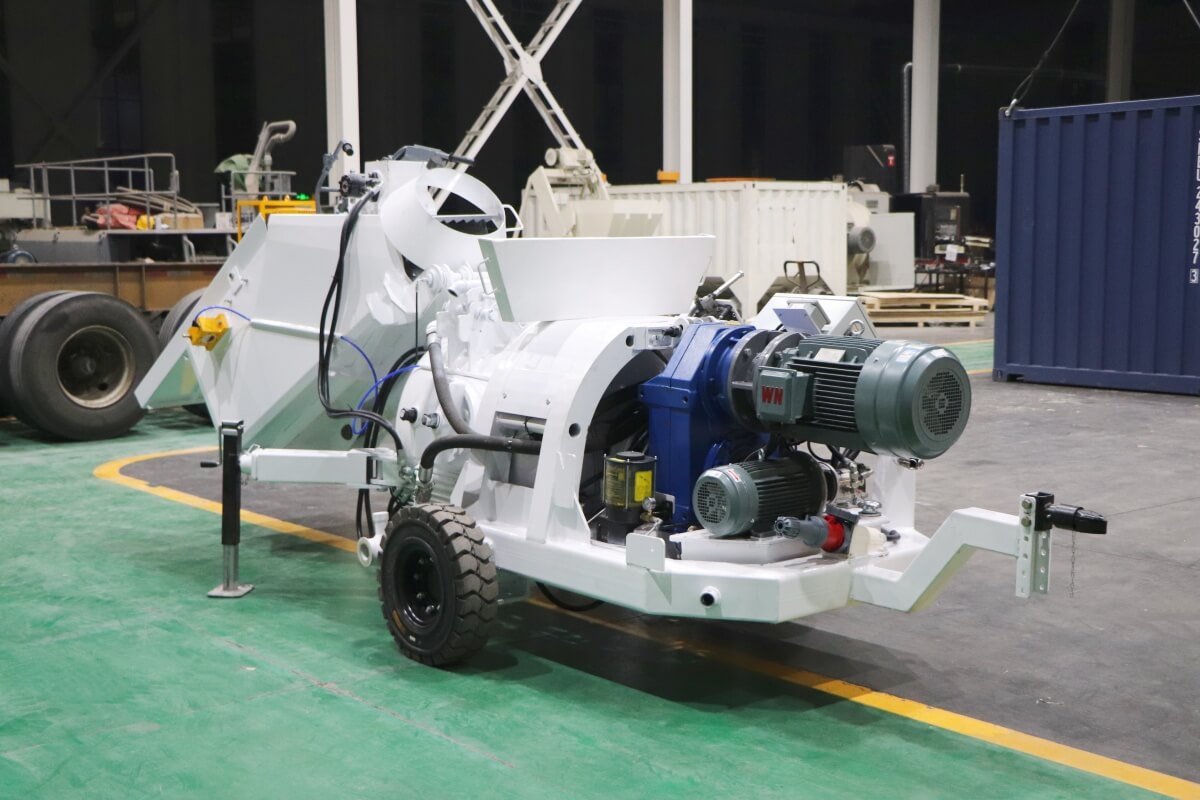
2. Core Power System
22KW Mixing Motor
Powerful Performance: 22kW high-power motor provides ample mixing torque
Efficient Mixing: Ensures thorough and uniform mixing of various mortar materials
Continuous Operation: Supports long-term continuous operation, meeting the needs of high-intensity construction
Energy-Saving Design: Optimized motor efficiency reduces energy costs
4KW Hydraulic Pump Motor
Hydraulic Drive: Provides stable power output for the hydraulic system
Precise Control: Enables smooth operation of the hydraulic feeding device
Rapid Response: Quickly responds to operating commands, improving work efficiency
Reliable and Durable: High-quality hydraulic components extend equipment lifespan
3. Hydraulic Feeding Device
Hydraulic Driven Feeding System
Easy Feeding: Hydraulically driven automatic feeding device significantly reduces manual labor intensity
Continuous Feeding: Enables continuous and stable material conveying, improving work efficiency
Easy Operation: Hydraulic control is simple and easy to learn, lowering the operating threshold
Precise Control: Feeding speed and quantity can be precisely adjusted, avoiding material waste
4. Wear-resistant and Protective Design
Replaceable Wear-resistant Liners
Easy Maintenance: The mixing tank's inner wall features replaceable wear-resistant liners.
Extended Lifespan: Protects the tank from wear, extending the overall lifespan of the equipment.
Reduced Costs: Liners can be replaced individually, eliminating the need for complete tank replacement.
Superior Material: Utilizes high-hardness wear-resistant materials, resistant to long-term friction and impact.
4 Wear-resistant Mixing Blades
Highly Efficient Mixing: Four carefully designed mixing blades create a powerful vortex mixing effect.
Uniform Mixing: The synergistic action of multiple blades ensures thorough mixing of materials.
High Durability: Blades are made of wear-resistant material, resistant to damage even after long-term use.
Easy Replacement: Modular design allows for quick replacement of damaged blades.
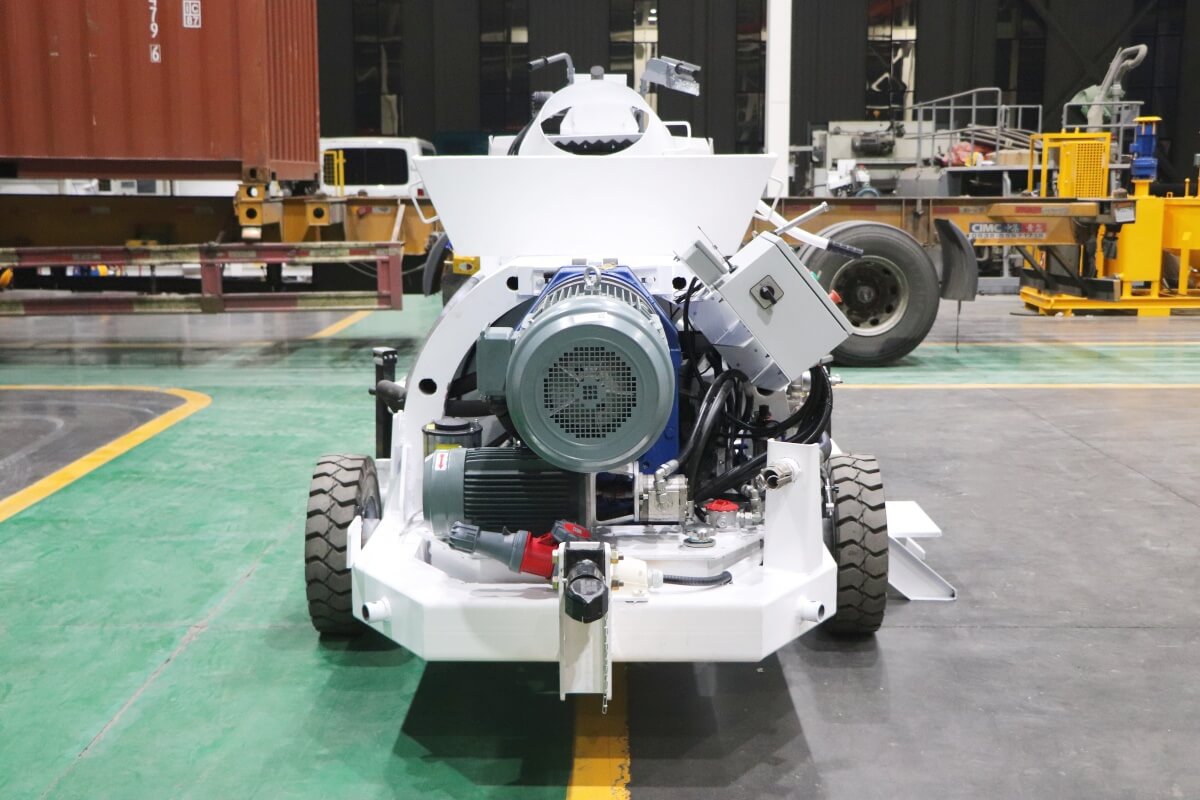
With these superior technical features, the LPXT400-E dry floor screeding machine achieves efficient, stable, and durable operating performance, making it an ideal choice for modern construction sites.
1. Mobility and Support System
Mobile Trailer Chassis
Flexible Mobility: Equipped with a professional trailer chassis, enabling free movement of the equipment on the construction site.
Site Adaptability: No external hoisting equipment required; quick positioning via towing.
Convenient Transportation: The entire machine can be towed for easy relocation between different construction sites.
High-Load-Bearing Solid Tires
Robust and Durable: Utilizes a high-load-bearing solid tire design, requiring no inflation maintenance.
Site Adaptability: Can operate stably in harsh ground conditions such as gravel and mud.
High Load Capacity: Ensures safe movement and operational stability under full load.
High-Load-Bearing Adjustable Jack Support Legs
Stable Support: Equipped with high-strength jack support legs, providing stable support during operation.
Height Adjustable: Flexible adjustment of support height according to ground conditions to ensure equipment level.
Safety Guarantee: Prevents equipment swaying during operation, improving construction safety.
Rapid Deployment: Hydraulic/mechanical lifting operation for rapid support erection.
2. Core Power System
22KW Mixing Motor
Powerful Performance: 22kW high-power motor provides ample mixing torque
Efficient Mixing: Ensures thorough and uniform mixing of various mortar materials
Continuous Operation: Supports long-term continuous operation, meeting the needs of high-intensity construction
Energy-Saving Design: Optimized motor efficiency reduces energy costs
4KW Hydraulic Pump Motor
Hydraulic Drive: Provides stable power output for the hydraulic system
Precise Control: Enables smooth operation of the hydraulic feeding device
Rapid Response: Quickly responds to operating commands, improving work efficiency
Reliable and Durable: High-quality hydraulic components extend equipment lifespan
3. Hydraulic Feeding Device
Hydraulic Driven Feeding System
Easy Feeding: Hydraulically driven automatic feeding device significantly reduces manual labor intensity
Continuous Feeding: Enables continuous and stable material conveying, improving work efficiency
Easy Operation: Hydraulic control is simple and easy to learn, lowering the operating threshold
Precise Control: Feeding speed and quantity can be precisely adjusted, avoiding material waste
4. Wear-resistant and Protective Design
Replaceable Wear-resistant Liners
Easy Maintenance: The mixing tank's inner wall features replaceable wear-resistant liners.
Extended Lifespan: Protects the tank from wear, extending the overall lifespan of the equipment.
Reduced Costs: Liners can be replaced individually, eliminating the need for complete tank replacement.
Superior Material: Utilizes high-hardness wear-resistant materials, resistant to long-term friction and impact.
4 Wear-resistant Mixing Blades
Highly Efficient Mixing: Four carefully designed mixing blades create a powerful vortex mixing effect.
Uniform Mixing: The synergistic action of multiple blades ensures thorough mixing of materials.
High Durability: Blades are made of wear-resistant material, resistant to damage even after long-term use.
Easy Replacement: Modular design allows for quick replacement of damaged blades.
With these superior technical features, the LPXT400-E dry floor screeding machine achieves efficient, stable, and durable operating performance, making it an ideal choice for modern construction sites.
Product Details
-
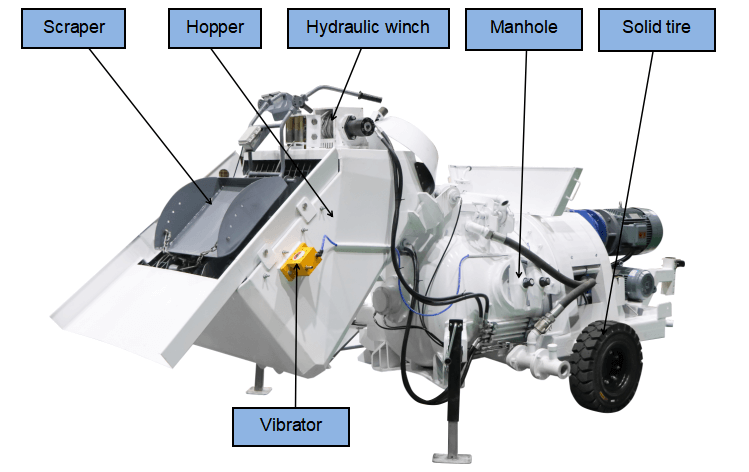
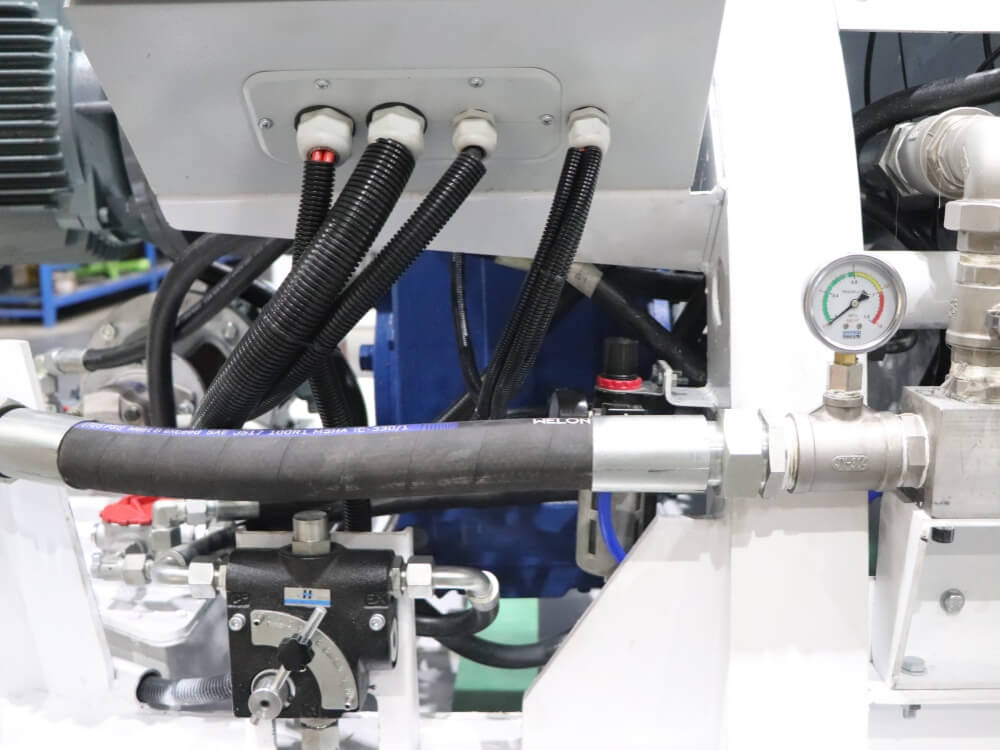 Details of electric semi-dry mortar pump
 -
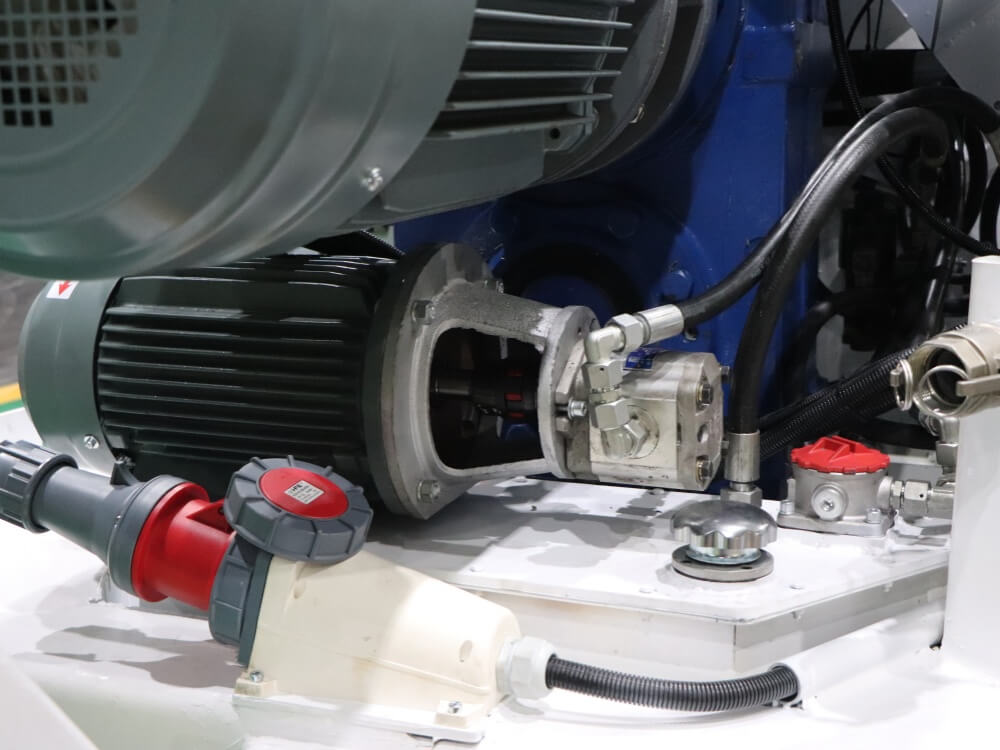 Electric semi-dry mortar pump
 -
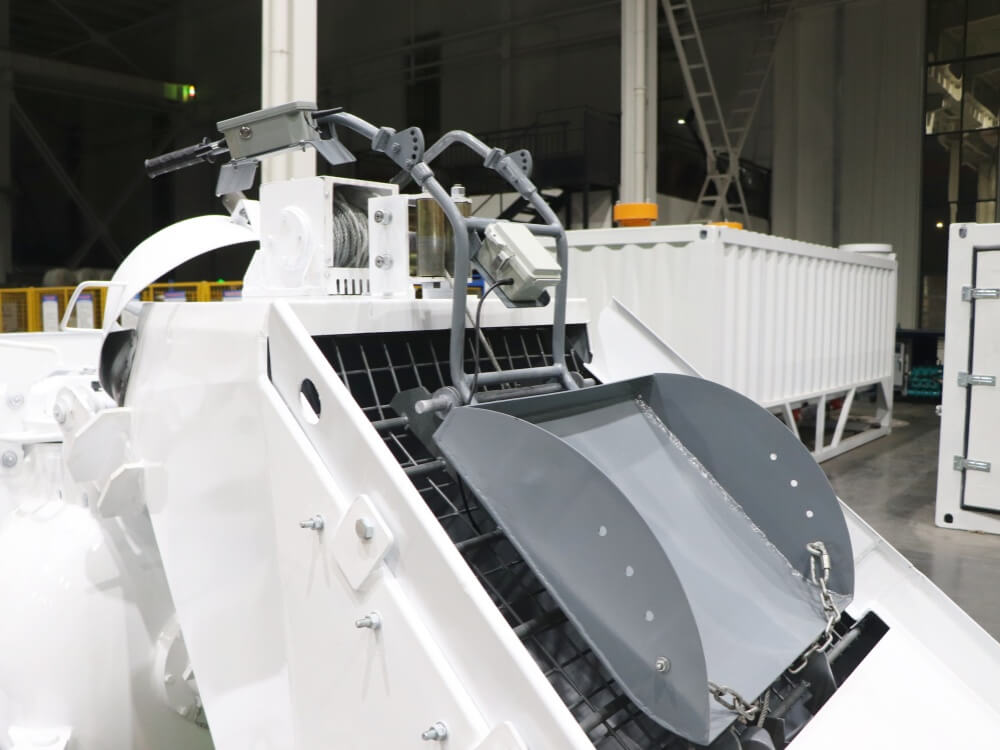 Hopper and scraper
 -
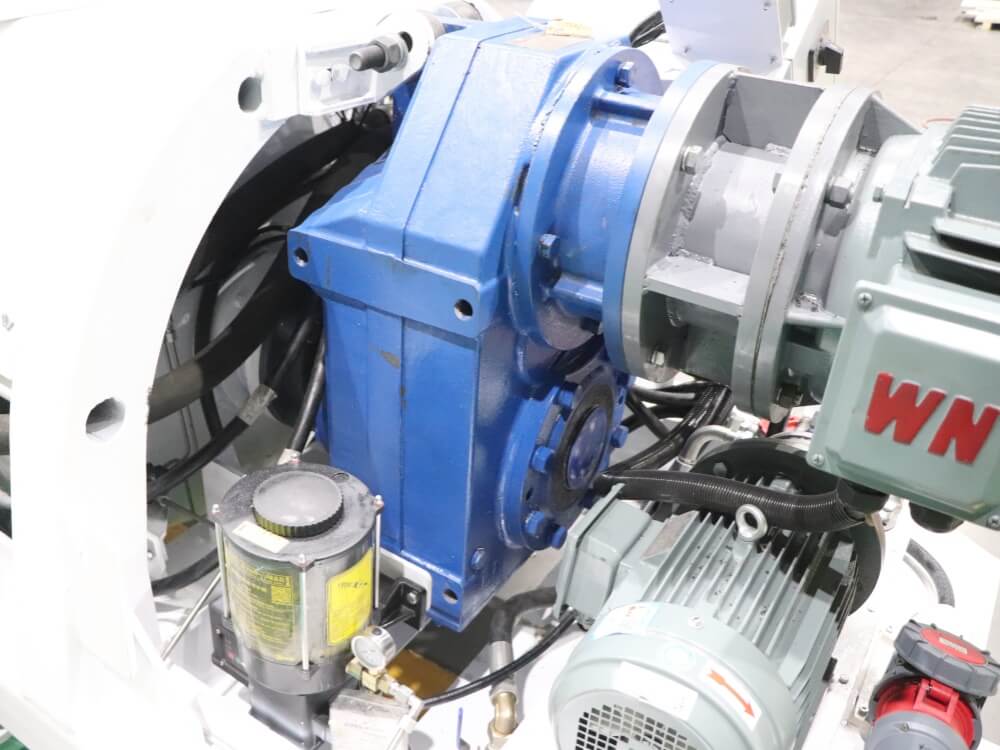 Lubrication pump
 -
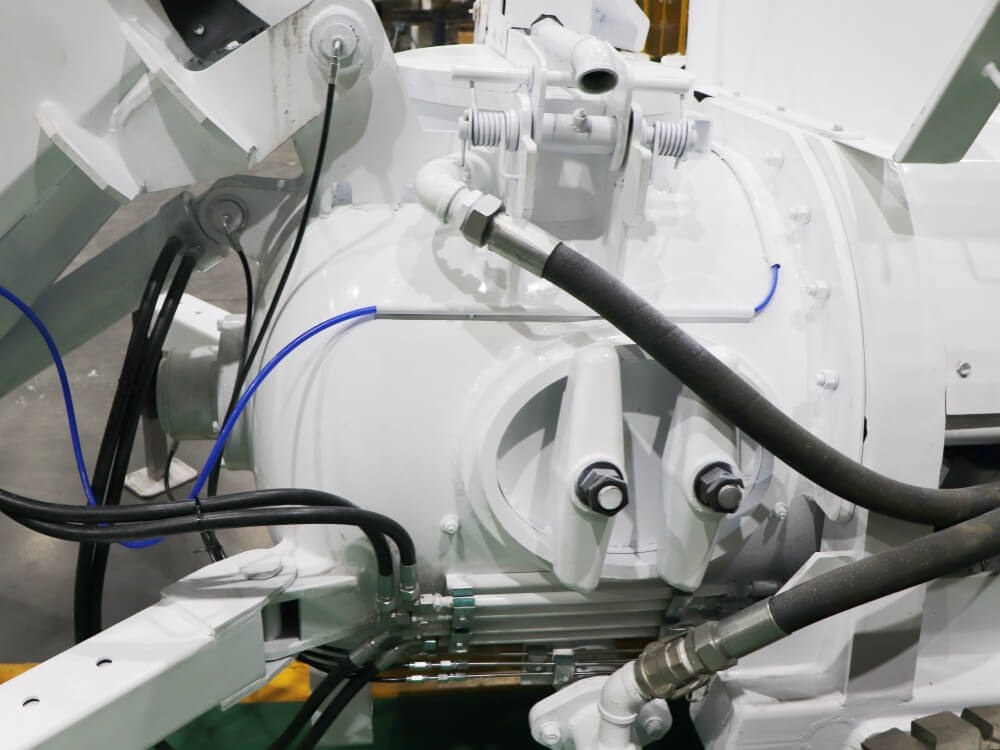 Manhole
 -
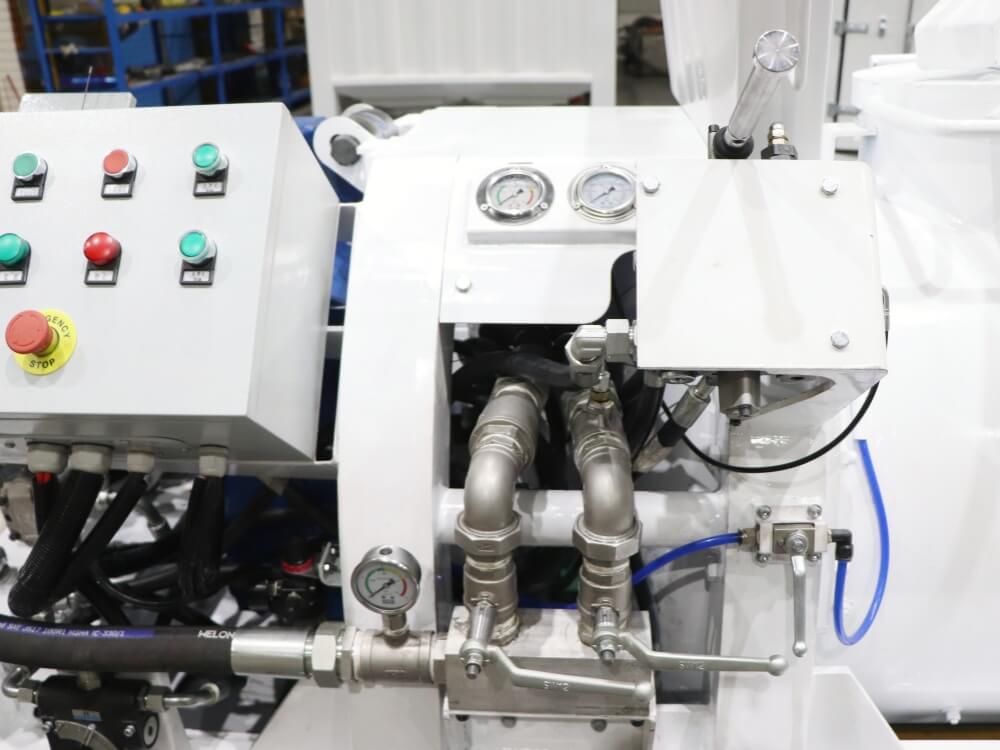 Operating handle
Technical Parameters
Technical Data
| Model | LPXT400-E Dry floor-screed conveying machine |
| Mixing Motor | 22KW |
| Hydraulic Pump Motor | 4KW |
| Operating Voltage | 380V, 50HZ |
| Vessel Capacity | Gross 520L / Net 400L |
| Output Capacity | 9m³/h |
| Operation Pressure | 2bar~8bar |
| Air Consumption | 4~8m3/min |
| Lubrication System | Central Automatic |
| Chassis Tow Connection | Ball Coupling |
| Dimension L×W×H | 4840×1700×1650mm |
| Weight | 2595kg |
Inquiry
Please feel free to submit your inquiry information to us. We will contact with you as soon as possible.
Related products
-
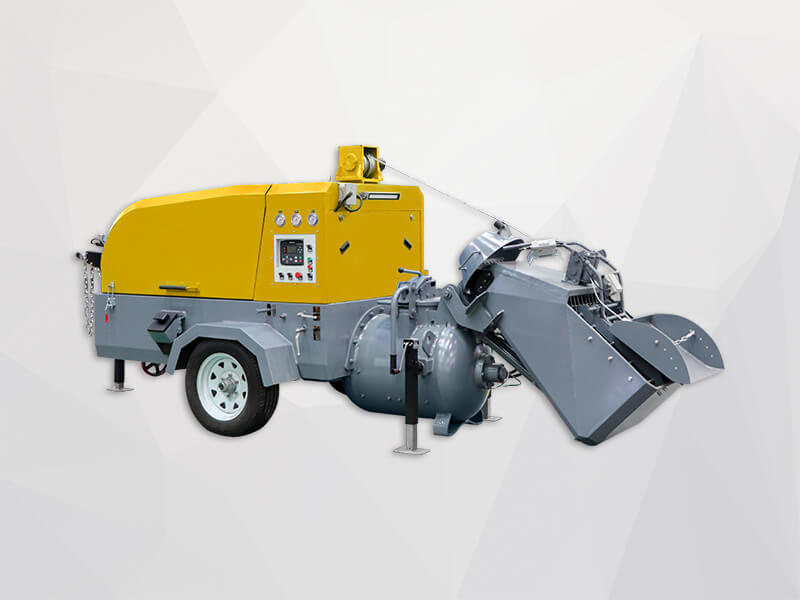
 The LSLC-10/D Floor screed mortar mix and pump machine is equipped with electric or diesel power and is suitable for various construction environments, especially for operations in confined spaces or areas without power.LSLC-10/D Floor screed mortar mix and pump machine
 -
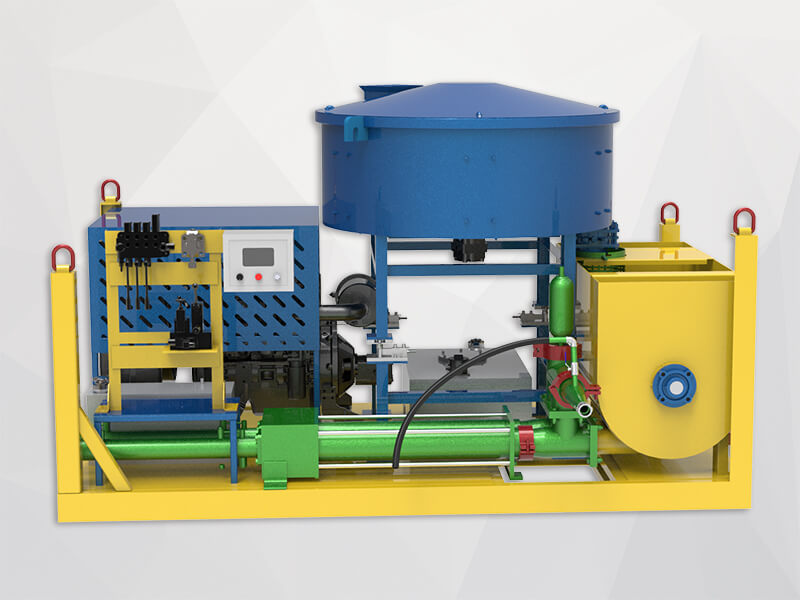
 LPXT200-D/A Floor screed conveyor is a specialized floor screed conveyor engineered to streamline the mixing and transportation of screed materials on construction sites.LPXT200-D/A Floor screed conveyor with air pressure
 -
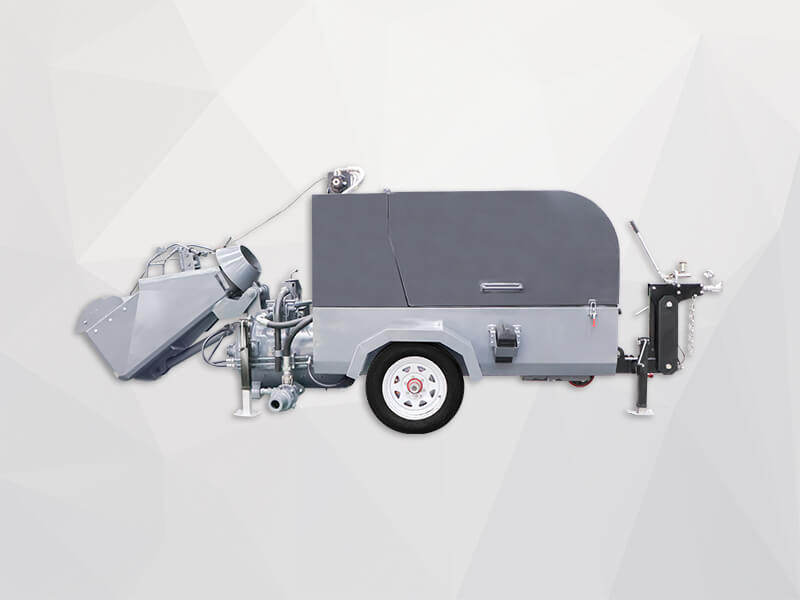 LPXT200-D/A Screed machine-Mortar Mixer And Transfer Machine With Air Pressure is designed to deliver smooth, reliable power to convey the type of construction material continuously.LPXT200-D/A Screed machine-Mortar Mixer And Transfer Machine With Air Pressure
 -
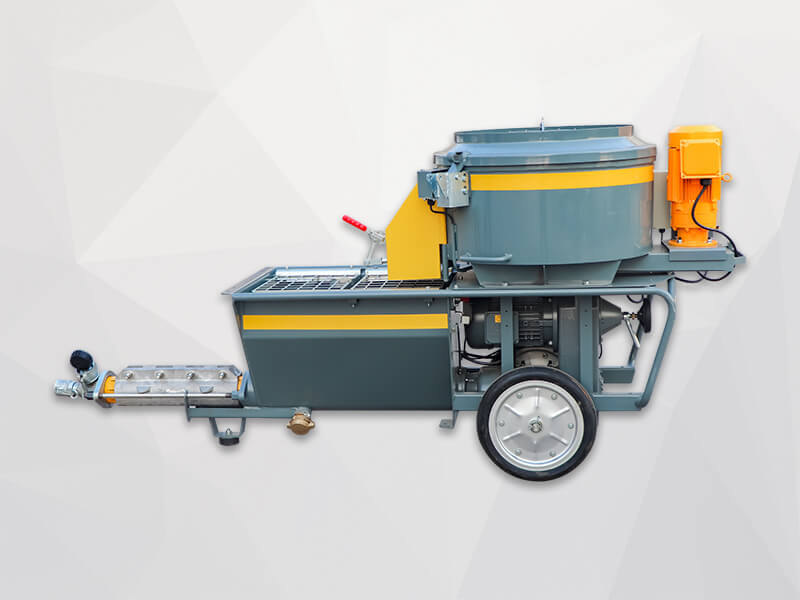 LMP-5X Screw type mortar grout mixer pump represents a high-efficiency technological innovation. It is designed for large-area plastering applications, including plastering mortar, thermal insulation mortar, and thick layers of mortar. Additionally, it finds extensive use in construction for various mortar types such as masonry mortar, reinforced mortar, filling mortar, perfusion mortar, fiber mortar, and self-leveling mortar. This machine is a versatile solution for a range of plastering needs.LMP-5X Screw type mortar grout mixer pump
