Cement bentonite grout mixer
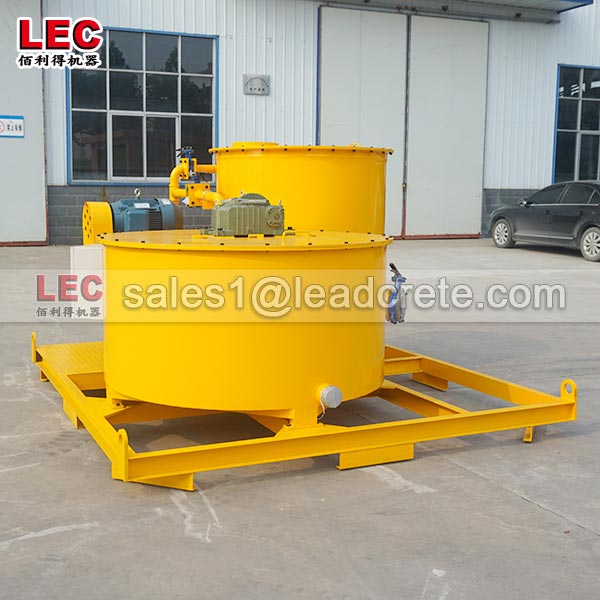
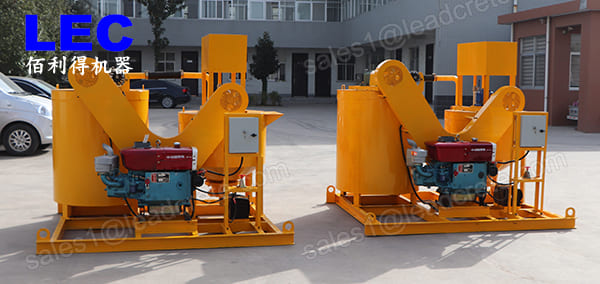
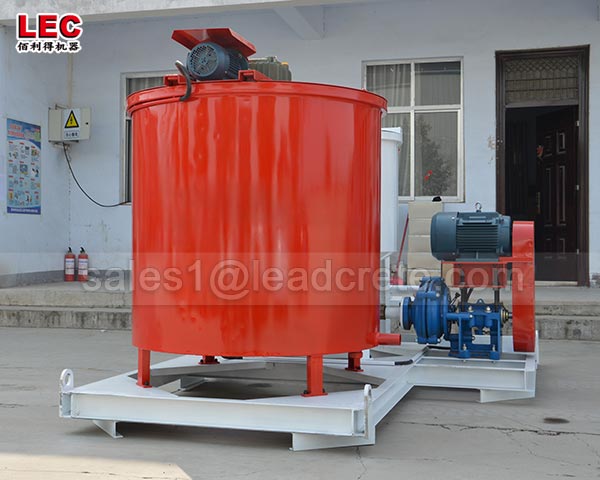
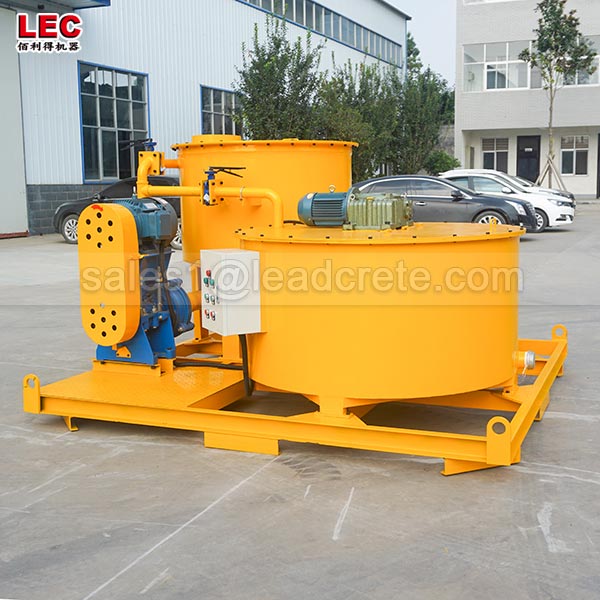
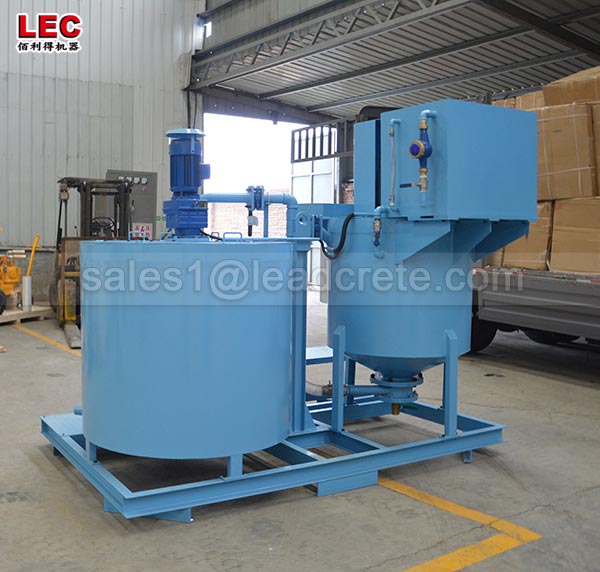
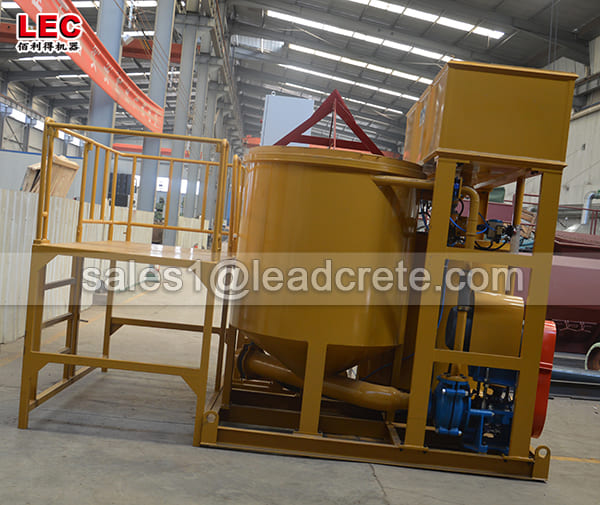
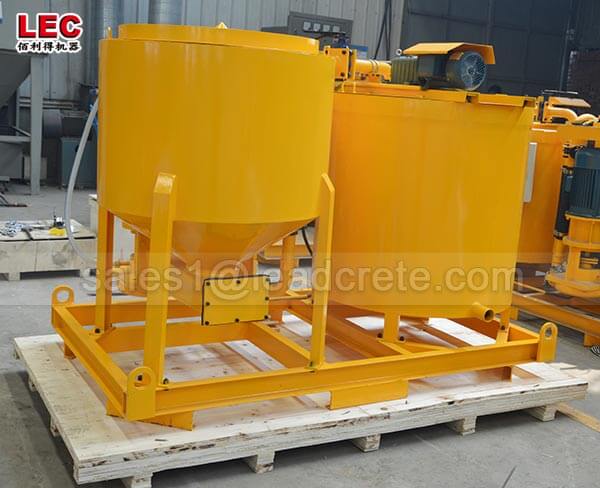
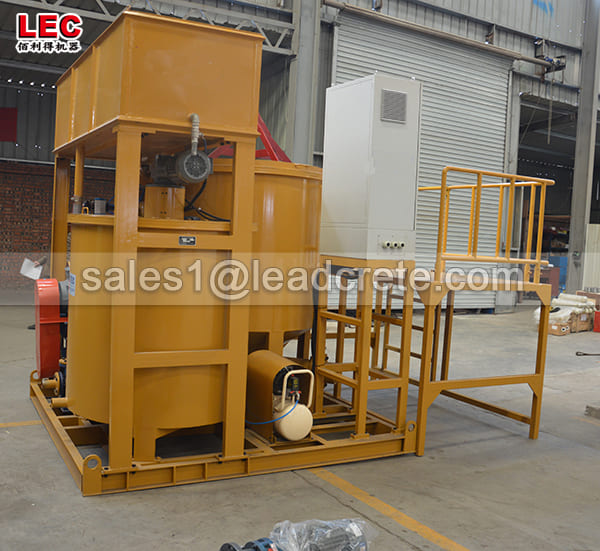
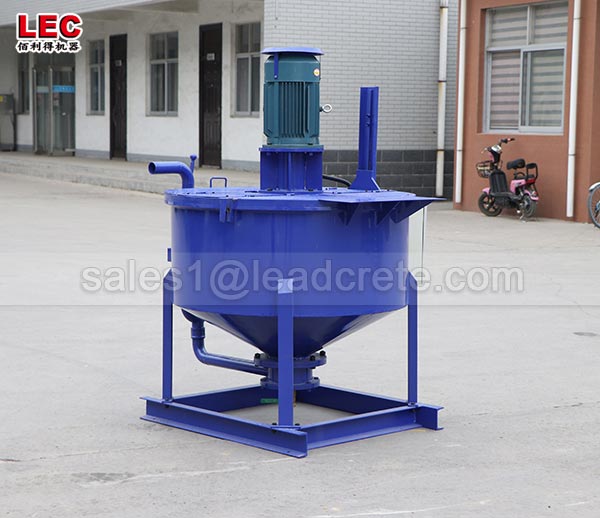
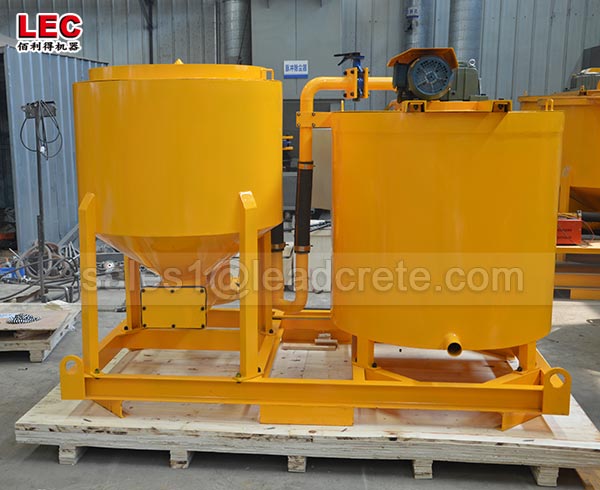
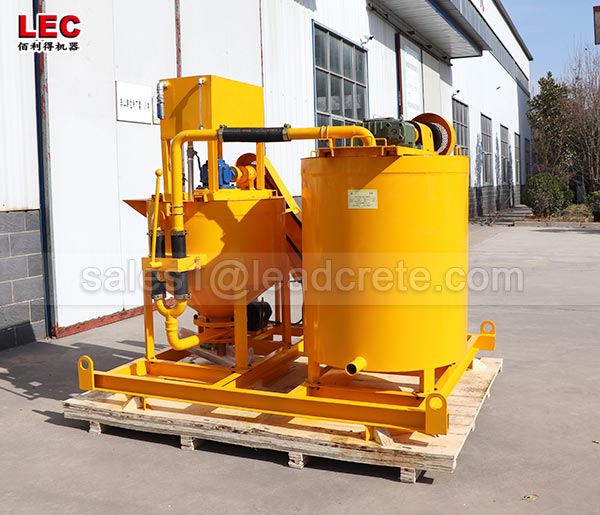
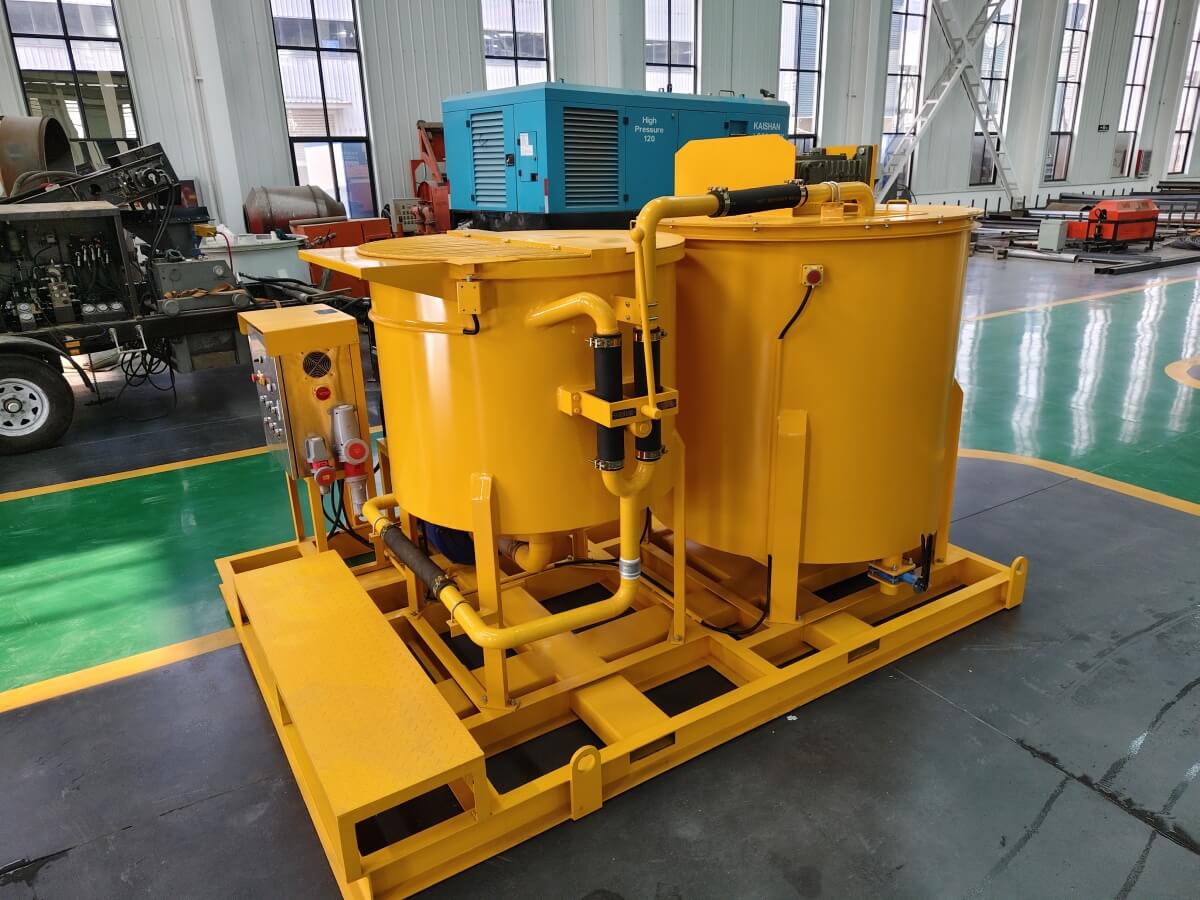
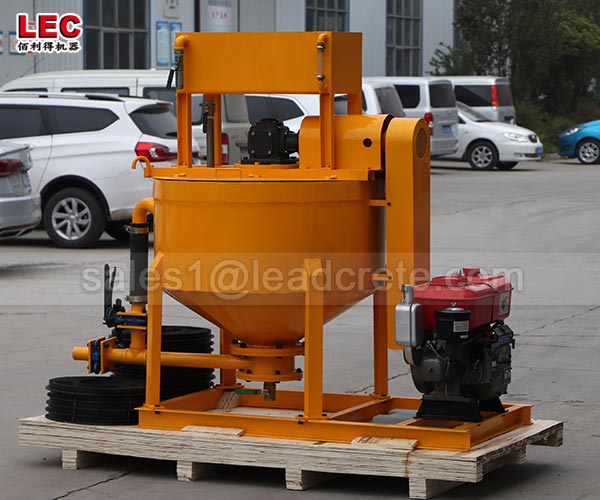
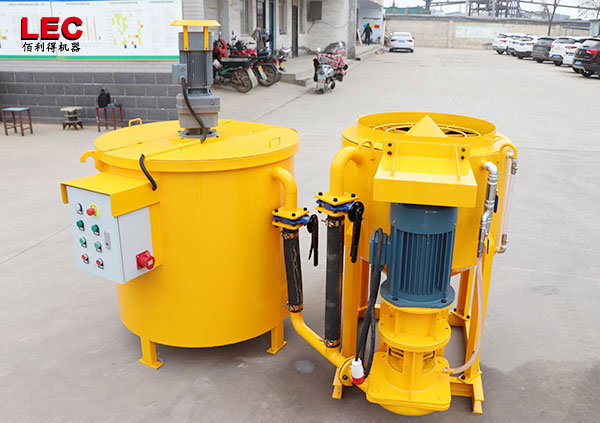
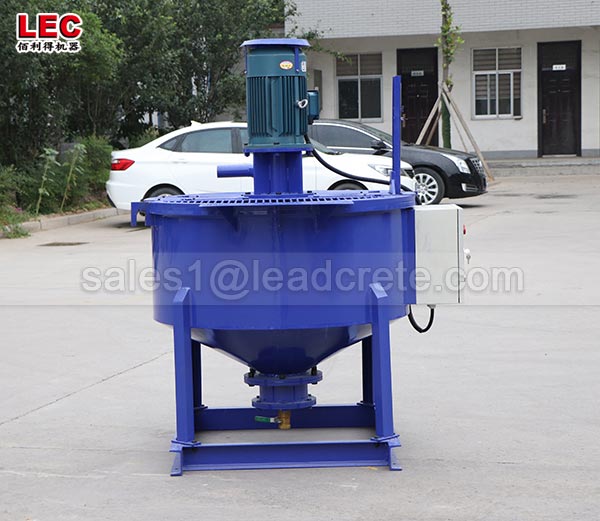
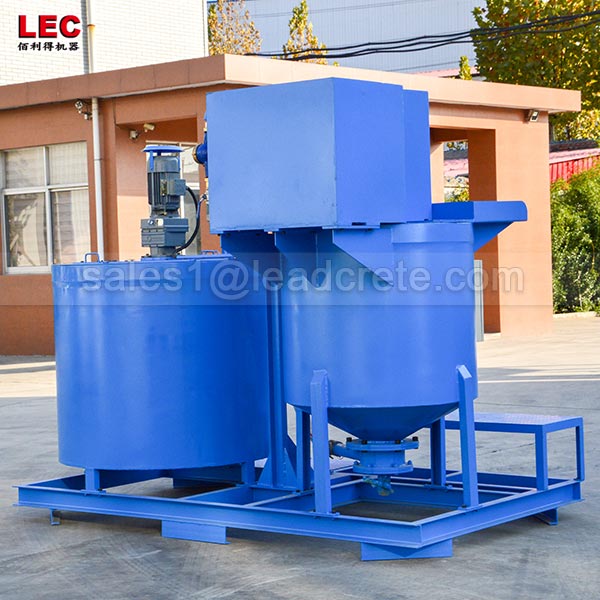
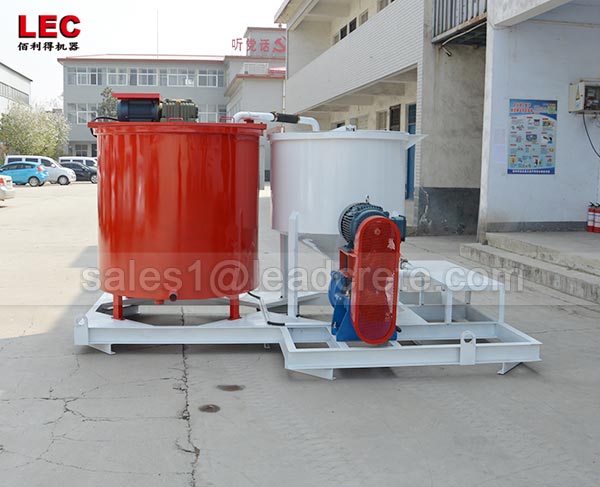
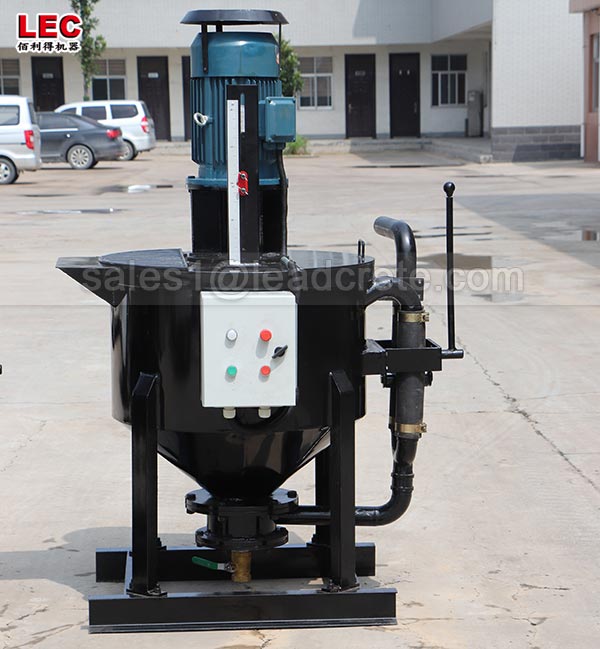
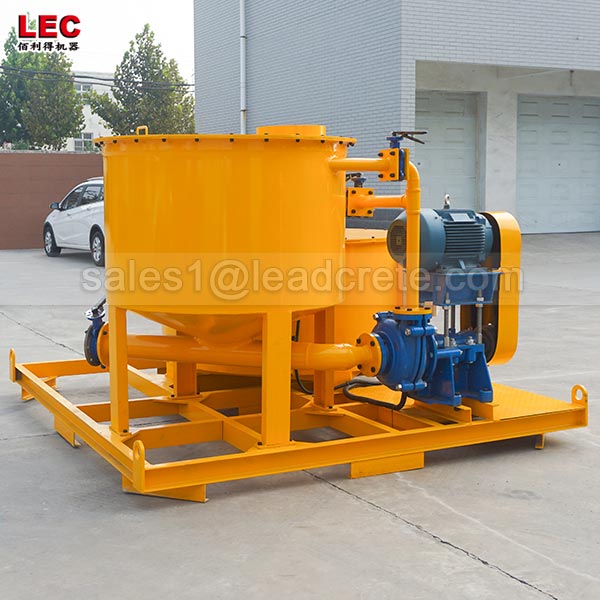
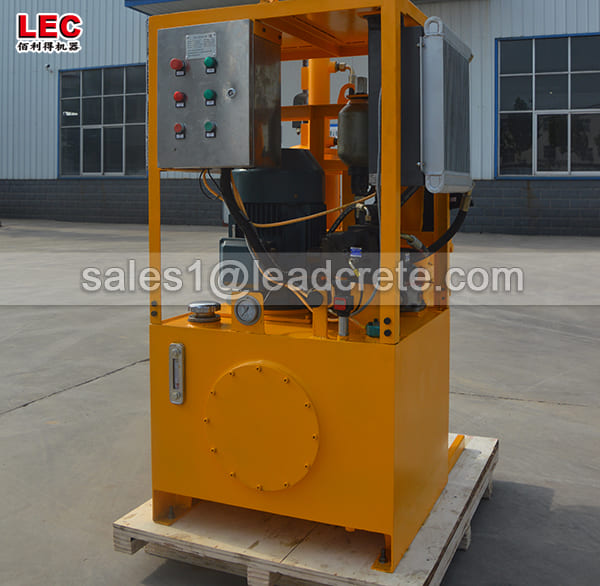
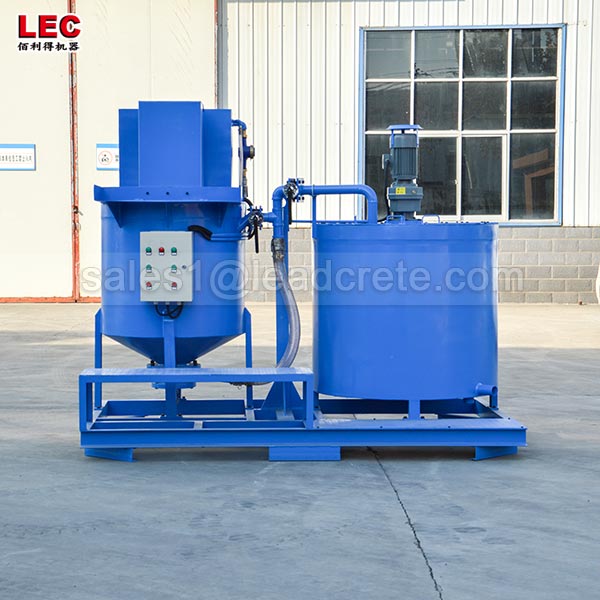
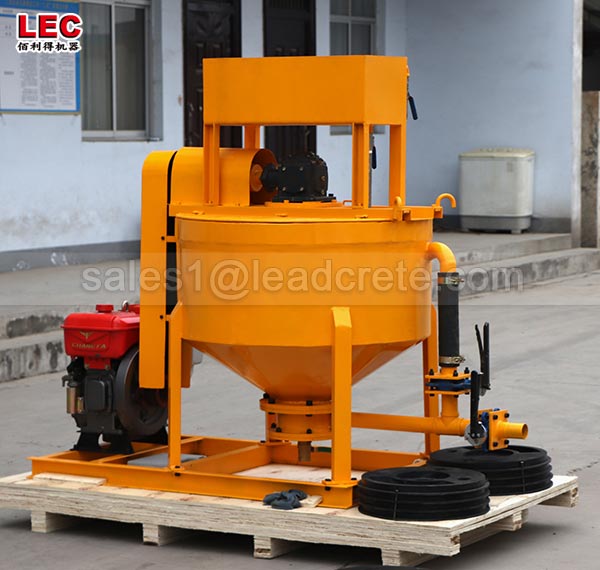
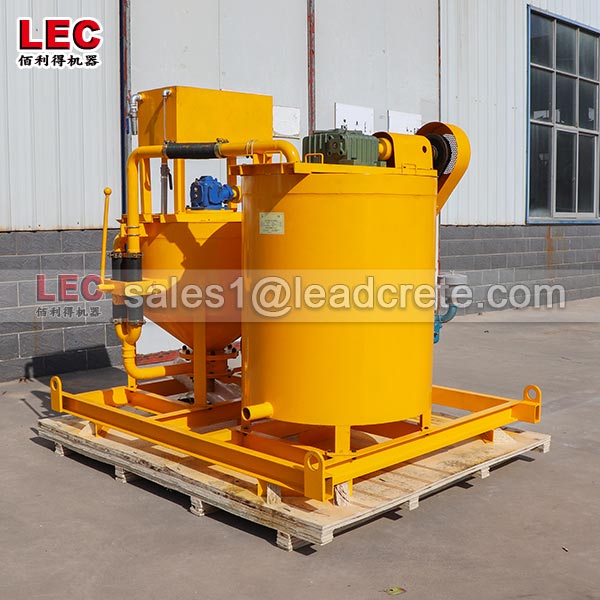
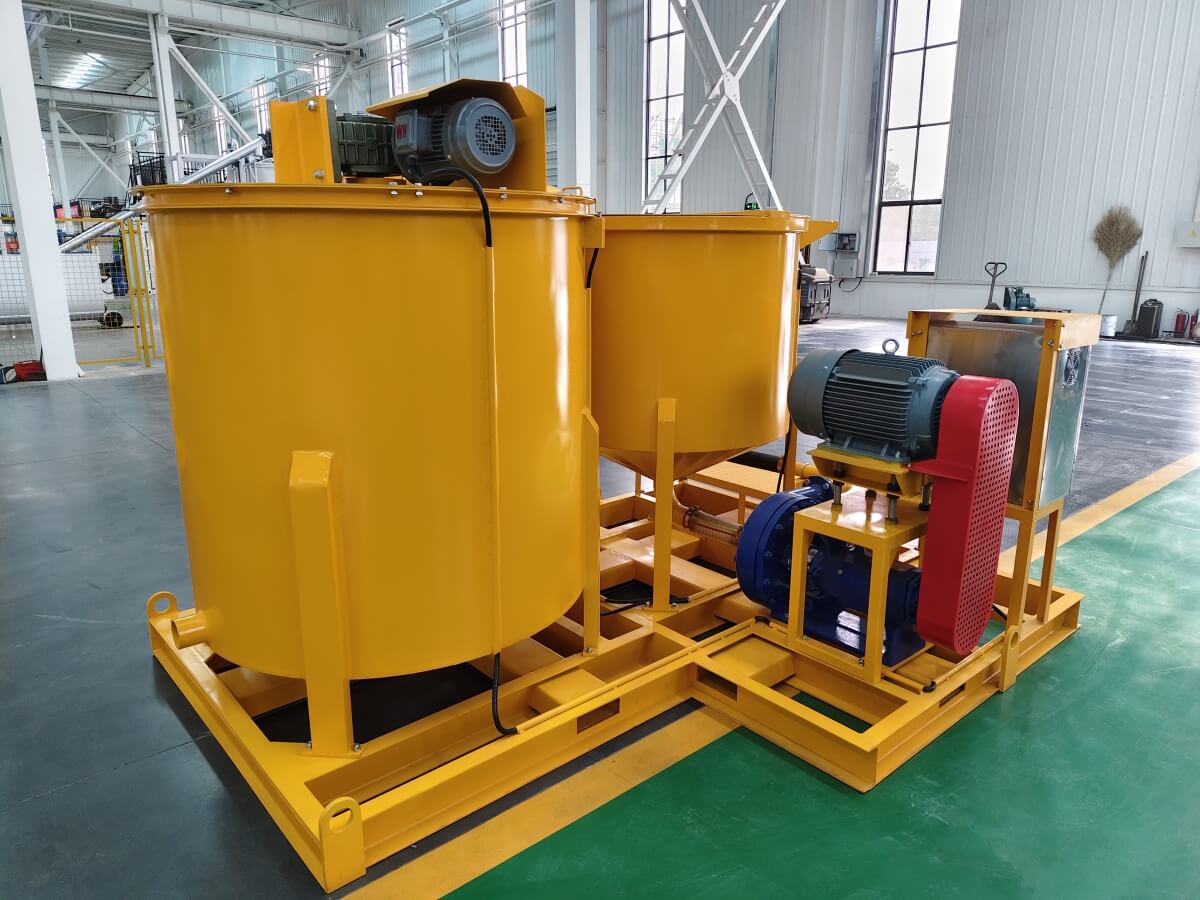
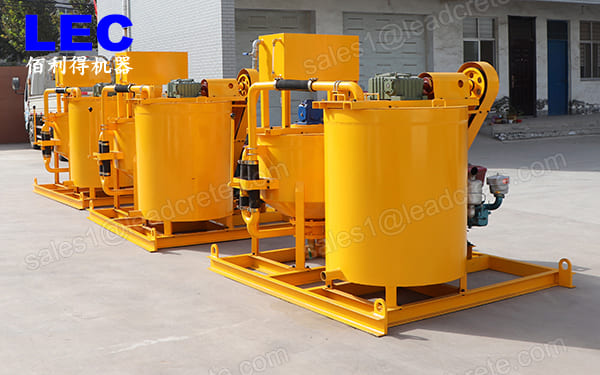
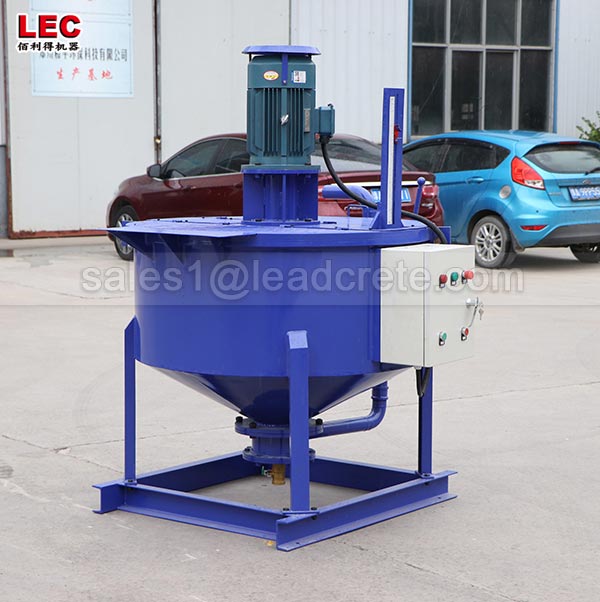
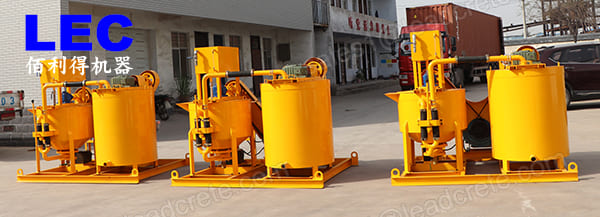
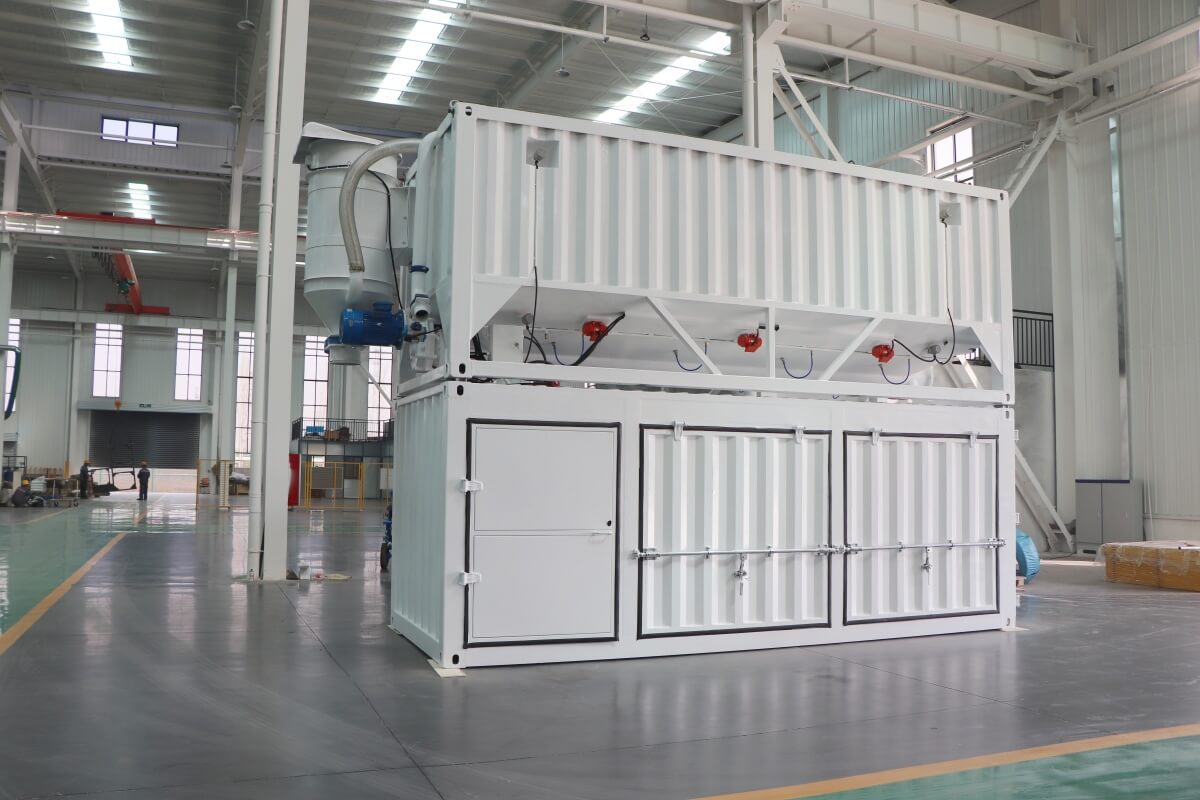
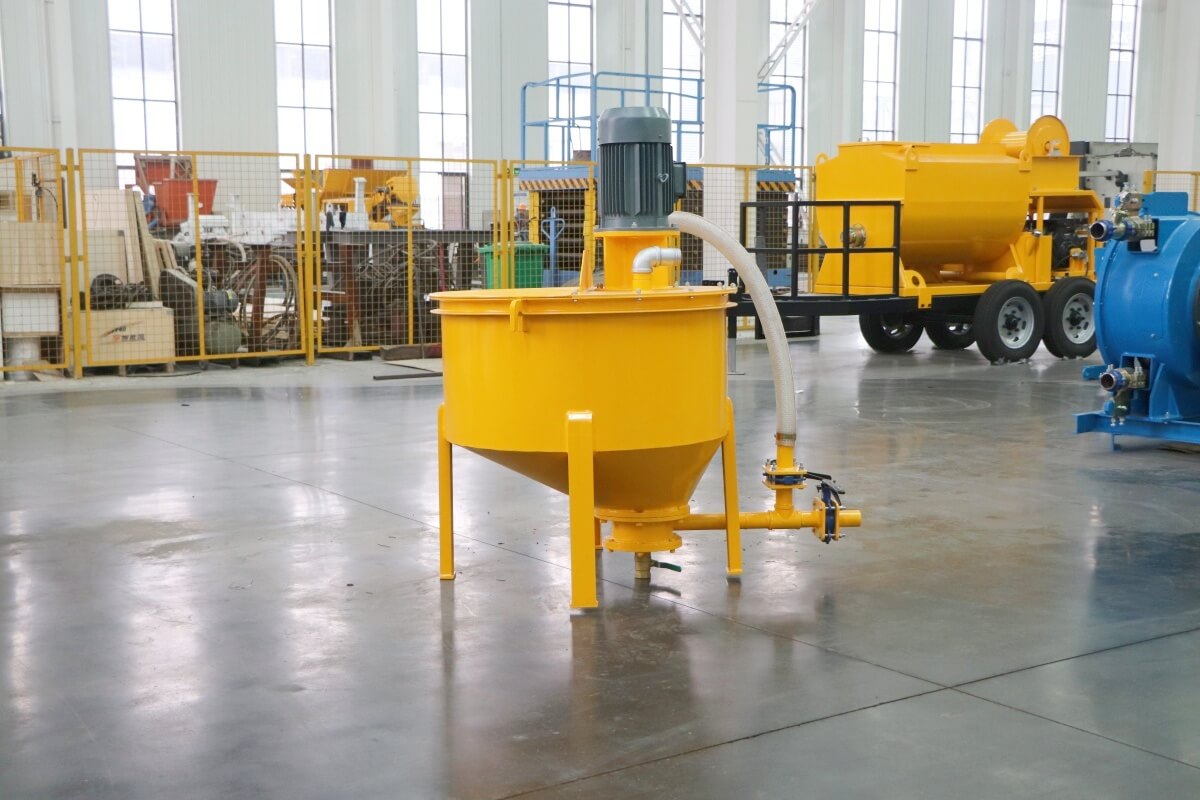
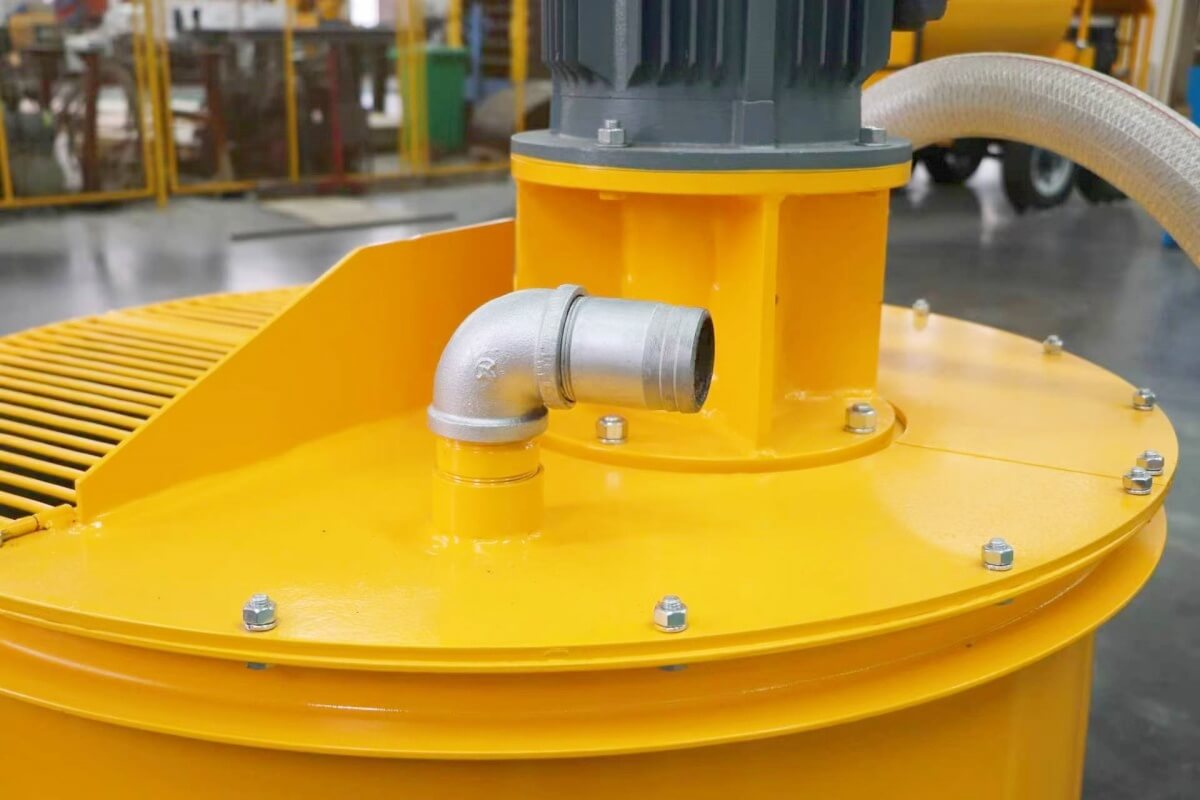
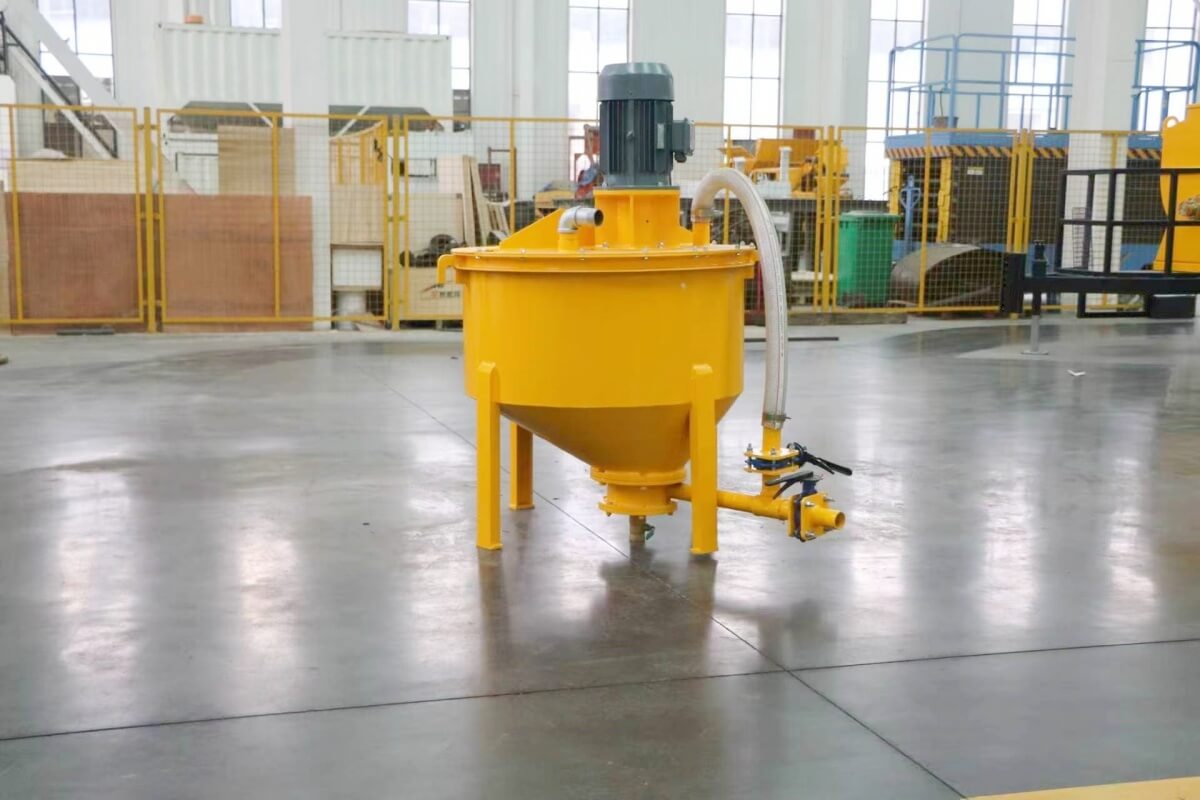
Leadcrete builds cement bentonite grout mixers as single units or mixer-and-agitator sets, with colloidal or high-shear mixing and electric or diesel drive. Configurations cover foundation and tunnel grouting where bentonite is added for stability, with tank sizes matched to batch and working life.
Cement Bentonite Grout Mixer: Order of Addition and Pot Life
Cement and bentonite behave in opposite ways in the same tank. Bentonite needs water and time to hydrate; cement takes water out of the mix and begins to set from the moment it is wetted. A cement bentonite grout mixer therefore has one job beyond dispersing powder: it has to let the clay hydrate before the cement is added. Get that order wrong and no amount of mixing recovers the batch. Get it right and two further decisions follow, both about the machine rather than the recipe.
The order of addition decides the machine
Bentonite powder dropped into water forms gel-coated lumps that hydrate slowly from the outside in. Dropped into a cement slurry, it meets a denser, alkaline liquid that is already reacting, and the lumps stay lumps. The yield the mix design assumed never appears, so the crew adds more bentonite to reach the target viscosity, which is exactly the wrong correction.
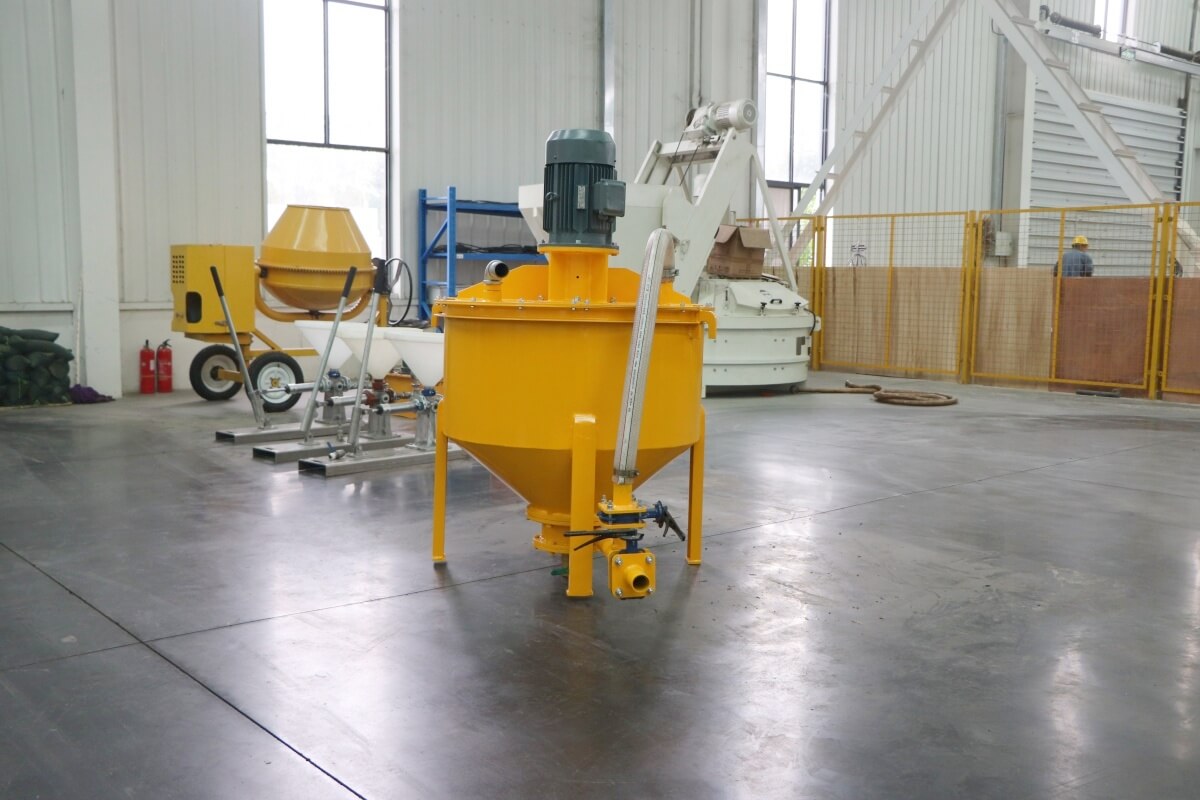
The sequence the plant has to support is therefore fixed: water, then bentonite, then hydration time, then cement and additives, then a short high-shear blend, then slow agitation until the batch is drawn. A single mixer with an agitator and a transfer valve can run that sequence, provided the operator has somewhere to hold the hydrated clay while the cement is added. Where a site already prepares bentonite slurry for drilling or pipe jacking, a second unit fed from that storage is often the simpler arrangement than trying to make one tank do both jobs.
What the bentonite is doing, and what it costs
In a cement grout, bentonite is not there to thicken the mix. It holds the solids in suspension, limits bleed water collecting under a filled void, and gives the grout enough cohesion to stay where it is placed, which is why it appears in tunnel backfill and void filling mixes.
The cost is strength. Bentonite displaces cement and interferes with the set, so the useful amount is small, and the quantity belongs to the mix design rather than to the mixer. That has a direct equipment consequence: a mixer that leaves lumps forces the crew to over-dose to reach the specified viscosity, and the strength loss that follows is never recorded as a mixing fault. Even dispersion at a small dosage is the whole point of using a high-shear head, and it is the reason the mixing step should not be stretched to compensate for a batch that was fed too fast.
Working life caps the batch, not mixer speed
Cement grout begins to set once mixed, so there is a window between batching and placing. Batch size should be set by what the job draws inside that window, not by the mixer’s rated output: a throughput calculation sizes the machine from the pump, while working life caps it from the other side, and the smaller figure governs.
Take the working life your mix design states. If a mix stays usable for 90 minutes and the injection rate is 3 m³/h, batches above roughly 4.5 m³ will sit in the tank past that window. Those figures are an illustration of the arithmetic, not a recommendation for a specific grout; the working life itself comes from the mix design and the material supplier. Where the site cannot hold to that discipline, a smaller mixer with an agitator that keeps batches moving is more useful than a large one that lets grout stand.
The water/cement question
Colloidal and high-shear mixers wet cement more completely than a paddle at the same water content, which is why they are specified for grouts that have to stay pumpable at low water/cement ratios. Our published figures for colloidal mixers quote a mixing time of about two minutes and a working water/cement ratio up to 0.5:1.
How far below that a given machine can go depends on the model and on the mix, and bentonite makes the answer mix-specific because it raises viscosity at the same water content. Ask for the limit in writing against your own mix design rather than a general figure, and treat any single number quoted without a mix attached as indicative only.
Cleaning belongs in the specification
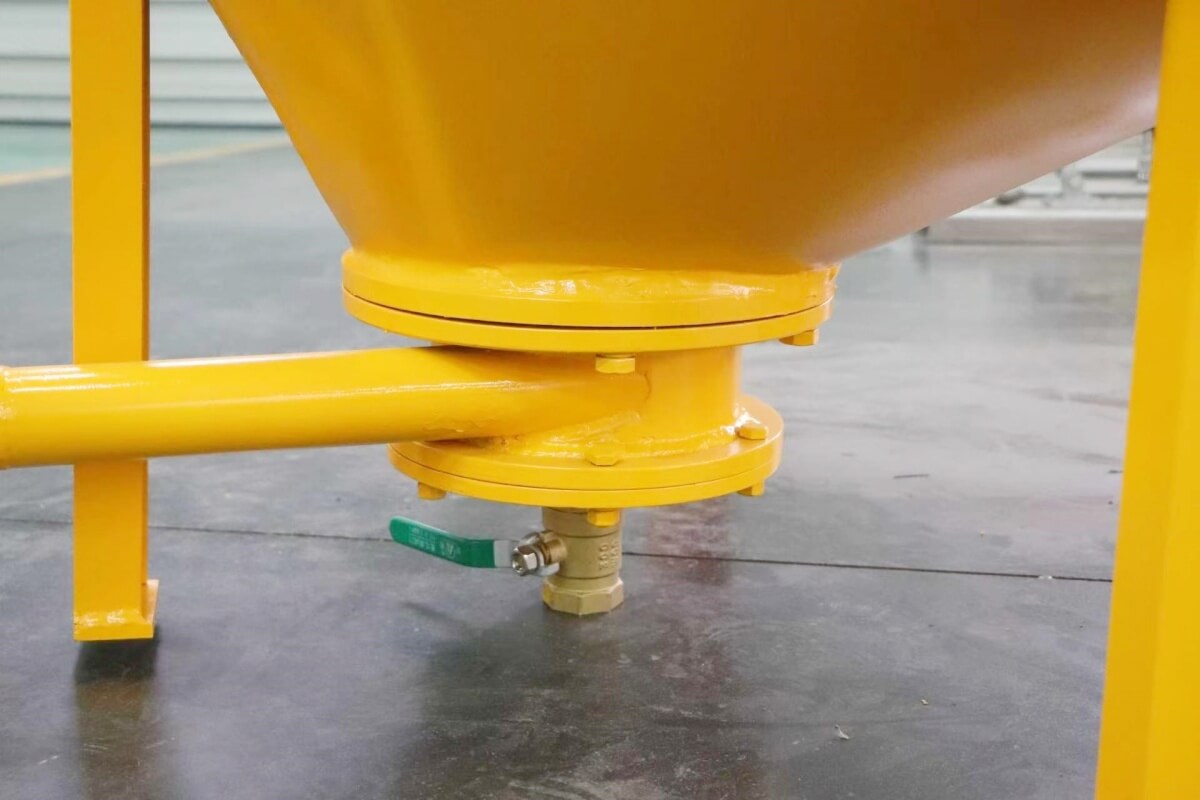
Set cement in a tank, a valve or a line is the most common way a grout plant loses a shift. Two design points matter more than they look: a tank and frame that drain fully without pooling, and a flush point at the pump inlet so the line can be cleared before the grout stiffens. Where the same plant alternates between bentonite slurry and cement blends, the changeover needs a flush step written into the procedure, because residual set grout from the previous batch will contaminate the next one.
What to send with an enquiry
To propose a configuration we need: the application and injection rate; the mix design, including bentonite dosage and water/cement ratio; the working life the mix allows; whether the plant also prepares bentonite slurry for other uses; the power available on site; and whether the mixer works alone or with a holding tank. Send these to sales1@leadcrete.com.