Core Drill Rig for Construction Site Investigation
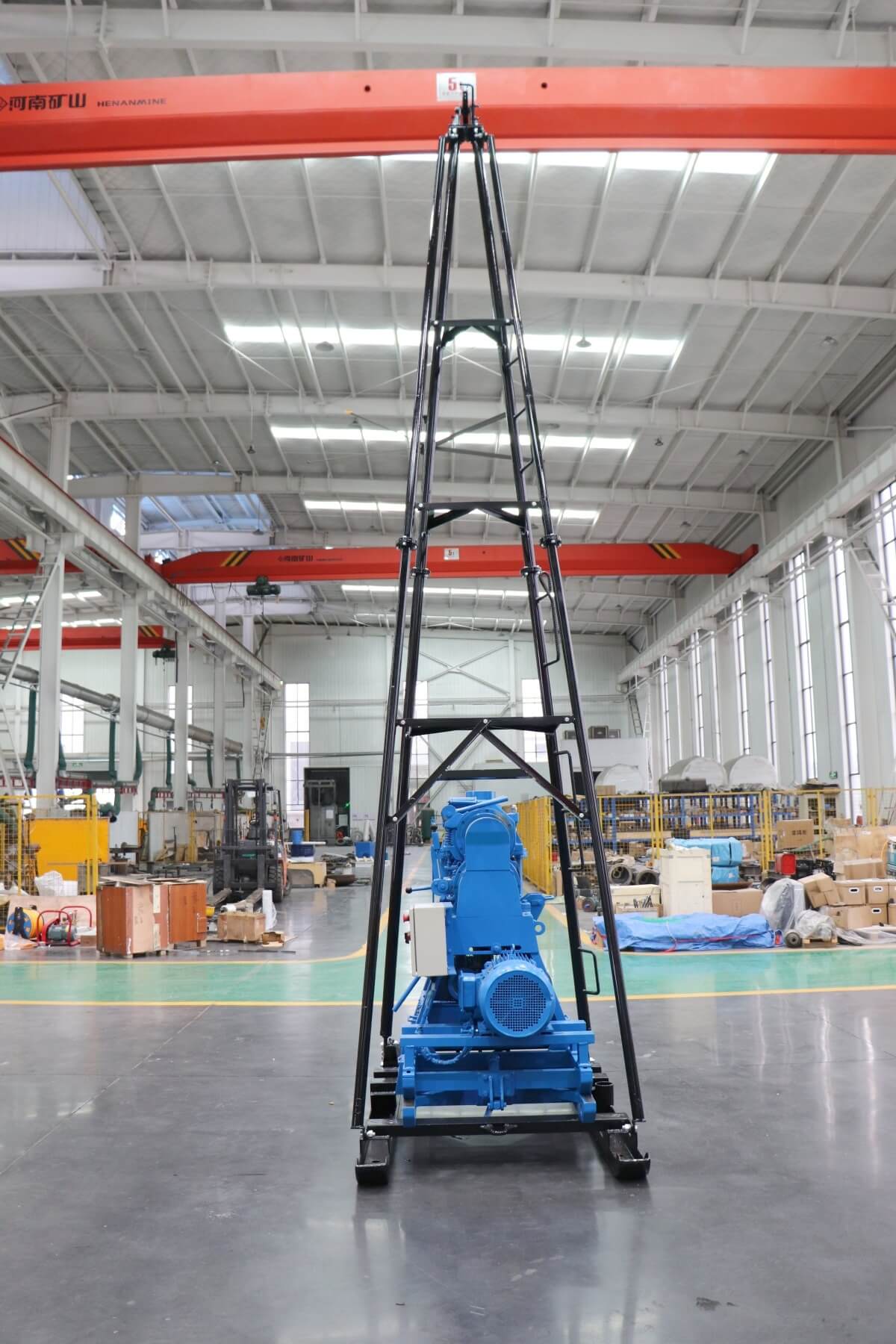
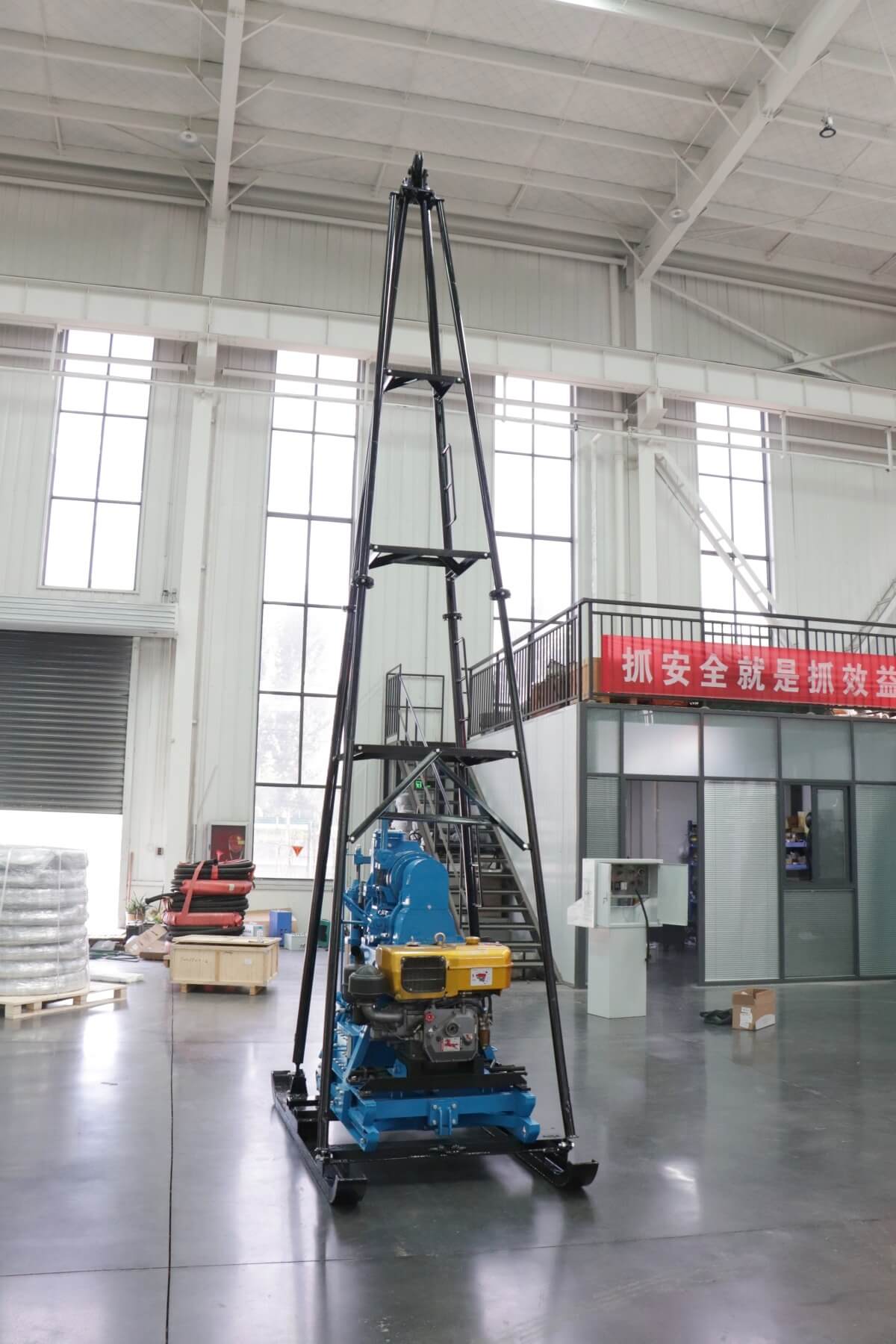
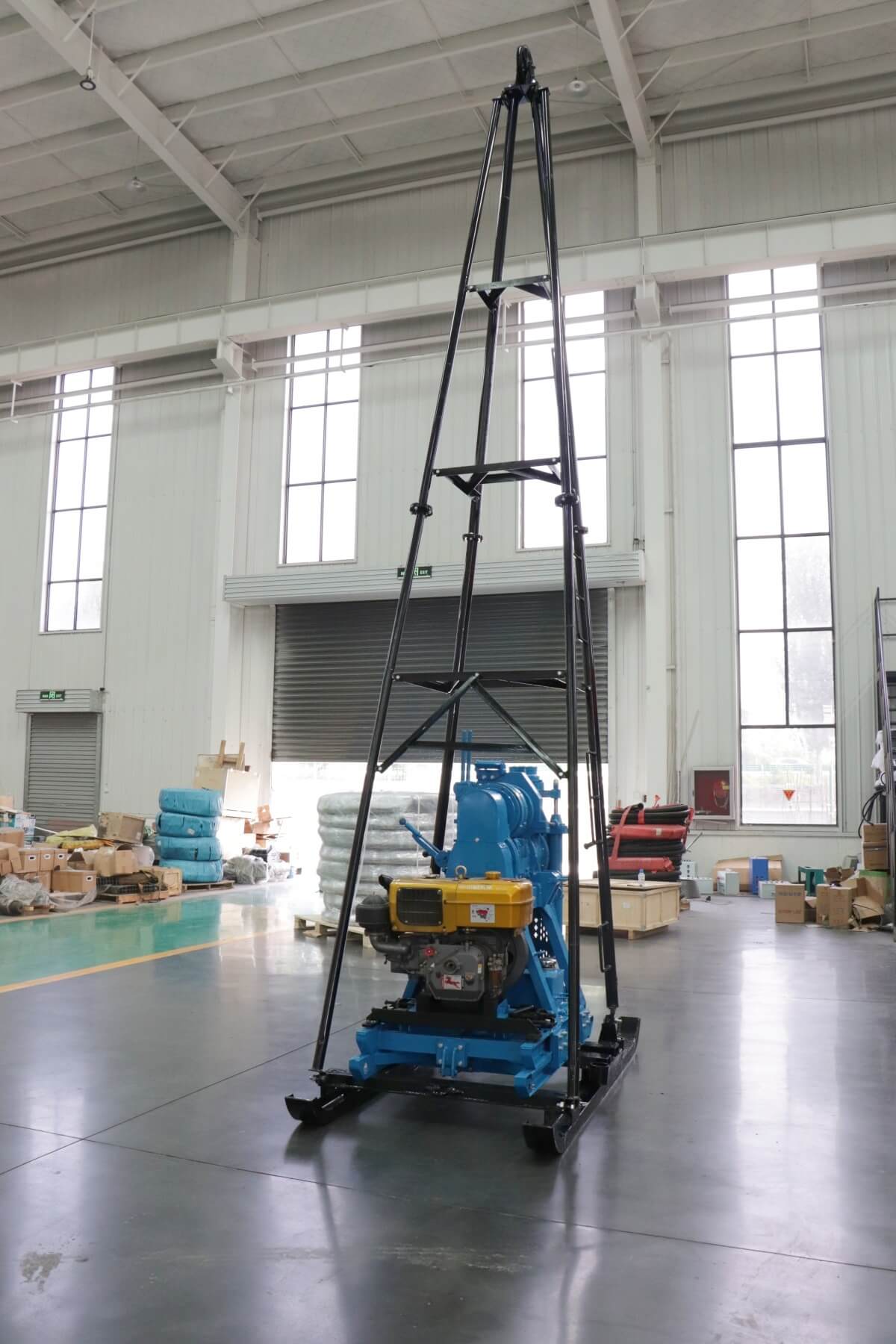
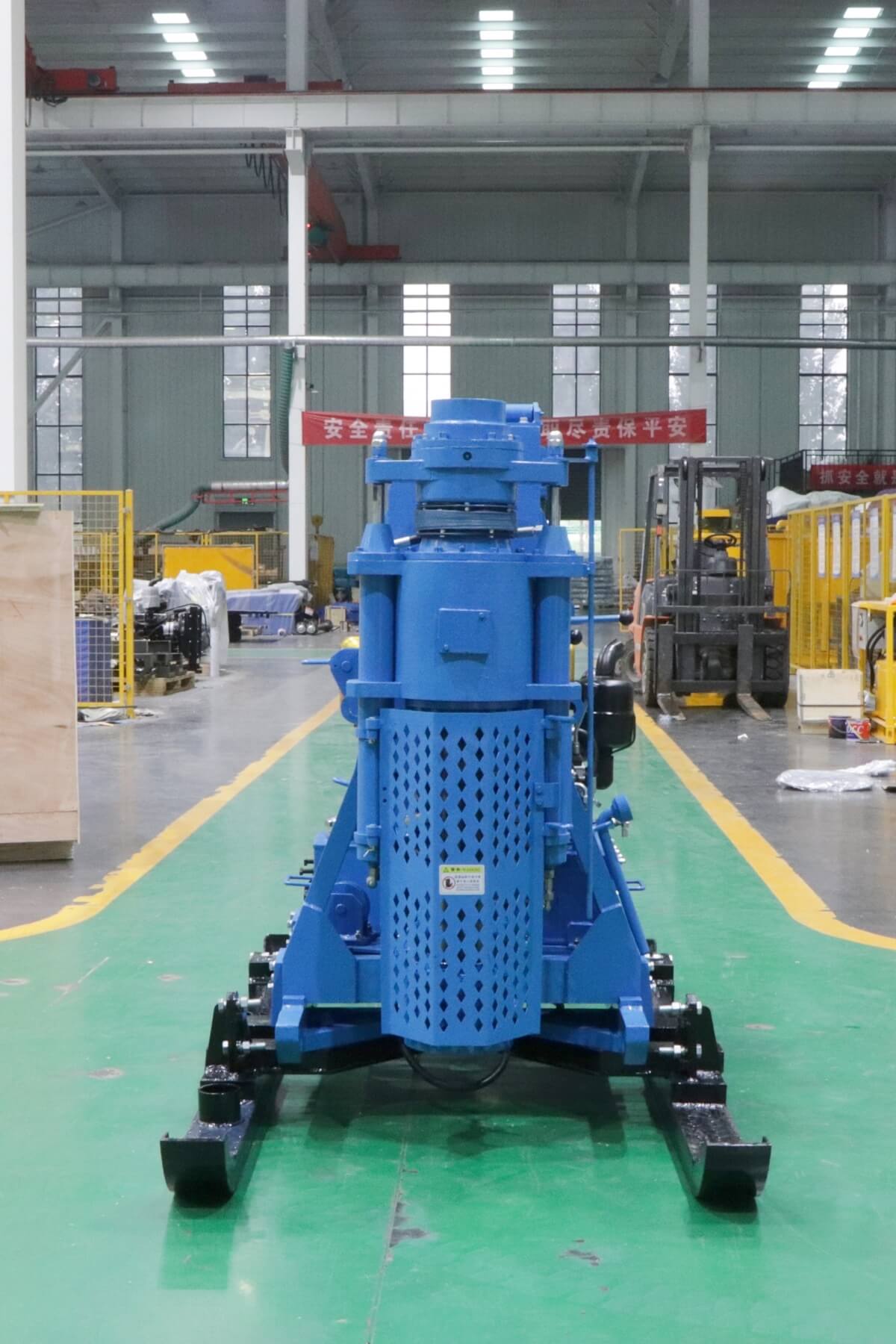
The LE90R core drill rig for construction site investigation fits a 1,140 mm wide skid into restricted sites, with diesel or 15 kW electric drive for enclosed areas, a 5.75 m mast and 1,500 kg hoist for cased boreholes on live sites.
Core Drill Rig for Construction Site Investigation
On a construction project the ground investigation sits on the critical path. The report releases the piling design, the piling design releases the programme, and every day the rig spends waiting for access is a day taken off something else. That is why a core drill rig for construction site investigation is usually chosen by access and logistics rather than by depth, and why a machine that is technically capable can still be the wrong one on a live site.
The deliverable is a date
Fifteen holes in three weeks is a different specification from fifteen holes whenever they are ready: it rewards setup and relocation speed, and the constraints that matter are those that stop work outright, such as a narrow gate, a mast that will not rise, or a service that has to be proven first.
Decide the hole count and the window first, then check a core drill rig for construction site investigation against the site.
Getting the rig to the hole
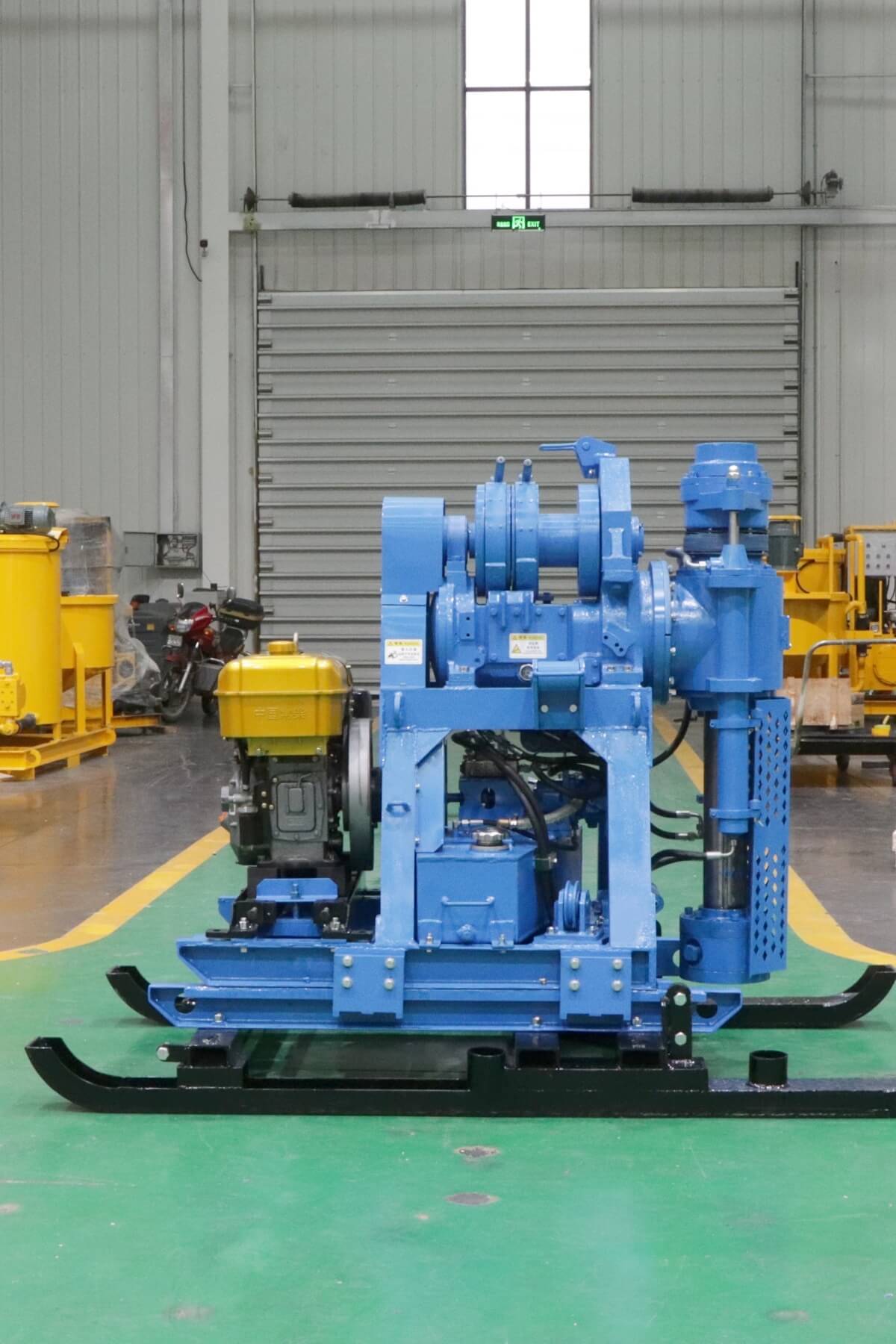
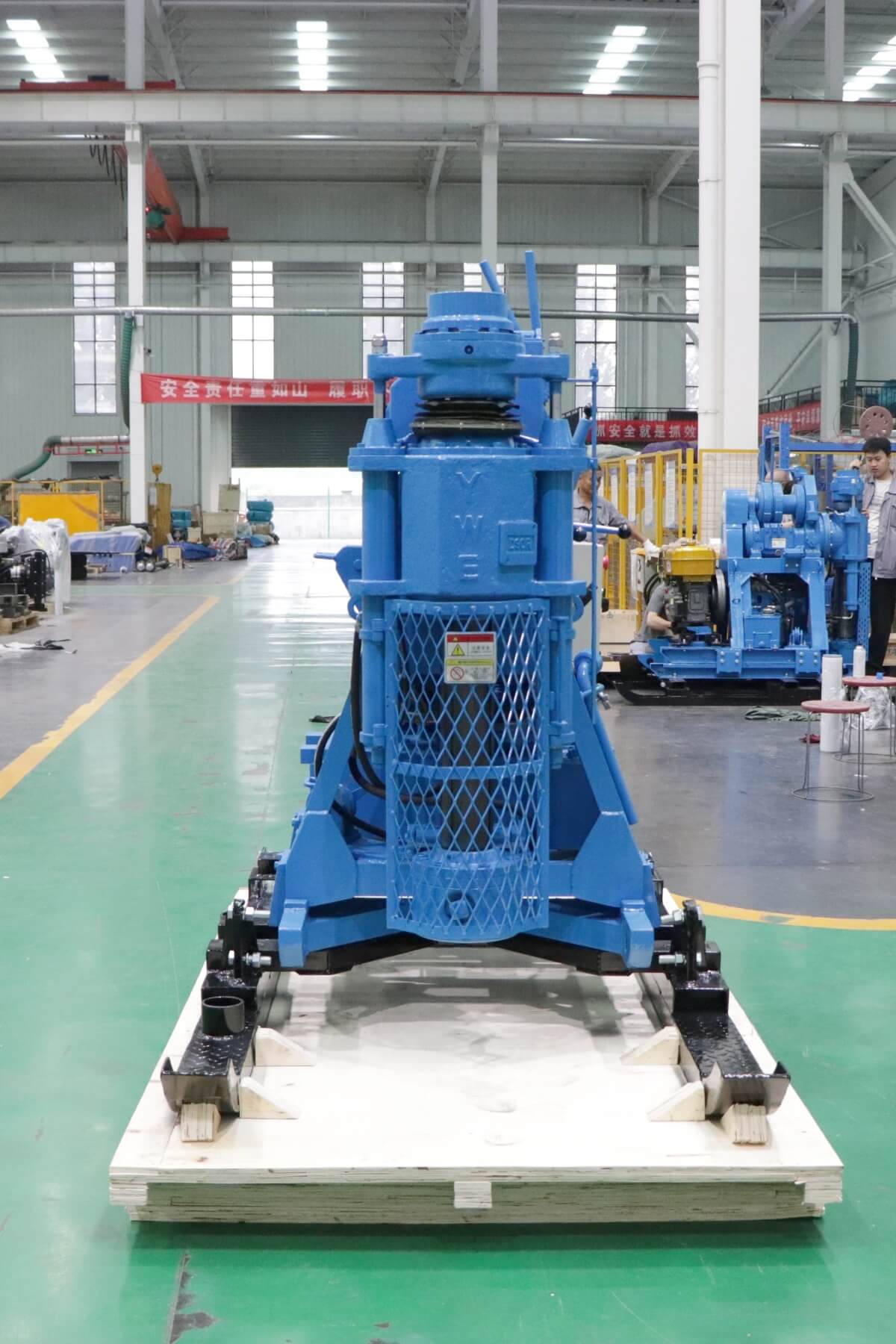
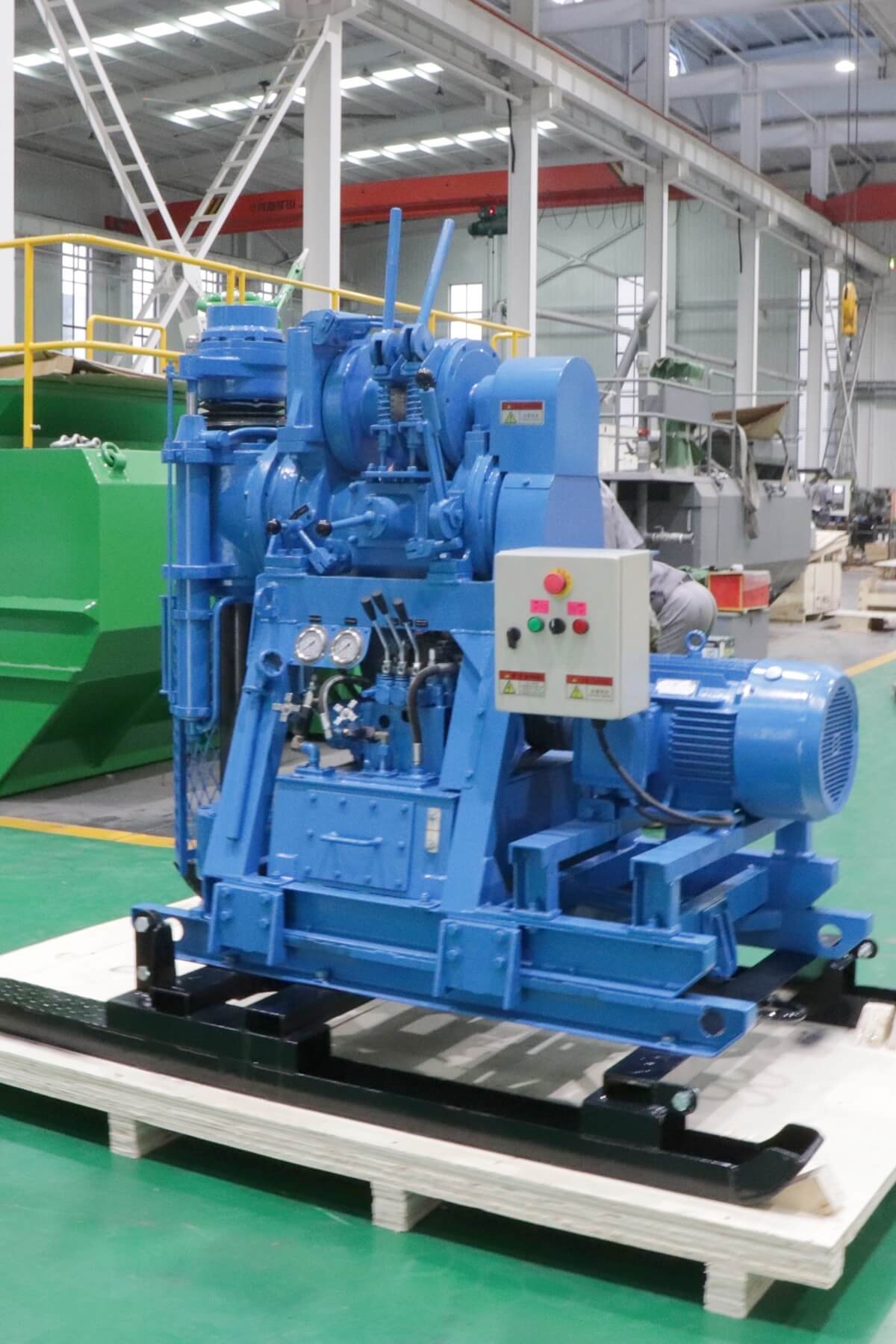
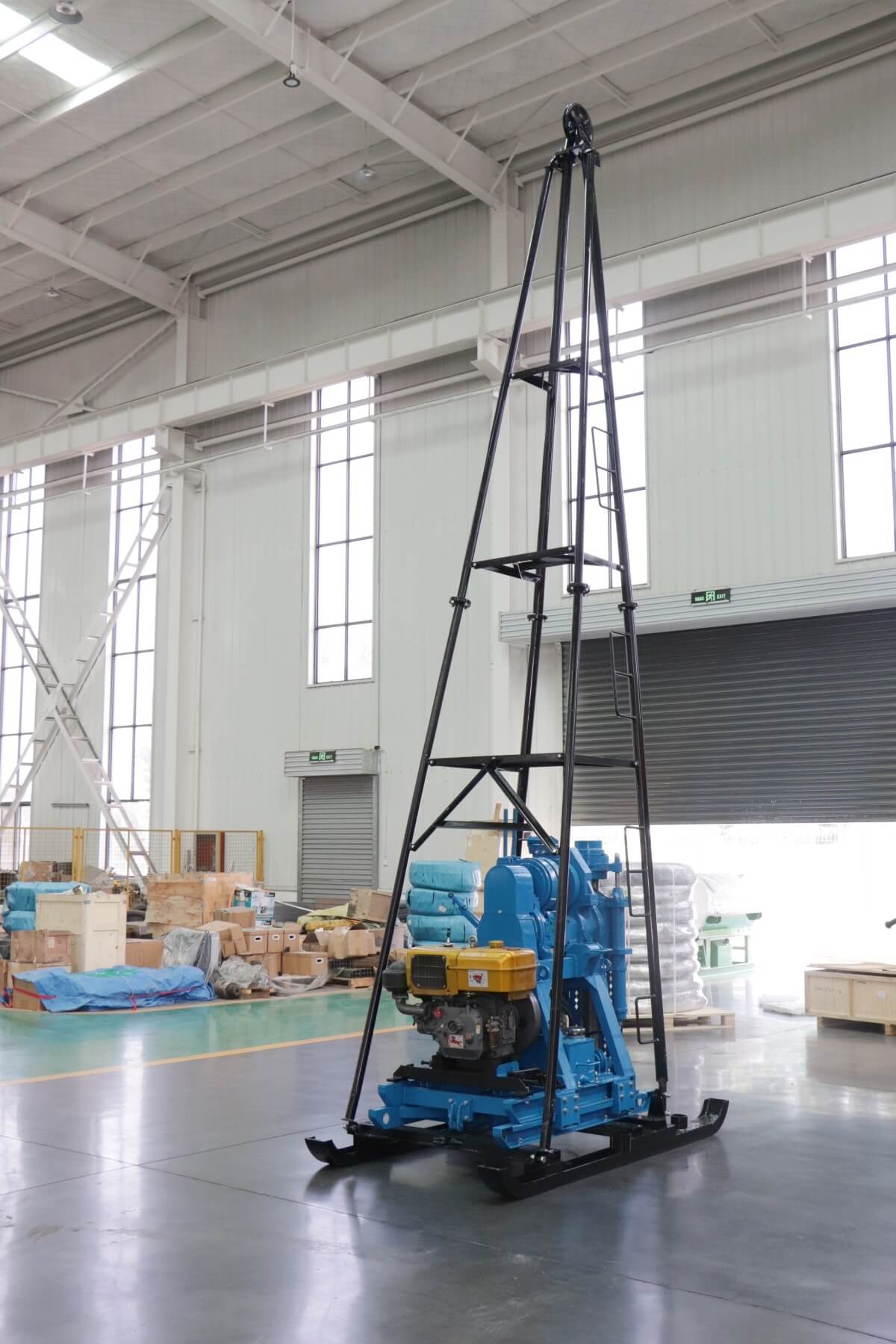
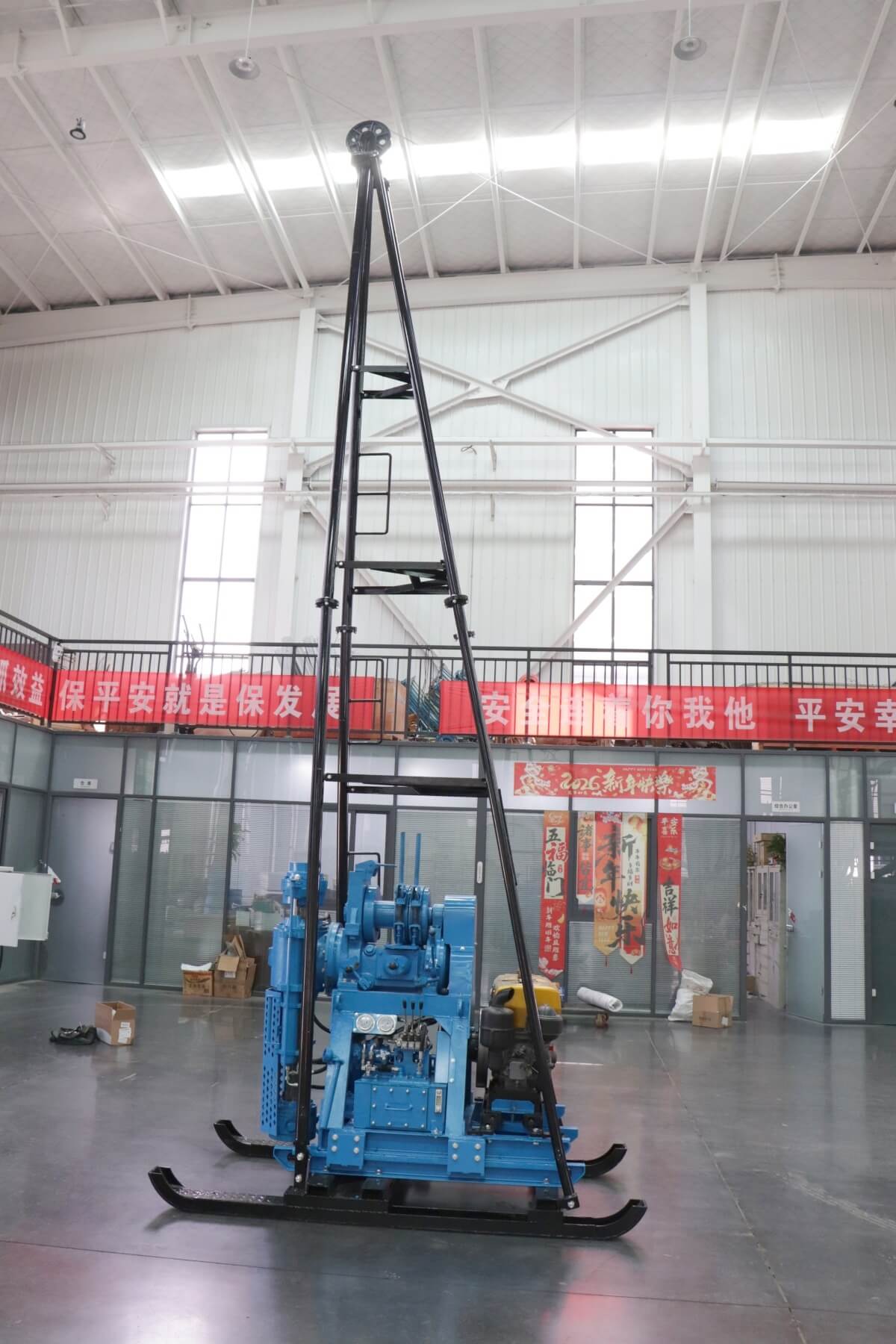
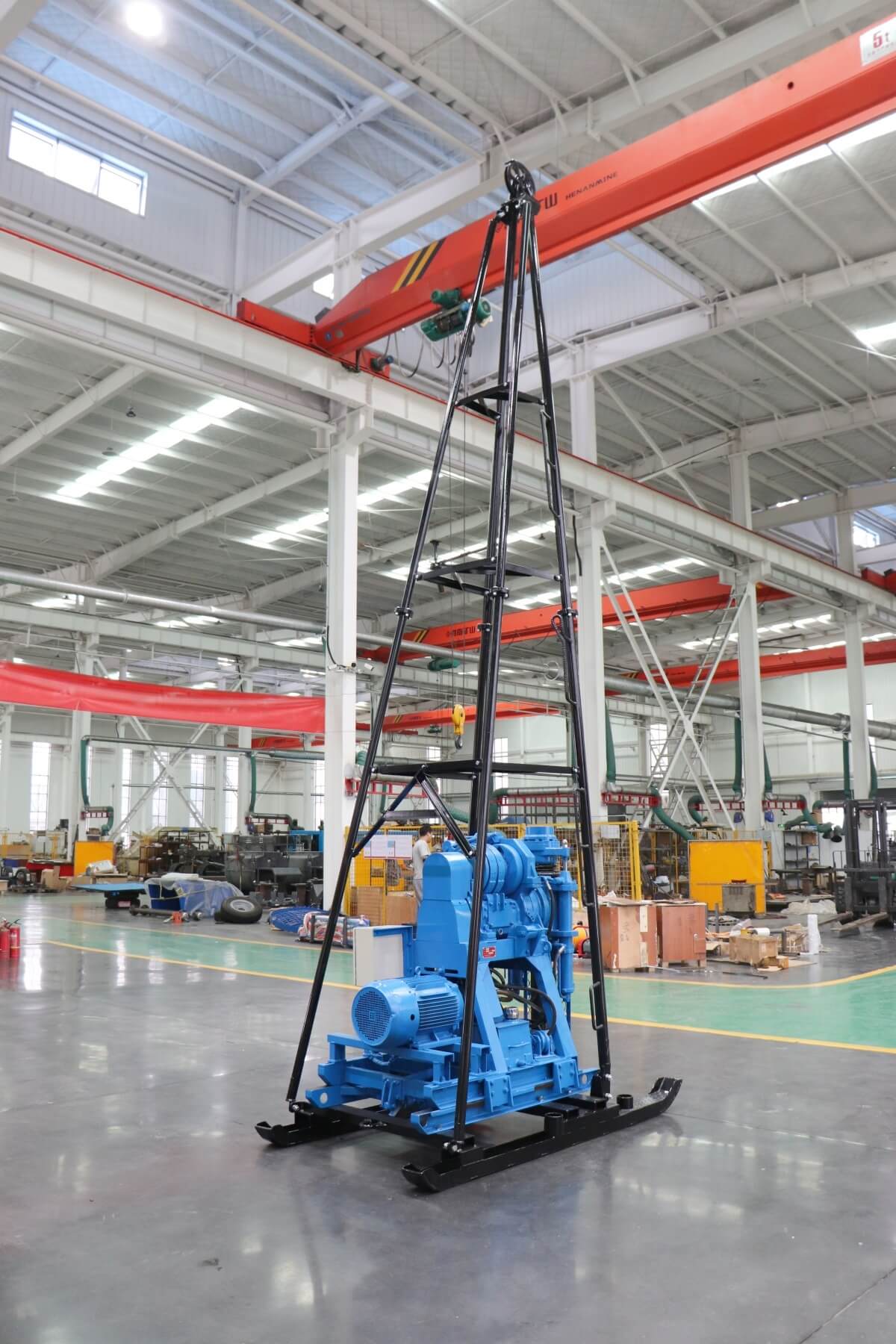
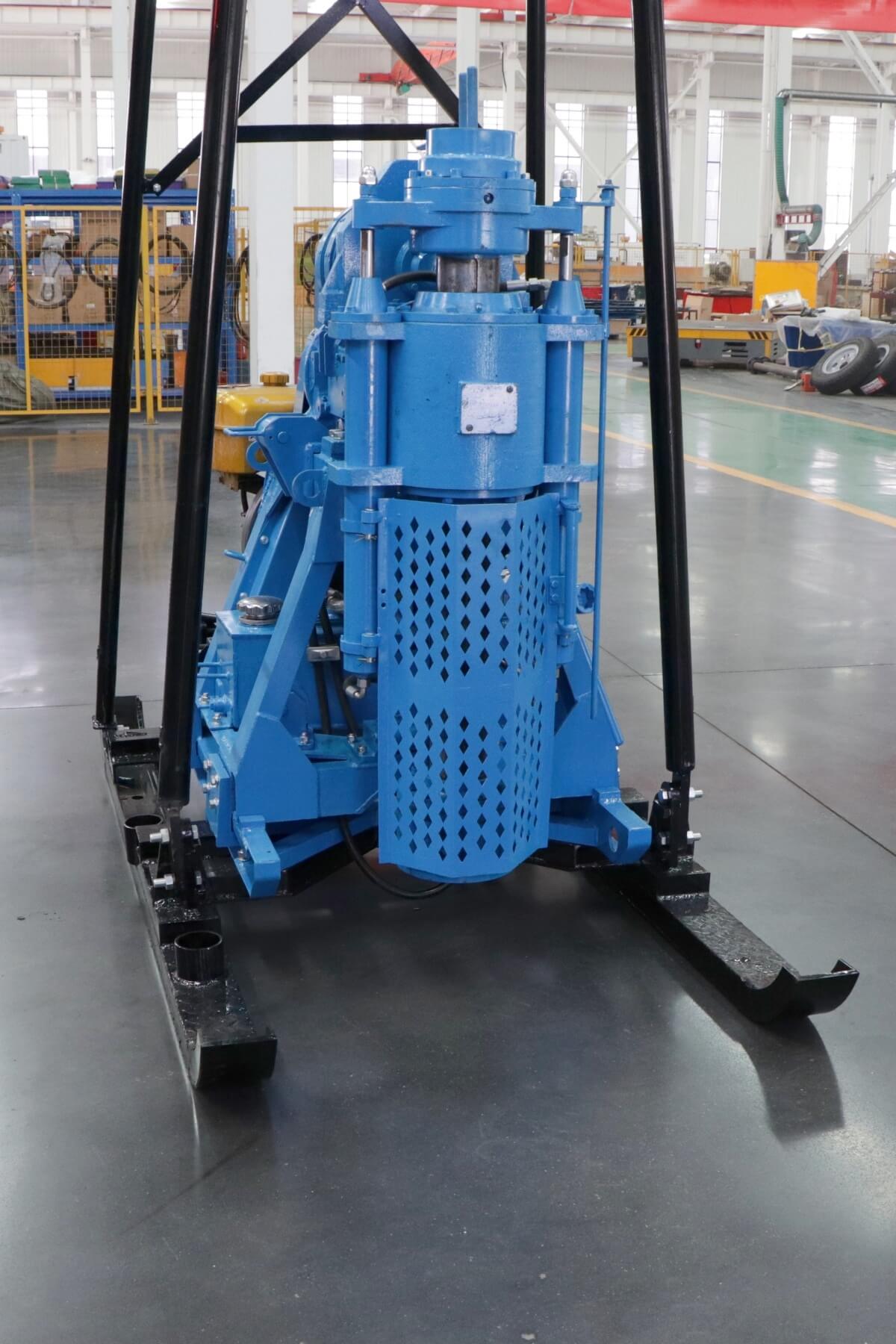
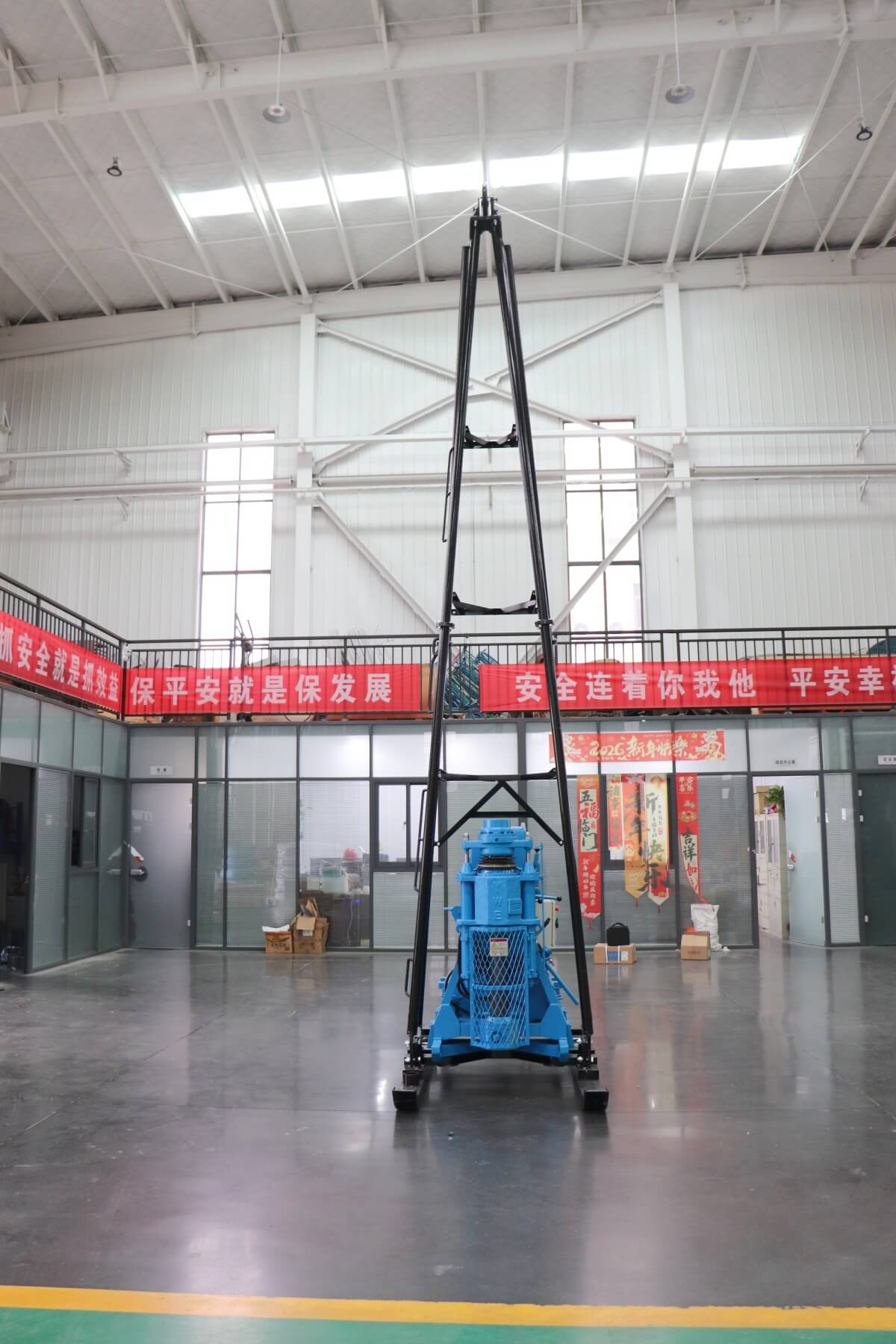
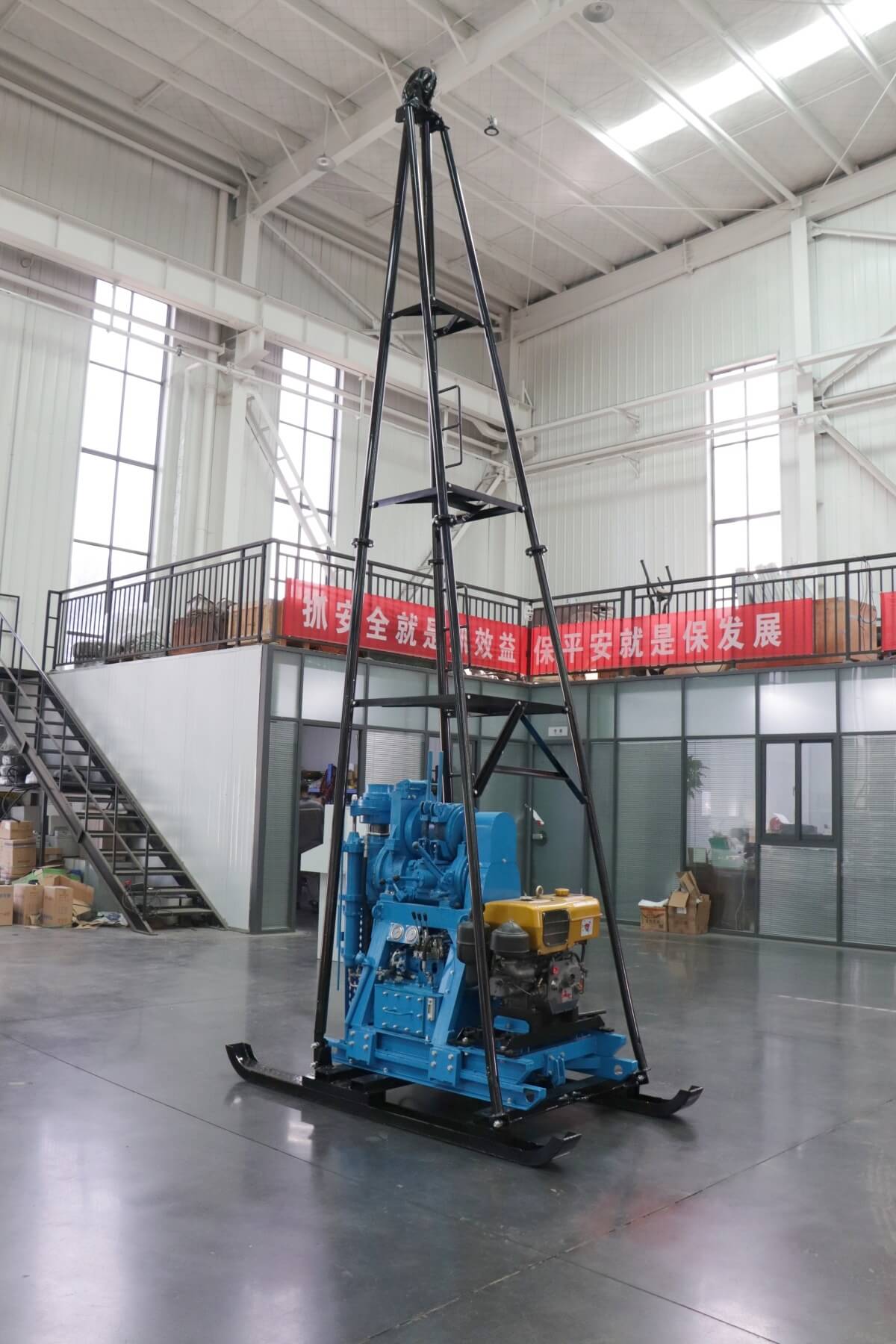
Our LE90R measures 1,140 mm wide, 2,186 mm long and 1,585 mm high, at 1,300 kg complete with skid and engine. Those four numbers answer most access questions before anyone visits the site.
A 1,140 mm skid passes a 1.2 m gate with a few centimetres to spare on each side, which is fine in a straight run and awkward at a corner. The 1,300 kg mass is a question for the structural engineer if the rig stands on a suspended slab, and the same figure decides whether a goods lift will take it. Ask both early; neither has a workaround.
The mast decides whether the site can take the rig at all
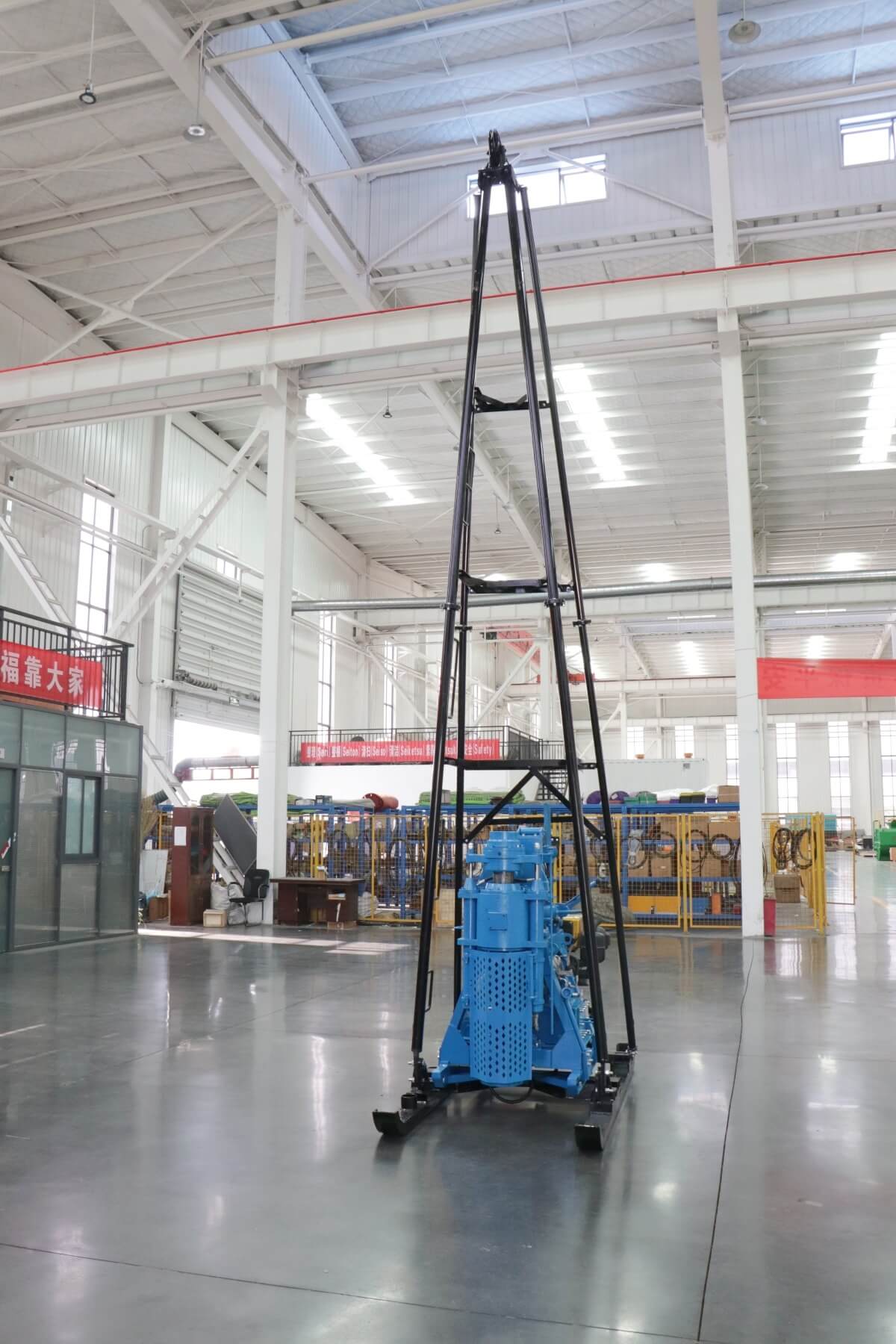
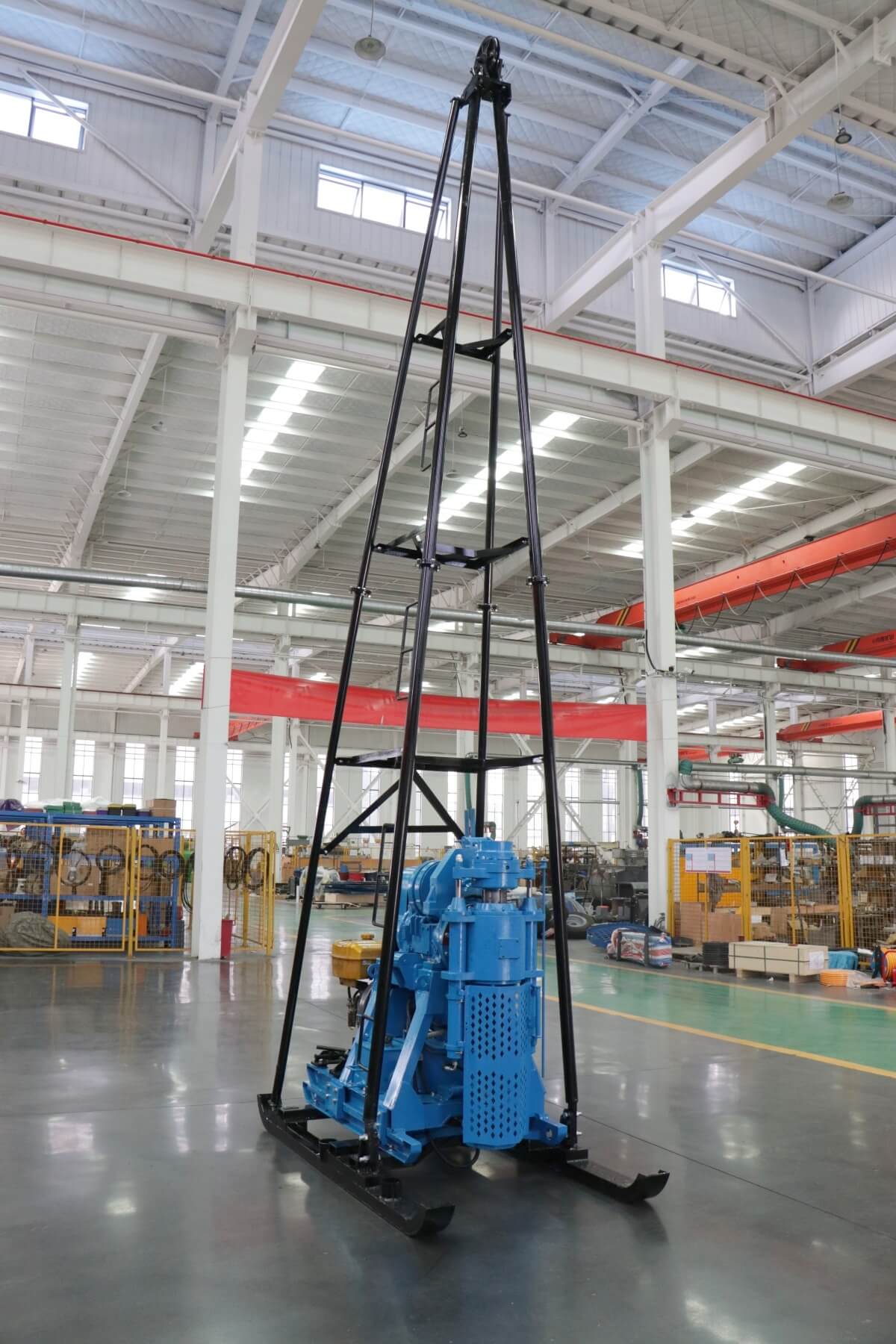
The four-pole mast stands 5,750 mm from ground to the crown sheave and weighs 170 kg. On an open plot that is unremarkable. Under scaffolding, inside a basement, beneath overhead lines or beside a tower crane slewing across the site, it is the number that ends the discussion.
If the mast cannot go up, this class of machine cannot work, and no amount of planning changes it. A low-headroom or modular rig is then the correct purchase, which is worth knowing before the quotation stage rather than after mobilisation.
Services come before rotary tools
The single most expensive mistake on a live site is a bit through a service. Rotary coring does not discriminate, and a 92 mm hole through a duct, a cable or a gas main turns a two day investigation into an incident.
Two practices follow. Prove the services by scan and potholing at each collar before the rig arrives, marked and recorded. And decide whether the hole is drilled wet or dry, since water under pressure near live electrical services is a hazard the method can create or avoid.
Diesel or electric is a site decision
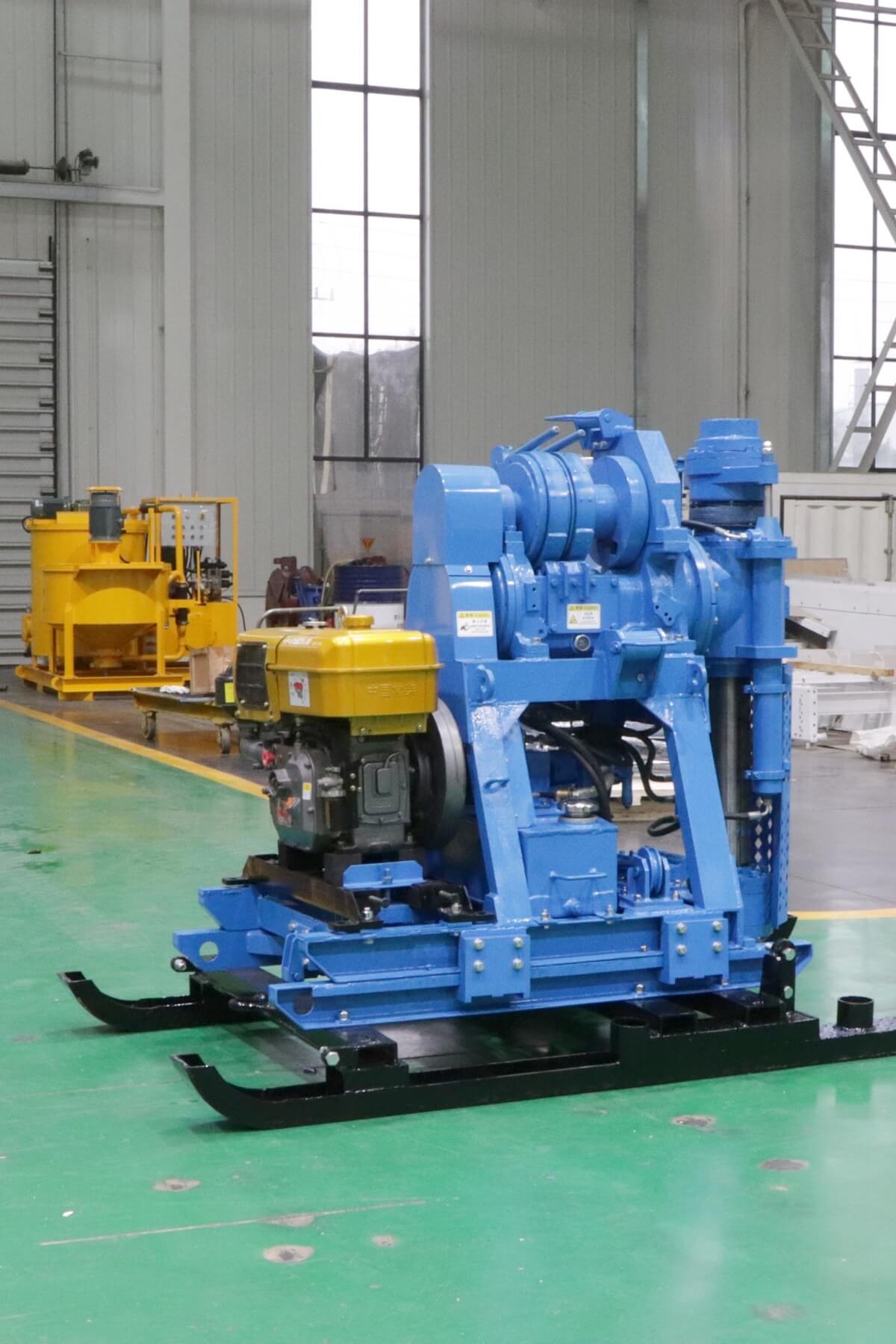
The machine is offered with a 15 HP diesel engine at 2,400 rpm or an AC 380 V motor of 15 kW. On an open site the diesel is simpler. In a basement, an enclosed yard or a building with occupants, exhaust and ventilation become the constraint, and the electric option exists for exactly those conditions.
It brings a requirement: a supply that can carry the starting current of a 15 kW motor, rather than a socket nearby. Confirm it with the site electrician before the machine is booked; a tripped supply mid-hole is worse than no machine.
Spoil has to go somewhere
A 100 mm hole 15 m deep produces roughly 0.12 m³ of arisings, about four buckets, before any casing annulus is counted. On greenfield ground that is trivial. On a finished car park, a landscaped area or a plant room floor, it is a disposal problem with a cost attached.
Plan the container, the route and the reinstatement at the same time as the hole positions. The collar also has to be made good afterwards, usually with a grout plug, and the specification should say who does it.
When holes move
Buried services are found late, or a crane base appears where a hole was planned. The drag skid with three pulleys allows the rig to be repositioned without a crane, which is one of the practical advantages of this format on a congested site.
Moving a hole is not free. The designer’s grid assumed a position, and a hole shifted two metres may no longer test the feature it was meant to test. Record every deviation and tell the designer that day.
Where this rig does not belong
Four sites. No headroom for the mast. No route for a 1,140 mm skid. A suspended slab that cannot take 1,300 kg. And depths beyond the machine’s stated capacity, where a larger rig has to be mobilised regardless of access.
Used within those limits, a core drill rig for construction site investigation earns its place by being small enough to keep working while the rest of the site does.
What to send with an enquiry
The programme dates and hole count, the access route with gate width and headroom, floor or slab loading if the rig works above grade, the service survey status, the power available and whether it can start a 15 kW motor, the depth and sampling or testing requirements, and who is responsible for spoil and reinstatement. Write to sales1@leadcrete.com.