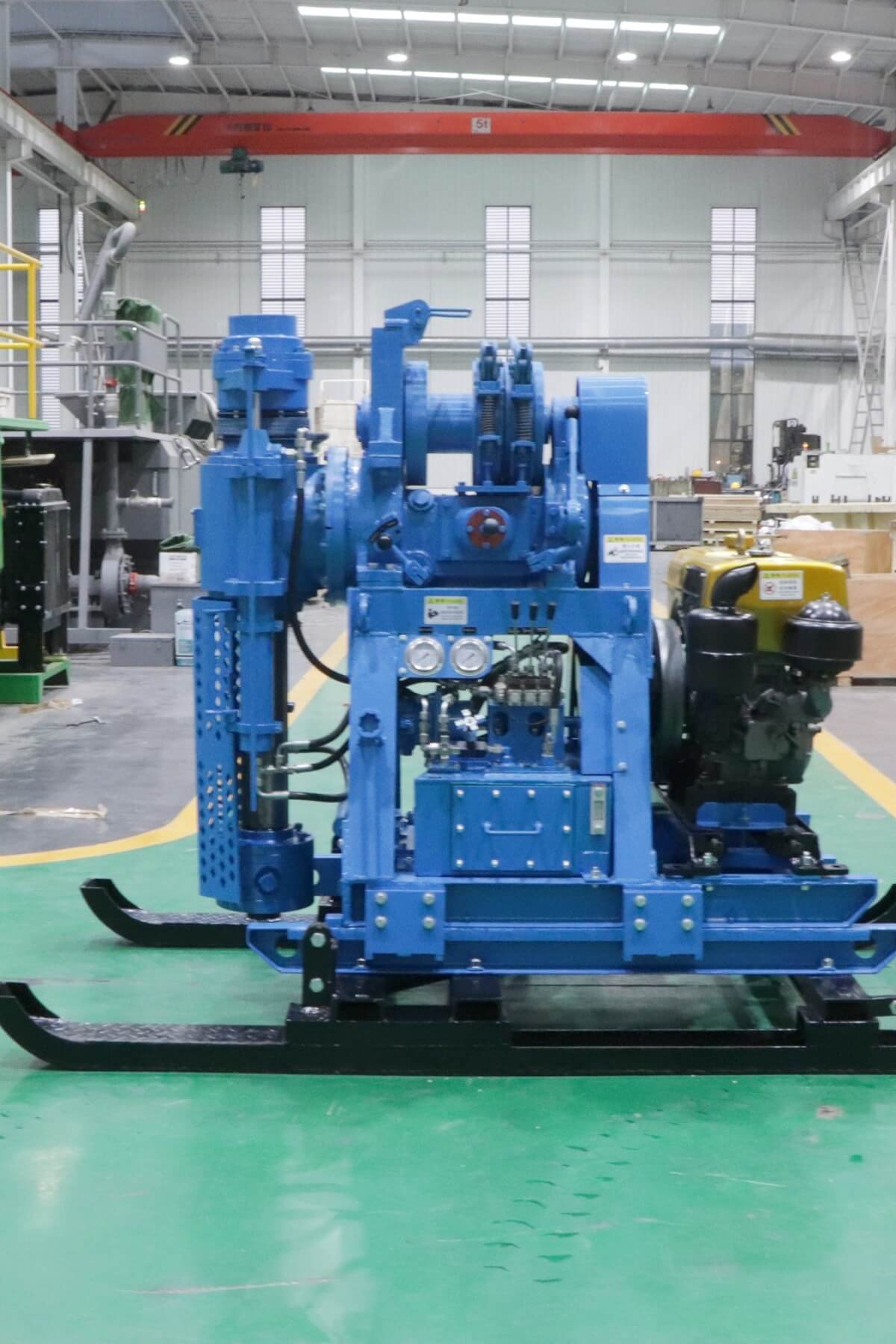
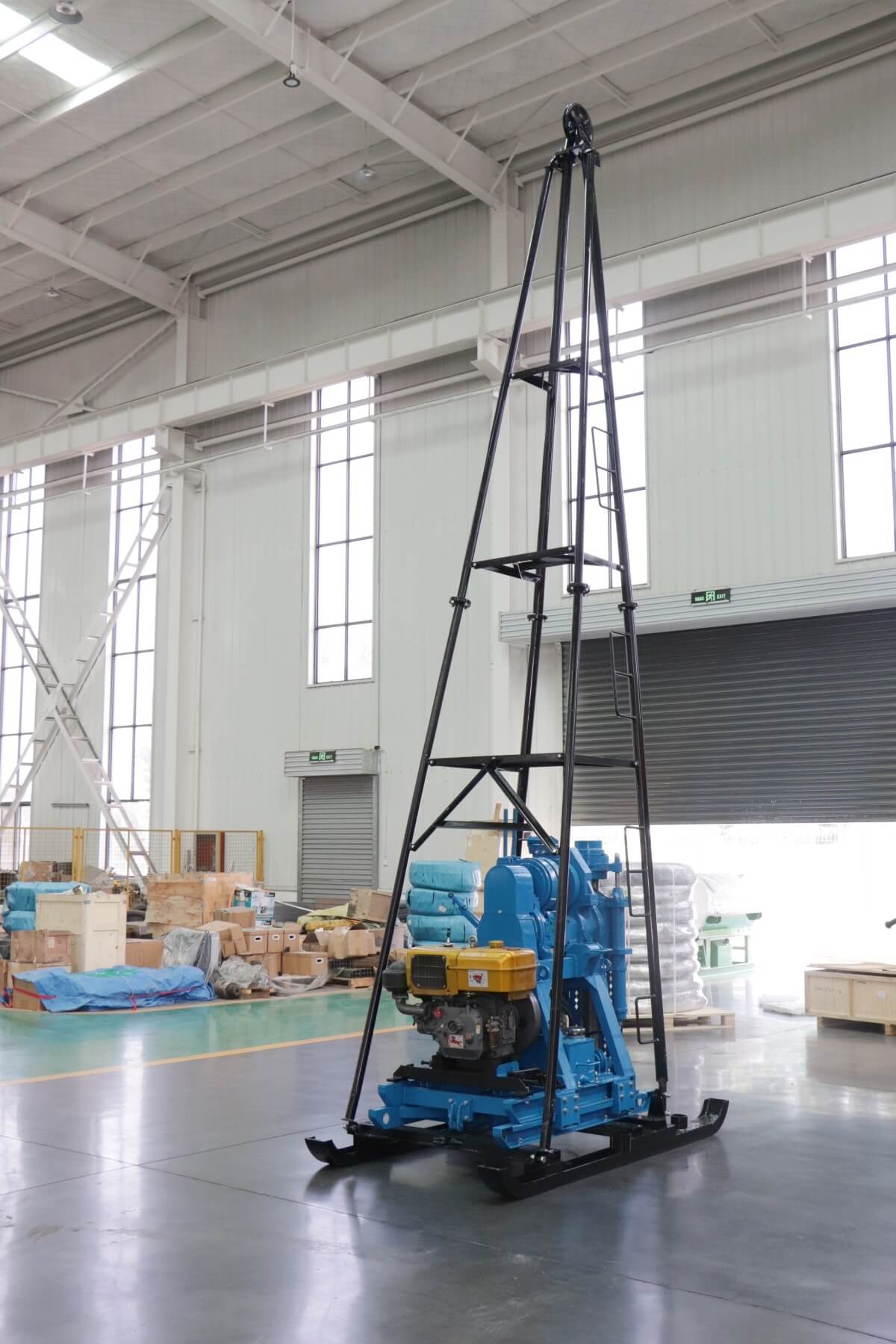
Soil Investigation Coring Rig
Two different products come out of a soil borehole, and they are often confused at the quotation stage. One is a continuous column of soil that shows what is there and in what order. The other is a set of discrete specimens, each taken from a known depth and each intended for a laboratory test. A soil investigation coring rig produces the first. Whether the project needs the first, the second, or both is a decision that should be taken before a machine is chosen, because the two answer different questions and one cannot be substituted for the other after the fact.
What continuous core is for
Stratigraphy is the honest description of what a soil core delivers. It shows interfaces, the thickness of each unit, the presence of thin seams, root horizons, shells, gravel lenses and the base of any made ground.
That last item alone justifies coring on urban sites. Fill is rarely uniform, and its base is the line every foundation design depends on. A core shows it; a set of samples at metre intervals shows where it probably is. That is the strongest argument for putting a soil investigation coring rig on an urban site.
Why metre intervals miss layers
Consider a three hundred millimetre silt seam inside a ten metre hole. A programme taking one sample per metre has about ten opportunities to hit it, and each opportunity covers a hundred millimetres of a thousand. The seam can easily be missed entirely, and a drainage or settlement assessment built on those samples will not know it exists.
Continuous core has no such failure mode. The seam appears in the core, with its top and bottom depths recorded to the centimetre. On sites where thin layers govern the design, that difference is the reason to pay for coring.
What rotation takes away
The same core cannot be used to measure strength. Rotary coring shears the soil as it advances, and the specimen that arrives at the surface has been remoulded, its moisture redistributed and its structure altered.
A cored soil sample therefore belongs in the description column, not in the test schedule. Where strength, stiffness or consolidation parameters are needed, the sample has to be taken by pushing a thin-walled tube without rotation, and that is a separate operation in the same hole.
Where coring simply will not work
Clean sands and gravels do not retain in a core barrel, and no soil investigation coring rig changes that. The core comes up as what happened to stick to the tube, which may be the fines and not the framework, and recovery figures become meaningless rather than merely low.
On granular ground the honest choices are SPT with disturbed samples, or a different method altogether. A soil investigation coring rig earns its place in cohesive soils, mixed profiles and fill; clean gravel is another method’s problem.
One hole, two methods
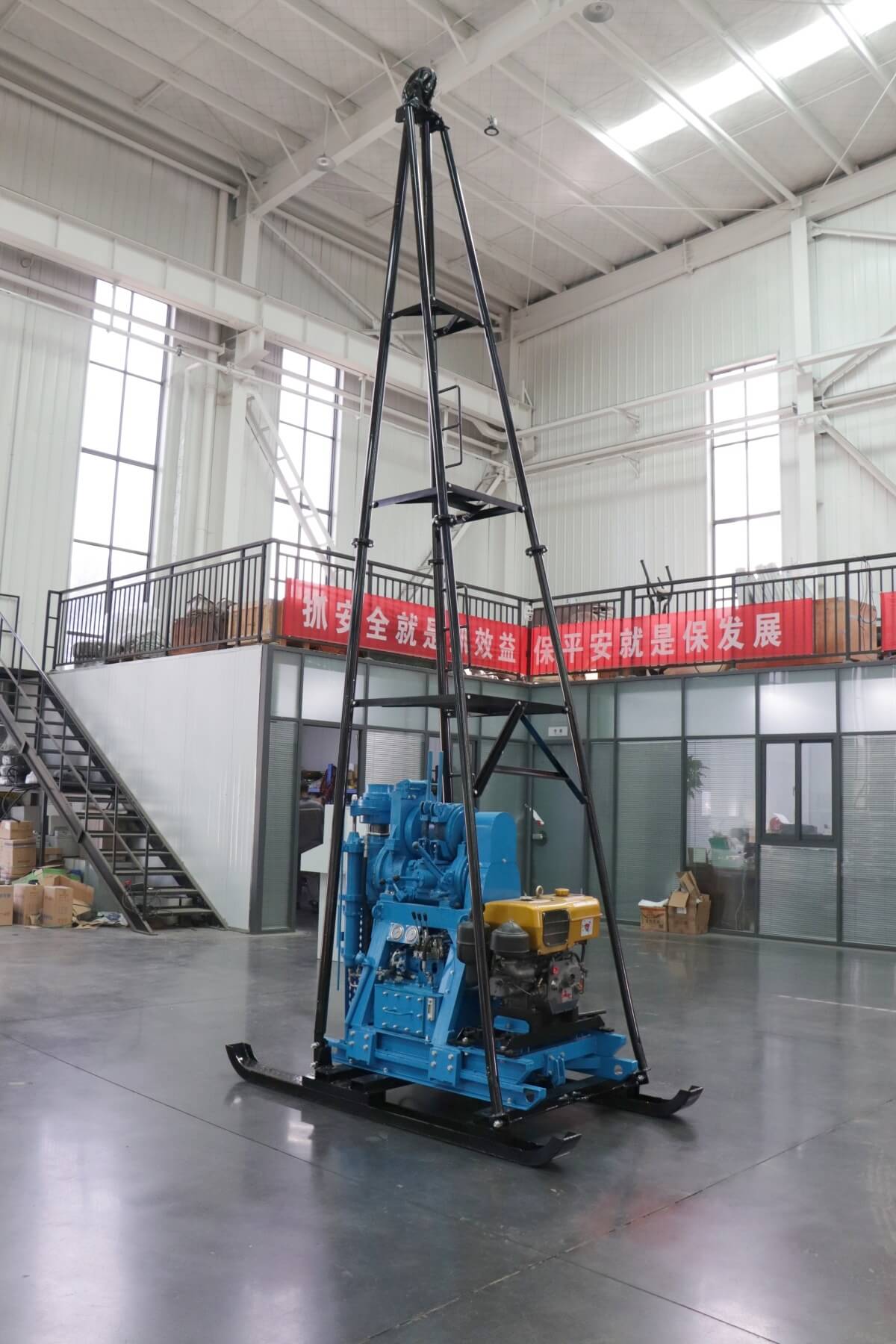
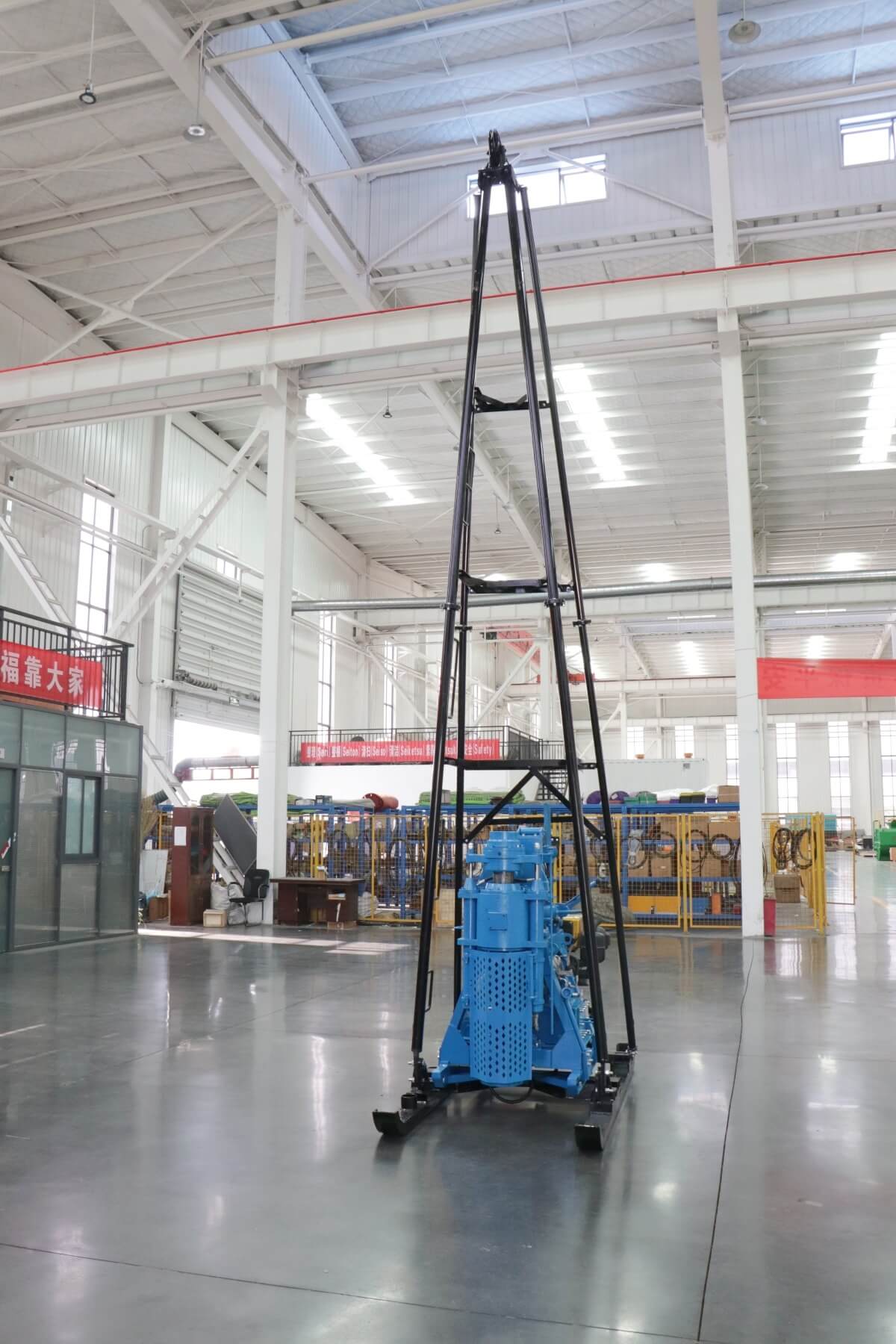
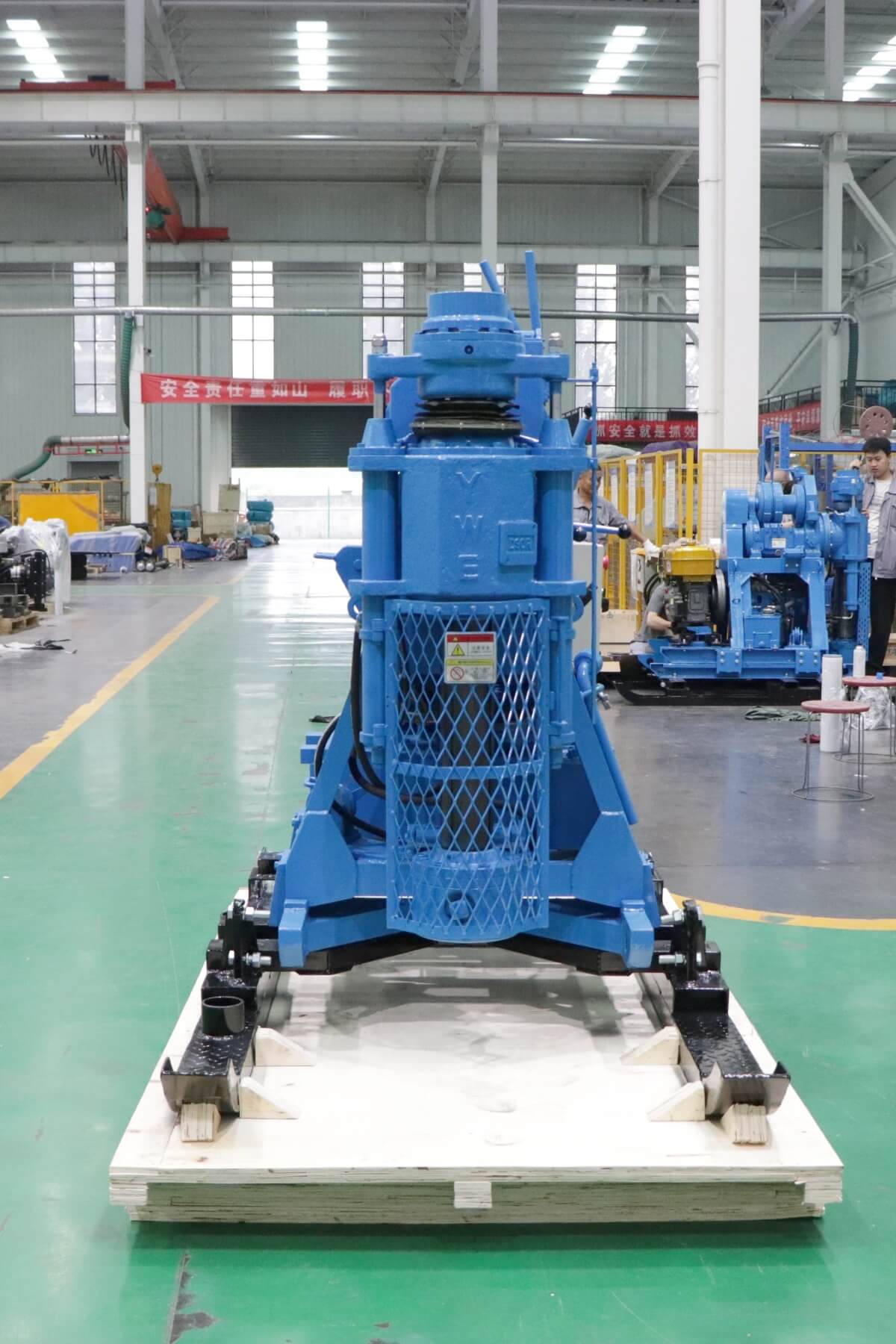
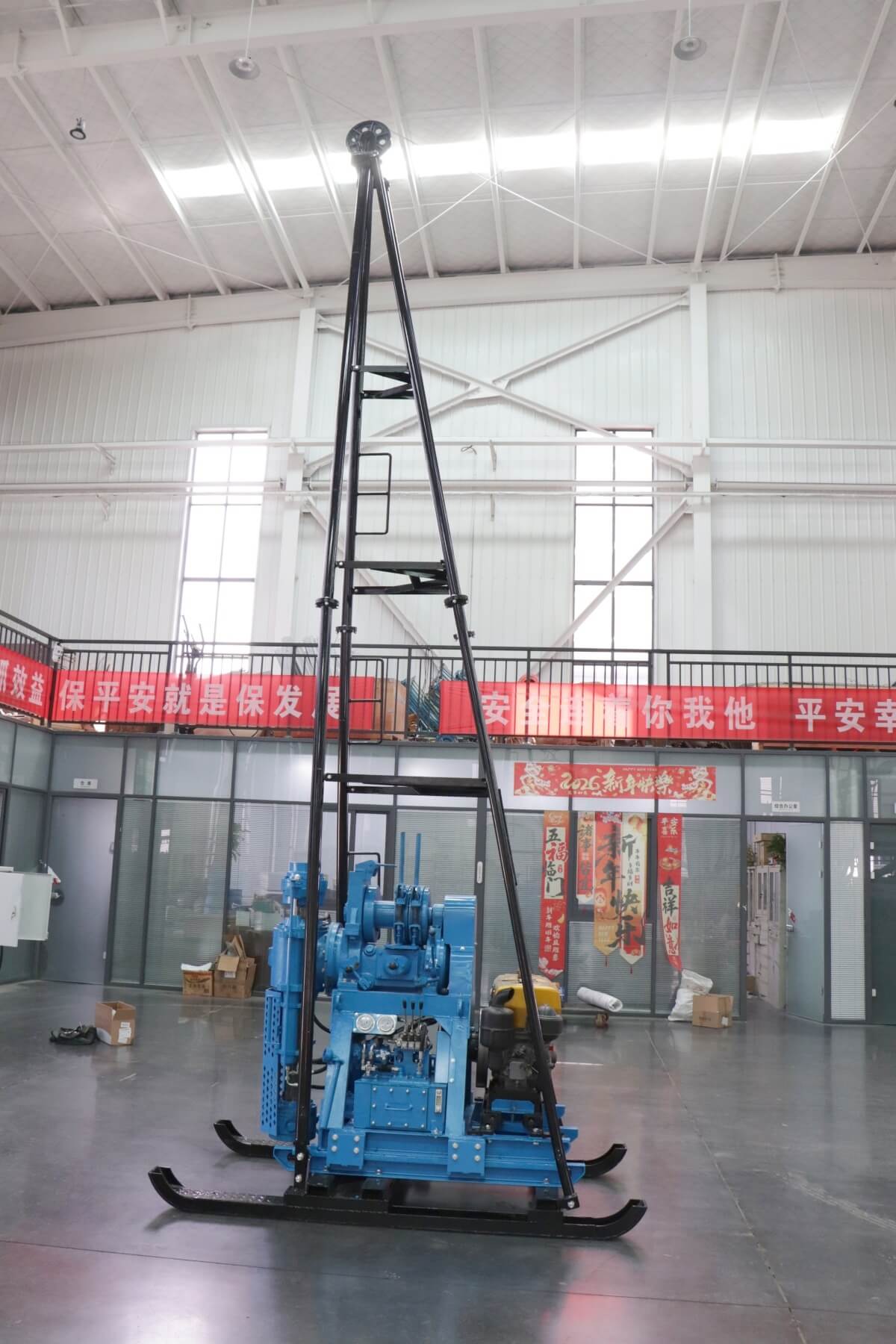
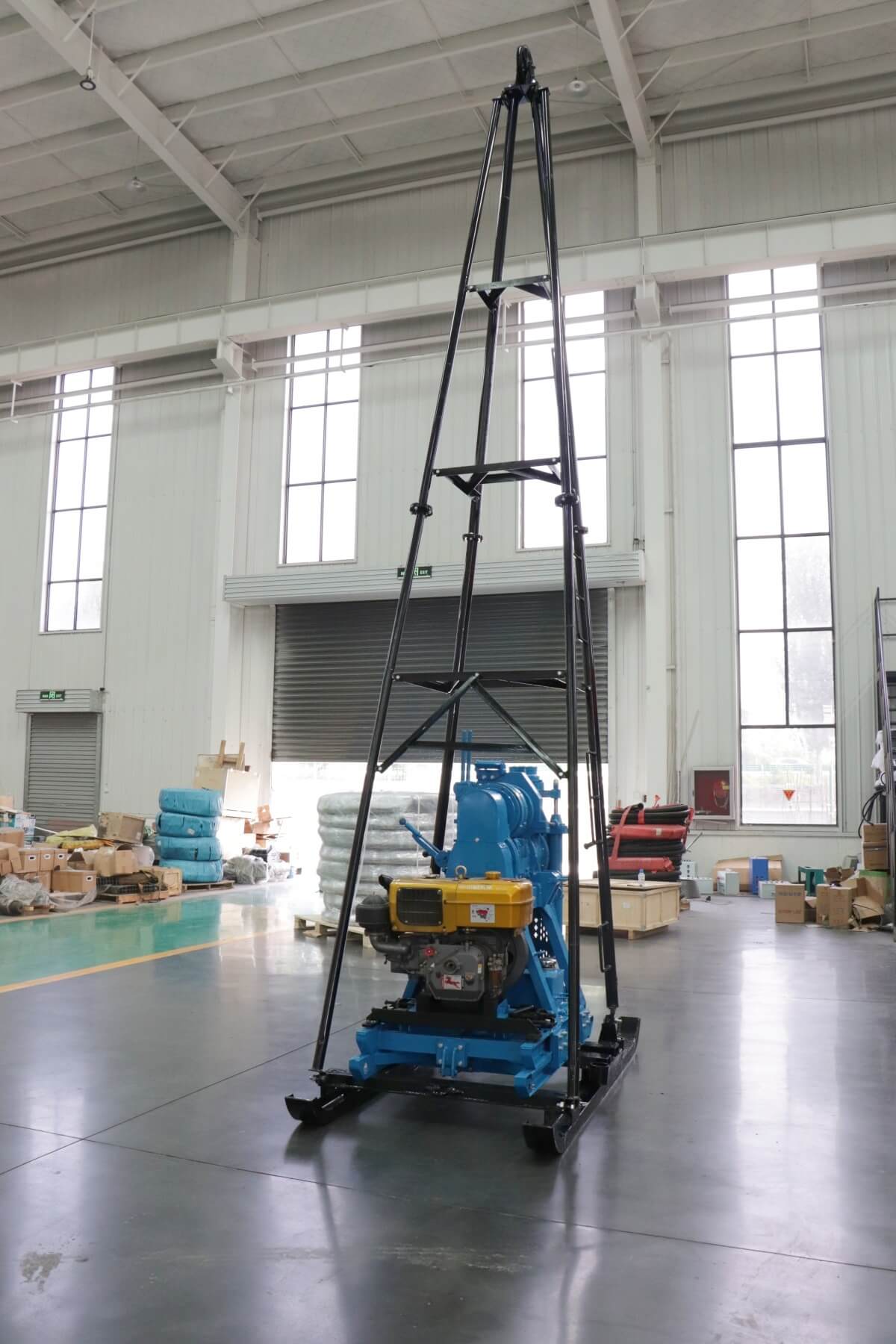
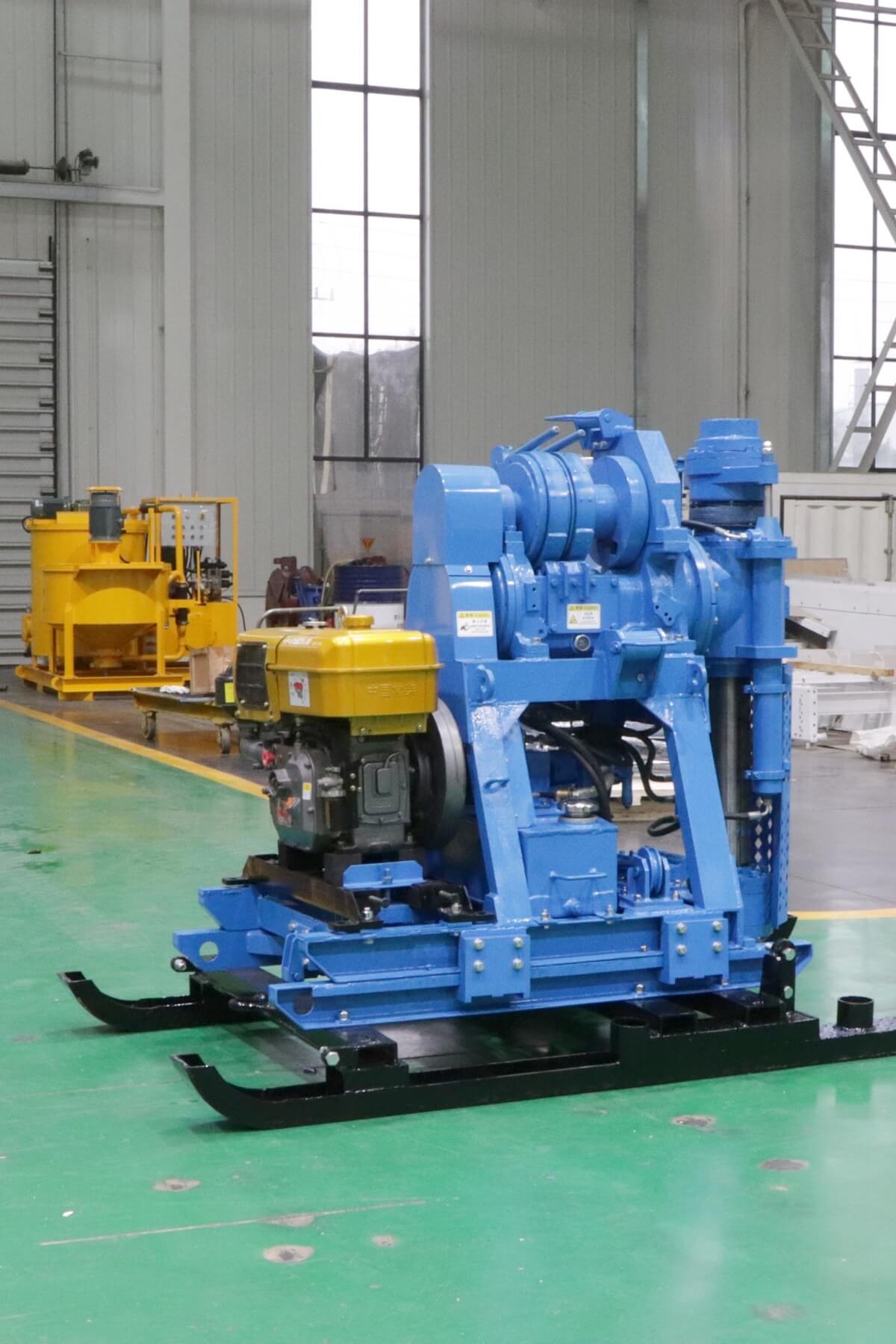
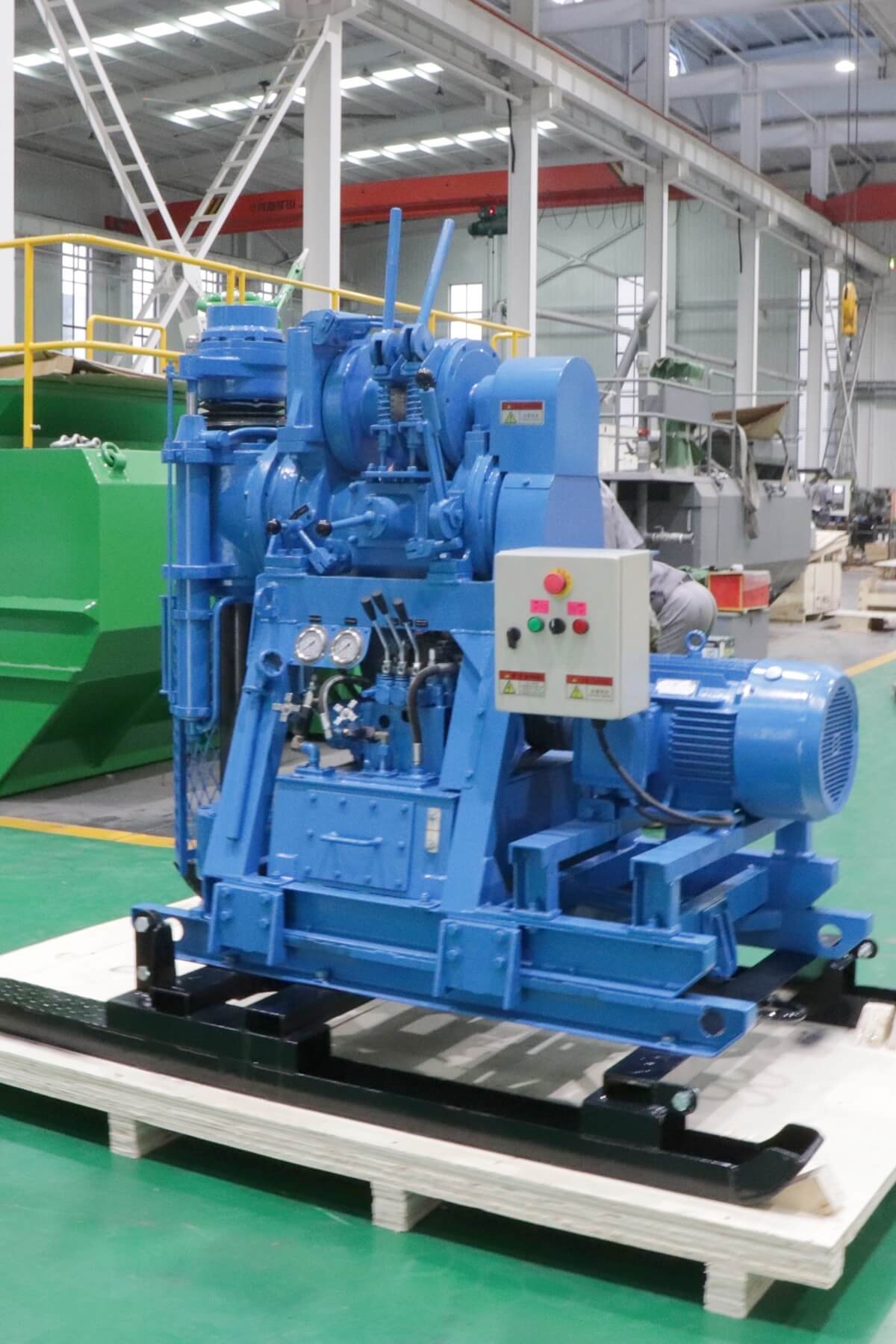
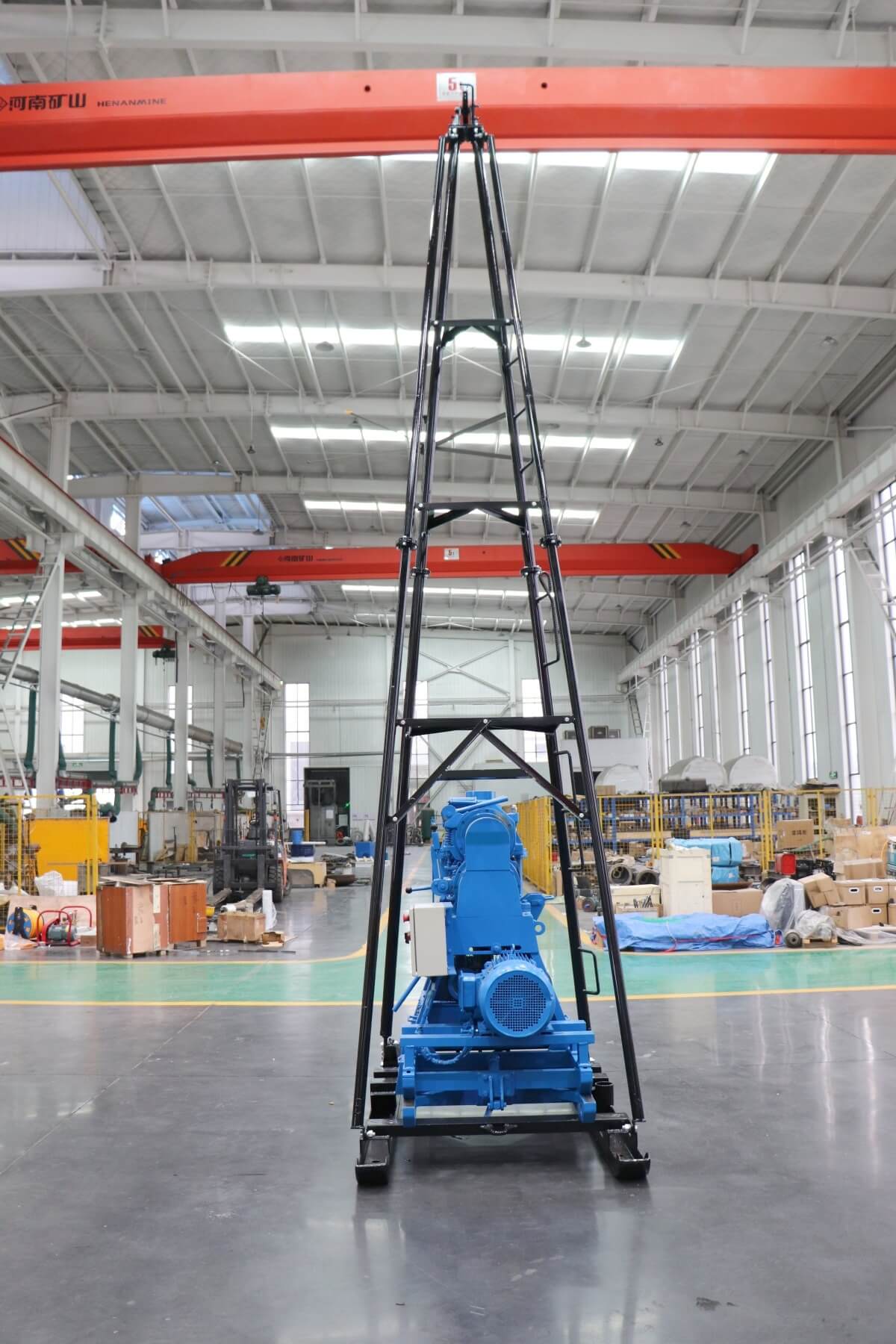
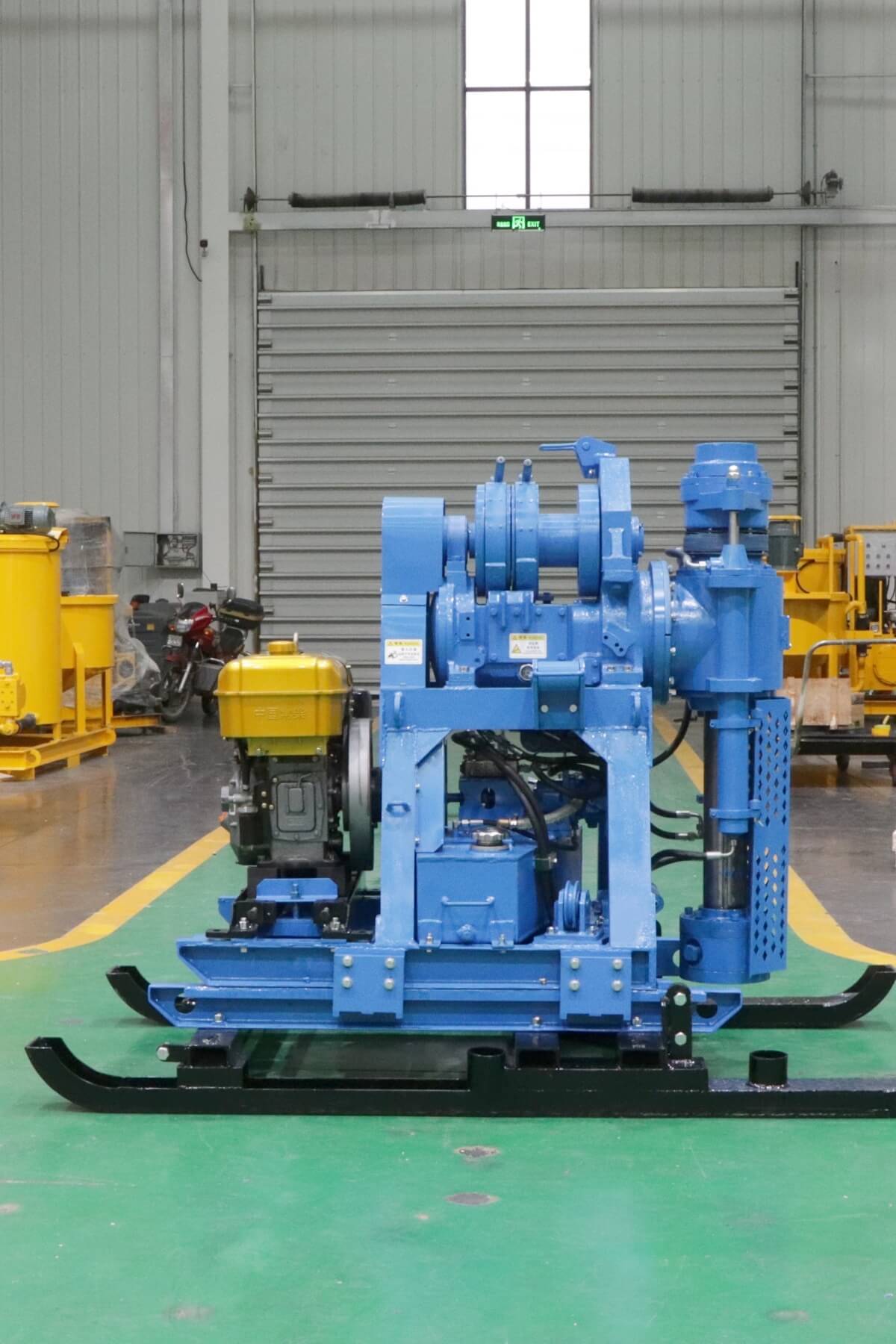
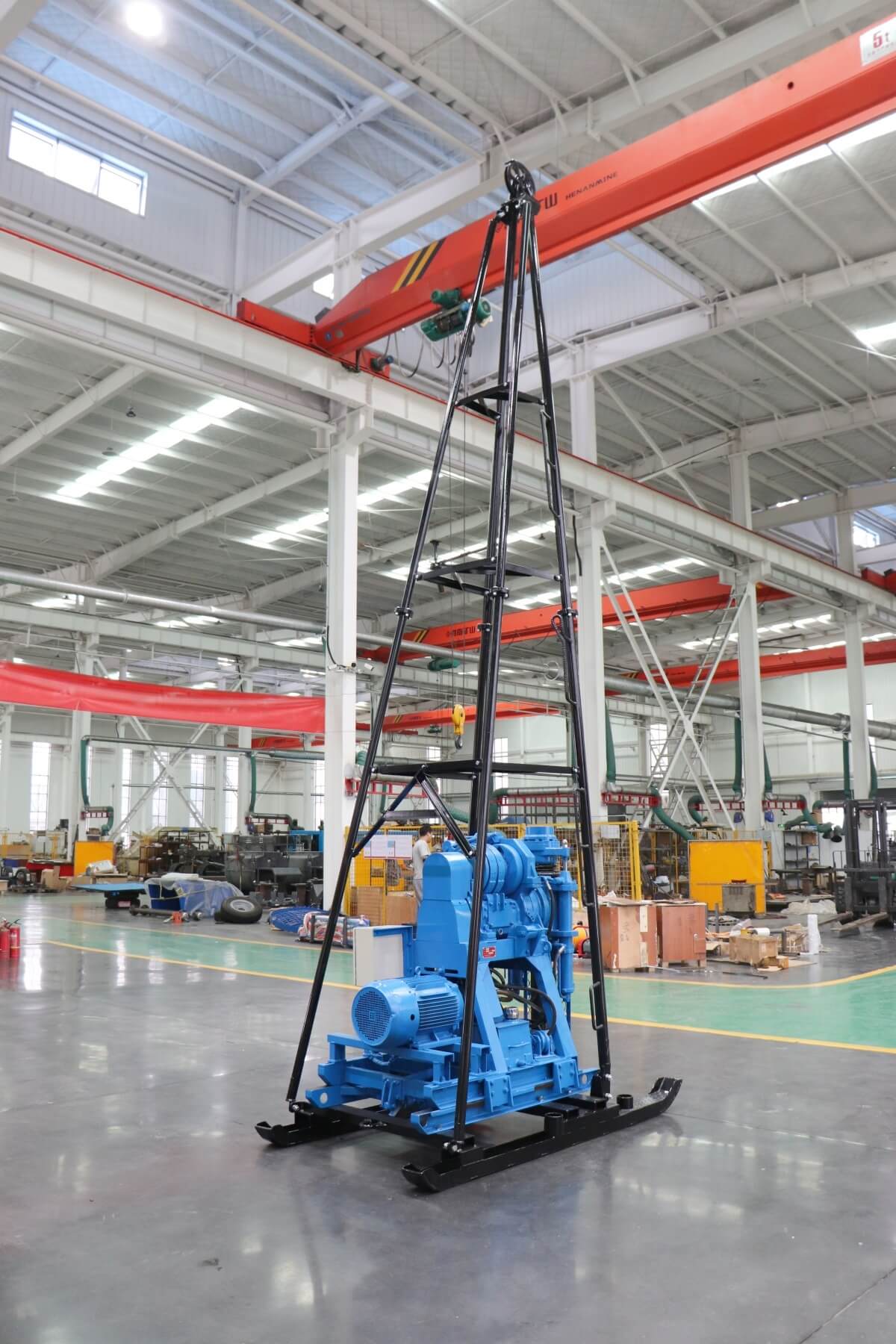
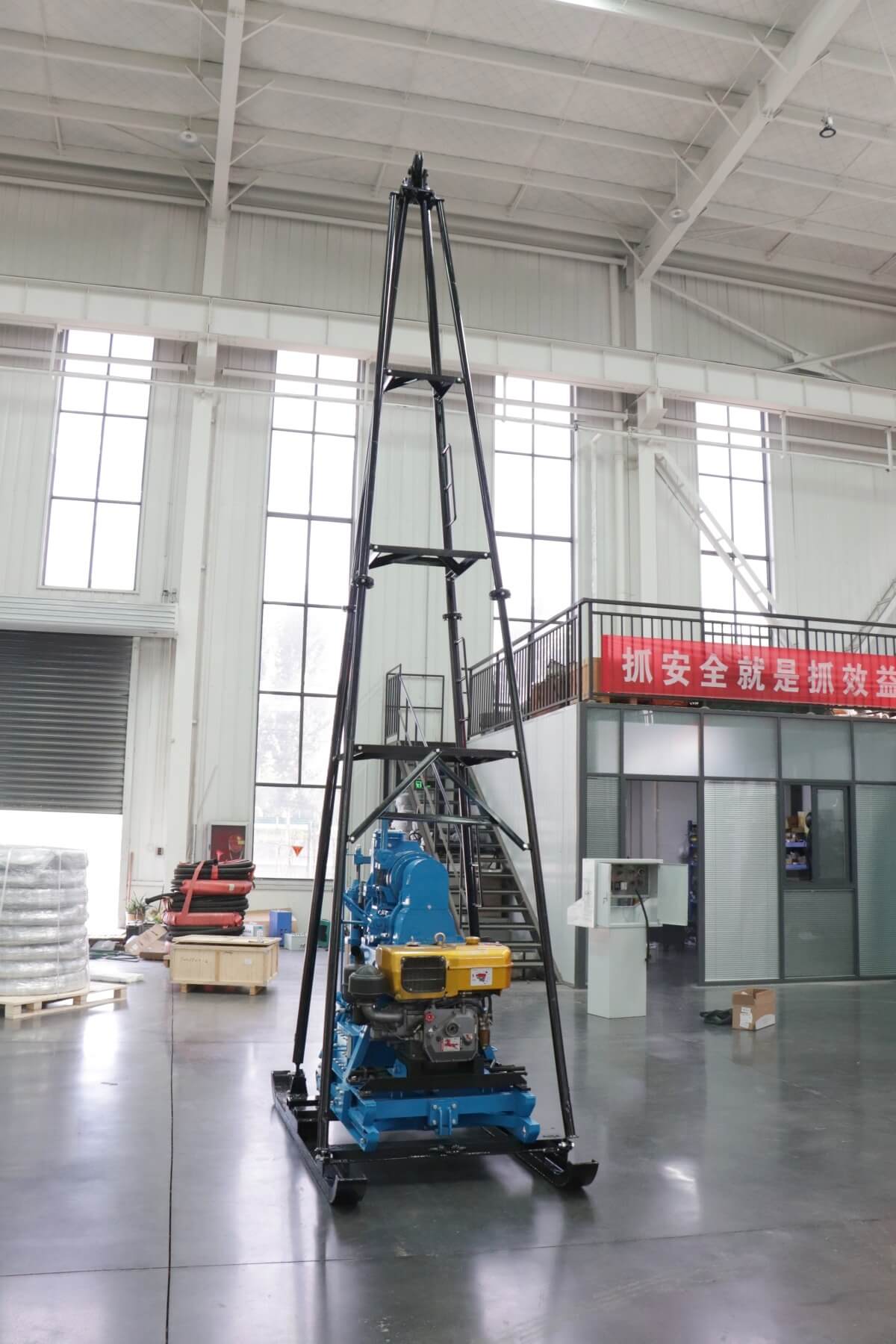
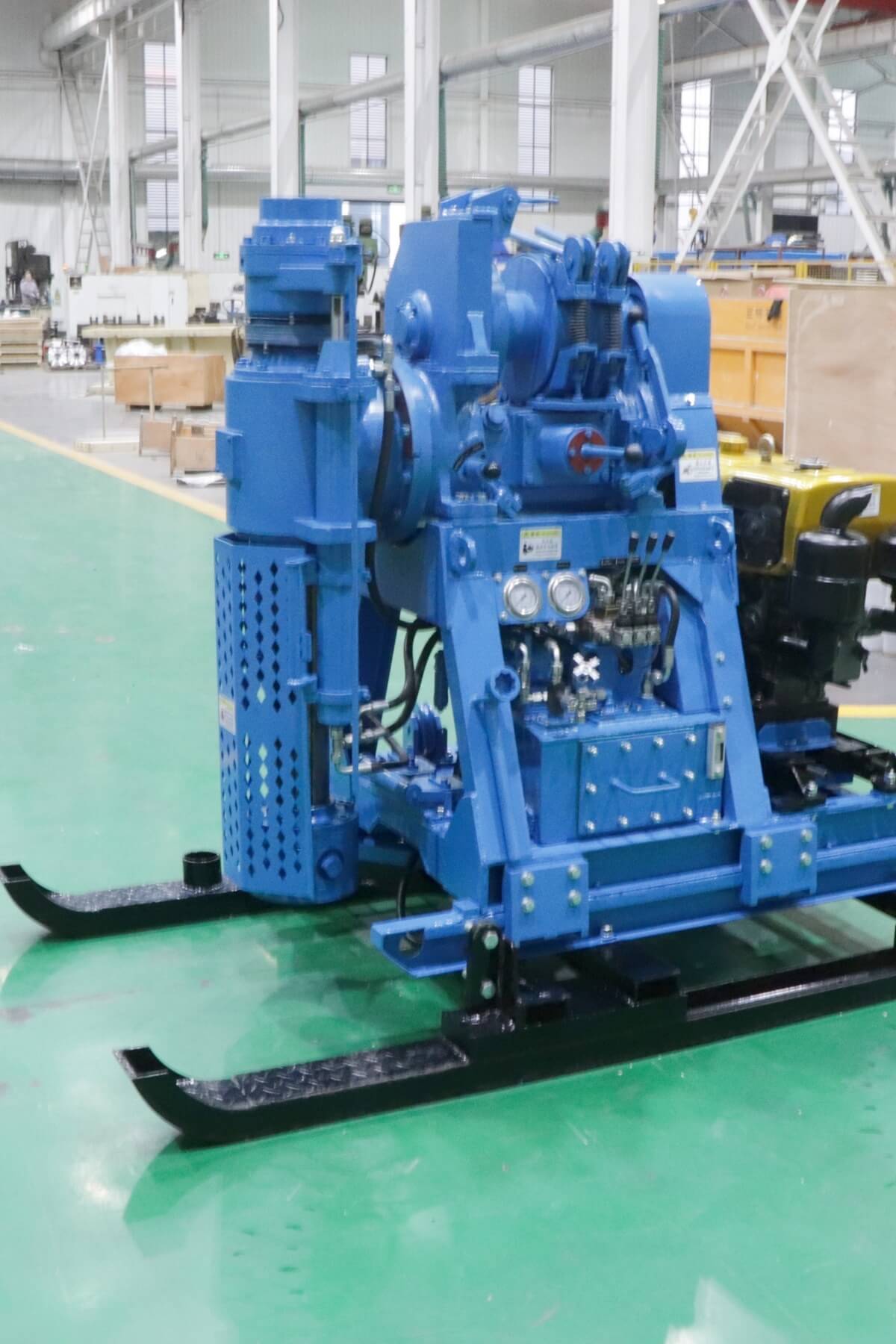
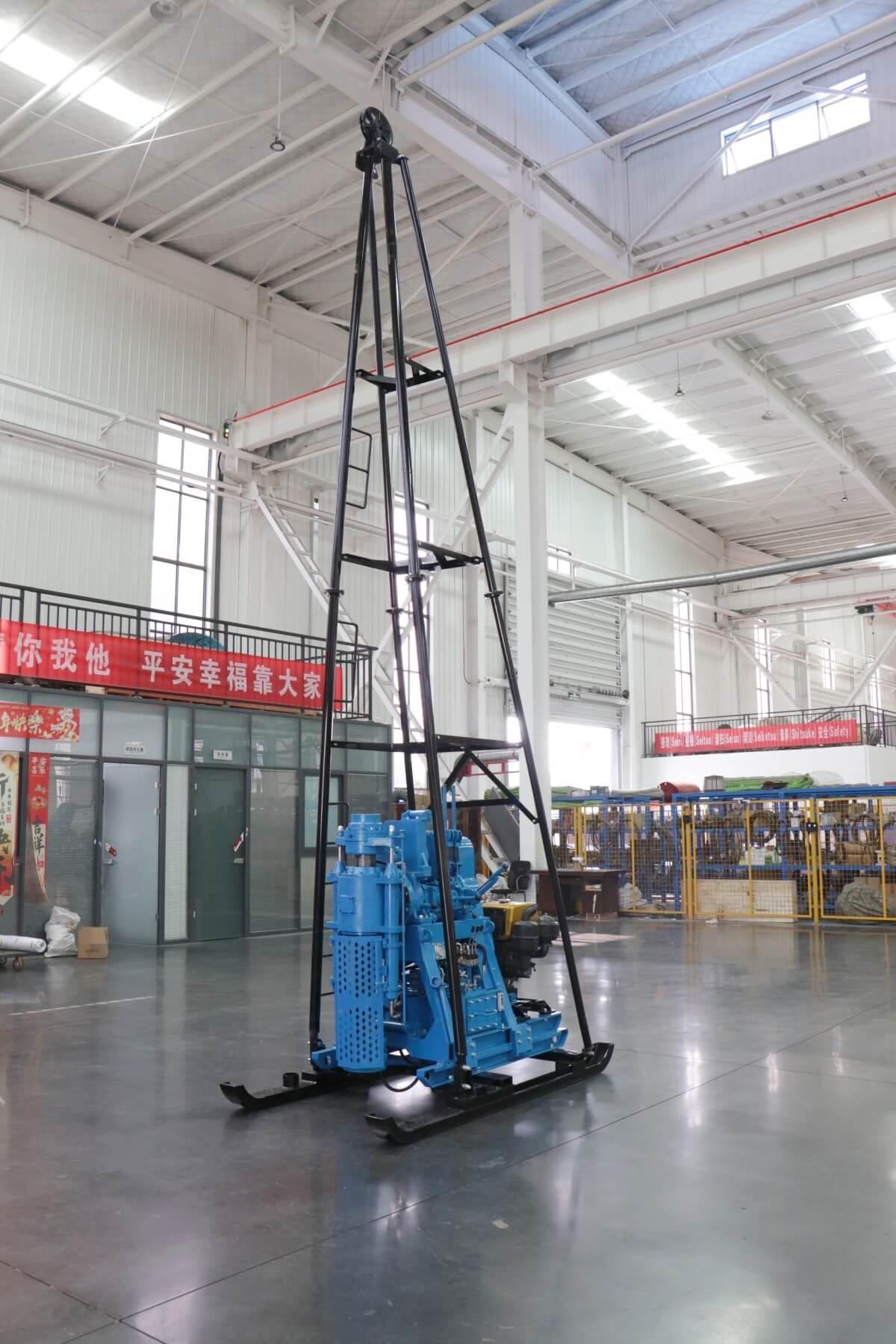
This is where the machine specification starts to matter. Our LE90R has a 92 mm spindle bore, a 500 mm feed stroke and a manual three-jaw chuck, with a 1,500 kg hoist for pulling casing and a hydraulic slide to clear the hole centre.
Those numbers allow a hole to be cased through fill, cored through a cohesive layer and then sampled by pushing a tube at a chosen depth, without moving the rig. Each change of tool costs a trip, and the value of the machine is that the trips happen in the same hole rather than requiring a second mobilisation.
Logging before the core dries
A soil core begins to change the moment it leaves the ground. Moisture migrates, colours dull, and oxidising faces lose the very features the core was taken to show.
Log it at the rig, while it is wet. Photograph the core box immediately, with a scale and the run depths visible. Seal the ends of any specimen that is going to the laboratory, and keep the box out of direct sun. None of this needs equipment, and all of it is lost if the core sits in the sun until the end of the shift.
When coring is the wrong spend
If the design only needs SPT values and a few strength parameters, coring adds cost without adding an answer. A programme of SPT boreholes with pushed samples will satisfy it, and a smaller rig will do the work.
Coring pays when the layering is unknown or contested, when fill thickness matters, when thin layers govern, or when the ground contains inclusions that a sample interval would never reveal.
What to send with an enquiry
What the design is missing, stratigraphy or parameters or both; the soil types expected and the depth; whether fill and its base are in question; the sample type and intervals the specification calls for; the casing and groundwater conditions; and the access to each position. Write to sales1@leadcrete.com.