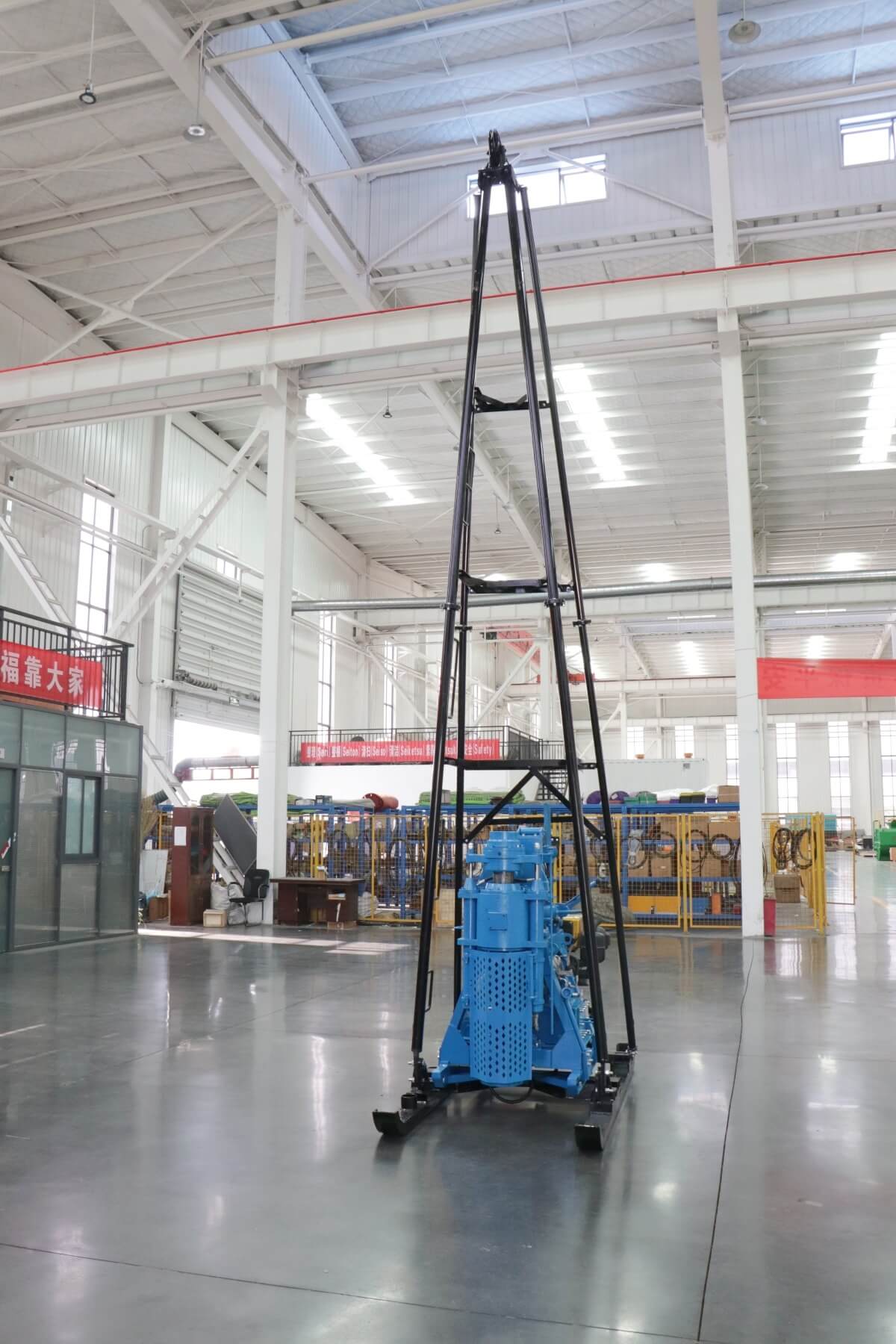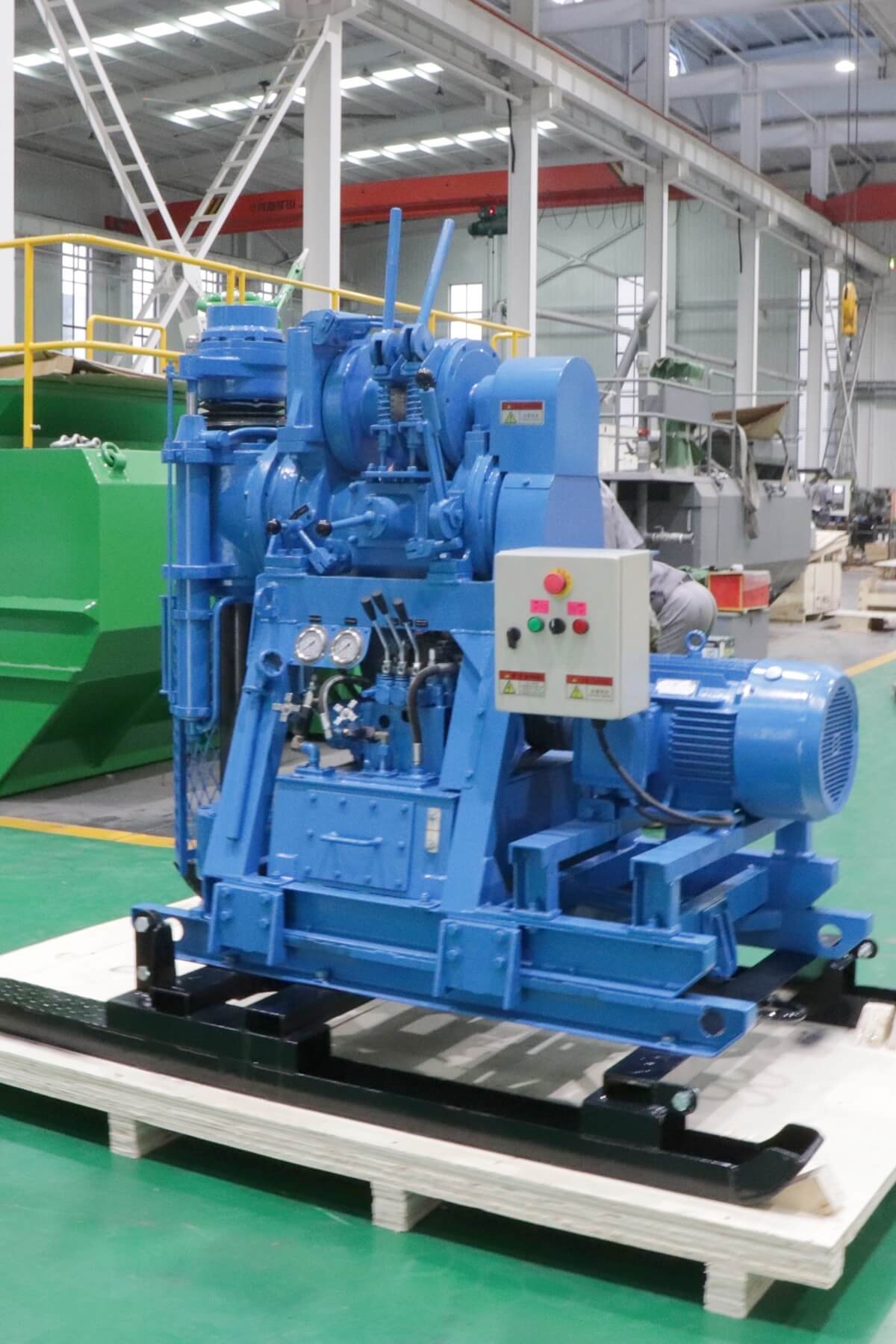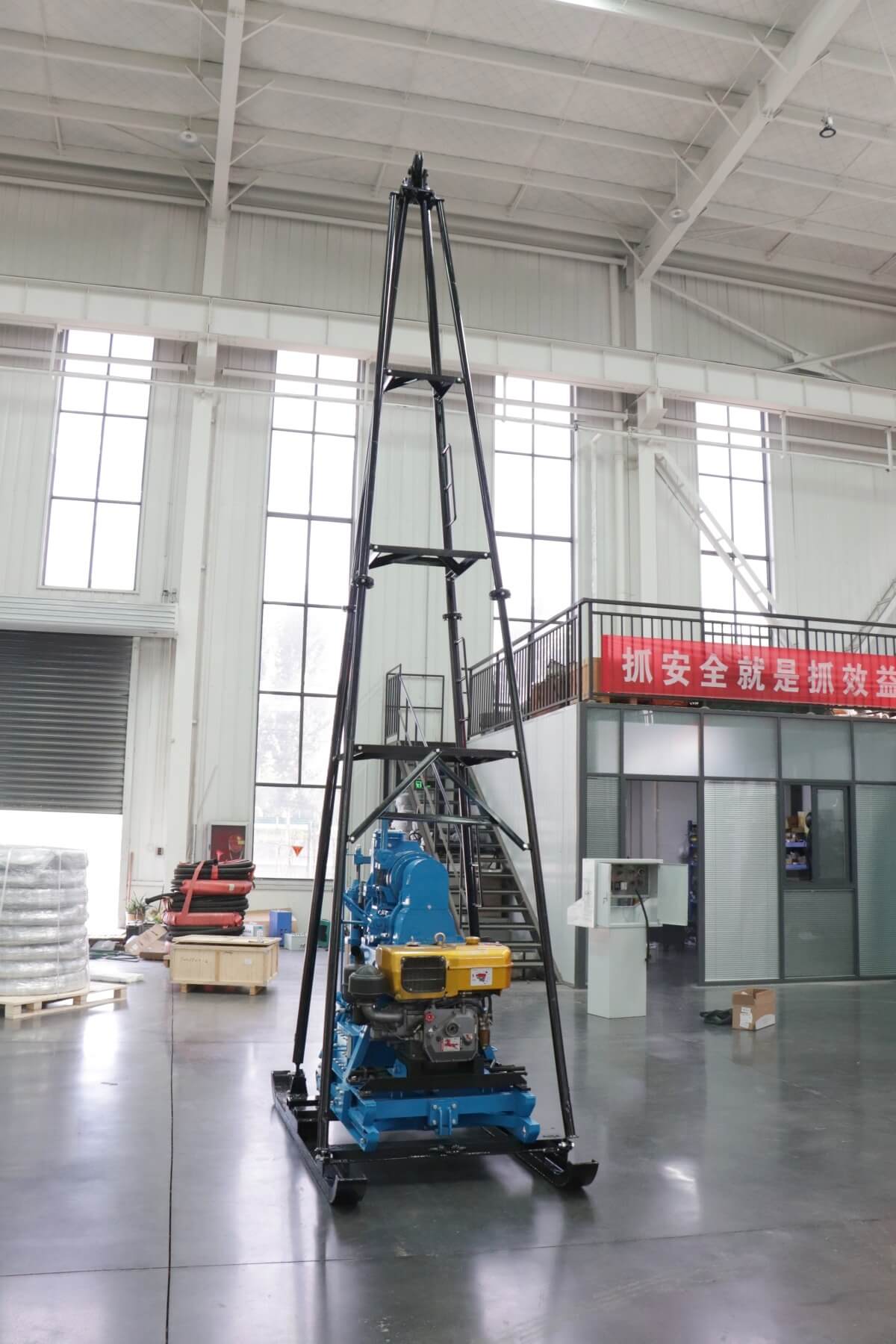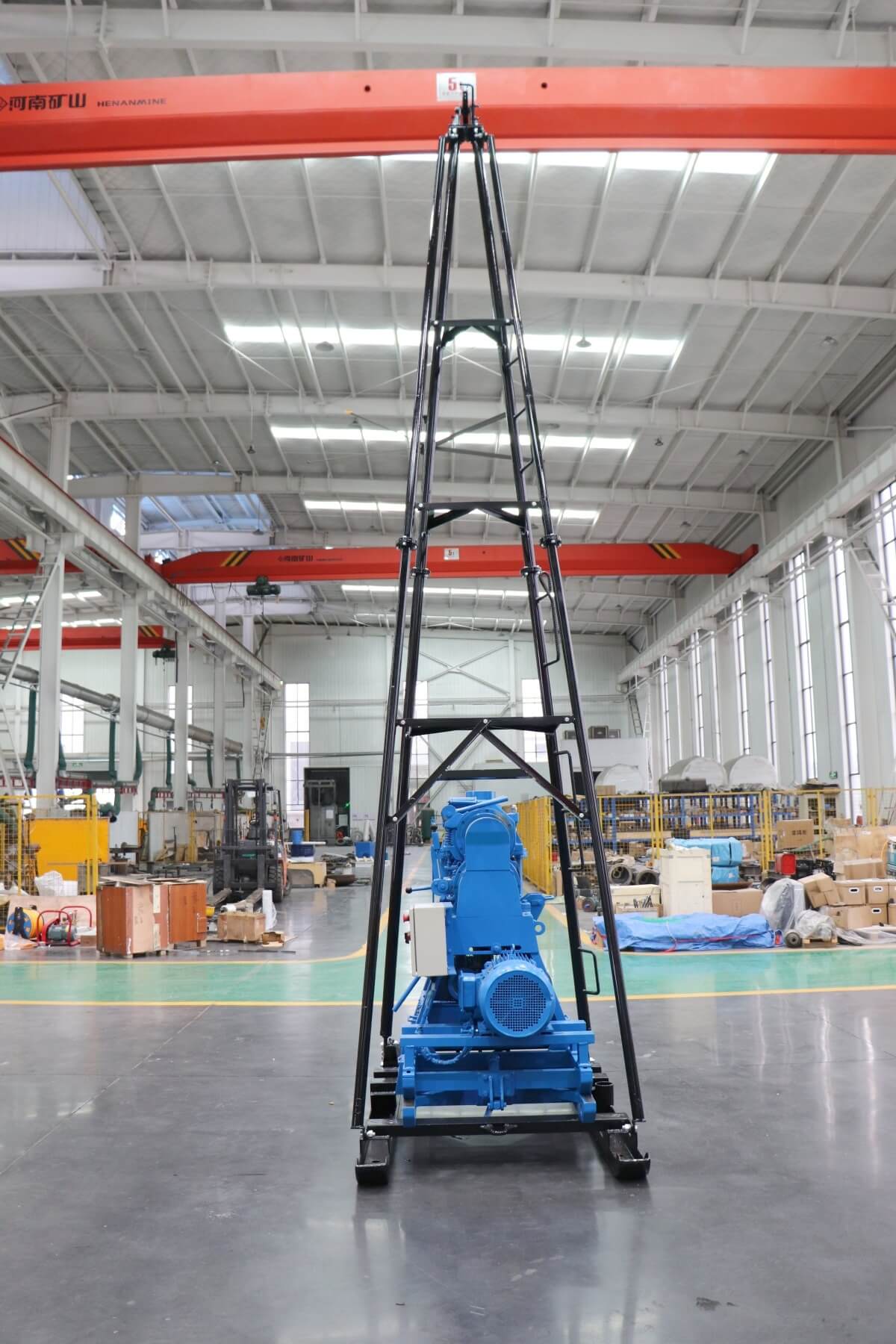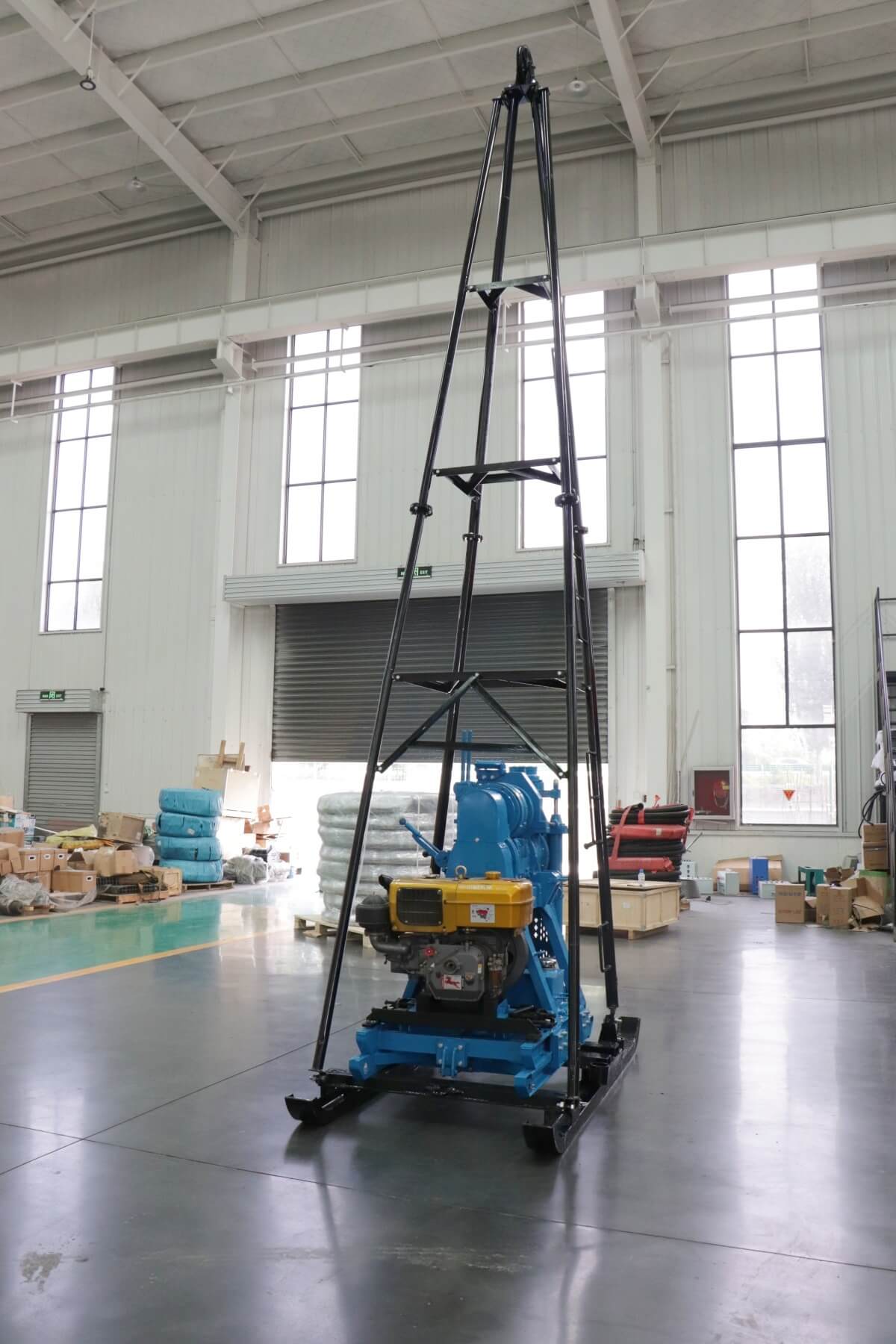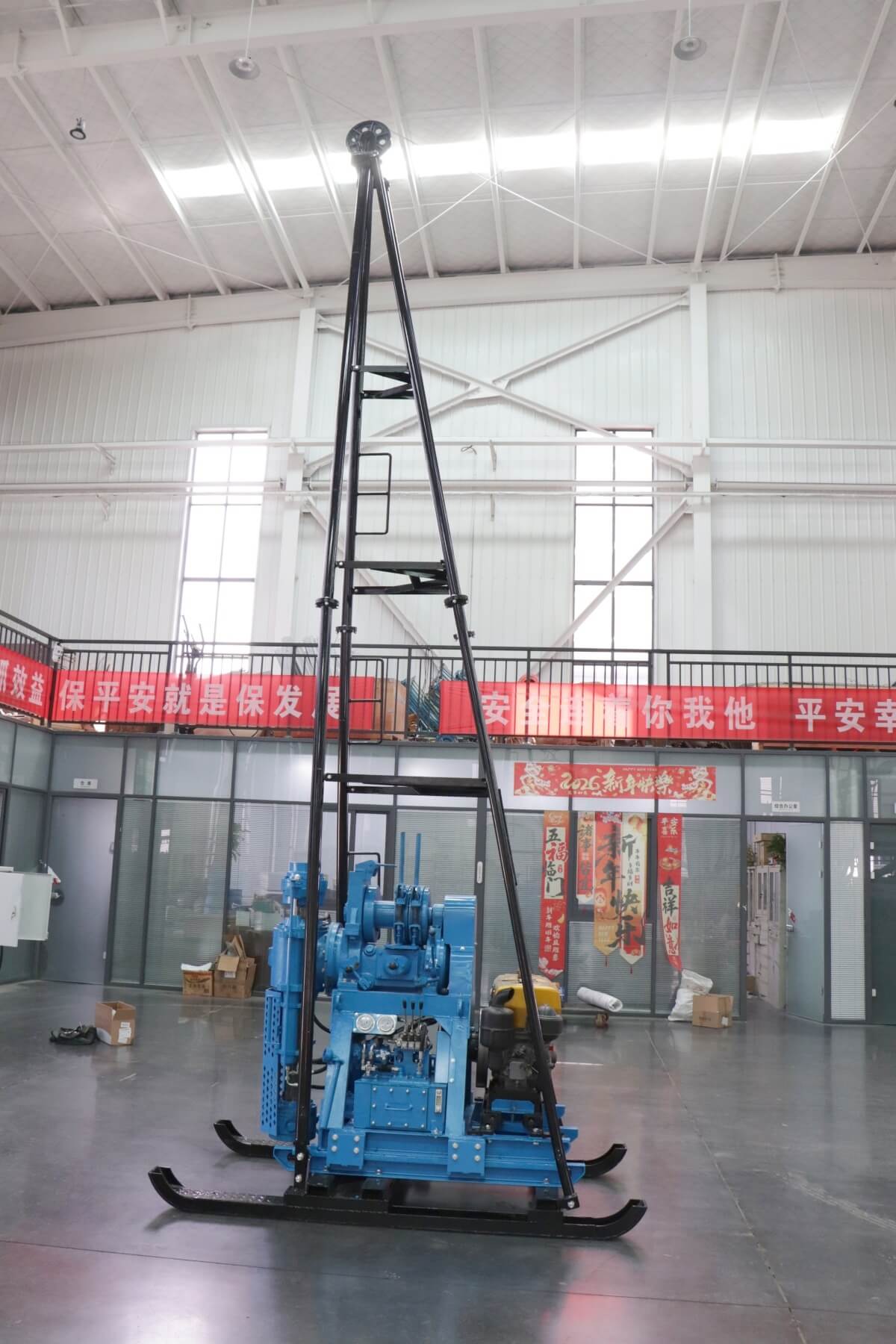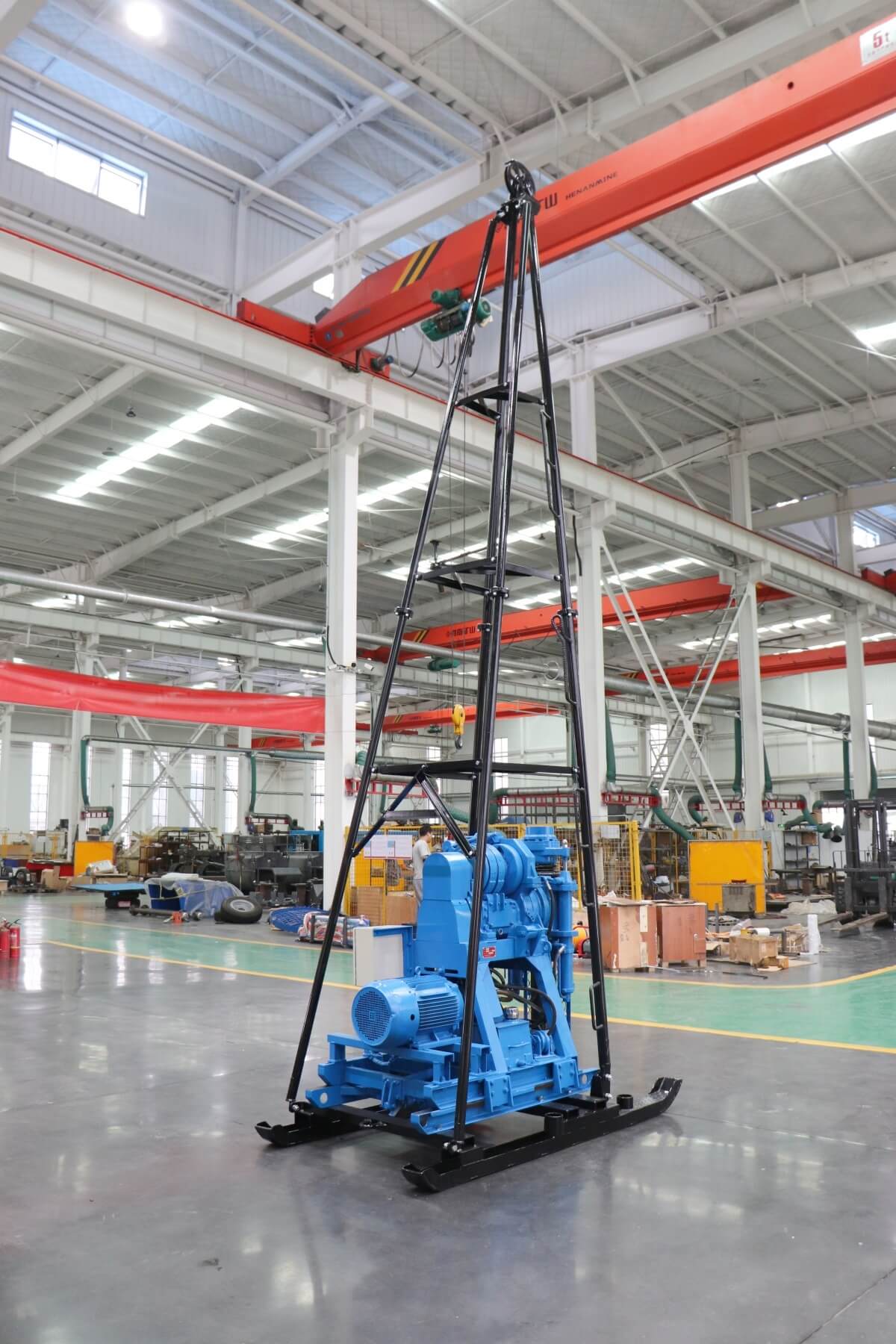
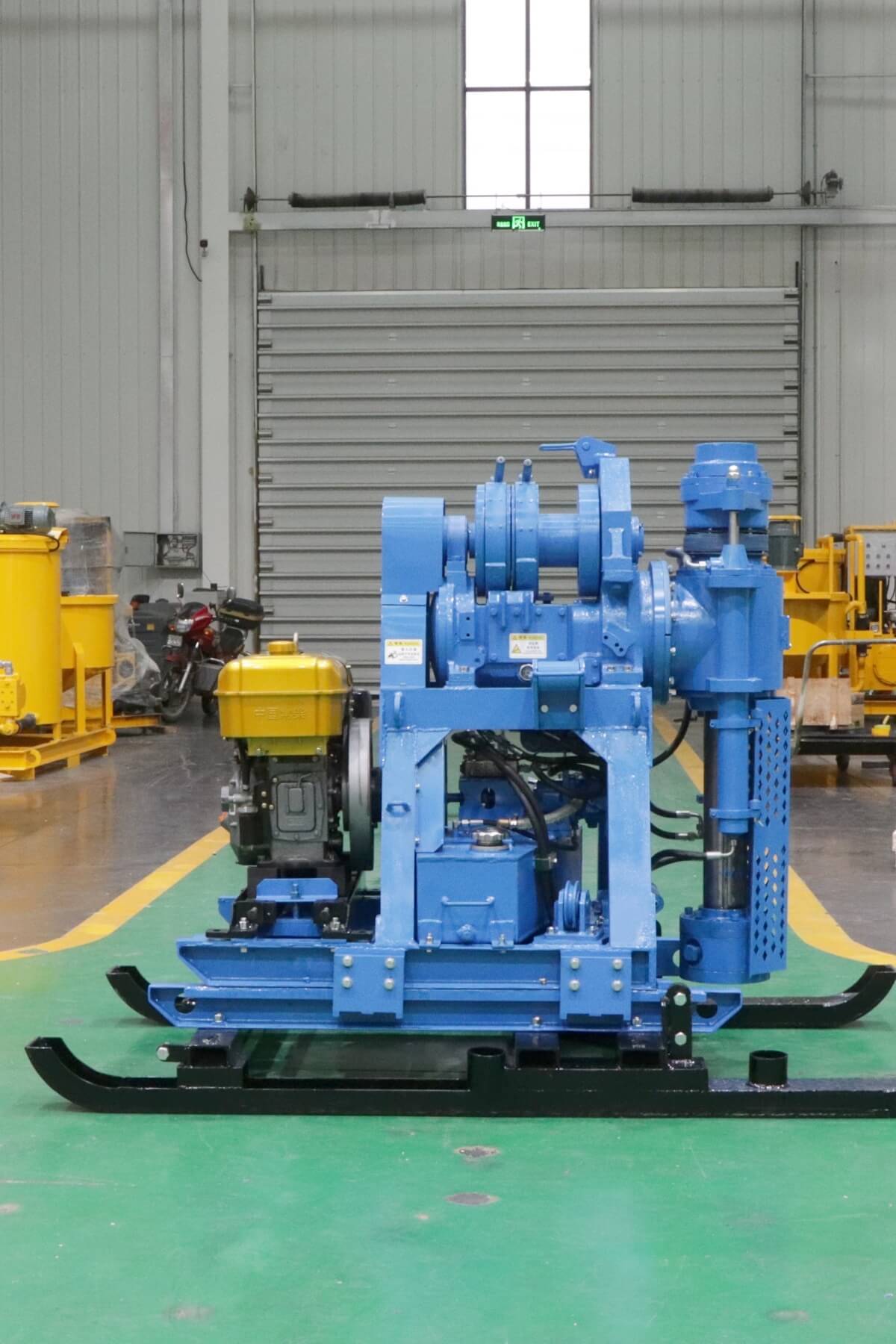
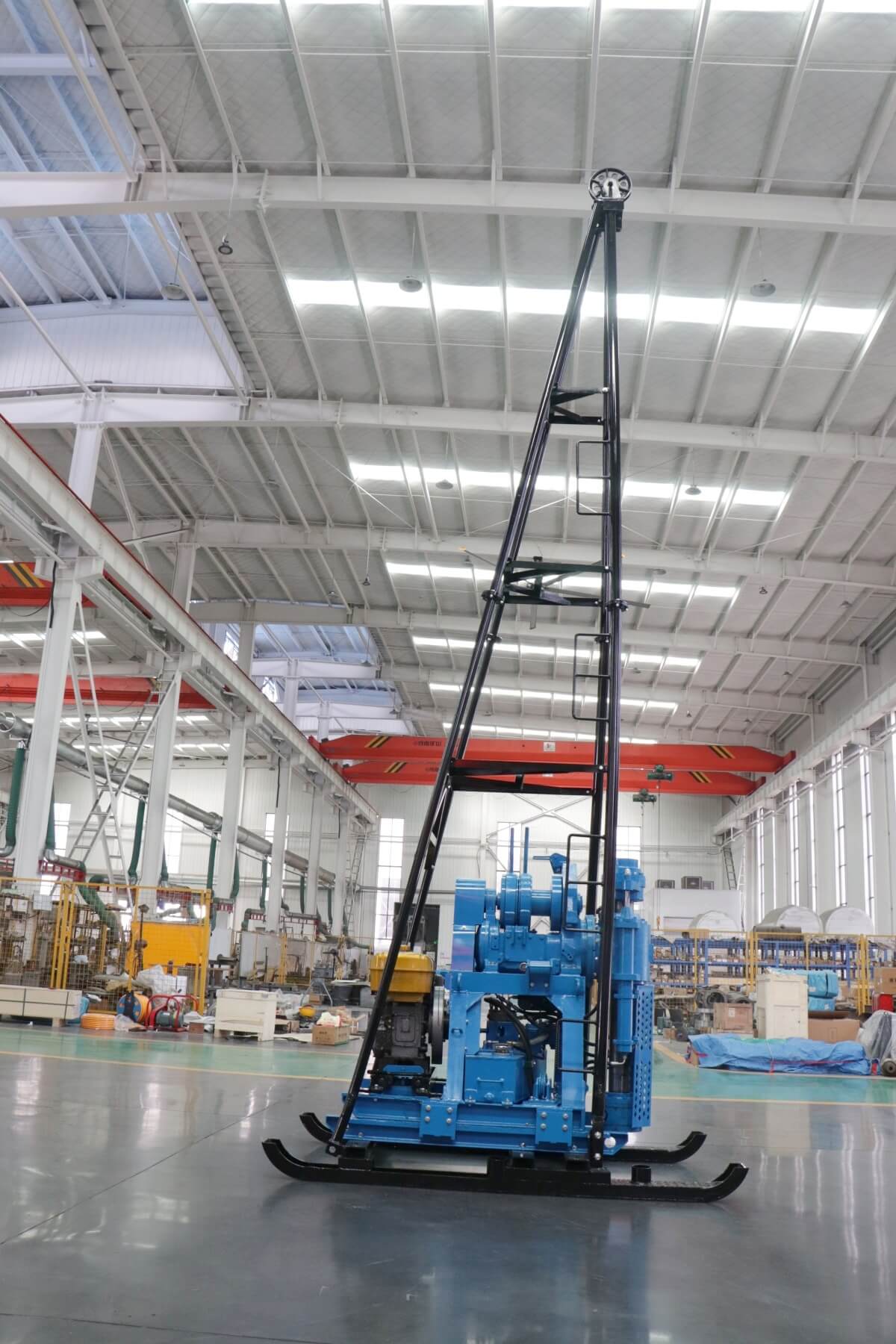
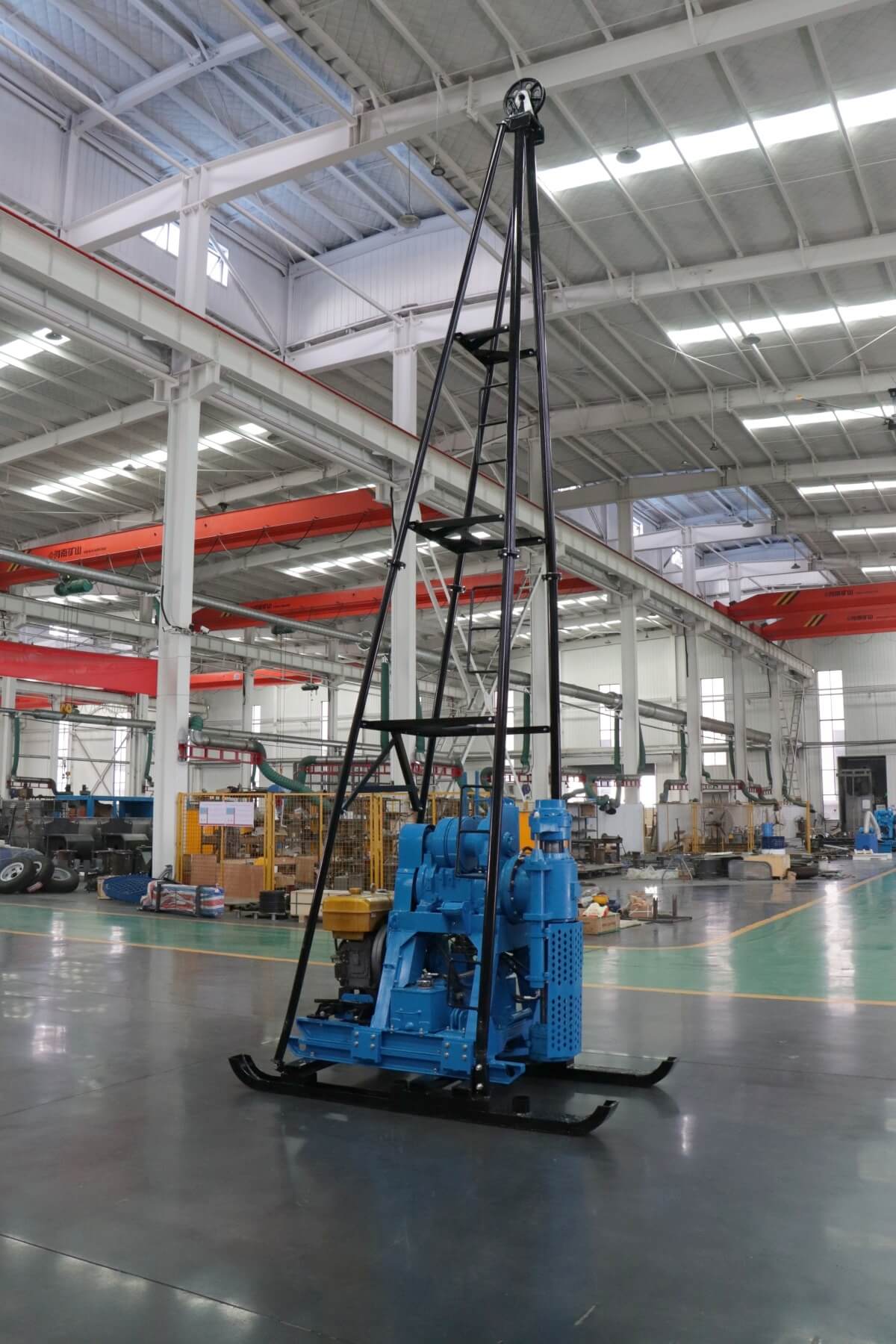
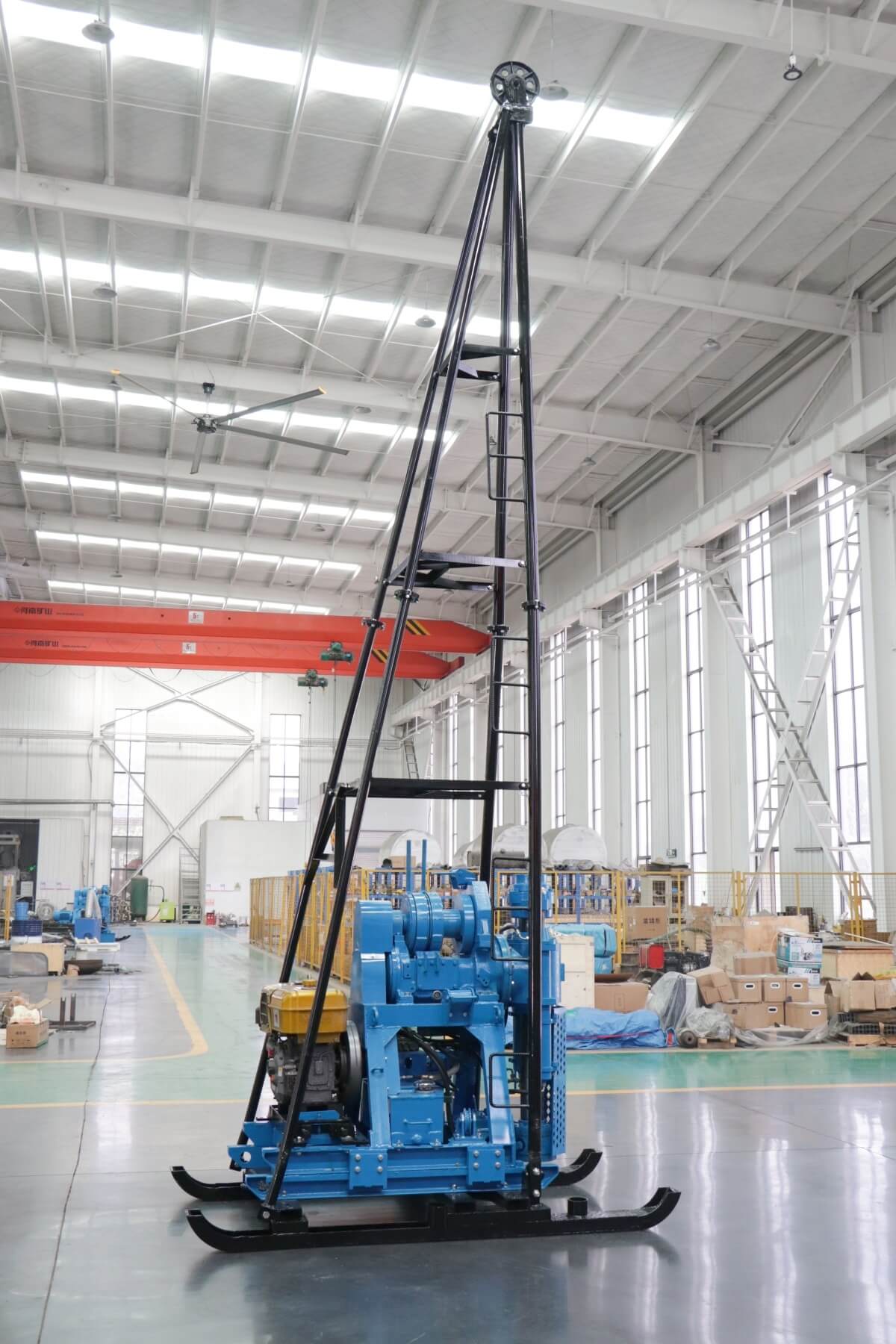
Site Investigation Core Drill Rig
On a site investigation, the technical specification is written by the client’s engineer before anyone quotes for the work. It sets the hole diameter, the sampling interval, the tests to be taken, the depth, the logging format and what has to happen to the hole when the rig leaves. A site investigation core drill rig either meets those clauses or the borehole is rejected, and rejection is discovered at the end of the job rather than the start.
Reading the specification before the machine is the single most useful habit in this market, and it costs an afternoon. It is also why a site investigation core drill rig should be chosen against a document rather than against a brochure.
The clauses that actually constrain a rig
Most specifications are longer than they need to be, but six clauses do the real work. Minimum hole diameter. Sampling intervals and sampler type. In situ test intervals. Terminal depth and the criterion for stopping. Logging and record requirements. Backfill, reinstatement and marking.
Each one maps onto a machine property. Diameter onto the spindle bore. Interval onto the feed stroke. Depth onto capacity and hoist. Backfill onto the ability to withdraw casing. The rest onto procedure rather than hardware, which is worth knowing because procedure can be fixed and hardware cannot.
Diameter is the clause that eliminates machines
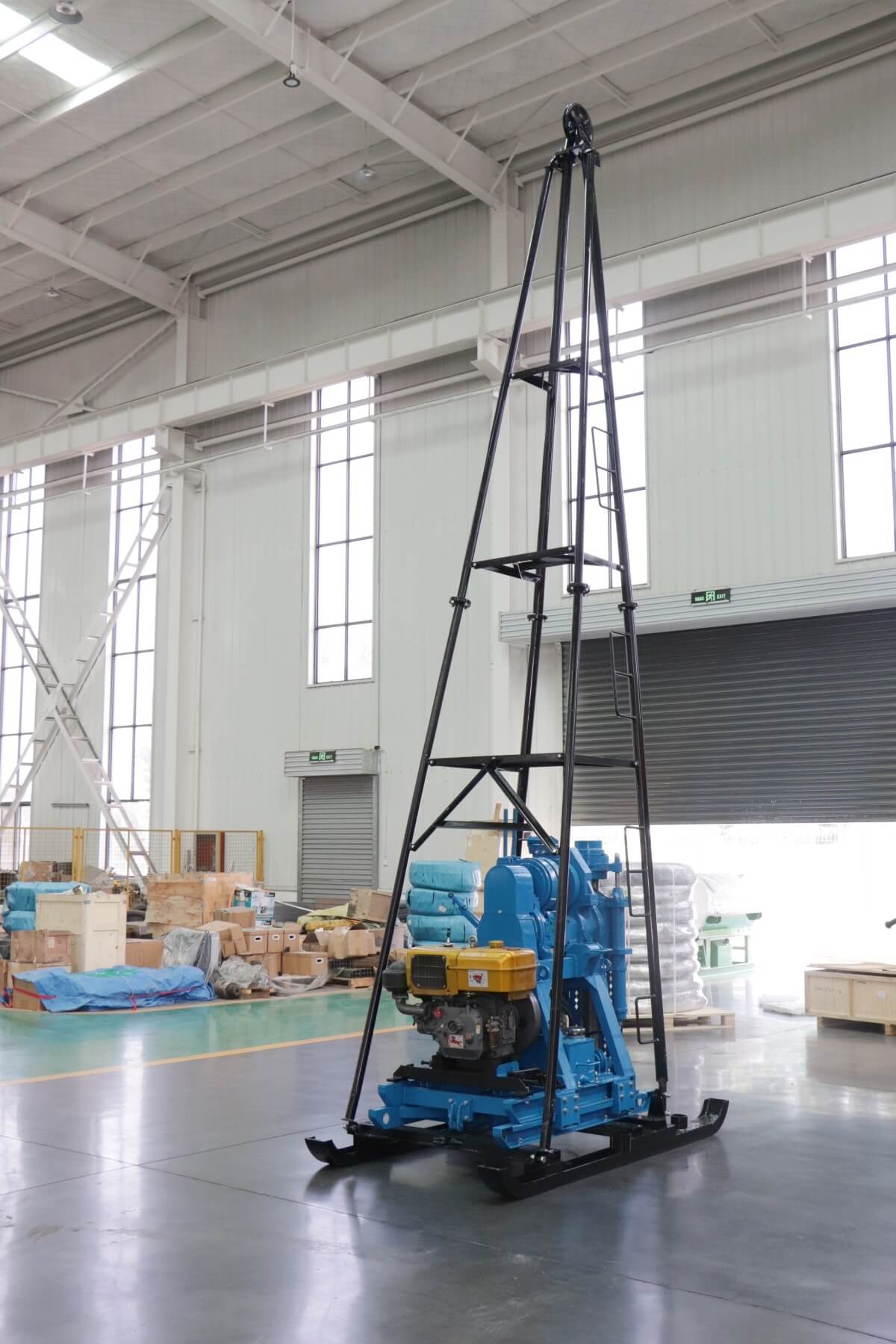
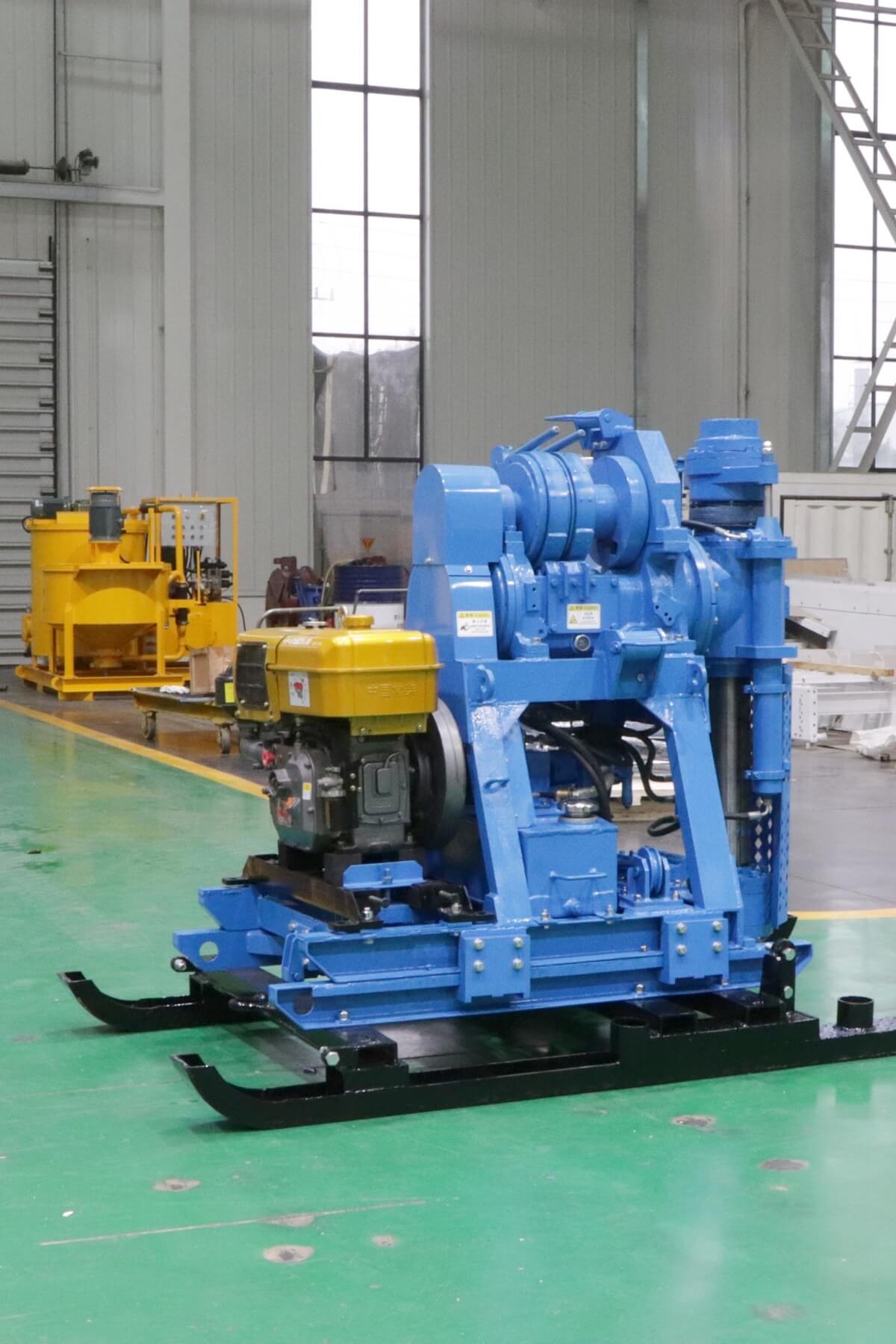
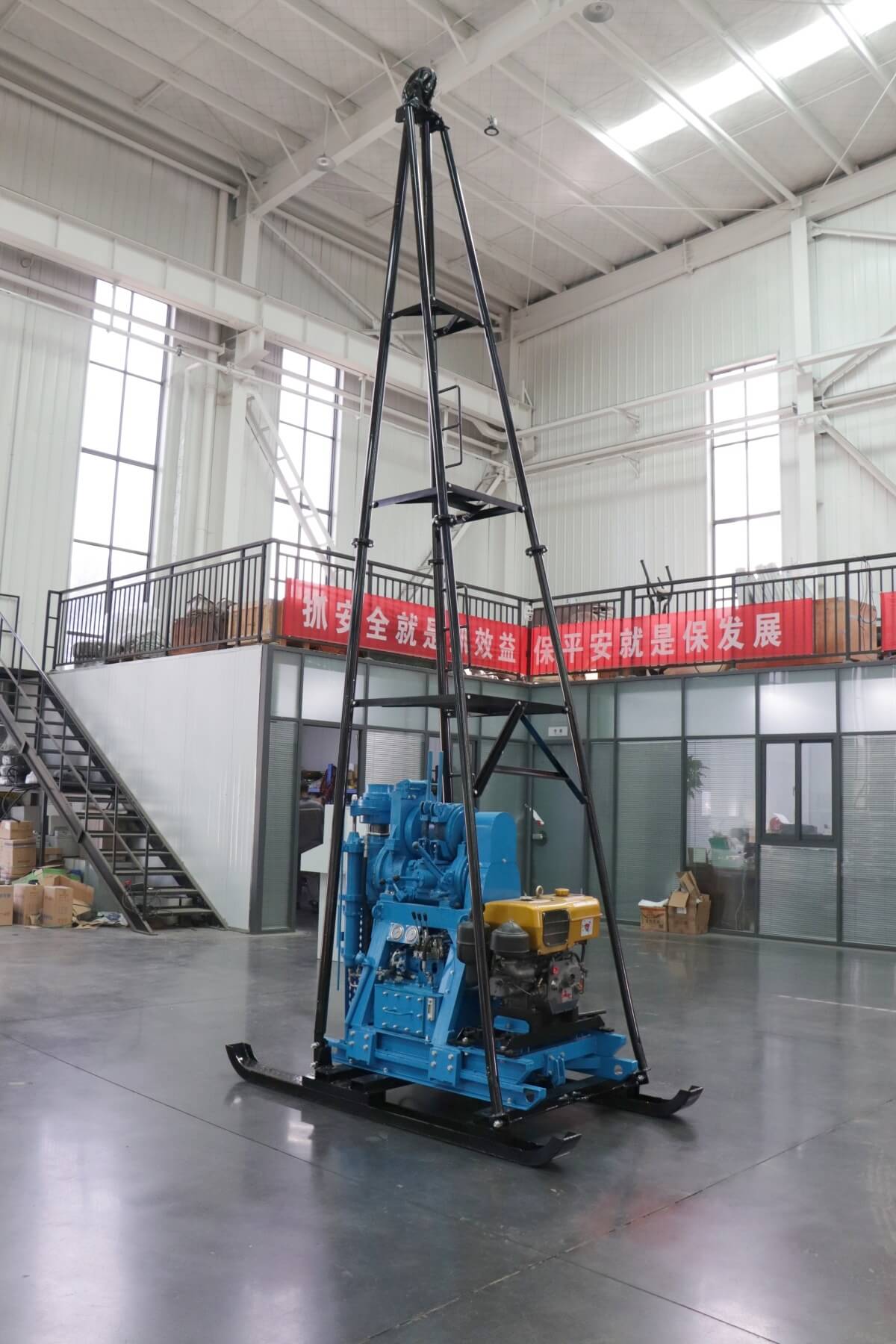
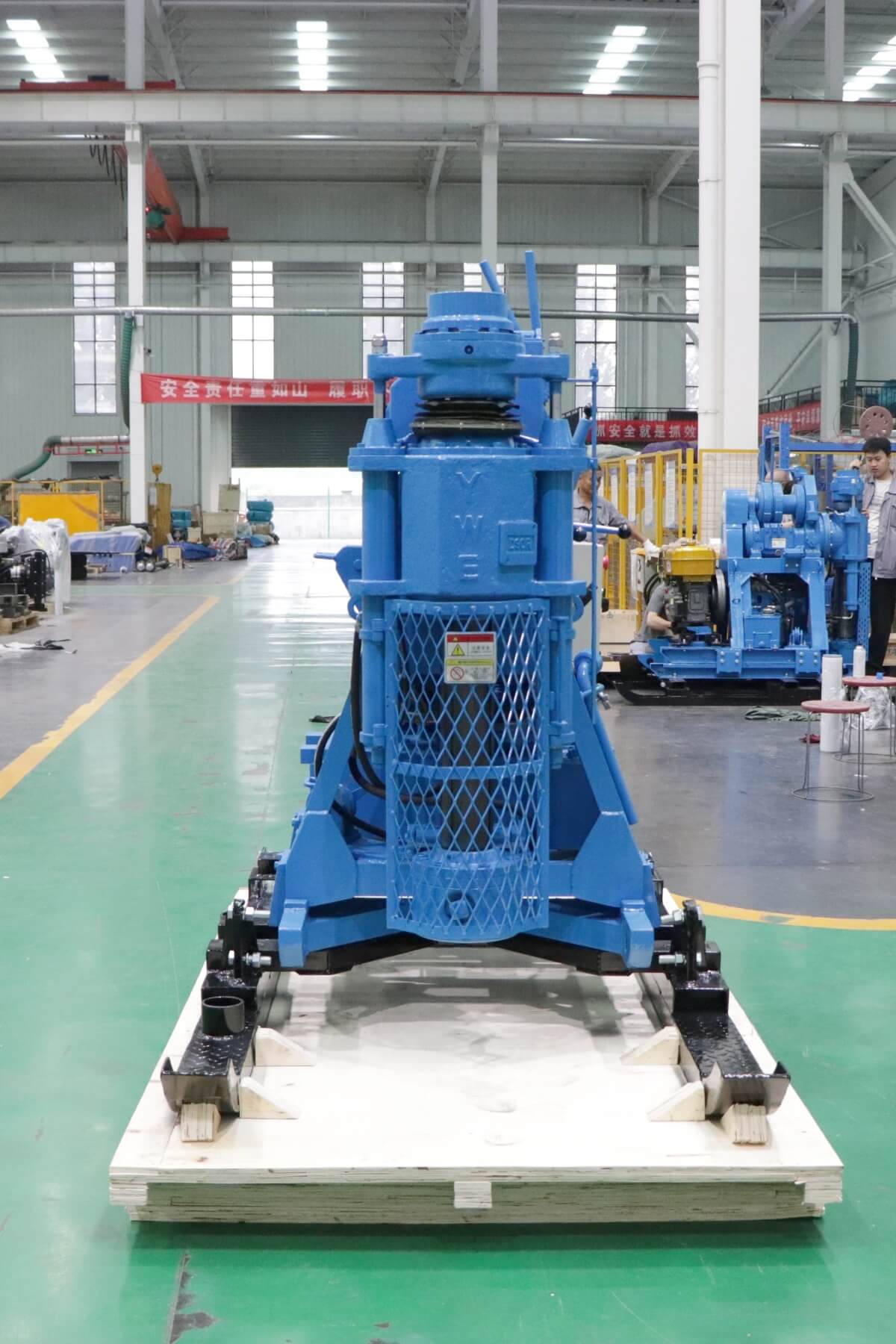
The spindle bore is what passes through the head, and on our LE90R it is 92 mm with NW casing capability. That sets a practical ceiling on hole size, and the ceiling is where most specification mismatches appear.
If the scope of works asks for holes of 100 mm or more, or specifies a casing size larger than NW, this machine cannot deliver it, and no amount of careful drilling will change the answer. That check belongs in the tender review, not in the mobilisation meeting.
Interval against stroke
The second clause to check is the sampling interval. A specification that calls for a sample every metre, with a 500 mm feed stroke, means two advances and two re-chucks per sample. Nothing is wrong with that arrangement, but it does mean the tempo of the hole is set by the sampling clause rather than by the ground, and on a site investigation core drill rig the number of re-chucks per metre follows from the specification rather than from the driller’s preference.
Where the interval is defined at changes of stratum rather than at fixed depths, the driller decides when to stop, and that requires a rig that responds predictably at low feed rates. Hydraulic feed on twin cylinders gives that control, which is why it appears in most specifications that mention the method of advance at all.
Casing out, backfill in
The clause most often forgotten at the quotation stage is what happens to the hole afterwards. Many specifications require the borehole to be backfilled, usually with grout or a cement bentonite mix, and the collar marked and recorded.
That requirement turns the hoist into a compliance item rather than a convenience. Casing that cannot be pulled is casing that stays in the ground, and a hole left with casing in it is rarely what the specification asked for. Our 1,500 kg hoist with rope speeds of 17, 65 and 101 m/min is what makes withdrawal practical in ground that grips.
Records are part of the deliverable
A site investigation produces a log, and the log is subject to the same specification as the drilling. Depth, sample type, recovery, water strike, refusal, time and date.
Two of those depend on the rig’s behaviour. A water strike has to be recorded at the depth it was met, which means stopping and measuring before drilling on. And refusal has to be evidenced rather than asserted, which means the machine must be able to hold a steady feed at its limit without the driller guessing. On a site investigation core drill rig, a slow gear and a readable feed control are data-quality features, not luxuries.
What non-compliance costs
A rejected hole is drilled twice. The metreage is paid for once and delivered twice, and the second hole has its own access, setup and reinstatement cost.
Ten holes re-drilled is not a ten per cent overrun; on a small programme it is close to doubling the work while the original invoice stands still. That is the arithmetic that justifies spending an afternoon with the specification before spending money on a machine.
What the machine cannot fix
Three things stay outside the rig’s influence. The logging standard, which belongs to the engineer. The laboratory programme, which belongs to the samples. And the interpretation, which belongs to the report.
A compliant machine makes those possible. It does not make them good, and pretending otherwise is how suppliers lose the second contract.
What to send with an enquiry
Send the specification clauses that govern diameter, sampling interval and method, test types, terminal depth, casing and backfill, plus the ground conditions expected and the access to each position. With those in hand, compliance is a checklist rather than an opinion. Write to sales1@leadcrete.com.