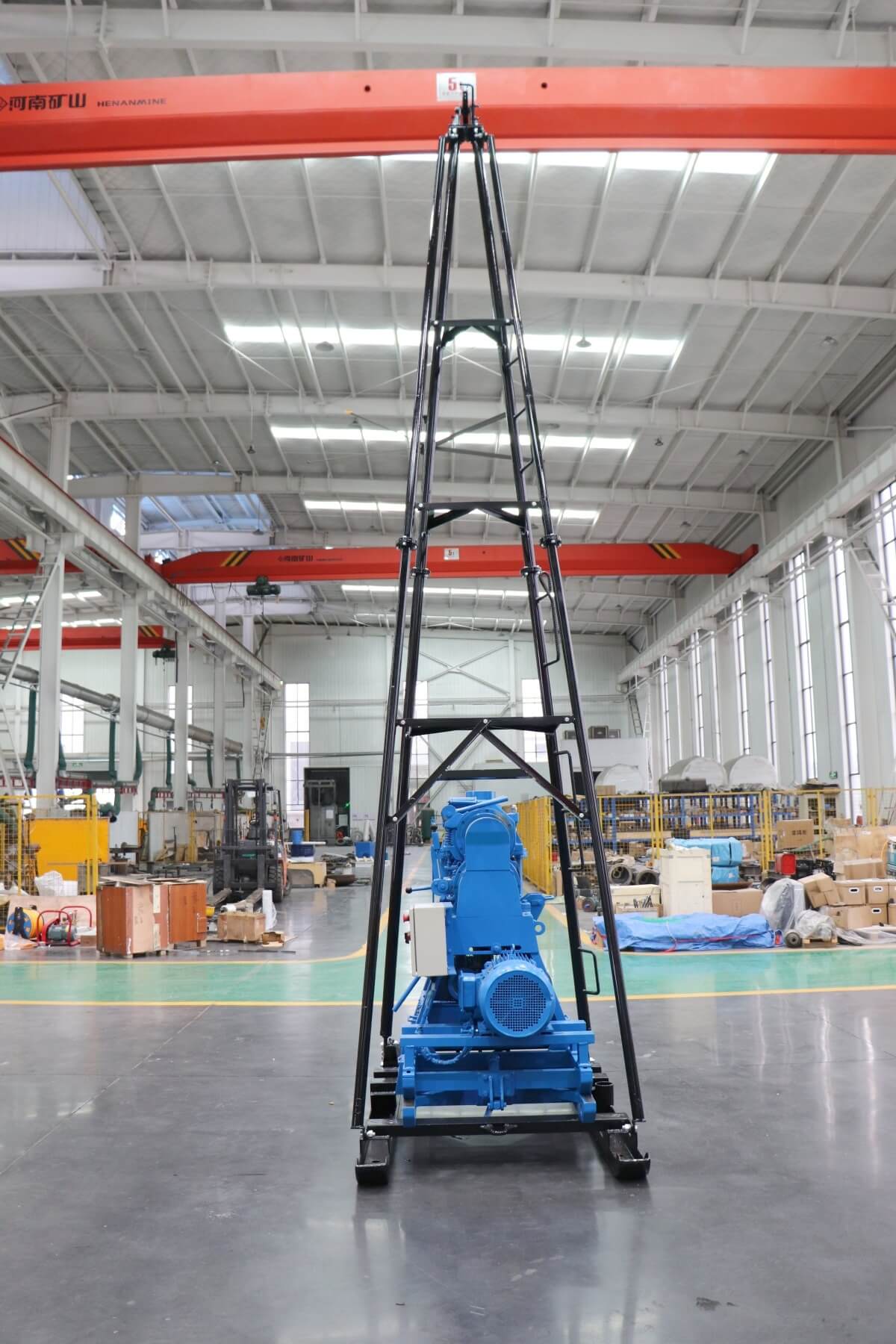
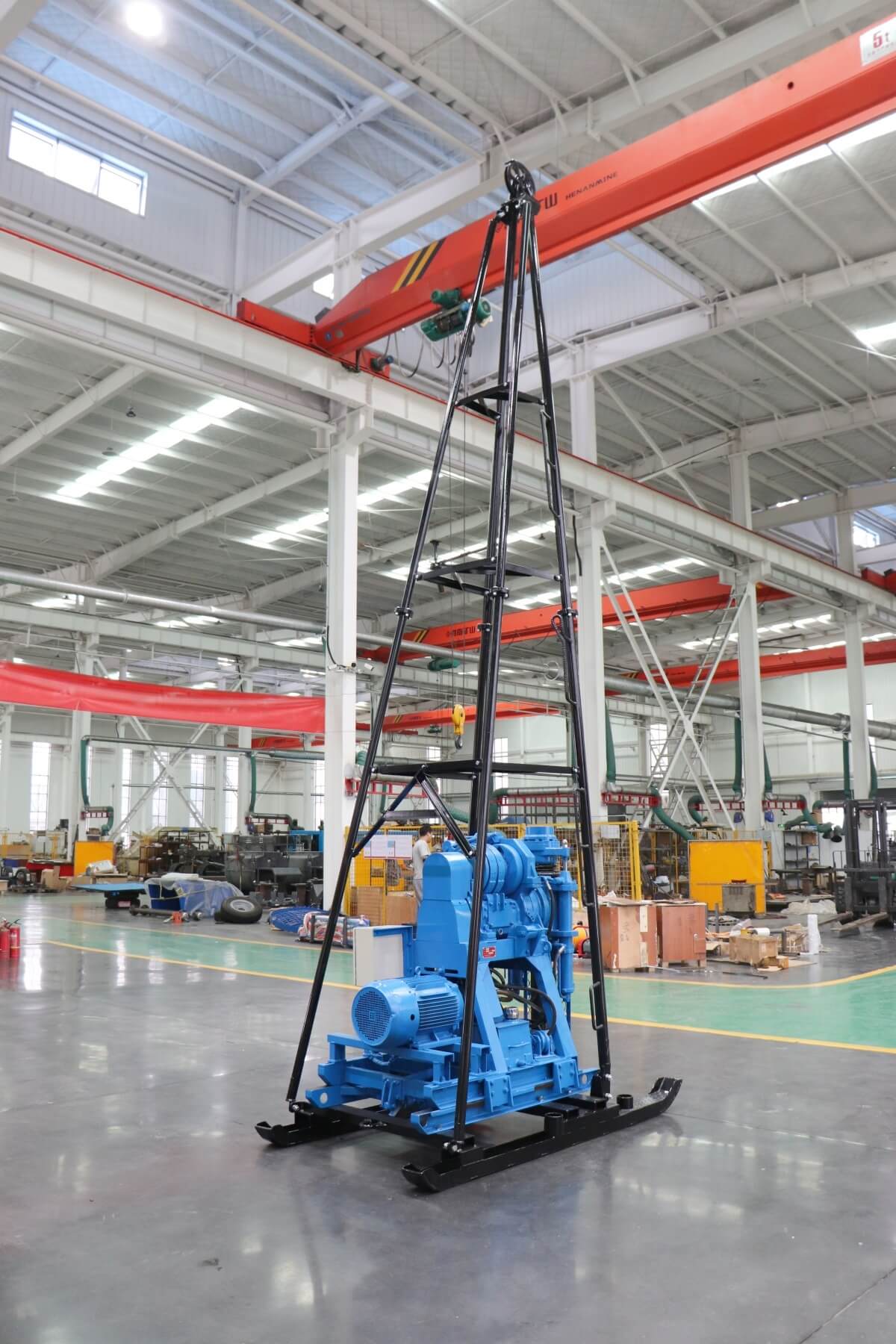
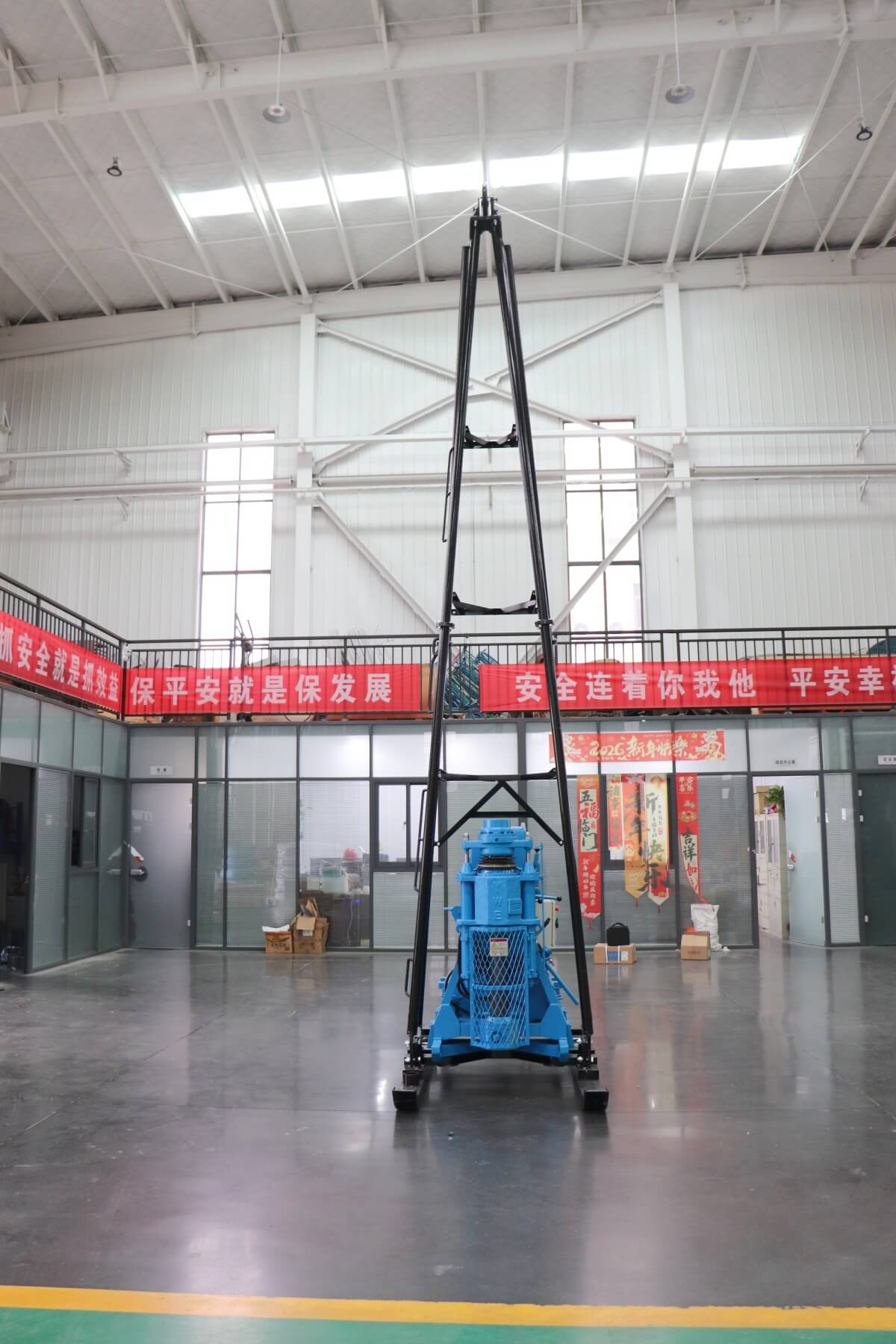
Soil Sampling Core Drill Rig
In soil, recovering material and obtaining a sample are different achievements. A rig can bring up every cubic centimetre of a borehole and still deliver nothing a laboratory can test, because a soil sample that has been remoulded, sheared or dried out has lost the property it was taken for. That distinction is what separates a soil sampling core drill rig from a machine that happens to be drilling in soil.
The sampler decides the quality
Soil sampling standards classify samples by how much disturbance they permit, and the classification follows the sampler and the method of advance rather than the machine that carries them. A thin-walled tube pushed steadily gives a specimen fit for strength and consolidation testing. The same tube hammered into place gives a disturbed sample, whatever the rig cost.
The machine’s contribution is narrow and specific: it has to advance the sampler at a controlled rate, without rotation, without stopping, and without the hole collapsing around it. Three published figures decide whether it can.
Check the tube against the stroke
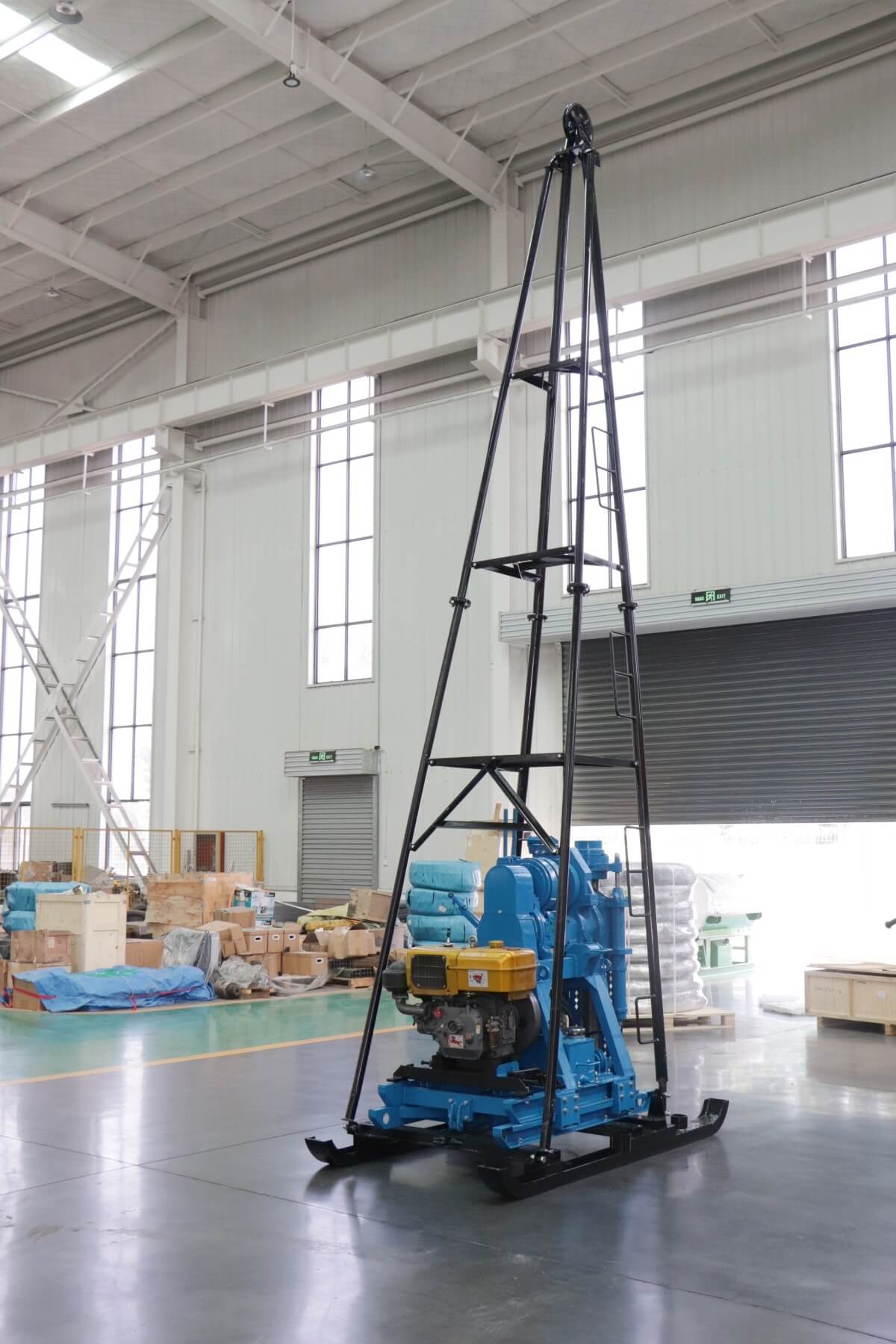
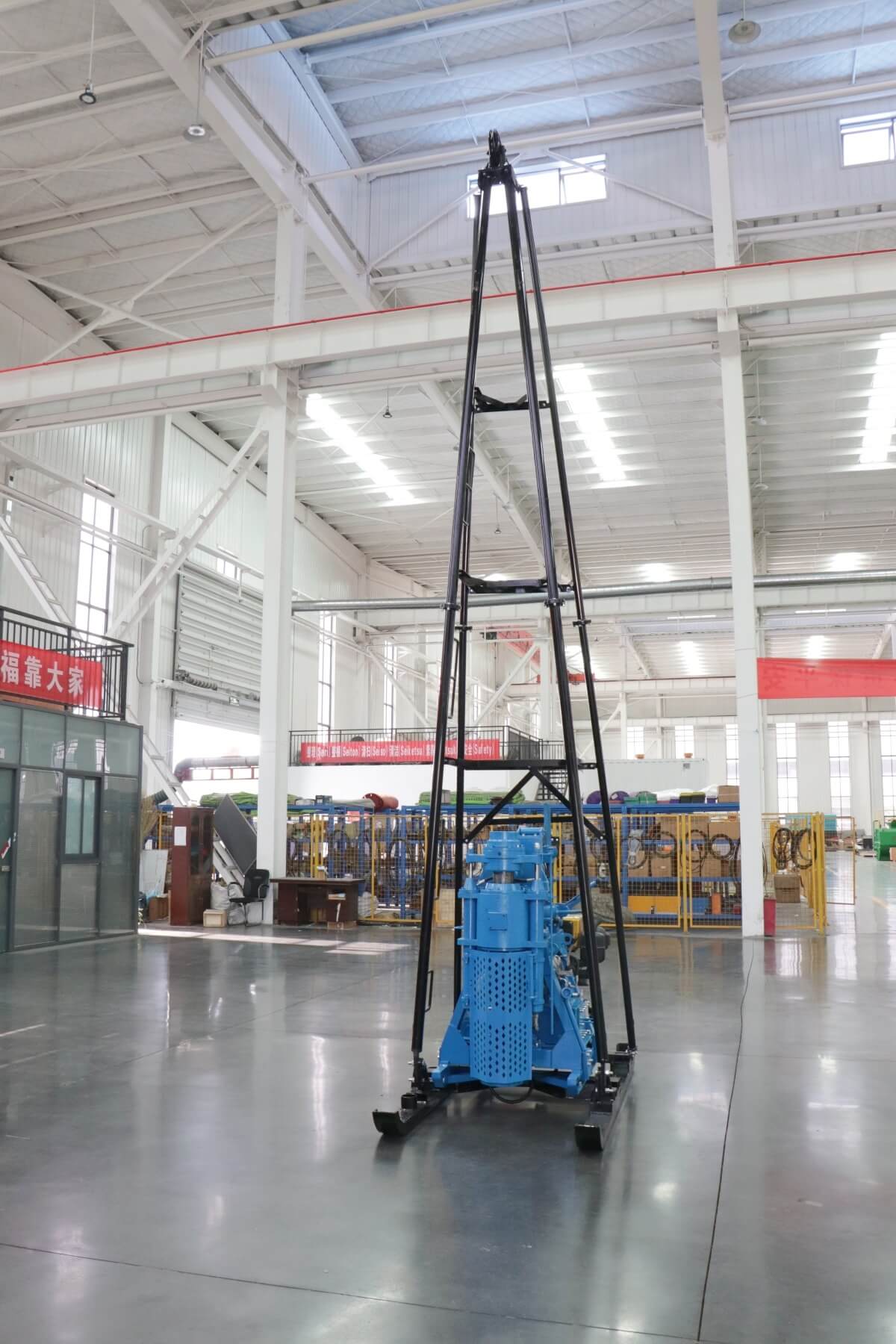
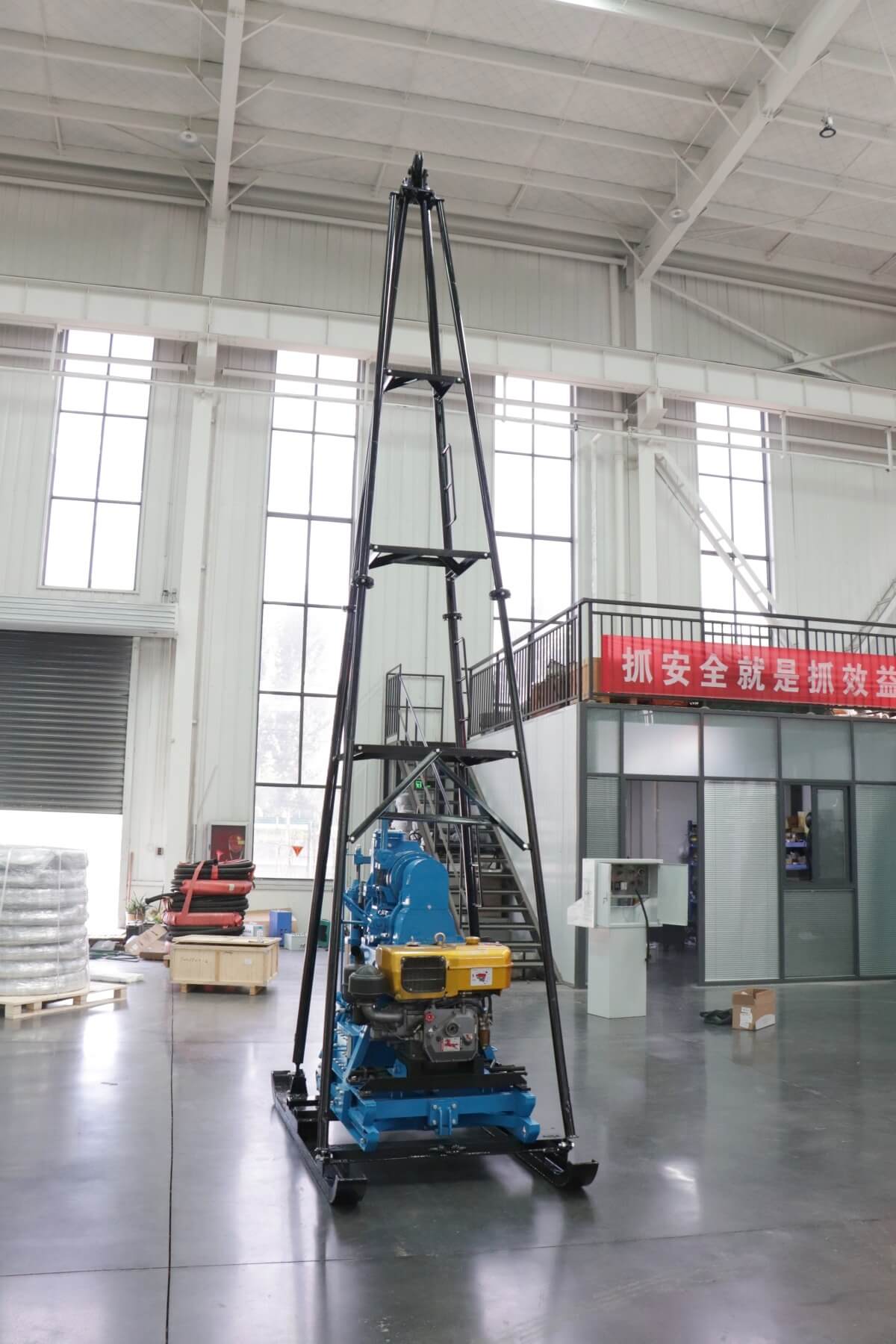
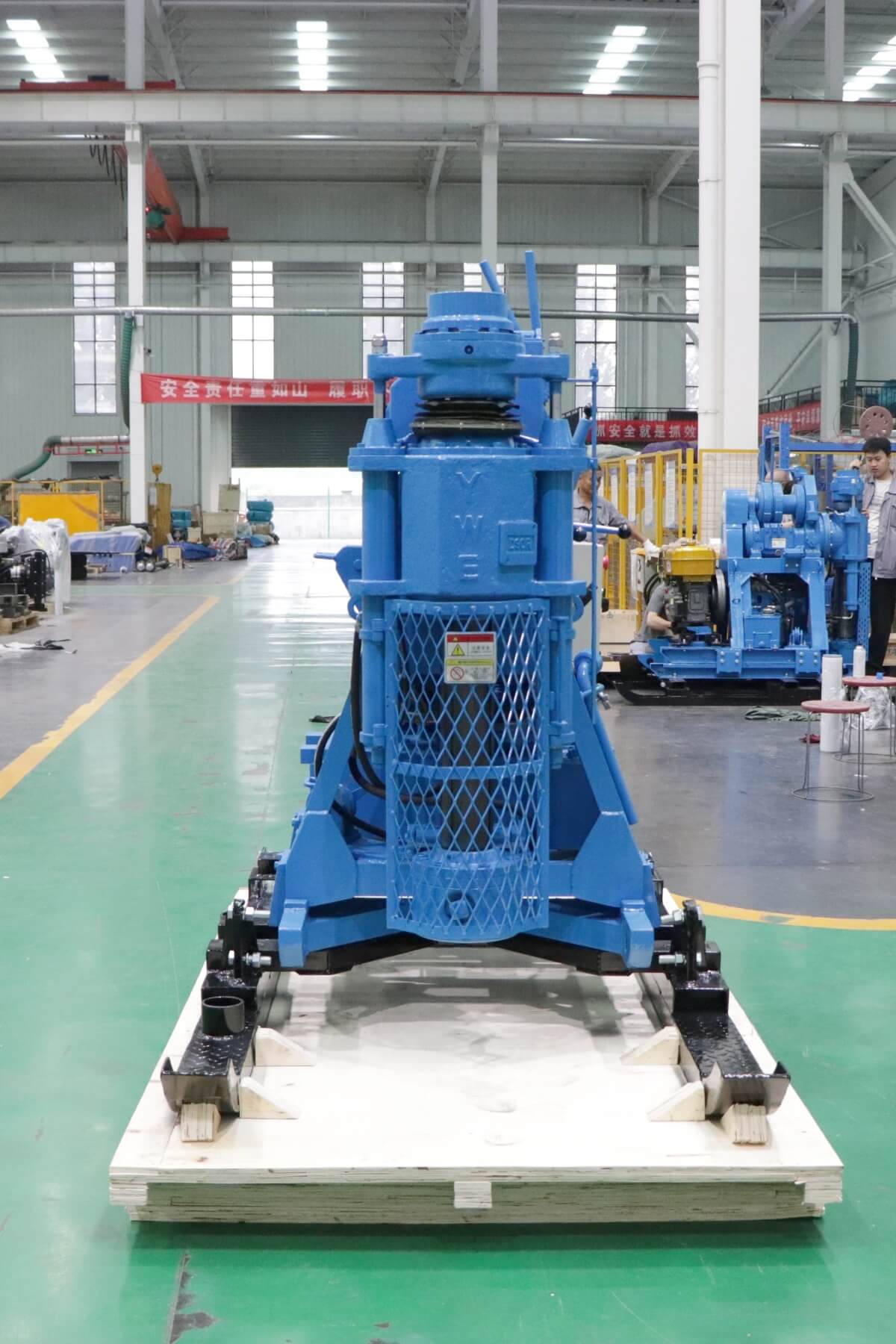
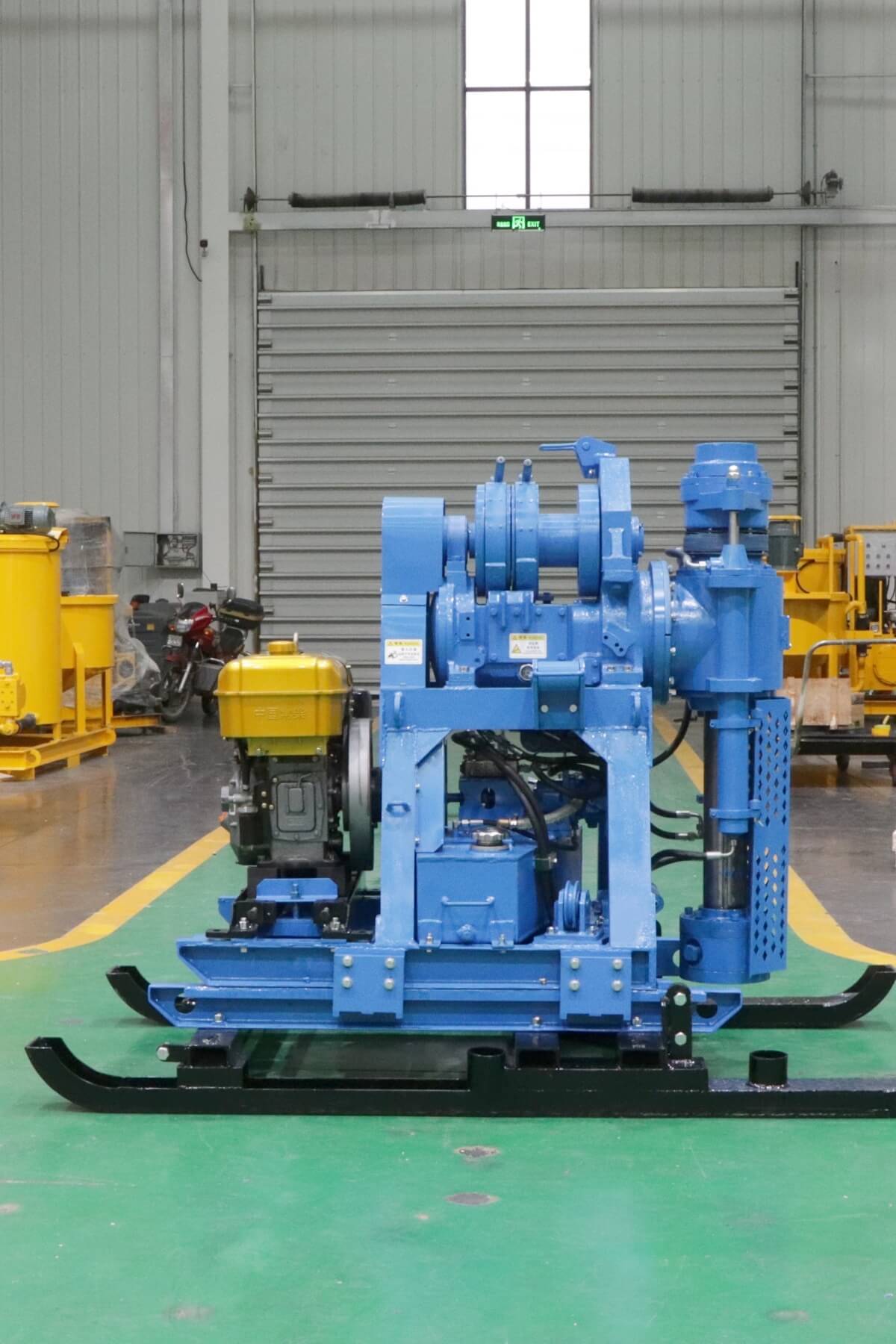
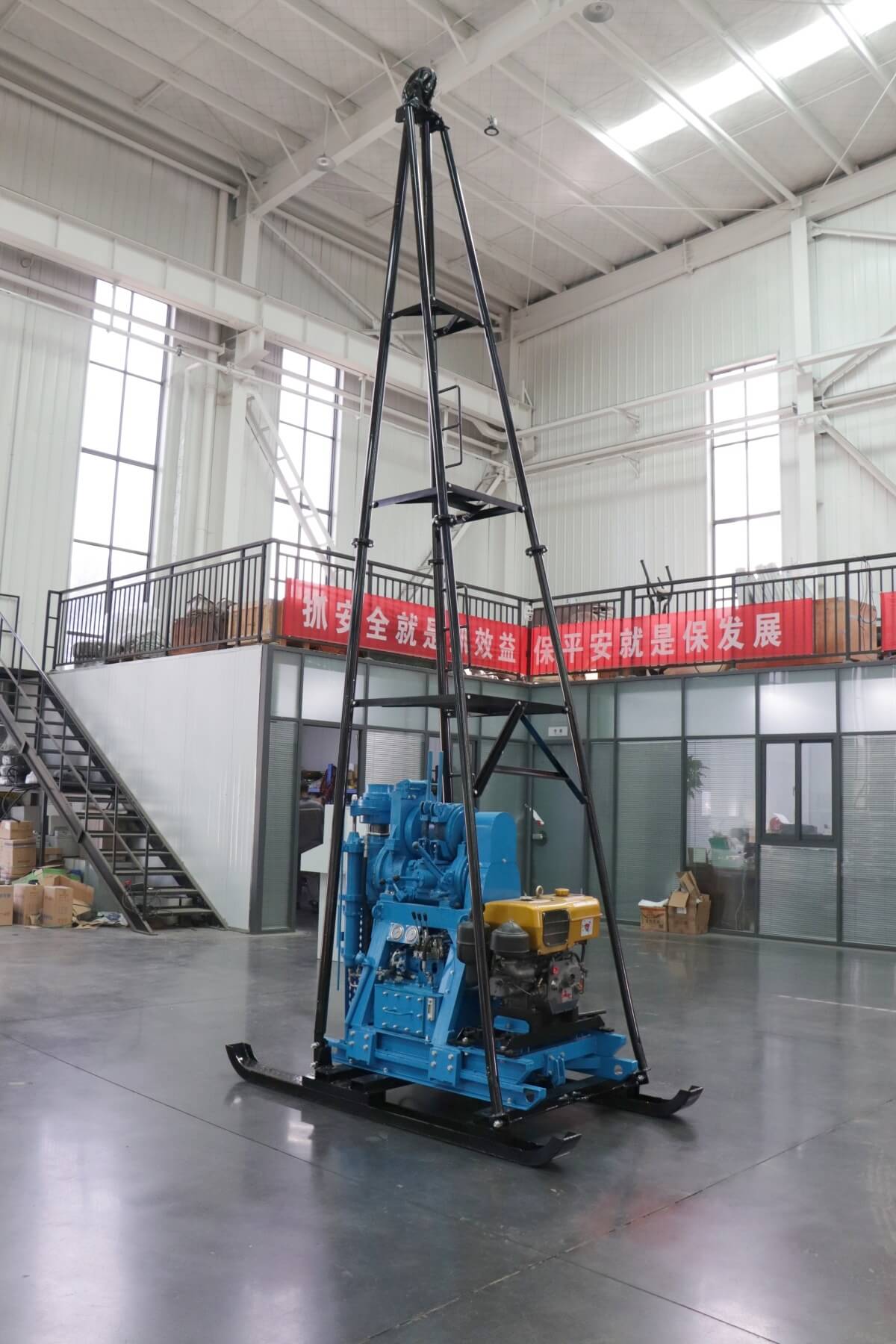
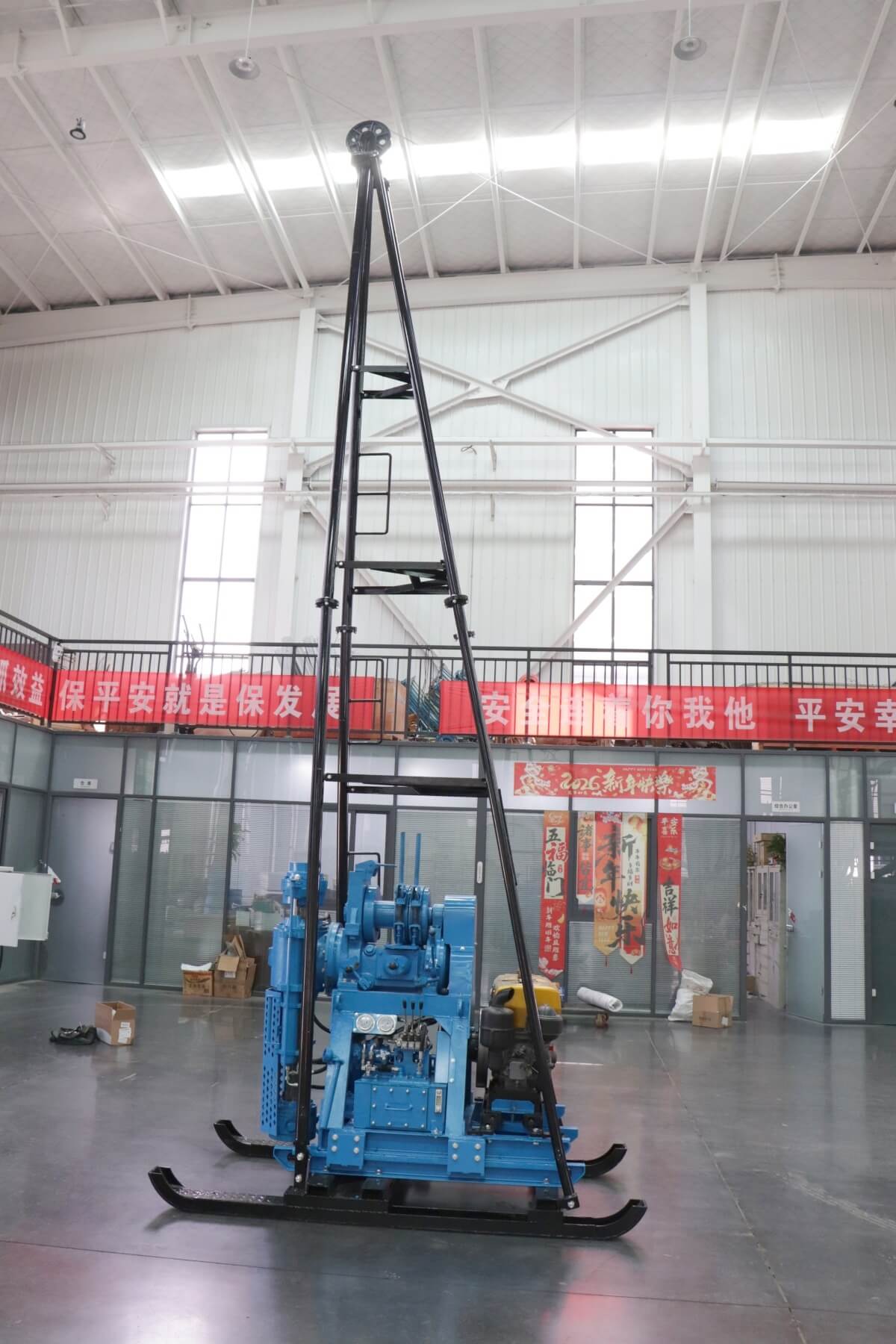
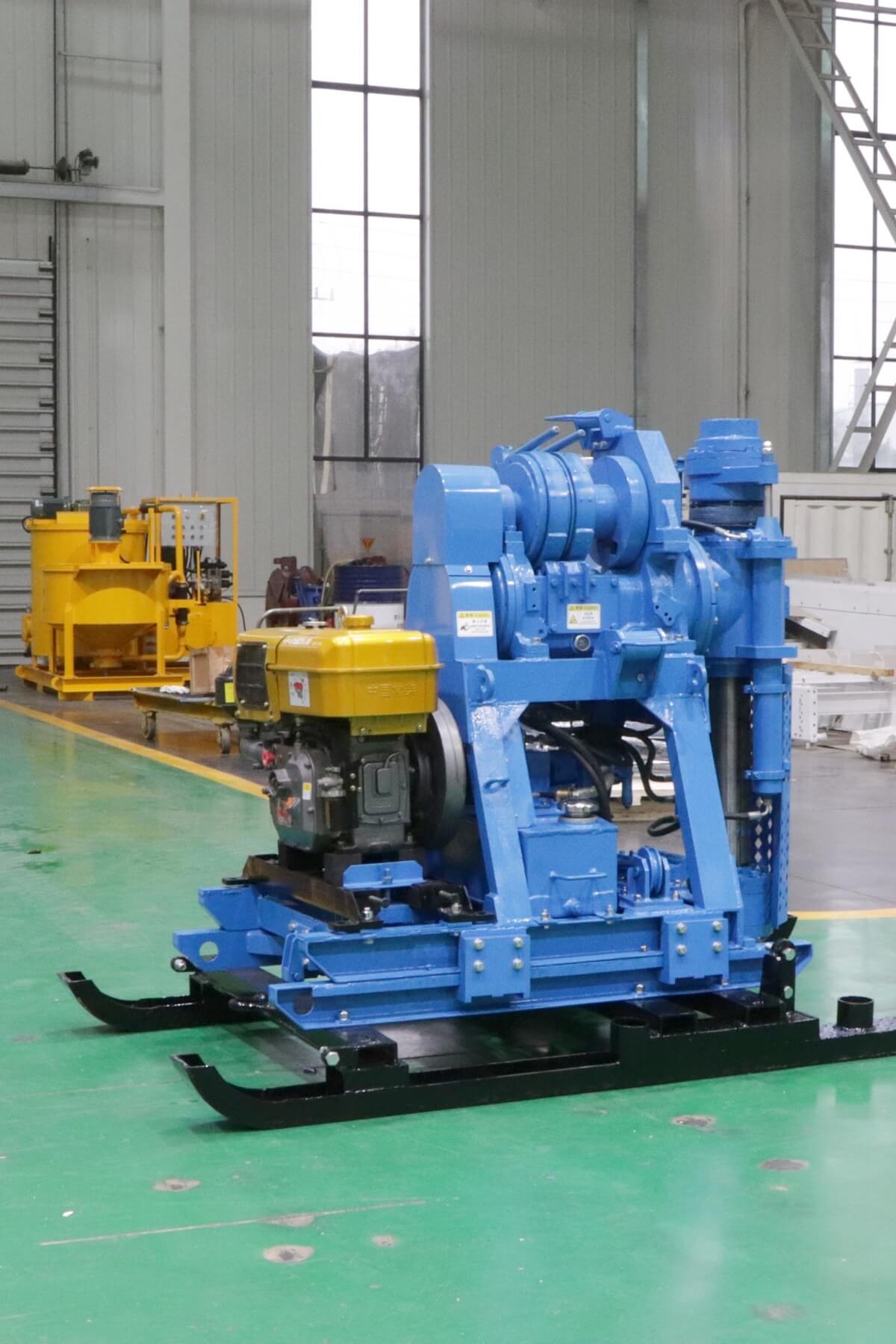
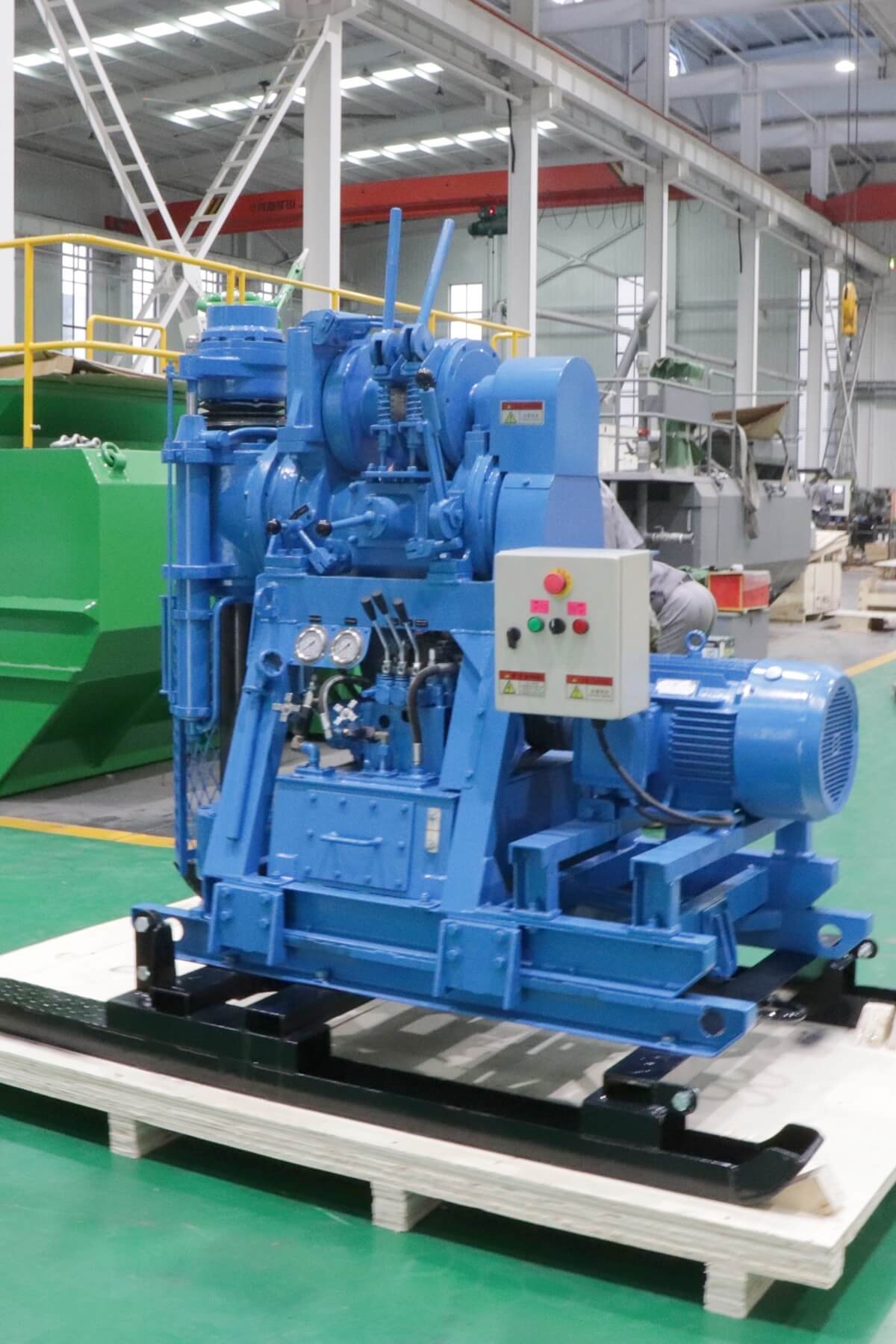
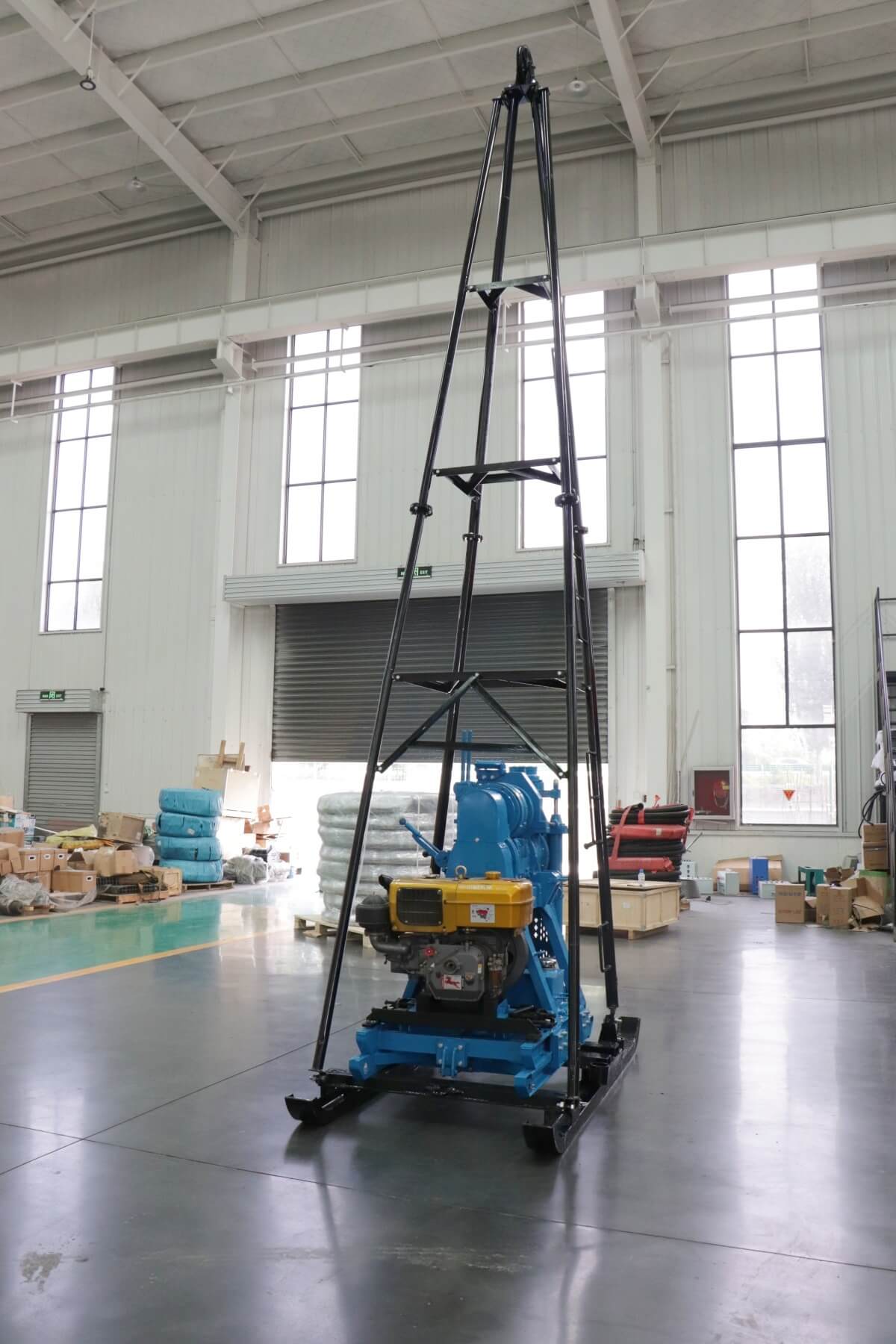
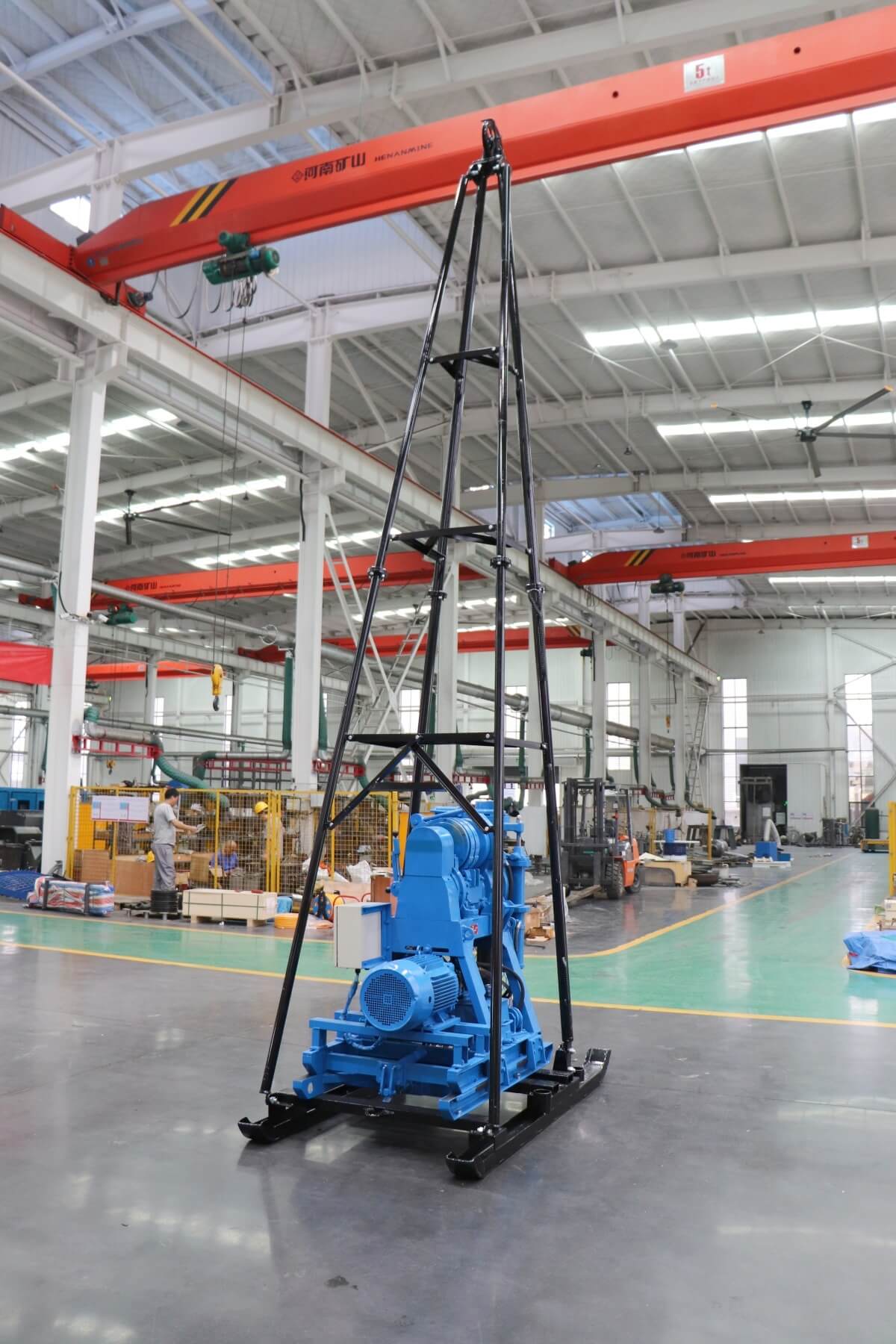
This is the check most often missed. Thin-walled undisturbed samplers are commonly 450 to 600 mm long, and our LE90R has a 500 mm feed stroke. A sampler at the short end of that range can be pushed in one continuous pass. A sampler at the long end cannot, and the push has to be interrupted, the string re-chucked in the manual three-jaw chuck, and the advance resumed.
The interruption is where the sample is lost. Soil that has been pushed part way and then left standing in the tube shears at the stop, and the laboratory receives a specimen with a plane of disturbance through the middle of it. On a soil sampling core drill rig, stroke length and sampler length are a matched pair, and the enquiry should state the sampler.
Push, do not rotate
Pushing a thin-walled tube requires feed without rotation. On this machine the hydraulic supply comes from an engine-driven variable-volume vane pump, so the feed cylinders work independently of the spindle transmission. The spindle can stand still while the head advances, which is exactly the condition undisturbed sampling needs.
Rotation is for advancing casing or coring rock. Used on a soil sampler it destroys the structure the sample exists to preserve, and no amount of careful extrusion afterwards recovers it.
A clean base and a clean annulus
The sample has to come from ground that has not been disturbed by the drilling above it. Two failures are common. Debris collects at the bottom of the hole between runs, so the first 100 to 200 mm of any push is material that has already fallen, been reworked or dried. And in granular soil, water used for flushing washes the fines out of the zone about to be sampled, changing the grading before the tube arrives.
Casing the hole solves the second problem and is the reason a soil sampling core drill rig is normally worked inside casing rather than in an open hole. The first problem is a cleaning routine: measure the depth before and after cleaning, and only then advance.
Recovery is the wrong measure here
In rock coring, recovery percentages carry real information. In soil they mislead. A sample can be recovered in full and be useless, because the criterion is disturbance rather than volume.
Record instead what was used and how it was advanced: sampler type and dimensions, whether it was pushed or driven, the length pushed, the depth interval, and the condition of the sample on extrusion. Those entries let a laboratory decide what tests the specimen supports, and they let a reviewer see why a sample was rejected.
After the tube leaves the hole
Nothing the rig does matters if the sample is mishandled at the surface. Extrude slowly and in the same direction as the push. Seal both ends, label with depth and orientation, and keep the tube upright and free of vibration during transport. A sample that has been carried on the floor of a pickup for two hours has been tested by the road.
This is usually where a soil sampling programme loses its best specimens, and it costs almost nothing to prevent.
Where a coring rig is the wrong tool
Four situations. A programme that only requires SPT values needs a rig with a trip hammer, not core barrels. Shallow work in soft clay is faster by hand auger. Continuous stratigraphic profiling without samples is a cone penetration job. And gravel or fill, where no tube will retain a specimen, is a bulk sample problem.
The coring rig earns its place where undisturbed specimens are specified and the hole has to be cased to reach them.
What to send with an enquiry
The sampling standard you work to and the sampler type and dimensions, especially its length; the depth range and soil types; groundwater level; hole diameter and whether casing is required; the laboratory tests the samples must support; and site access. With the sampler length stated, the stroke question answers itself. Write to sales1@leadcrete.com.