Skid Mounted Soil Sampling Rig
The keyword names a mounting rather than a capability. A skid mounted soil sampling rig carries the same head, hoist and mast as a trailer or track version of the same machine, and the difference between them is entirely about how the rig reaches the hole and how it stays put once it is there. That difference decides more on a soil sampling programme than the drilling specification usually does, because sampling work is short holes in awkward places, and the awkwardness is nearly always about access.
Four ways to mount the same head
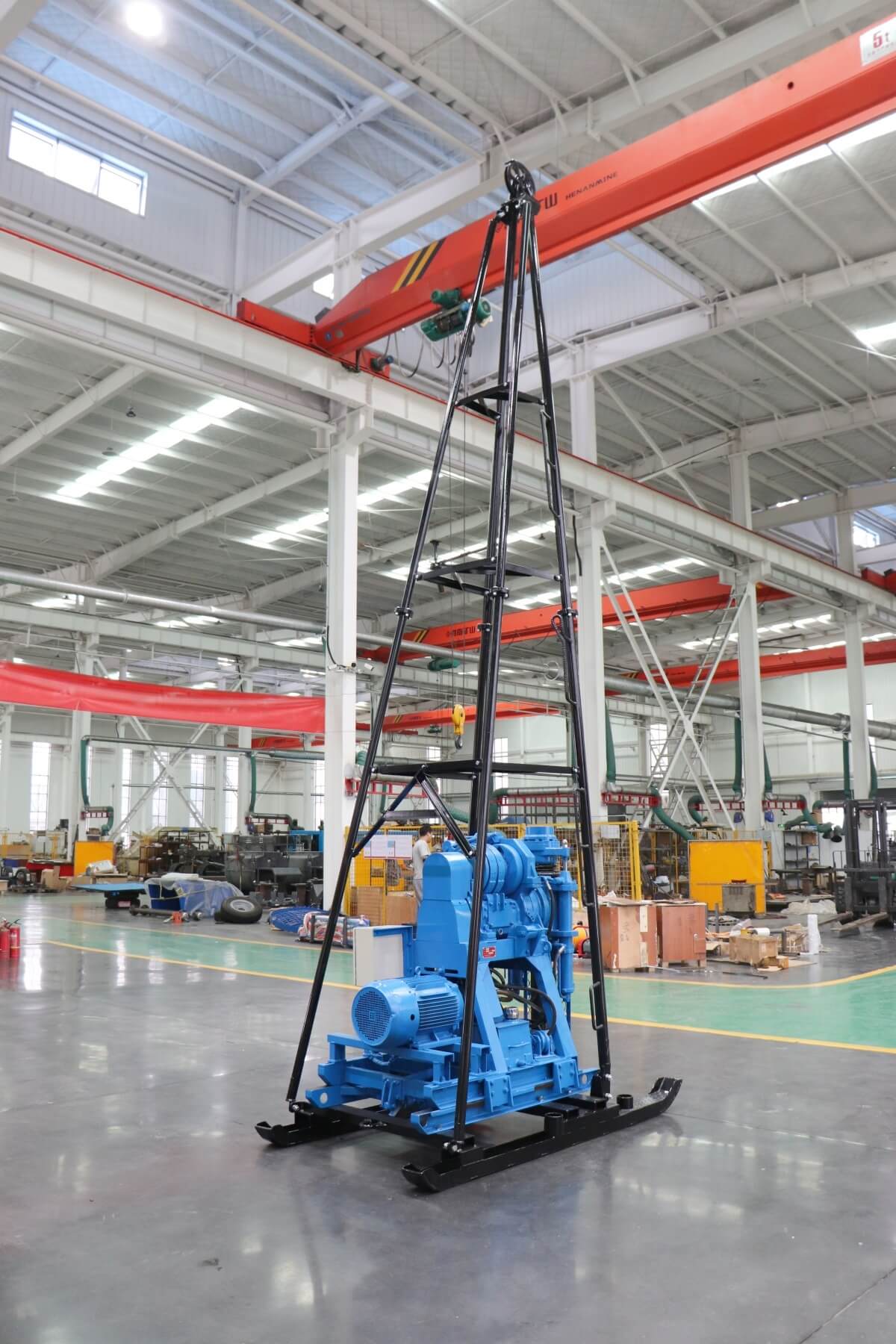
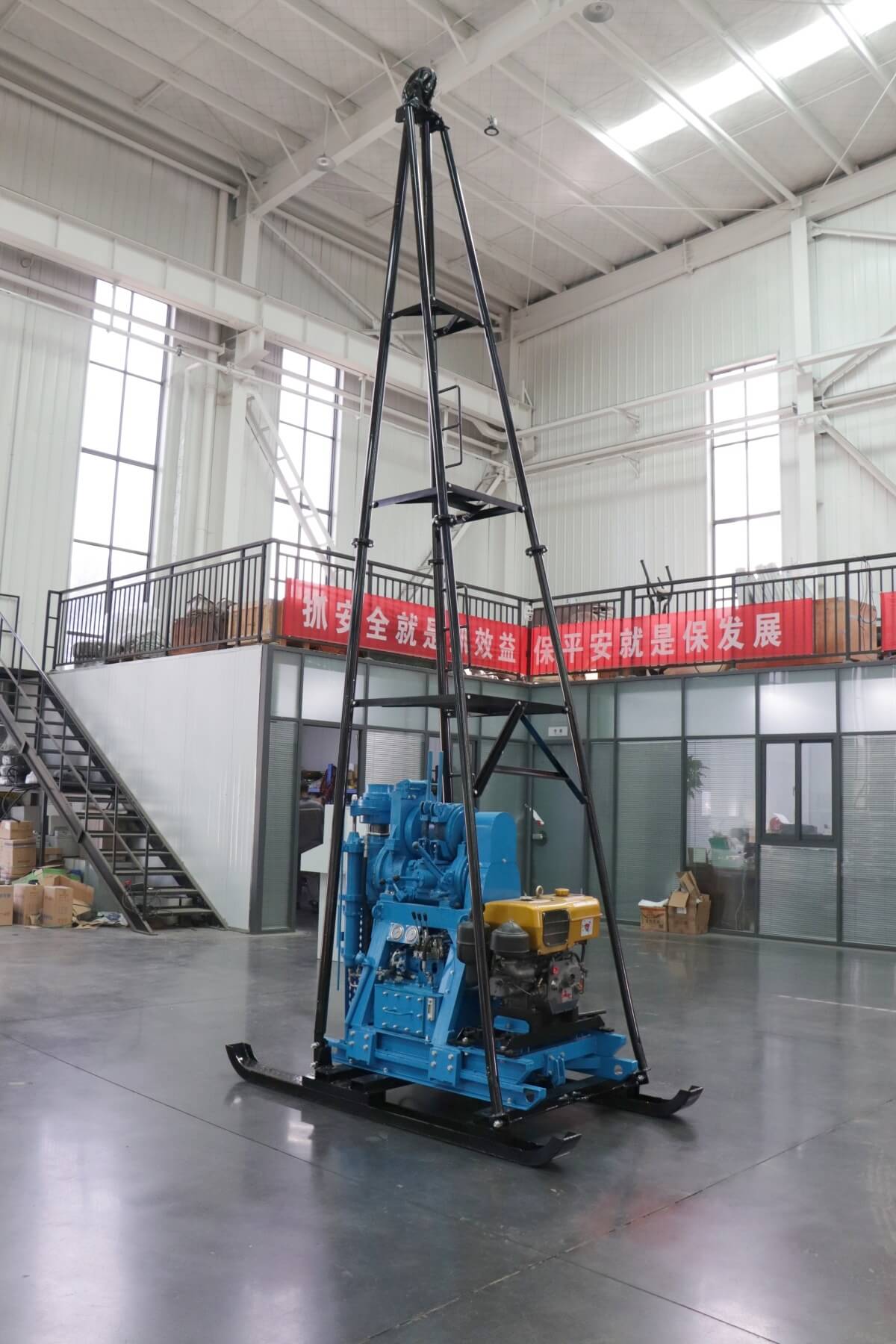
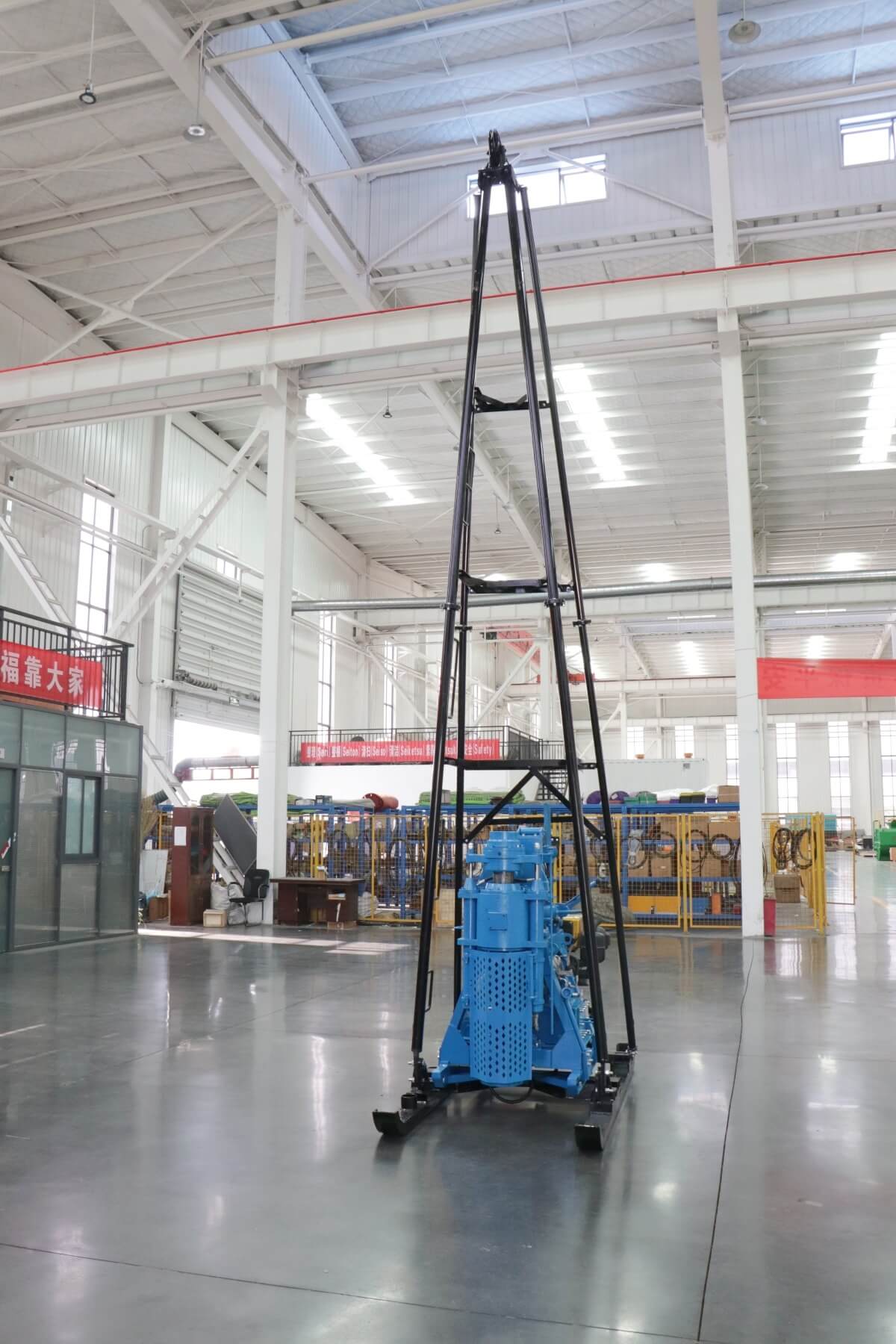
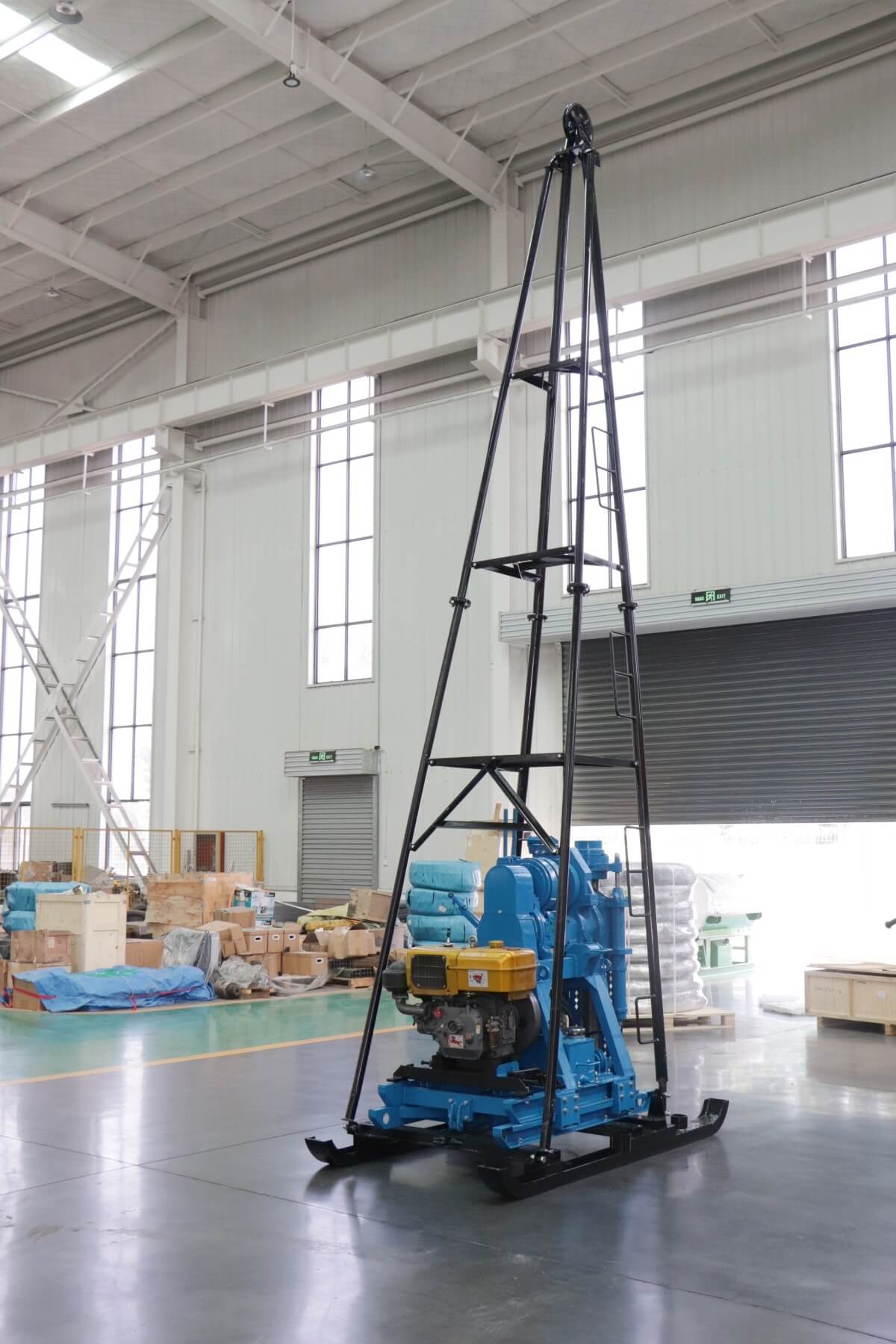
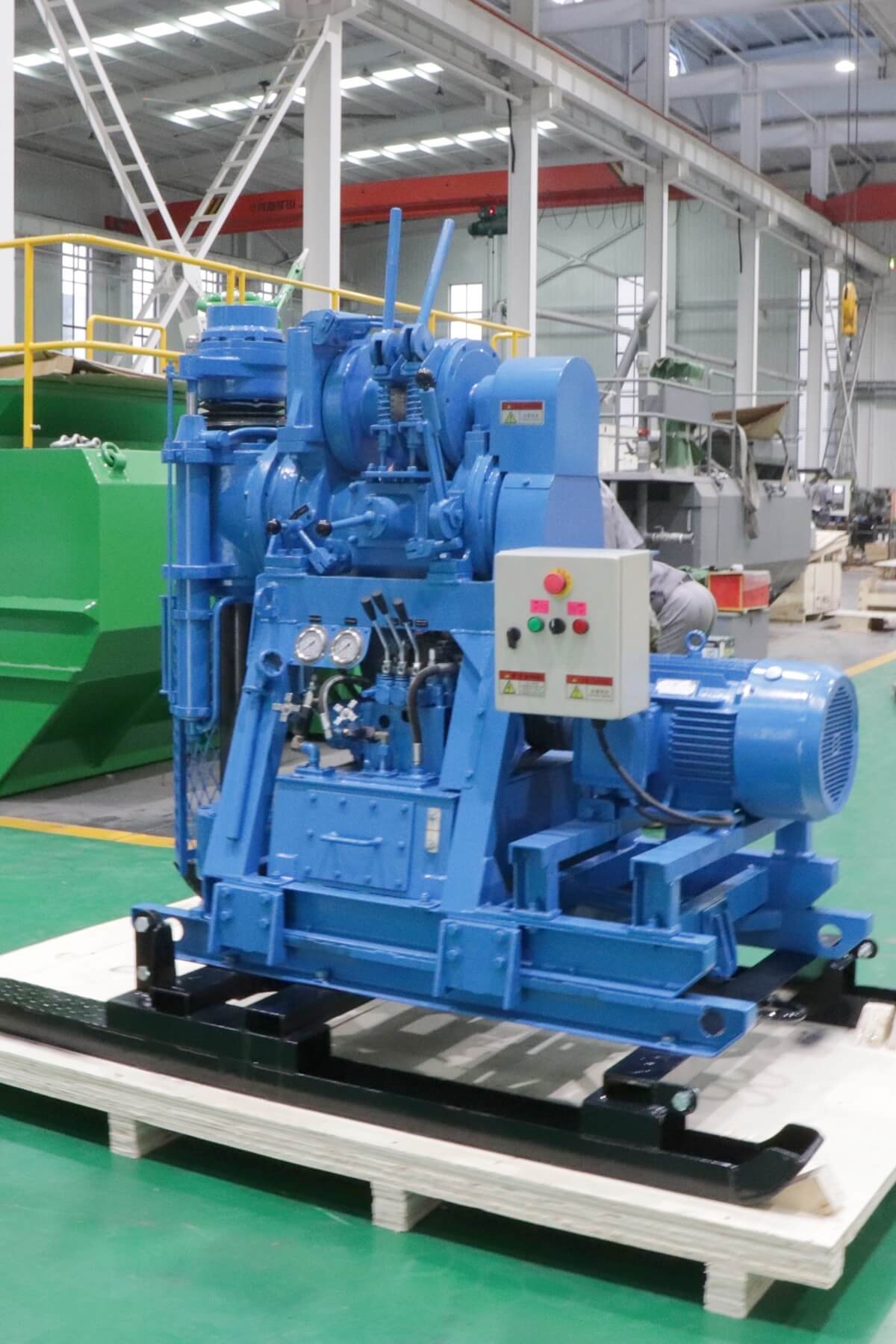
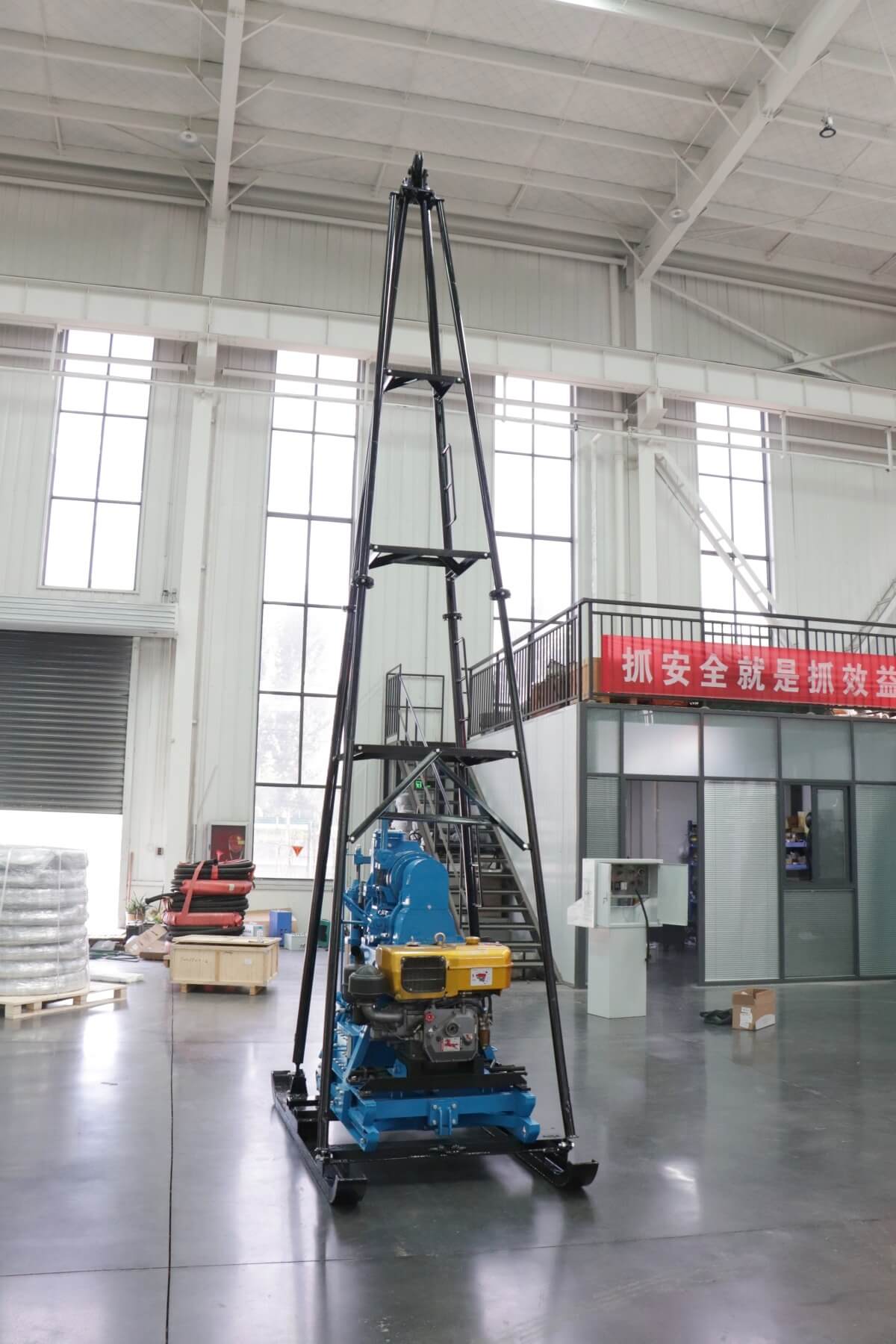
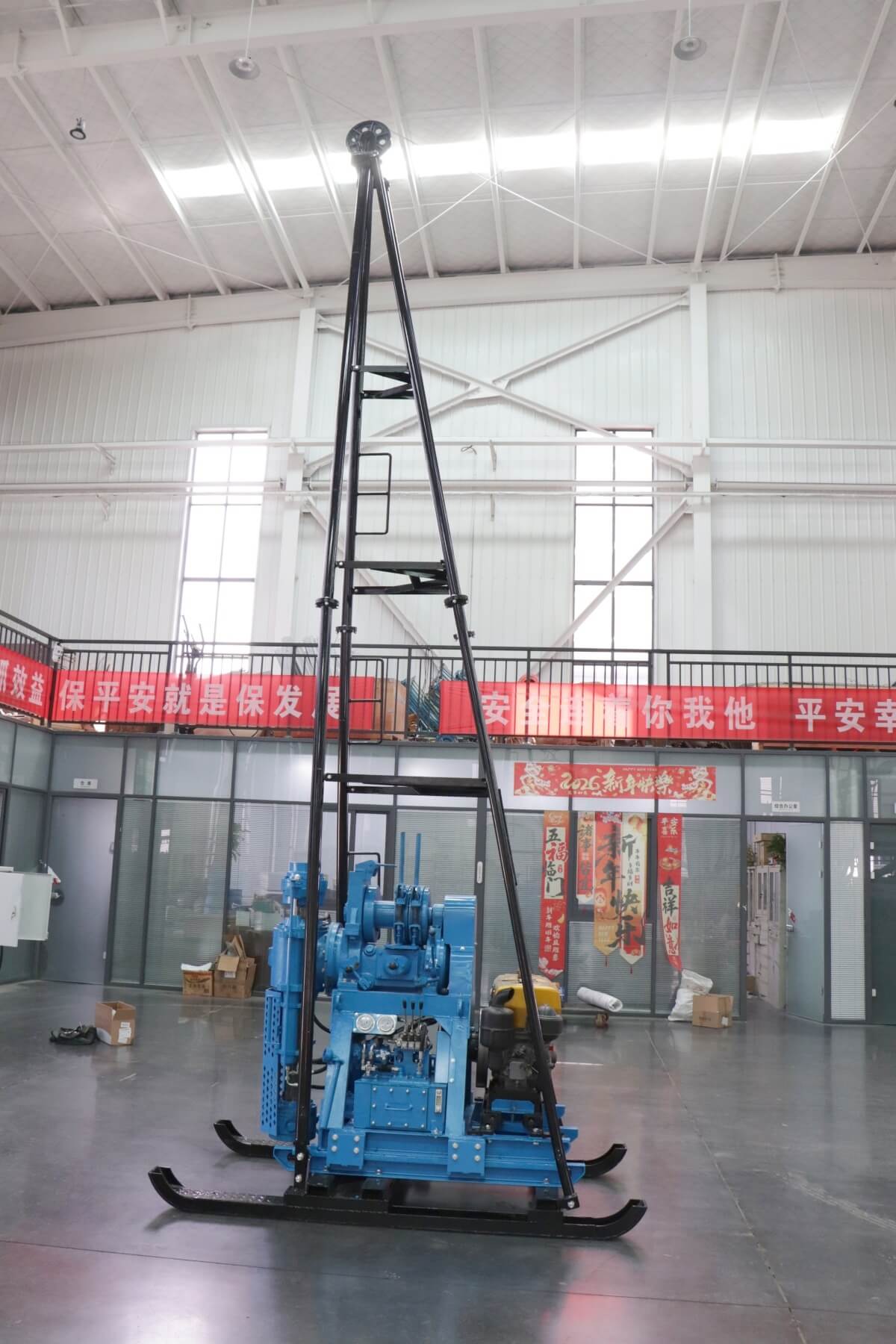
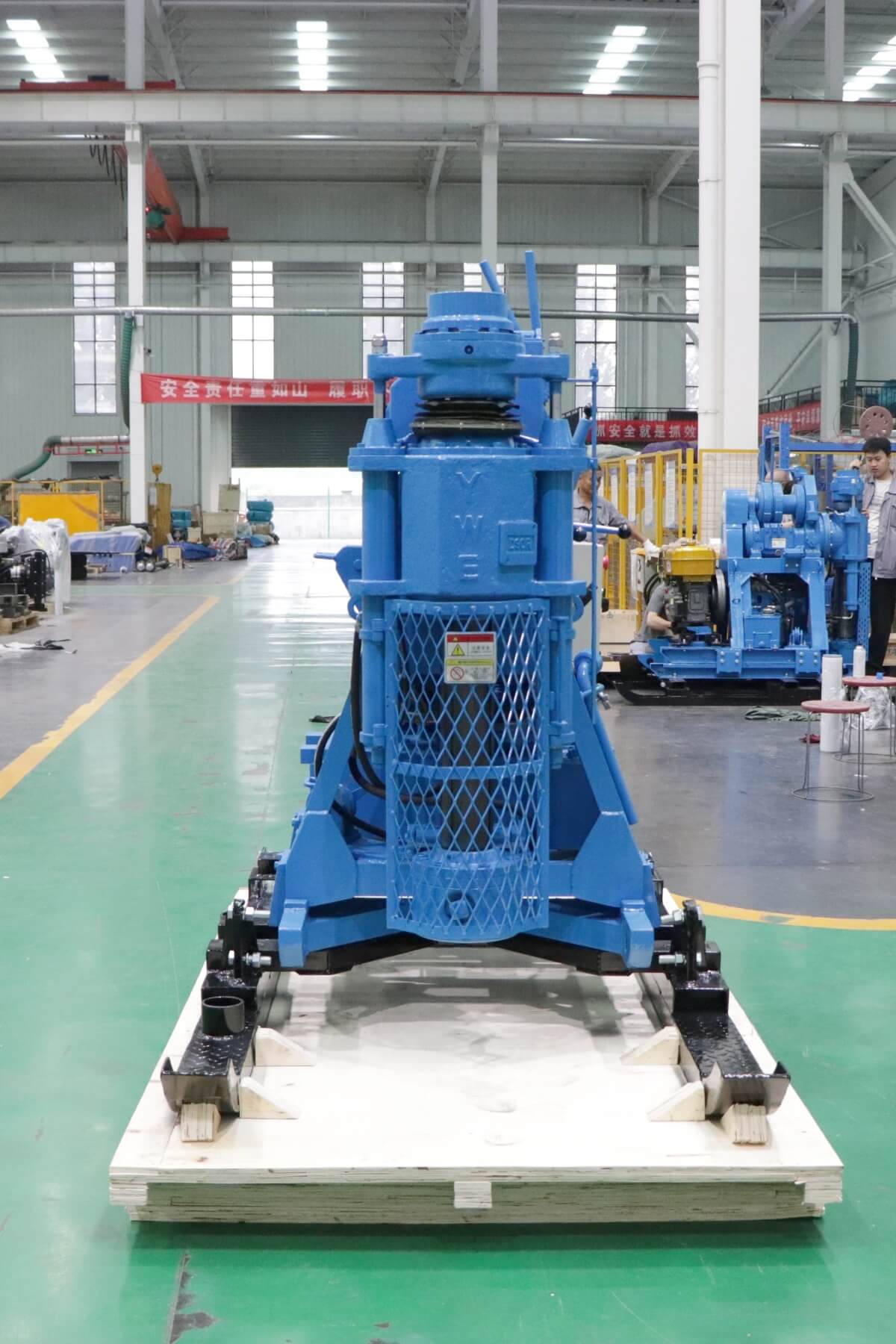
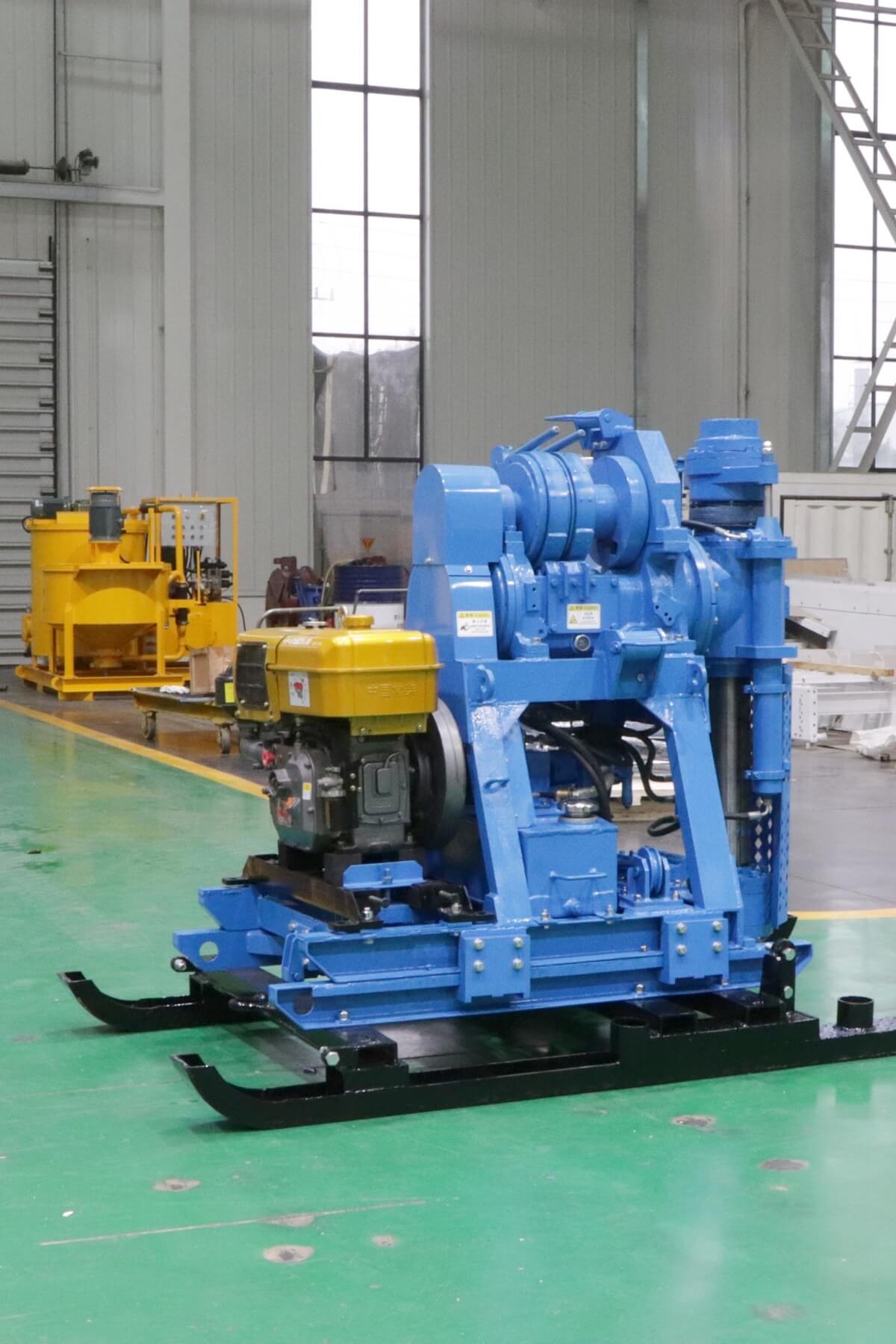
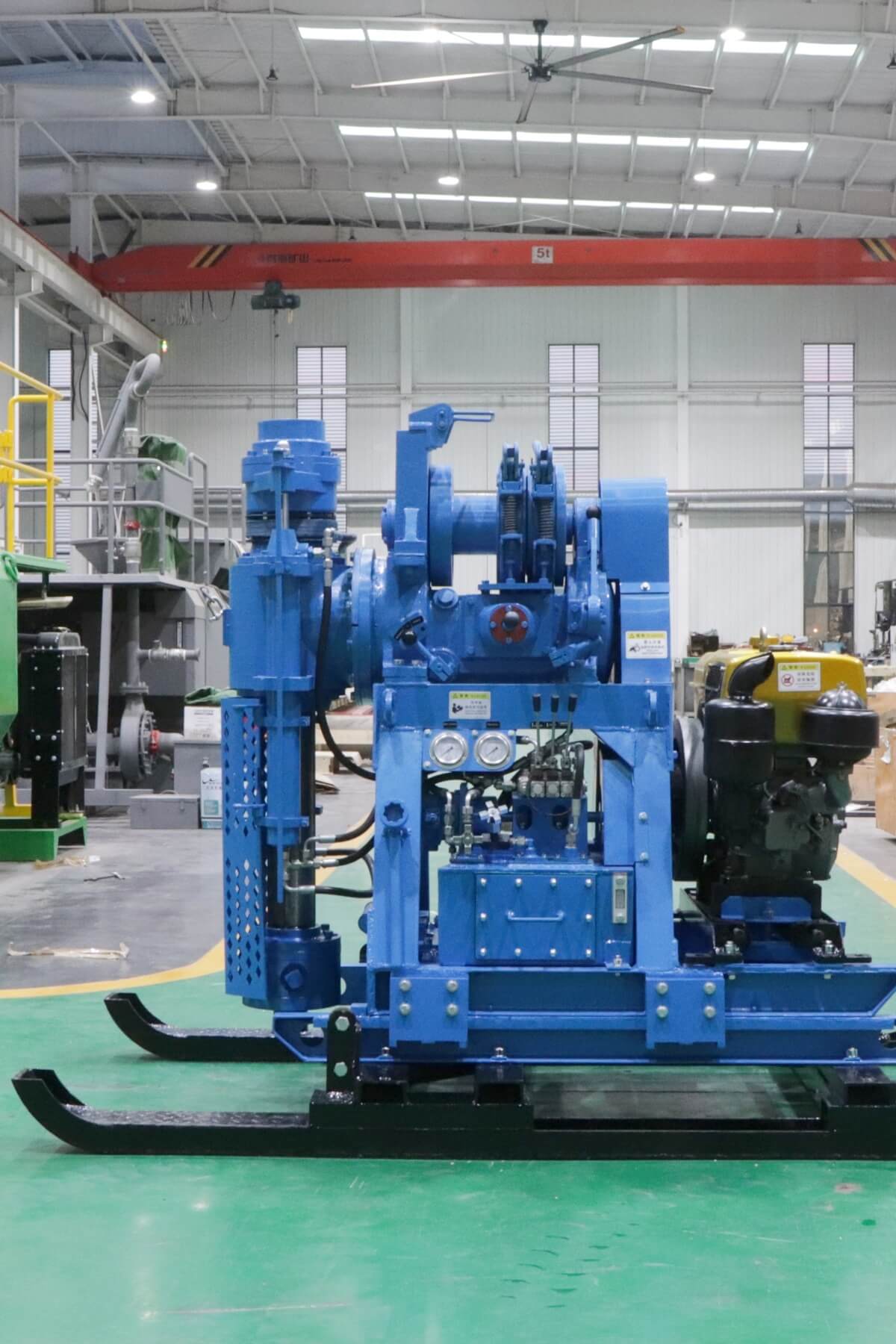
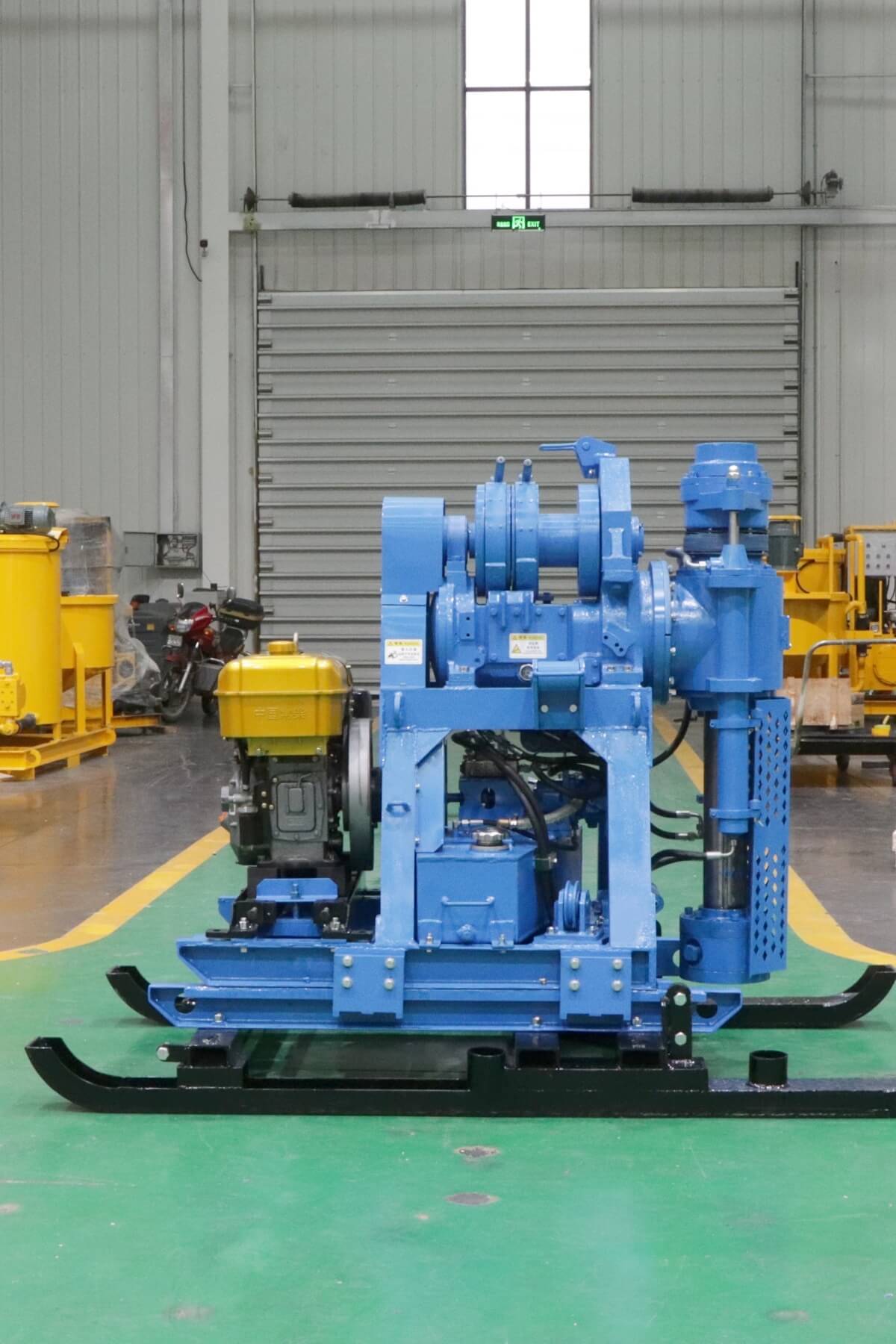
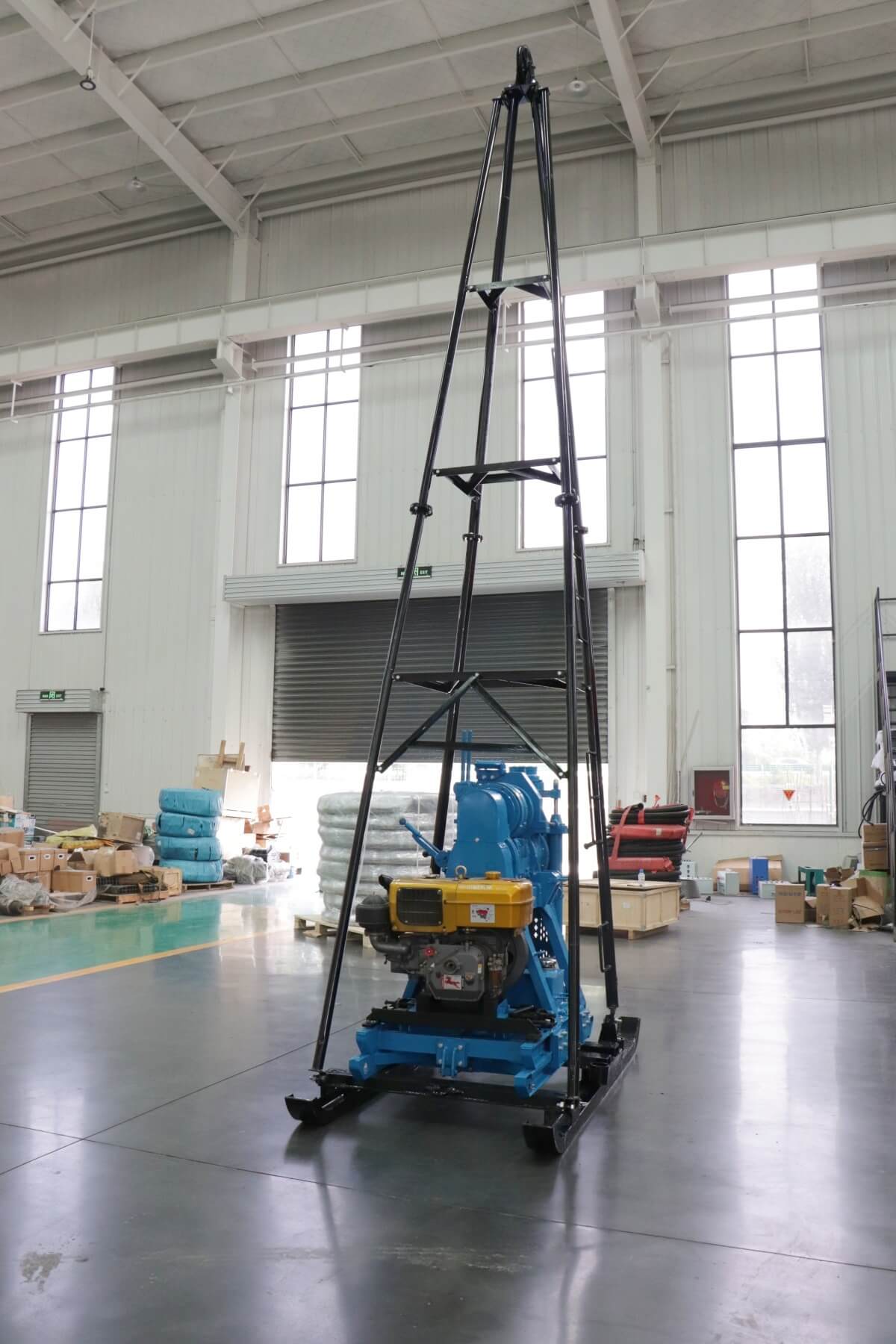
A skid is the simplest. It is a steel frame that sits on the ground, travels on something else, and relies on its own mass plus anchorage to resist the pull of the hoist. Low transport height, no running gear to maintain, and it fits inside a container.
A trailer adds wheels. It can be towed behind a pickup and is faster between sites on made roads, at the cost of being worse on soft ground and occupying the tow vehicle for the whole job.
A track carrier adds self-propulsion. It goes where a vehicle cannot, which is worth a great deal on soft or uneven ground, and it needs a low loader to move any distance at all.
A truck mounting is the fastest option between distant holes and the worst option inside a tight site, where the vehicle itself becomes the access problem.
Why soil sampling suits a skid
Three properties point the same way. Holes are shallow, so the rig need not be heavy for stability under long casing. Positions are usually close together, so self-propulsion adds little. And the positions are frequently behind a gate, across a lawn or beside a wall, where a narrow footprint matters more than a wheelbase.
1,140 mm of width and 2,186 mm of length is what has to stand inside the working area. That footprint, rather than the transport envelope, is what decides whether the rig can work at a particular collar.
What the skid costs
Four costs, all of them real, and on a skid mounted soil sampling rig they are counted at every position. The rig needs a vehicle at every move, whether that is a pickup with a crane, a small flatbed or a forklift on an industrial site. It needs level ground, because a frame without suspension or outriggers transfers every tilt into the mast. It needs an anchor when the hoist is working hard. And it needs to be lifted on and off, which means lifting points and a known centre of gravity.
That last item is worth raising at the quotation stage. Ask where the lifting points are, what the centre of gravity height is, and whether forklift access is provided. A 1,300 kg skid with no lifting points is moved with bars and patience.
The reaction nobody plans for
Pulling casing with a 1,500 kg hoist puts an overturning moment into whatever is holding the rig. On a skid, the resistance comes from the machine’s own mass and from the ground anchors, and the failure mode is the frame lifting or sliding. On a trailer, the same pull loads the hitch and the jockey wheel, and the failure mode is the trailer tipping forward.
Neither is dangerous if planned, and both are dangerous if the crew assumes a heavy pull behaves the same on any chassis. On a soil sampling programme the pulls are usually small, which is precisely why a skid is adequate here and would be marginal on a deep cased investigation.
Height is the constraint people forget
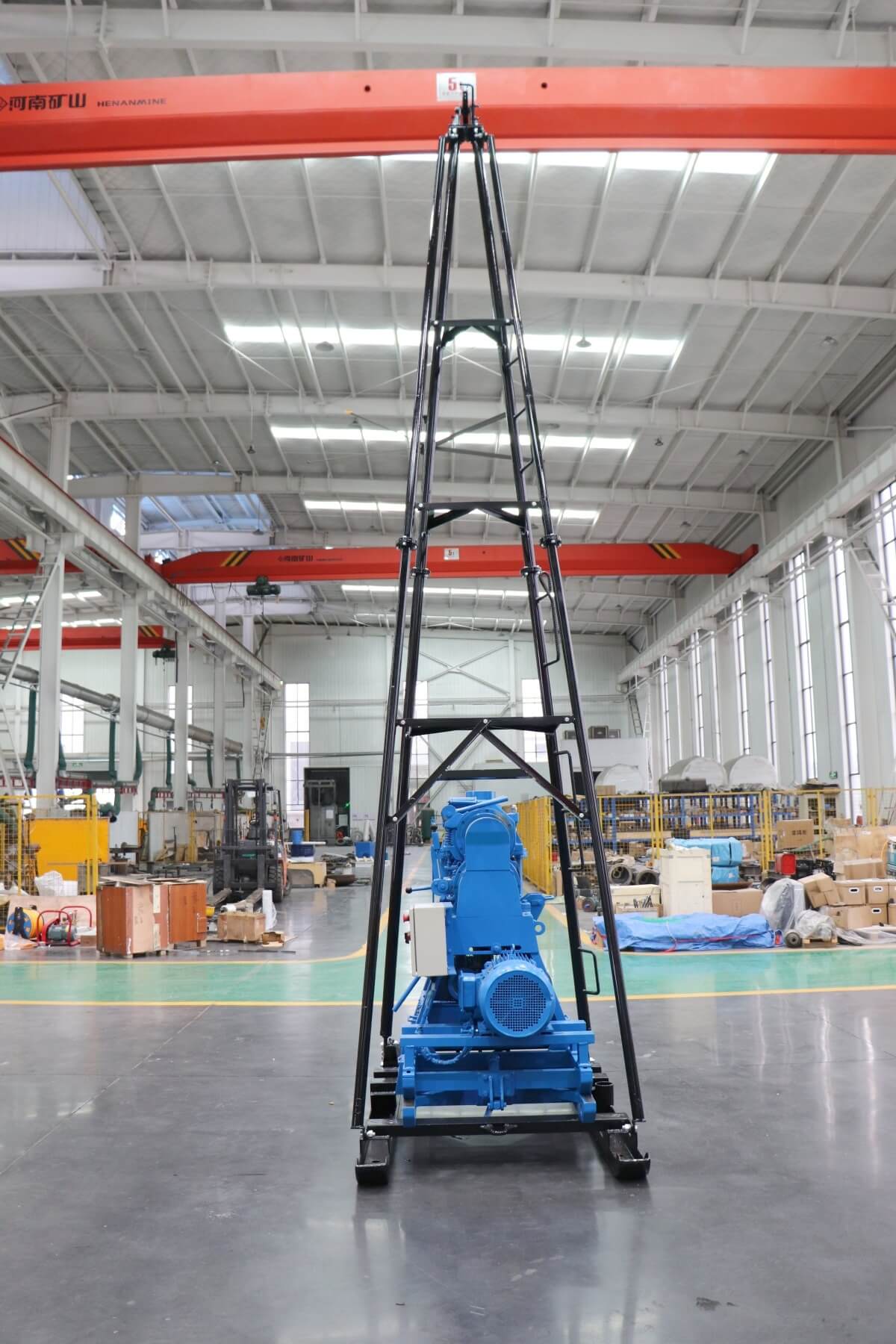
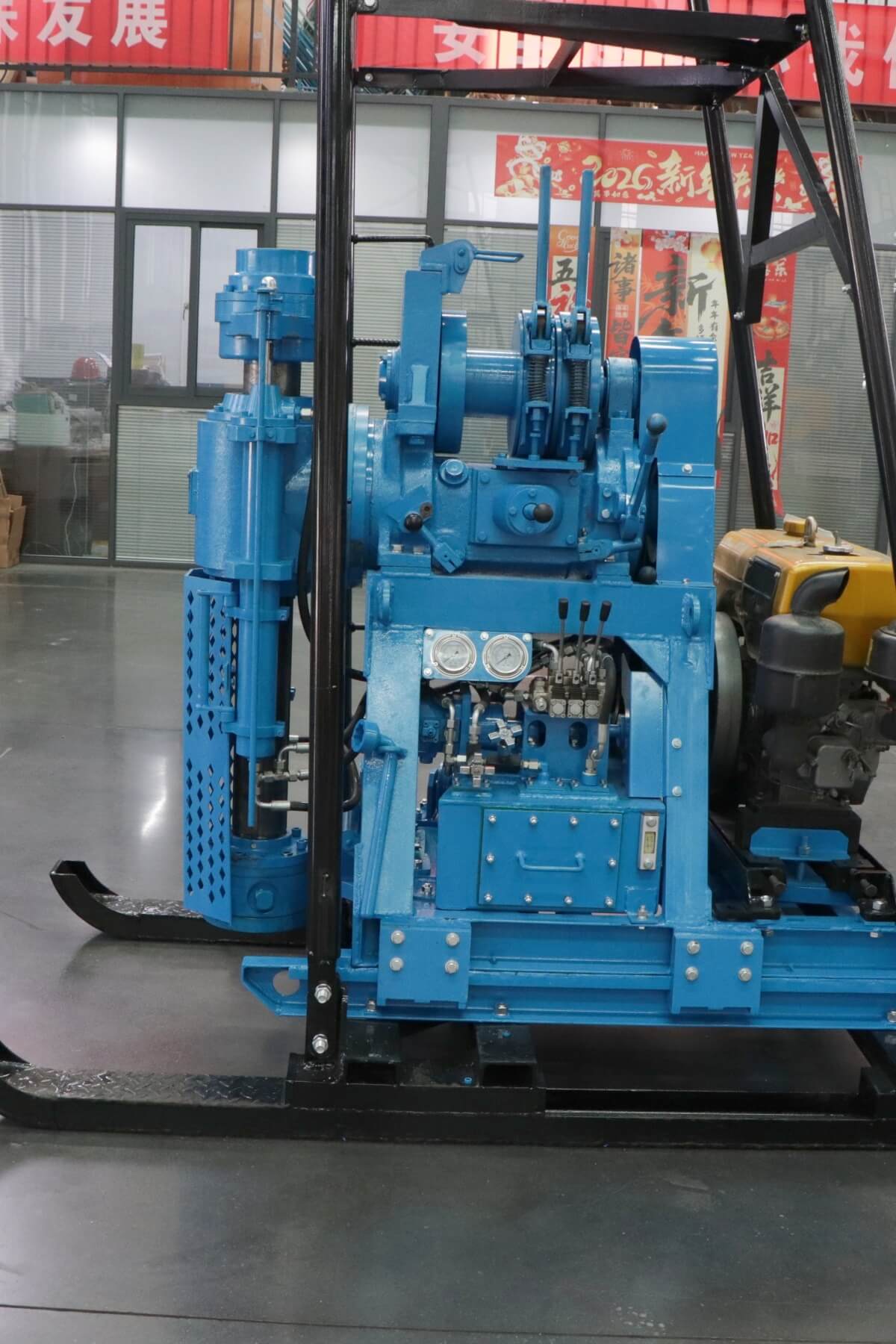
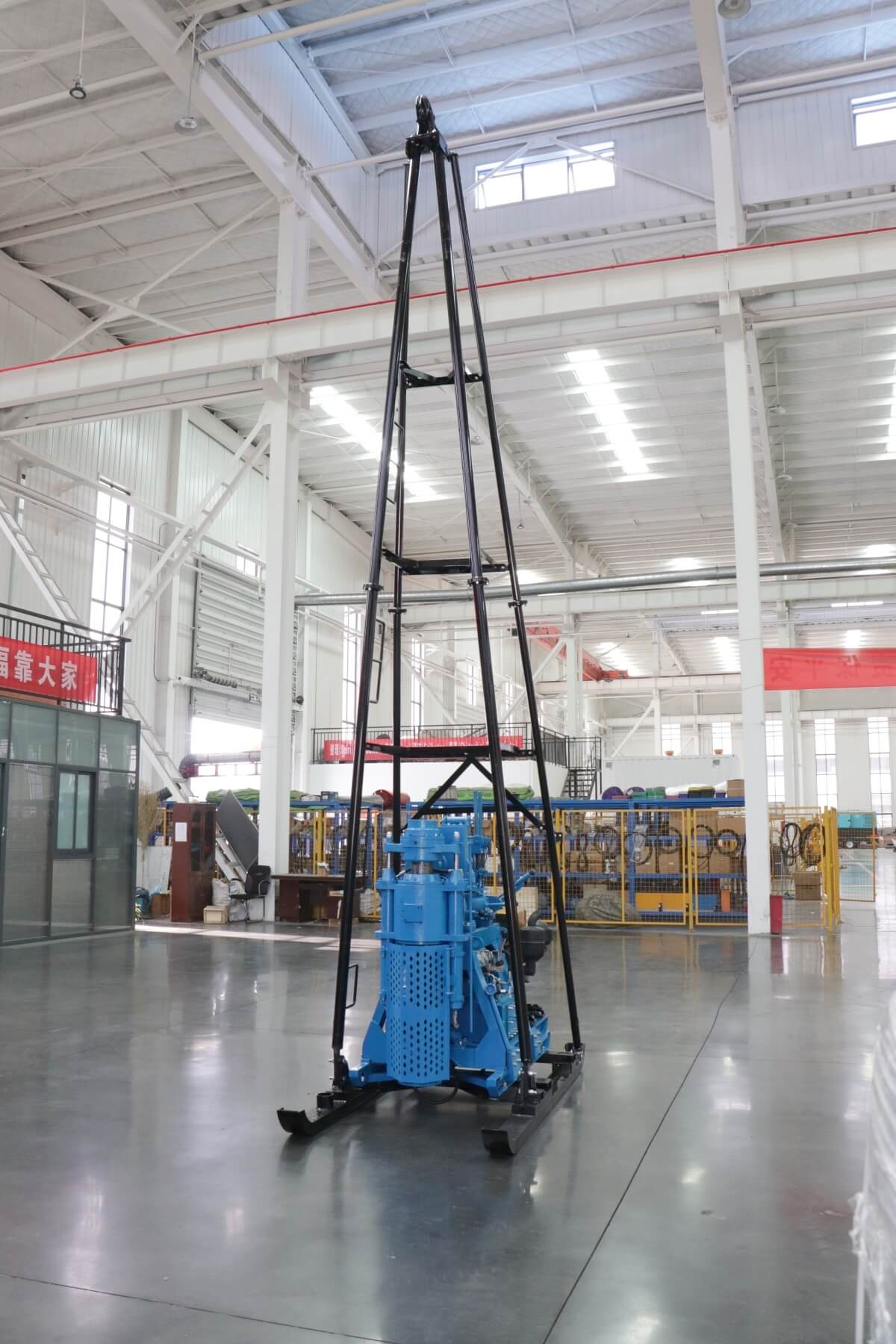
The mast stands 5.75 m from ground to the crown sheave and weighs 170 kg as a separate assembly. On an open site that is simply a number in the brochure.
Beside a building, under a canopy, inside a yard with a low boundary wall and overhead cables, it becomes the deciding figure. A skid mounted soil sampling rig is often chosen for exactly these positions, and the same positions are where the mast height has to be checked before the machine is booked.
Getting it into a container
The skid format exists partly because it ships well. Fold the mast down, and the remaining package is a low, compact frame that loads into a container or onto a flatbed without special handling. That is a real advantage for a contractor who moves between countries or between regions, and it is the reason the format survives against self-propelled alternatives.
Confirm packed dimensions and mass of a skid mounted soil sampling rig with the factory before booking freight, and treat the mast as a separate item.
When a skid is the wrong mount
Long road distances between jobs make a trailer or truck version cheaper in time. Soft or steep ground needs tracks, because dragging a skid uphill is a winch job with its own risks. Footpath-only access needs a modular or carried rig. And repeat deep casing work wants more mass or outriggers, because the hoist’s pull has to go somewhere.
What to send with an enquiry
The distance and surface between holes, how the rig will be transported between sites, what lifting equipment is available, the width and headroom at each position, the depth and casing required, and the sampling method. Send these to sales1@leadcrete.com.