Core Drilling Machine for Rock Sampling
A new coring programme rarely fails because the bit will not cut. It fails where the rock stops behaving: the interval that comes up as rubble, the hole that will not stay open, the tube that empties itself while it is being pulled. Judging a core drilling machine for rock sampling means judging it against those three failures, because each of them is governed by a different part of the machine, and only one of them can be fixed by changing technique.
Recovery is arithmetic before it is a claim
On any core drilling machine for rock sampling, recovery is measured per run rather than per hole. A three metre run that returns 1.8 m of core is 60 % recovery for that run, and the number belongs in the log beside the depth. A figure quoted for a machine tells you nothing about your site, since the same barrel returns almost everything in massive limestone and very little in sheared mudstone.
Record depth from, depth to, length drilled, length recovered and what came up. A laboratory cannot correct what was never written down.
Failure one: broken ground gives rubble
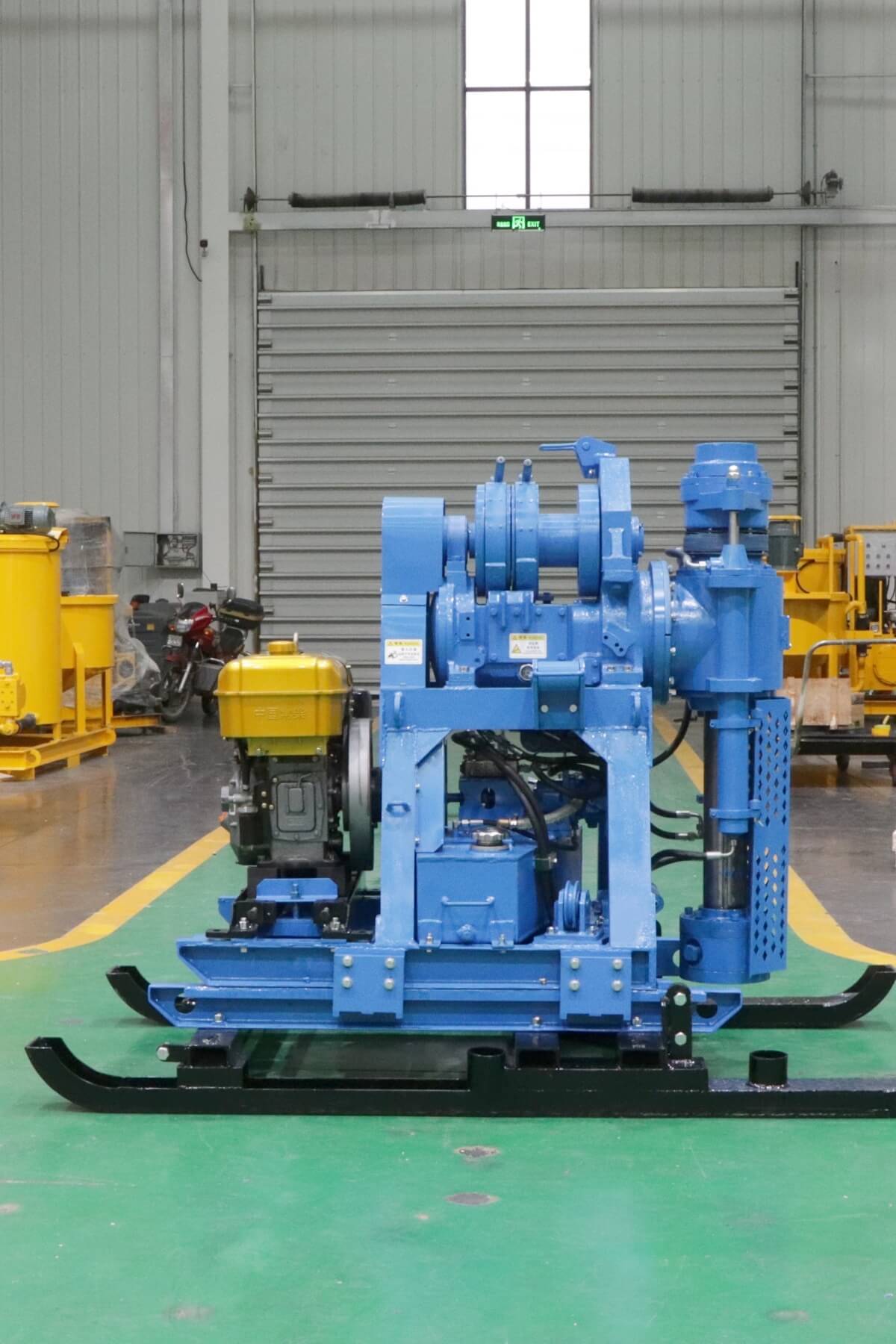
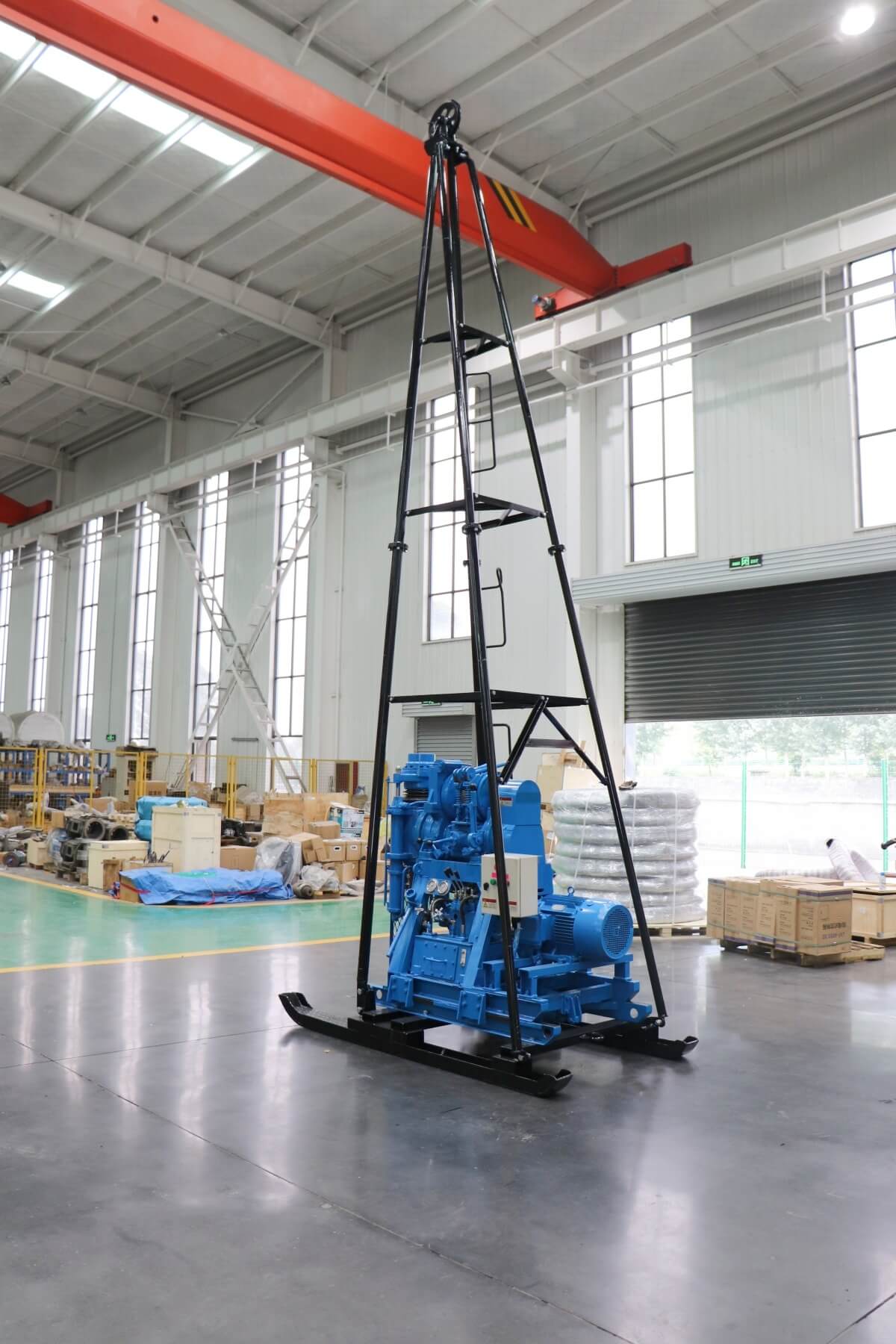
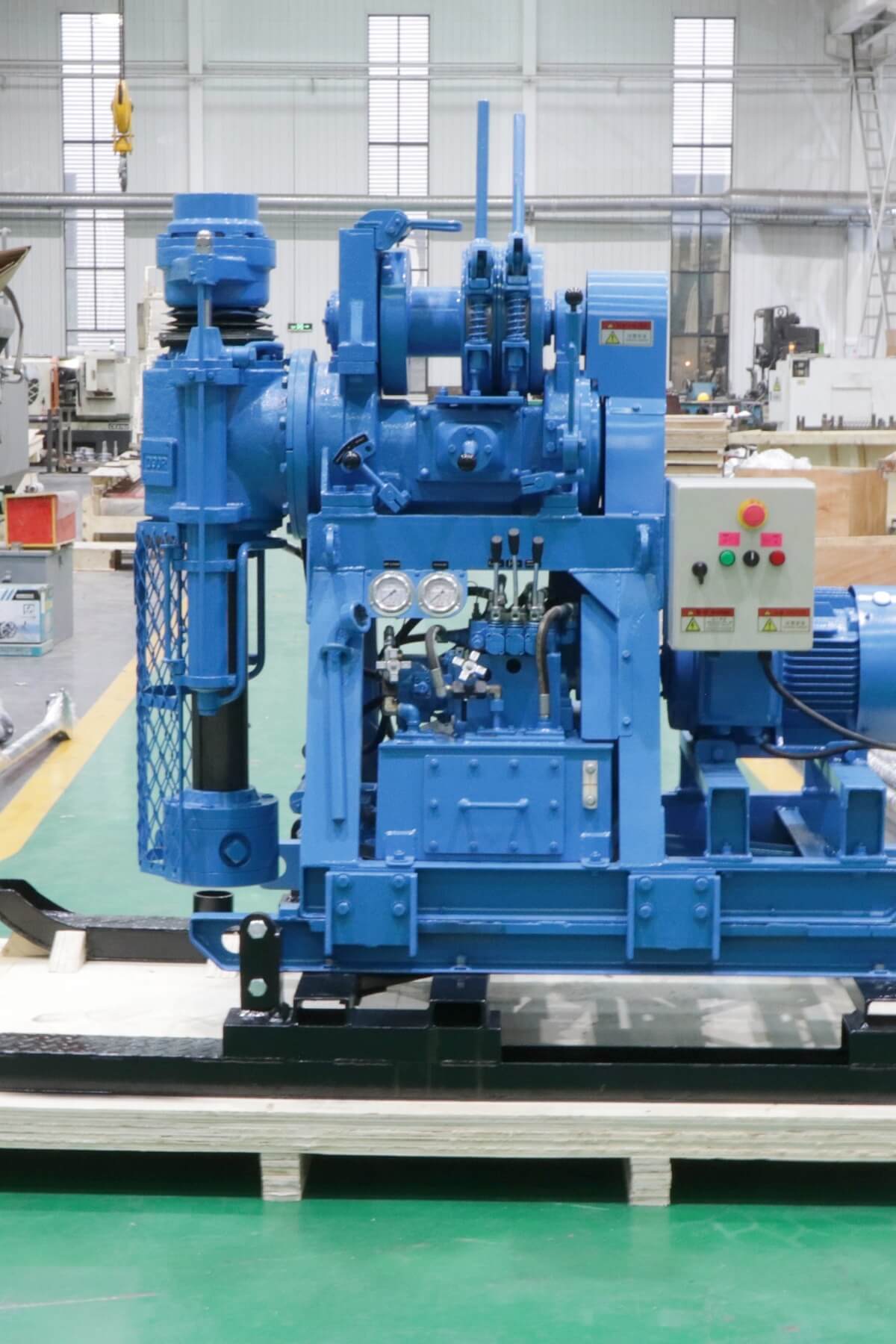
Fractured and weathered intervals break along existing defects, ahead of the bit and behind it. The machine’s contribution here is control rather than power: the low gear, somewhere near 91 rpm on this model, with a feed that can be feathered, and shorter runs so that less core is exposed to damage between chucks.
The 500 mm feed stroke turns this into a sampling decision: a shorter advance per pass means more re-chucks, and each one disturbs the core in the barrel. On broken ground the trade is fewer metres per hour for core still large enough to log.
Where the rock is already disaggregated, no technique recovers it. The honest response is to record the loss, describe the interval, and decide whether the zone needs casing, grouting, or a different sample type.
Failure two: the hole will not stay open
Casing can only follow a hole that exists, so a collapse below the casing shoe removes the option of casing it later; the path is then to ream and re-case, or start again nearby.
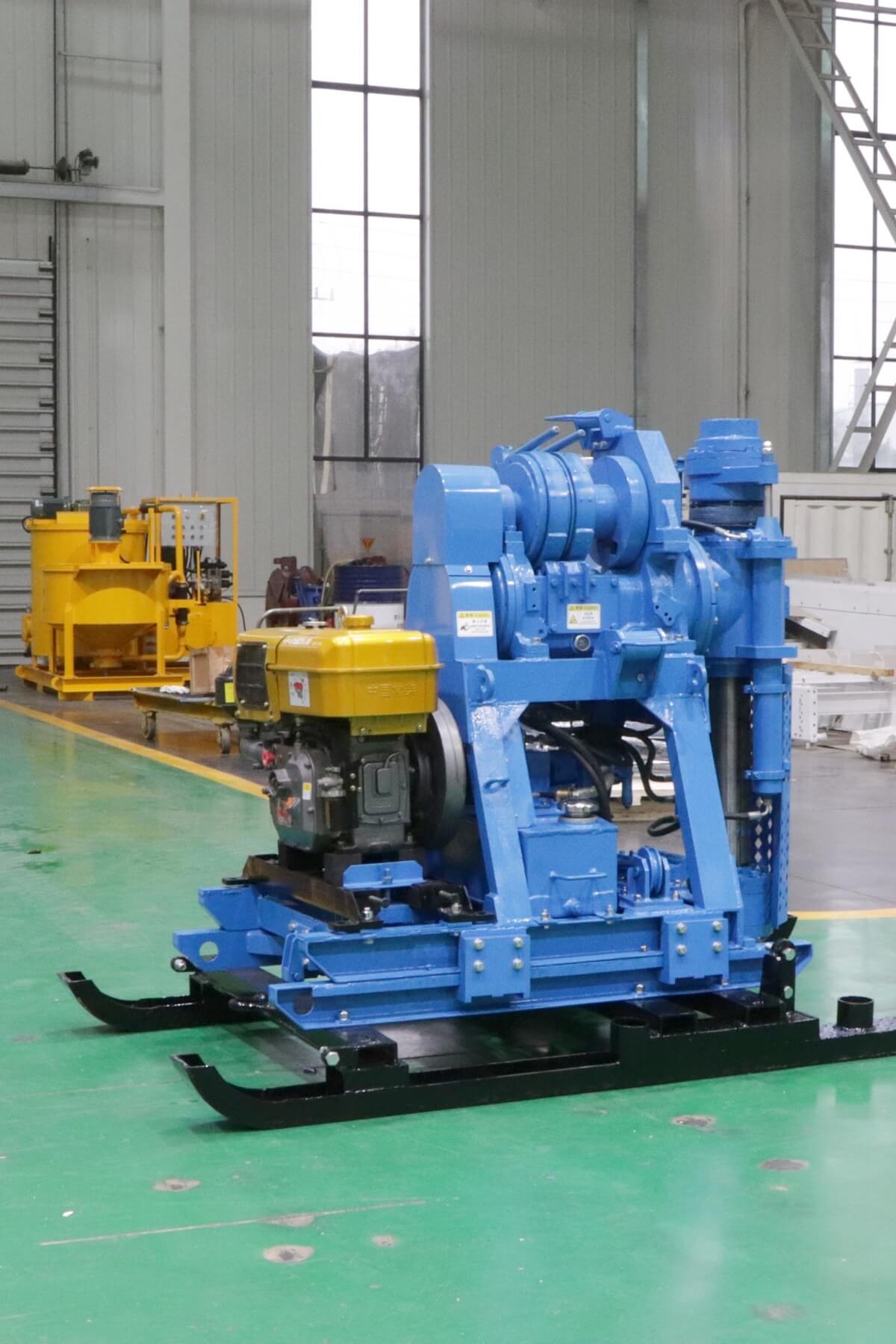
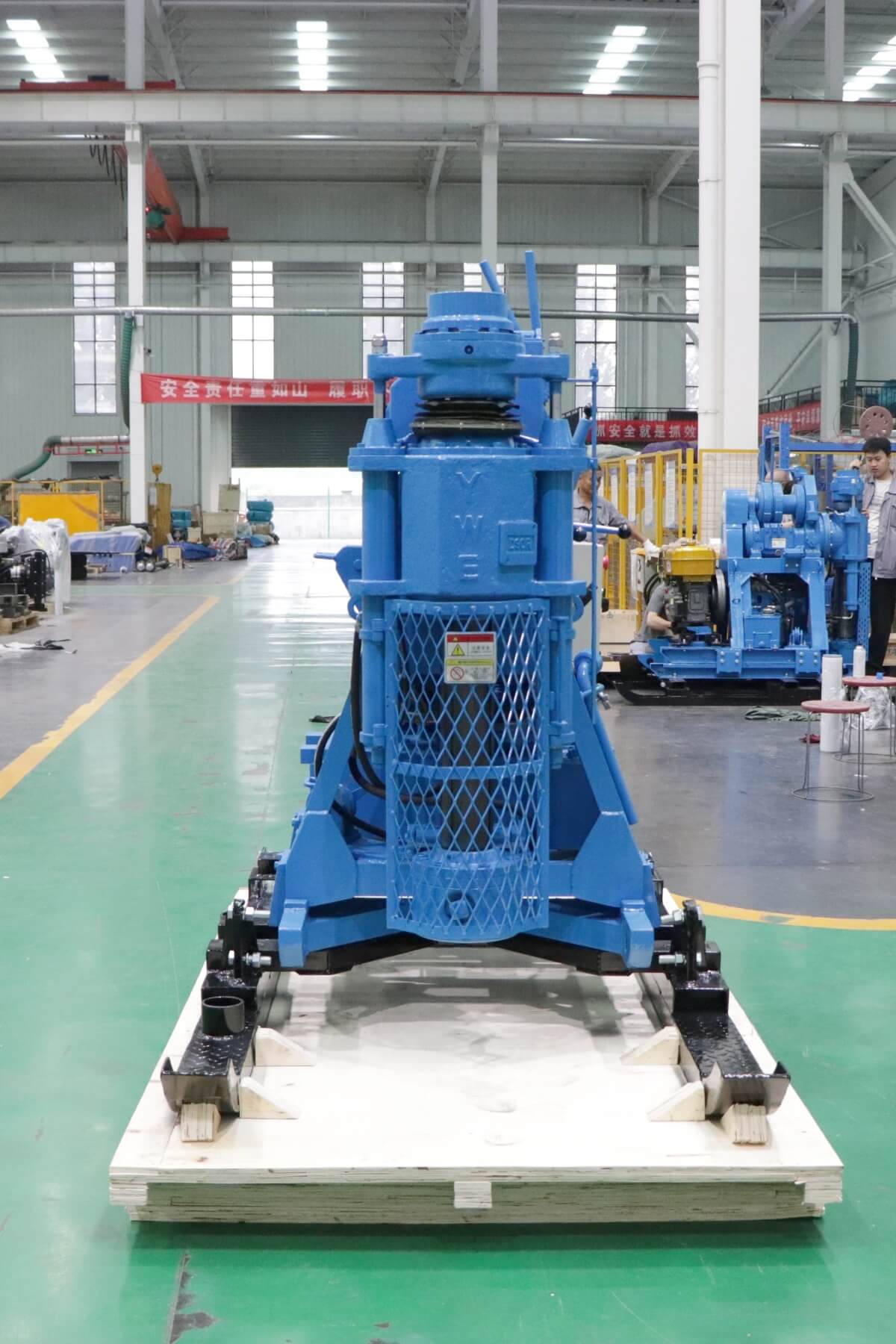
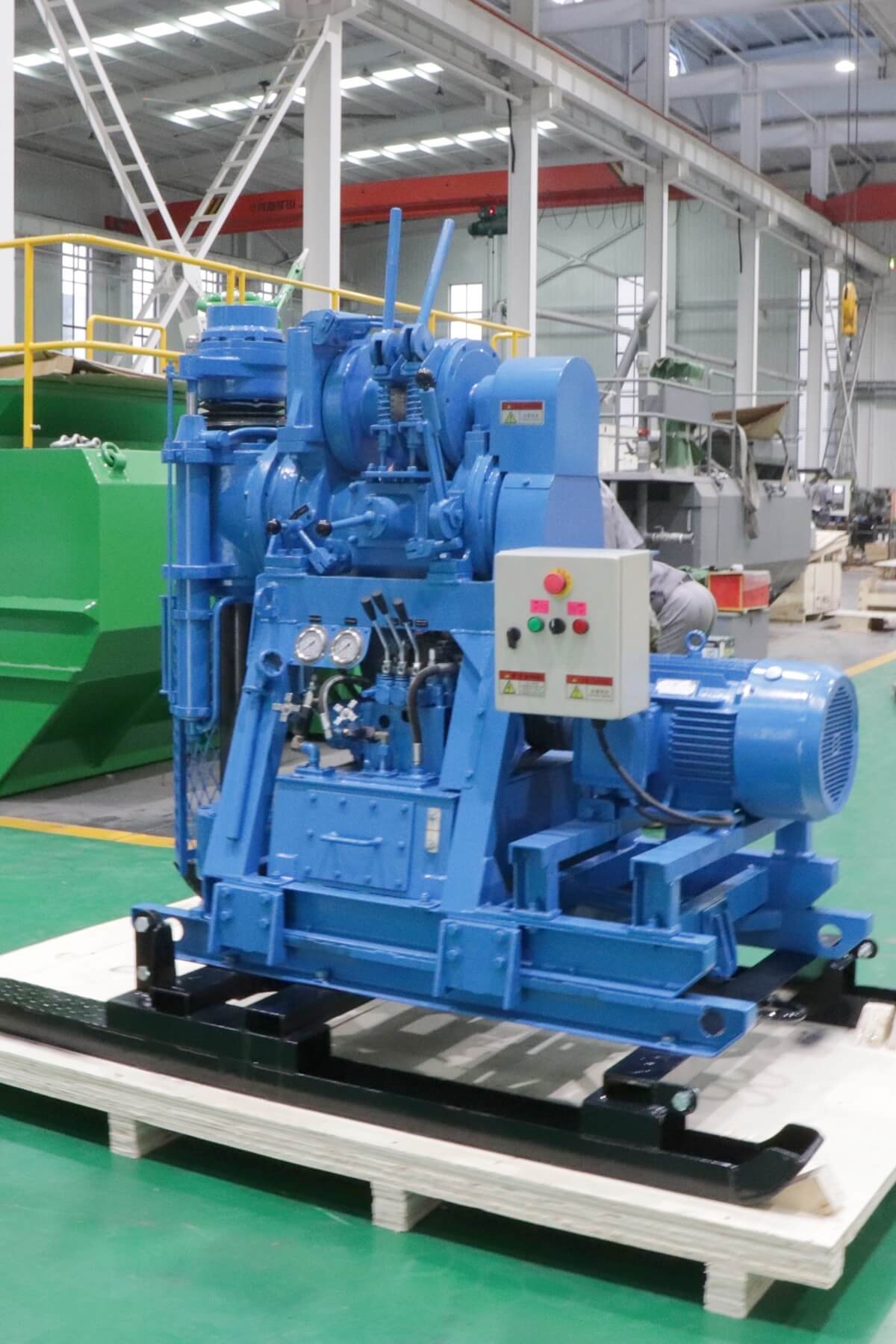
Two numbers set the pace. The 500 mm feed stroke governs advance, and the 370 mm hydraulic slide is the movement used every time the string comes out. With a short retraction and a manual three-jaw chuck, trips are measured in minutes, so the defence is planning: case ahead of the known bad zone instead of chasing it.
If a programme has a weathered zone at a predictable depth, put the casing decision into the sampling plan before mobilisation. A core drilling machine for rock sampling cannot case a hole that has already closed.
Failure three: the sample is lost at the collar
The most avoidable losses happen in the last two metres of the trip: the barrel has to come out, swing clear, and be opened without the core sliding out onto the skid.
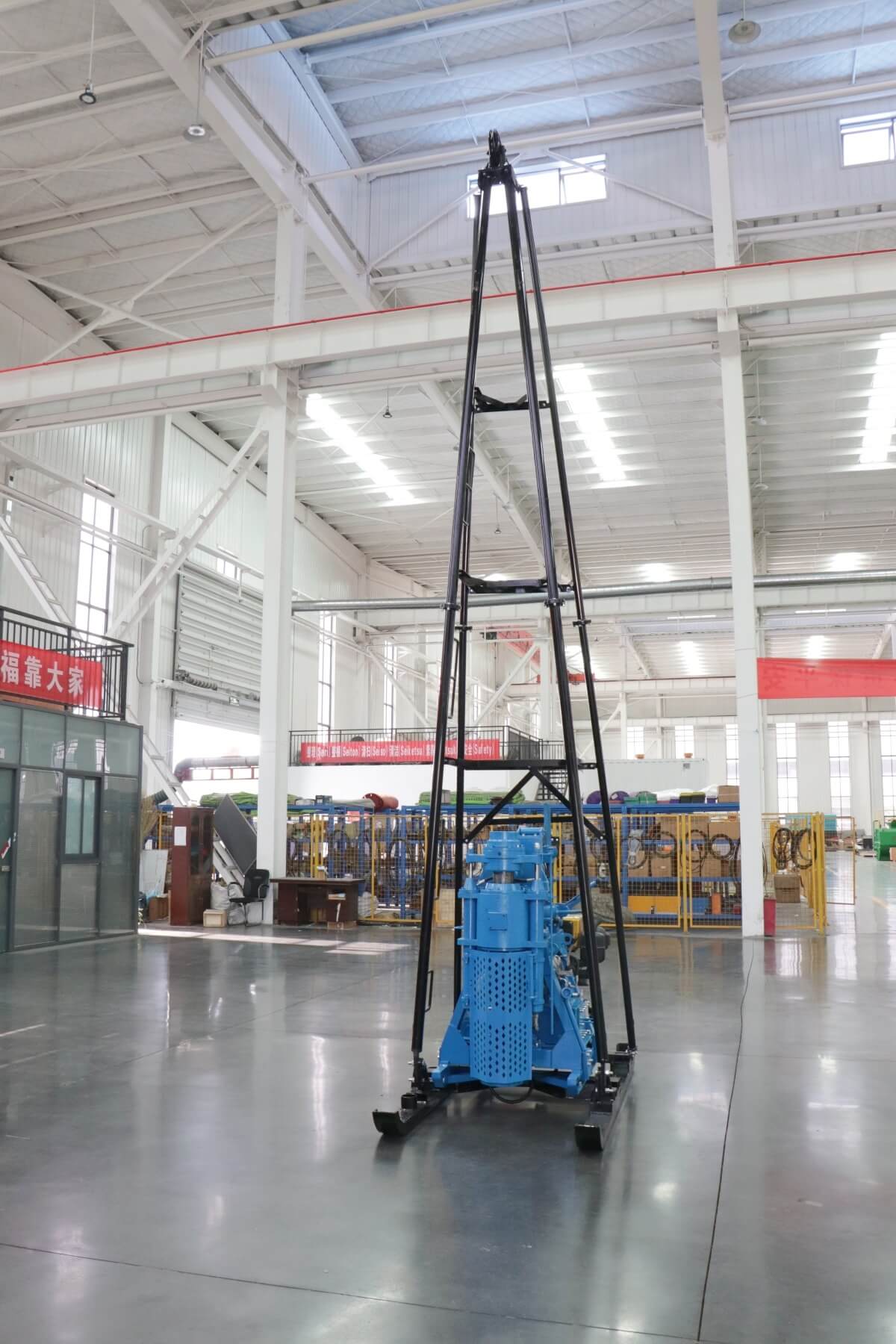
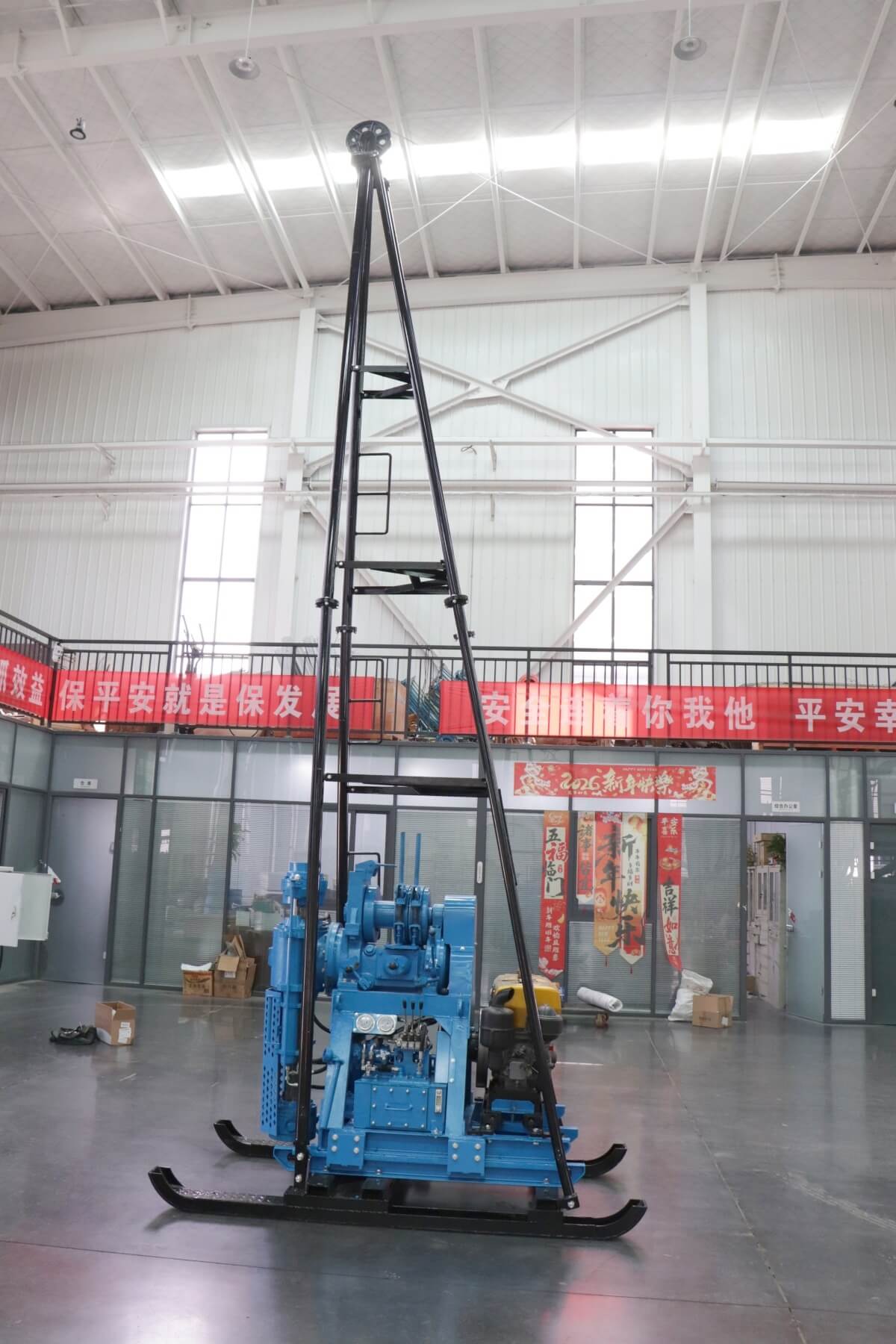
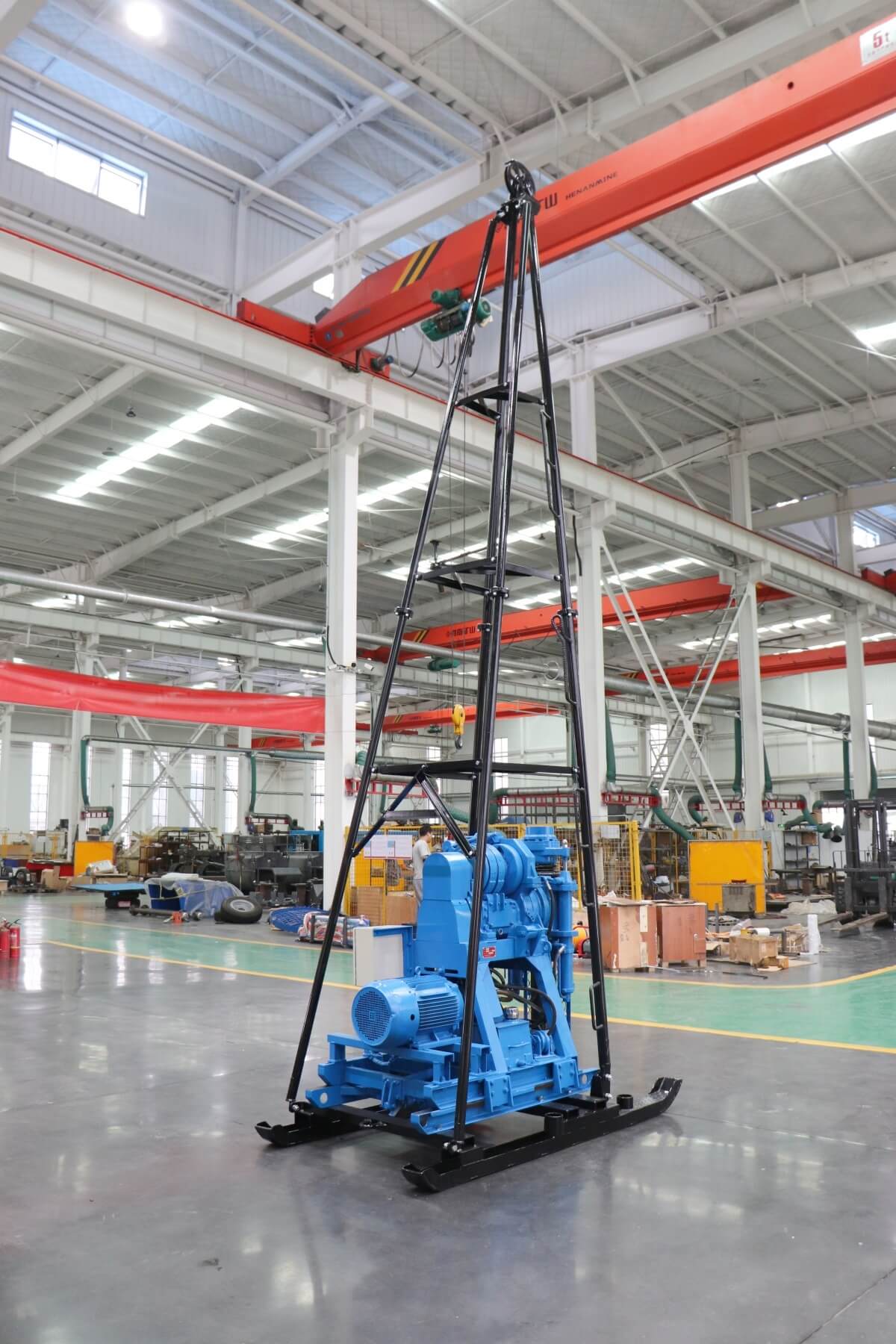
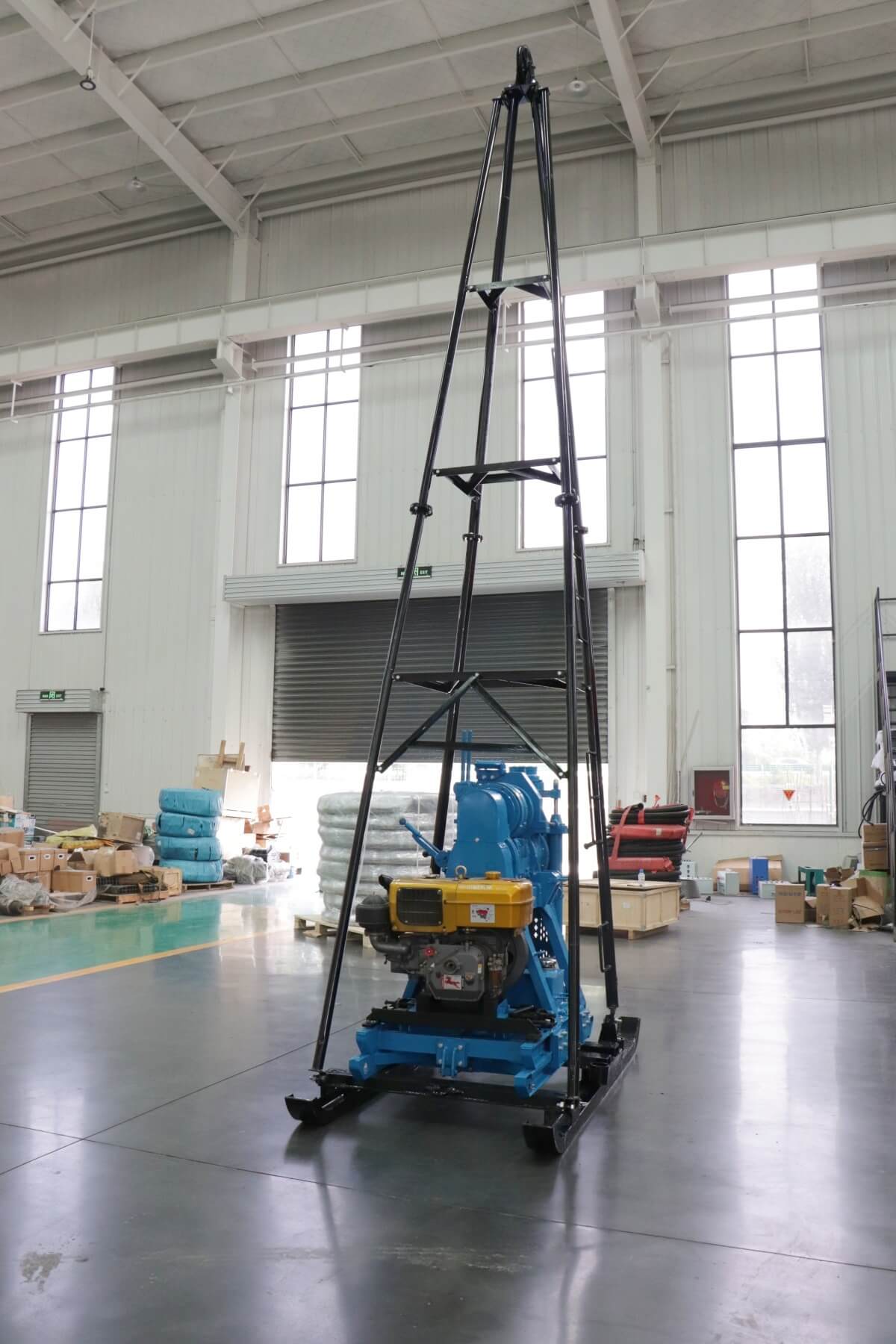
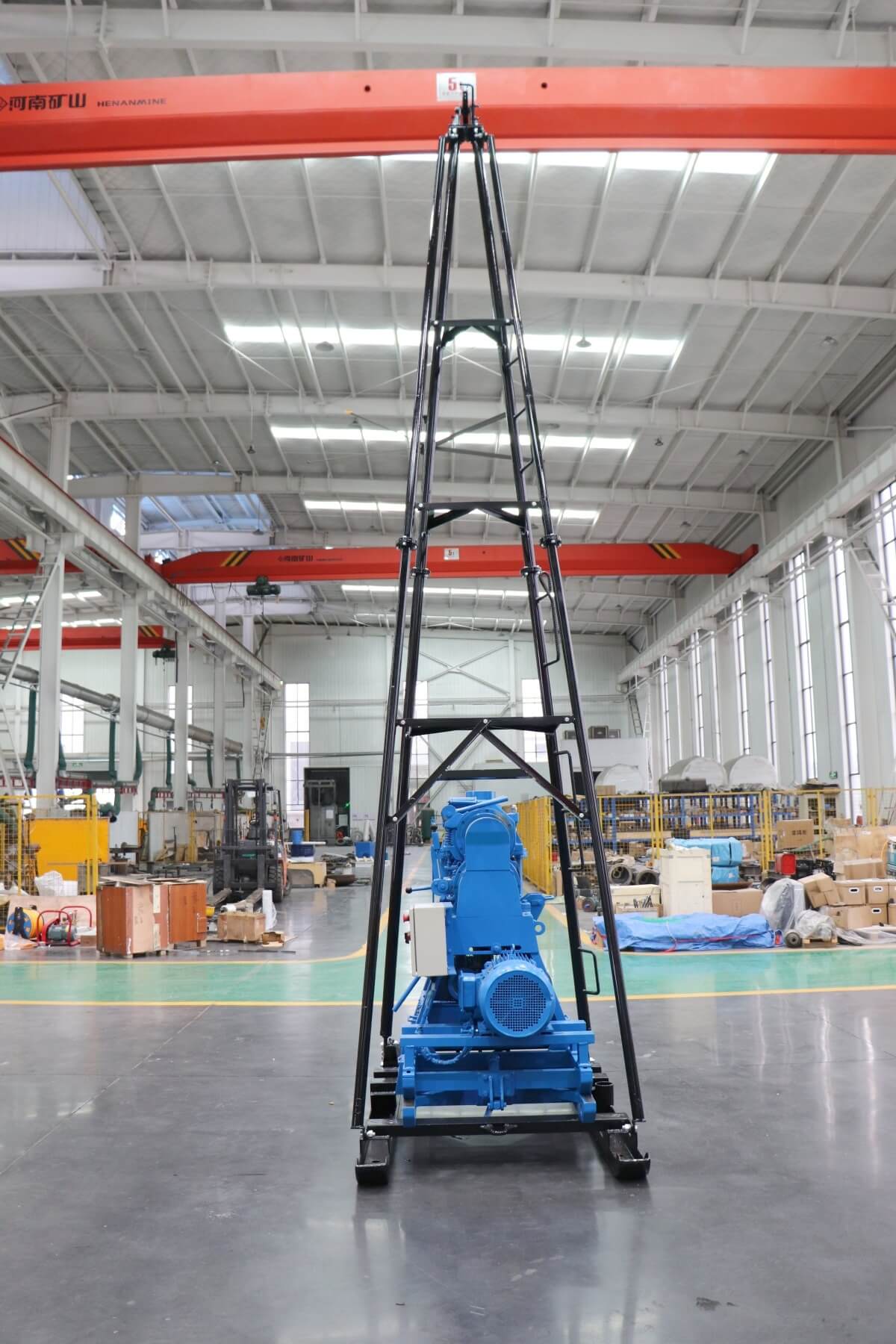
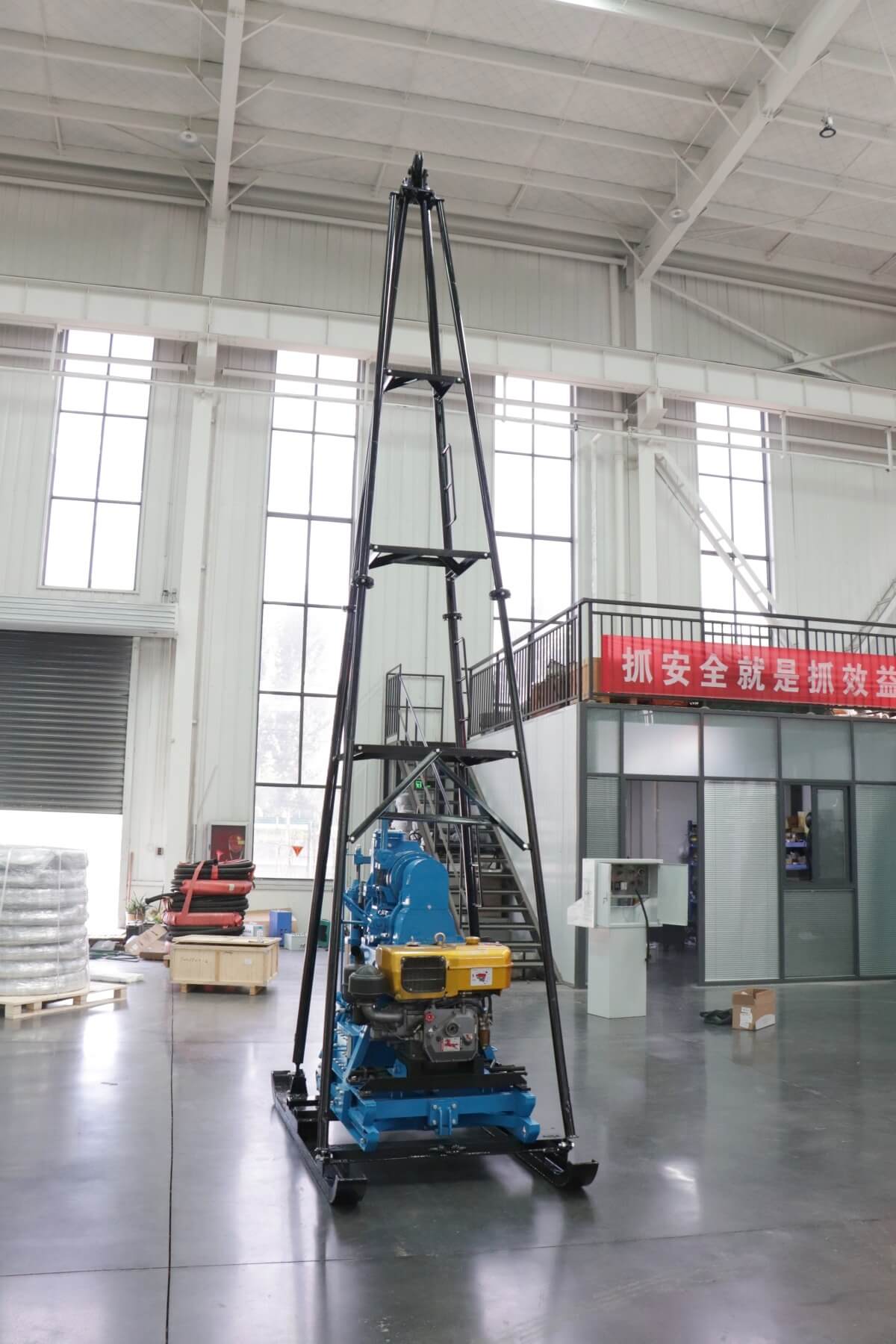
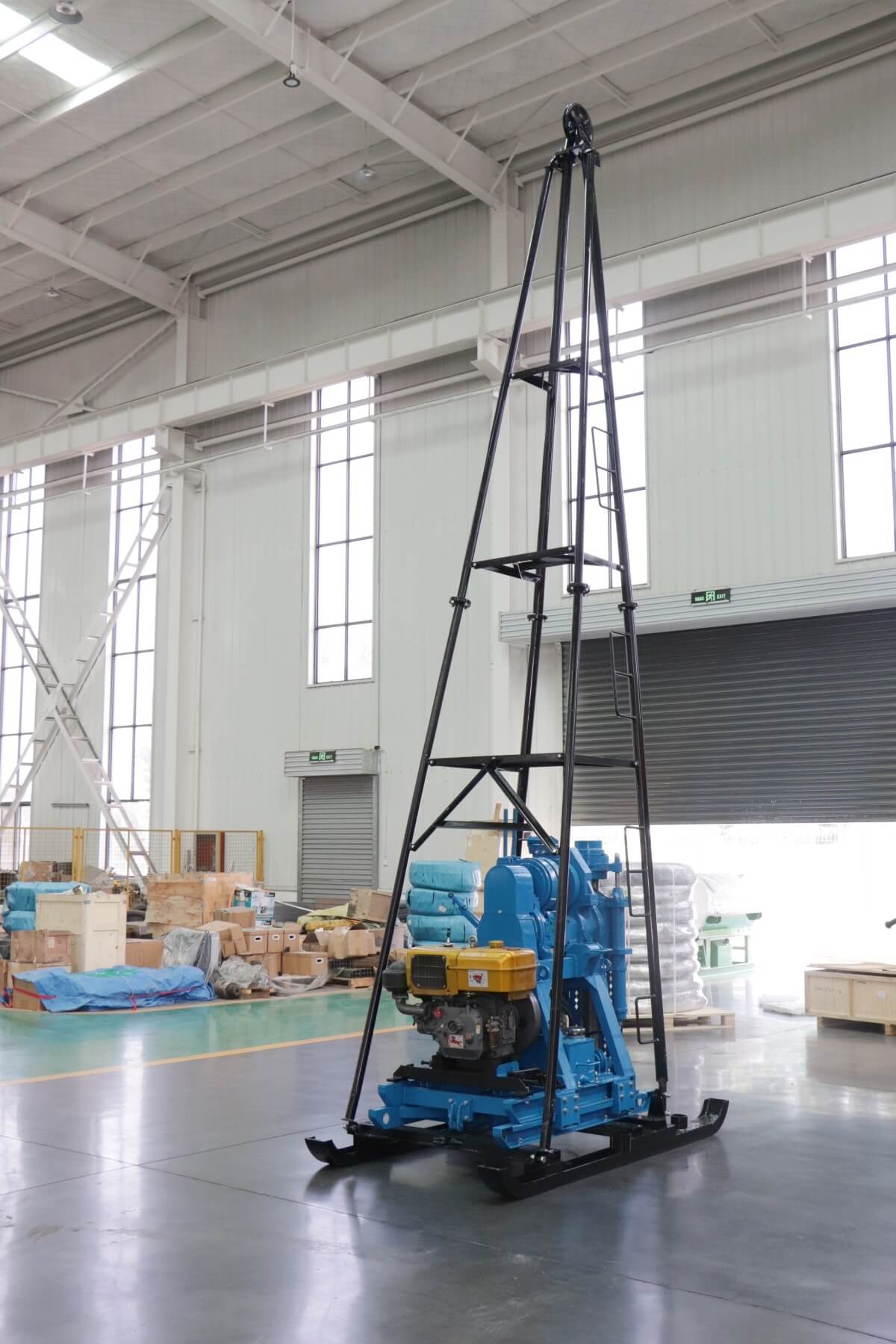
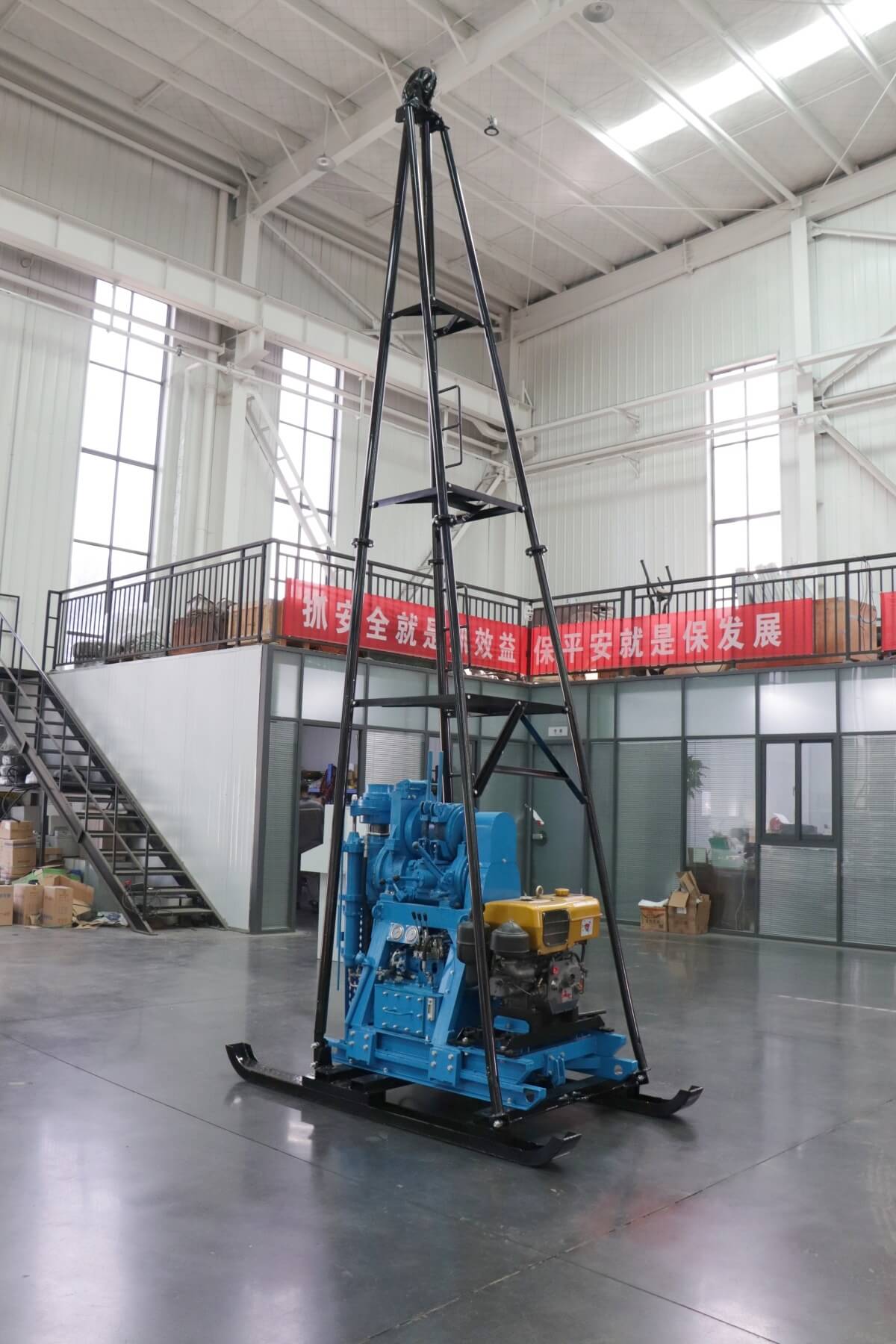
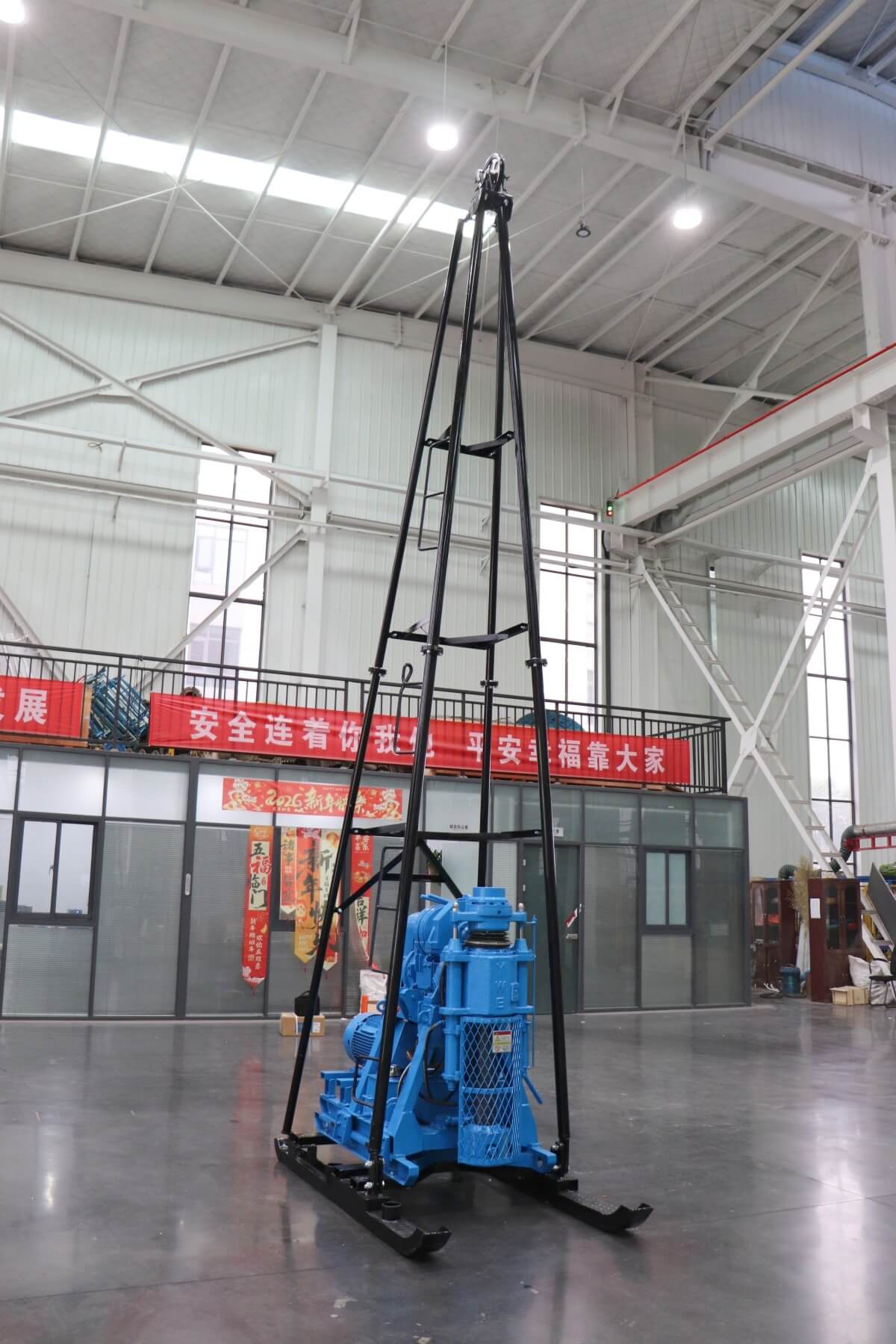
The geometry that governs this is the hoist and the mast. A 1,500 kg hoist with rope speeds of 17, 65 and 101 m/min gives a slow pull when the string comes hard and a quick one when it is free, and the 5.75 m mast lifts a three metre barrel clear of the collar. A shorter mast forces the barrel to be broken down at the collar, which is where intact core becomes rubble.
What low recovery really costs
A three metre interval lost at thirty metres means re-entering, reaming or a new hole beside it, and any of those consumes a shift budgeted for new metres. On a fifteen hole programme, two such intervals are a week.
That is the argument for reading the recovery columns daily rather than at the end of the contract. A run that drops from 90 % to 40 % is telling you the ground has changed, and the response, whether slower rotation, shorter runs or casing, is cheaper on the day it is noticed.
Recording what the laboratory needs
Four fields carry most of the value: depth interval, drilled length, recovered length, and the rock description with its defect spacing. RQD is calculated from the same core and should not be confused with recovery, since a hole can return nearly all of its core in short broken pieces and still score badly.
Add the loss zones, the bit and barrel used, and the gear the driller ran. Those notes turn a disappointing interval into a decision on any core drilling machine for rock sampling.
When to change the method instead
If two adjacent holes lose the same interval, the ground is the problem, and a different core drilling machine for rock sampling will lose it too. The options are casing the zone, treating it before coring, sampling it as bulk, or accepting lower recovery and adjusting the interpretation. Each is cheaper than buying a larger machine for ground a larger machine would also lose.
What to send with an enquiry
The rock types and their condition, with any known broken or collapsing zones and their depth; planned hole depth and core size; the barrel type and whether a core lifter is supplied; the recovery your specification requires and what happens when it is not met; water available at the collar; and access to the site. Send these to sales1@leadcrete.com.