Core Drilling Machine for Rock Sampling
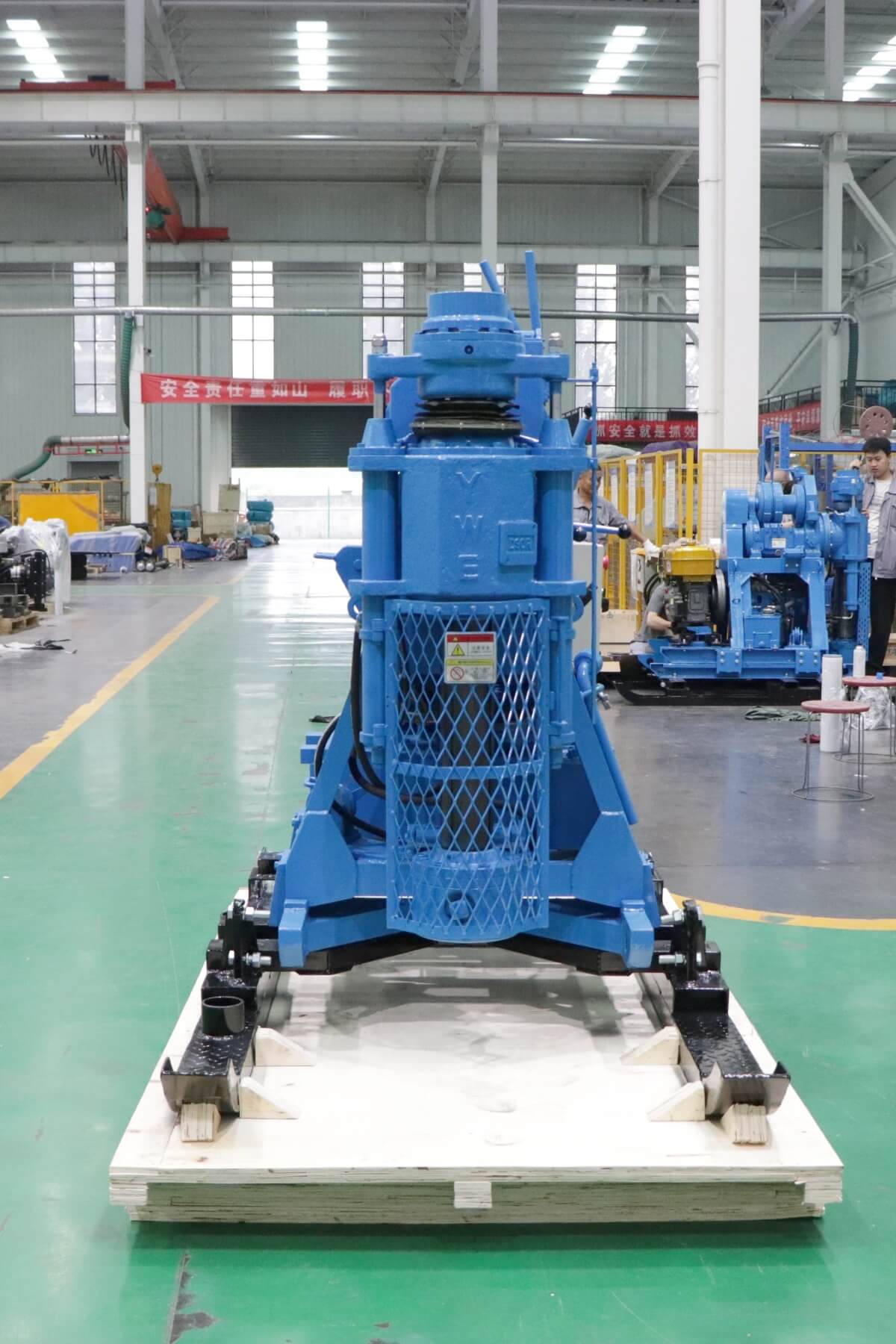
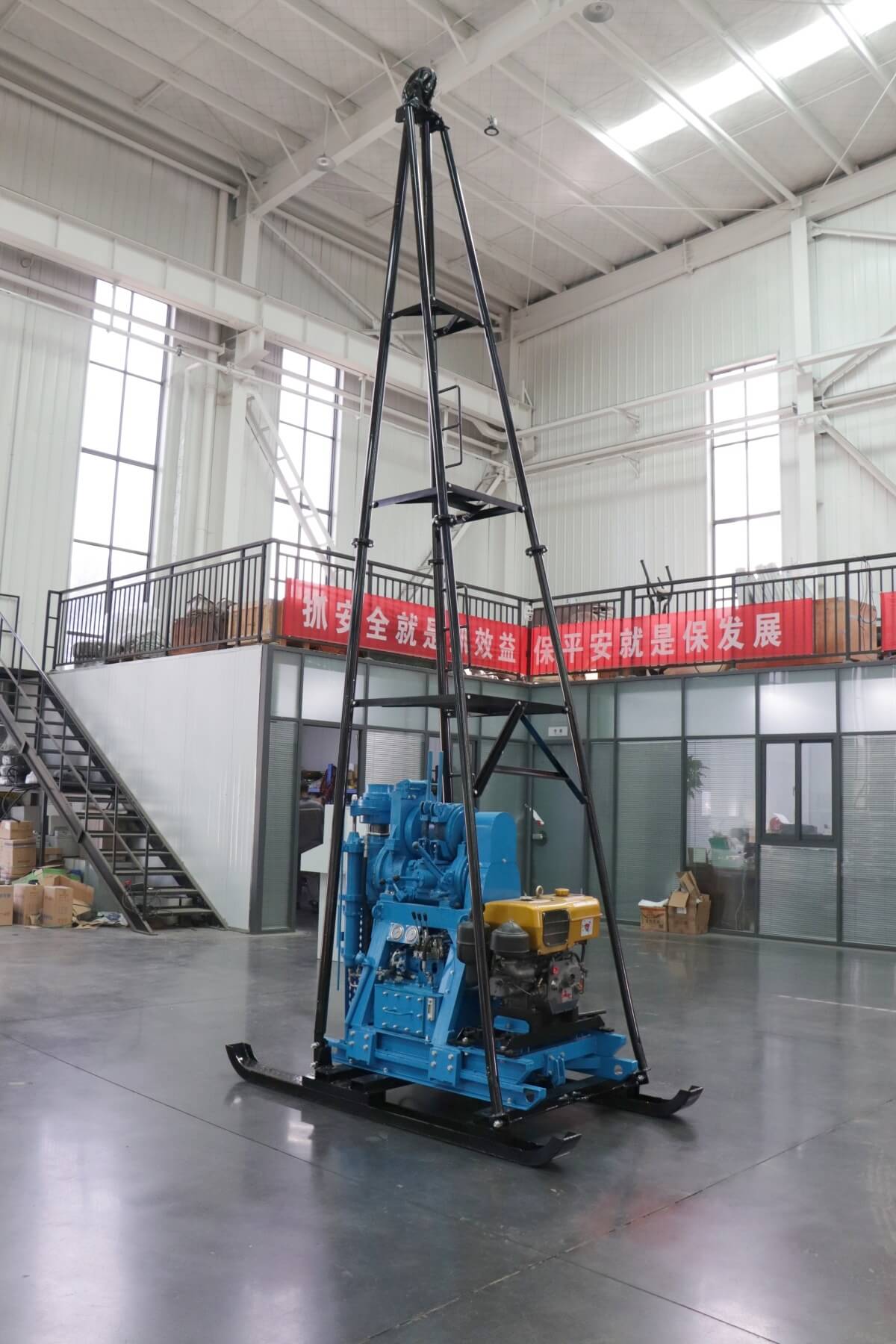
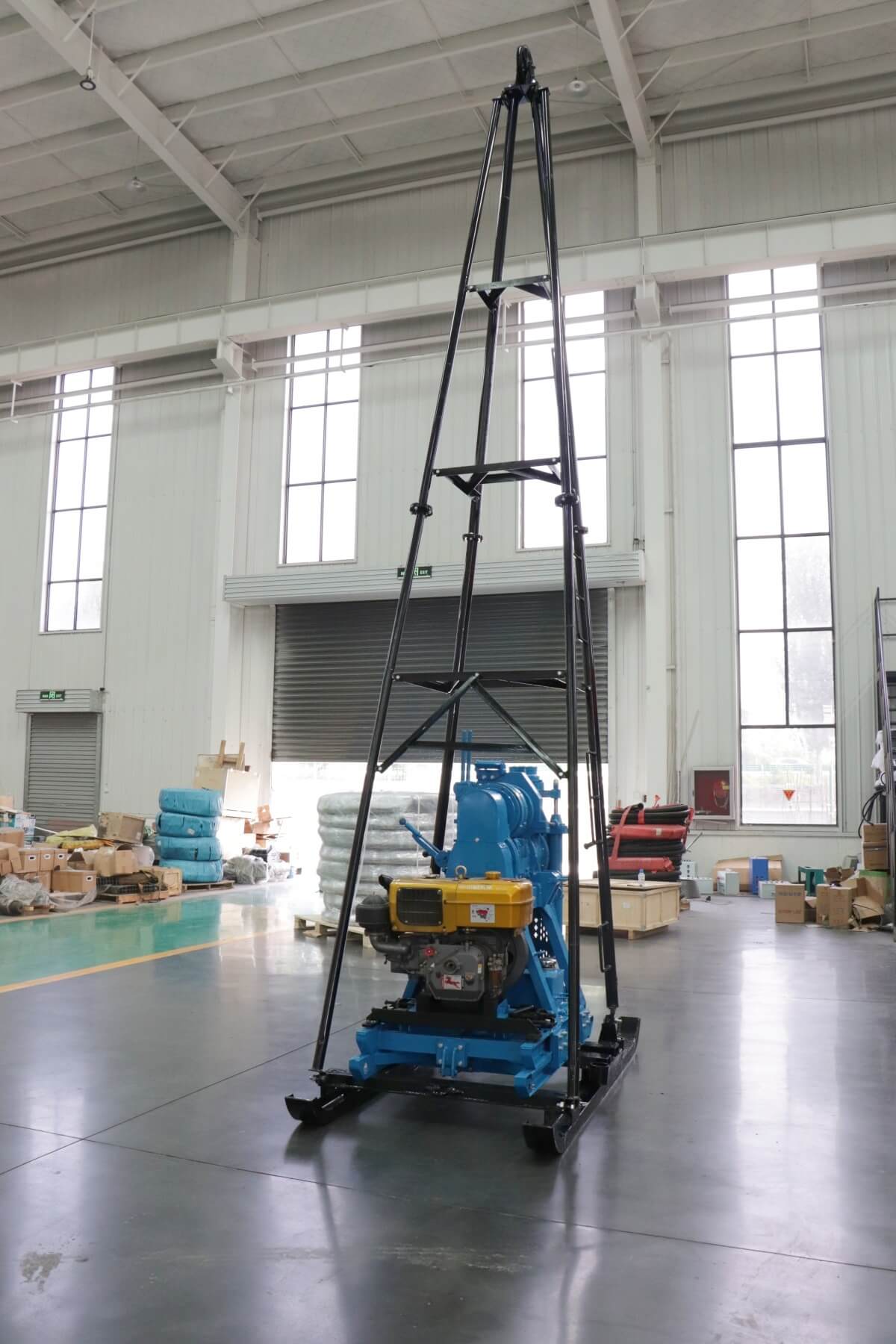
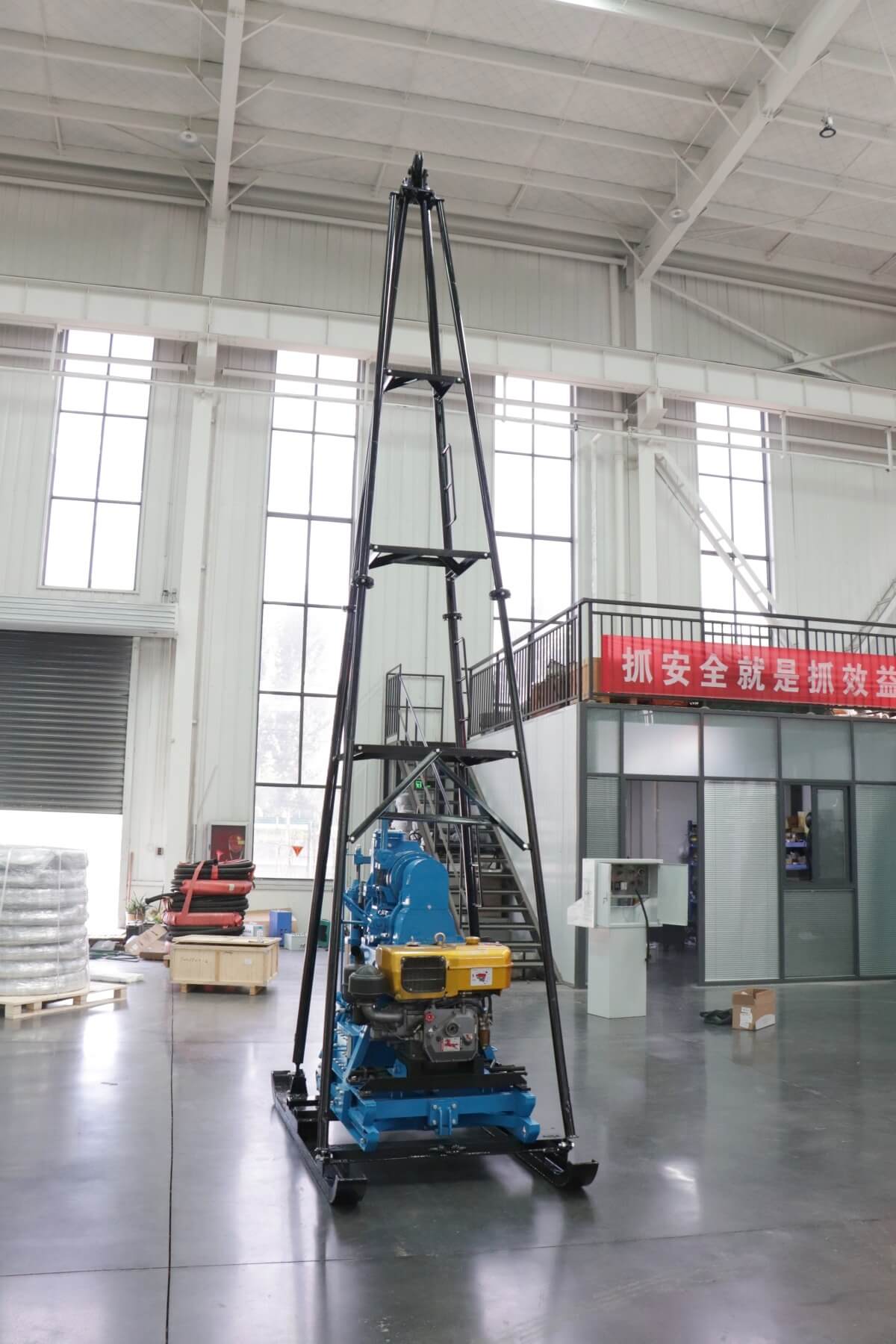
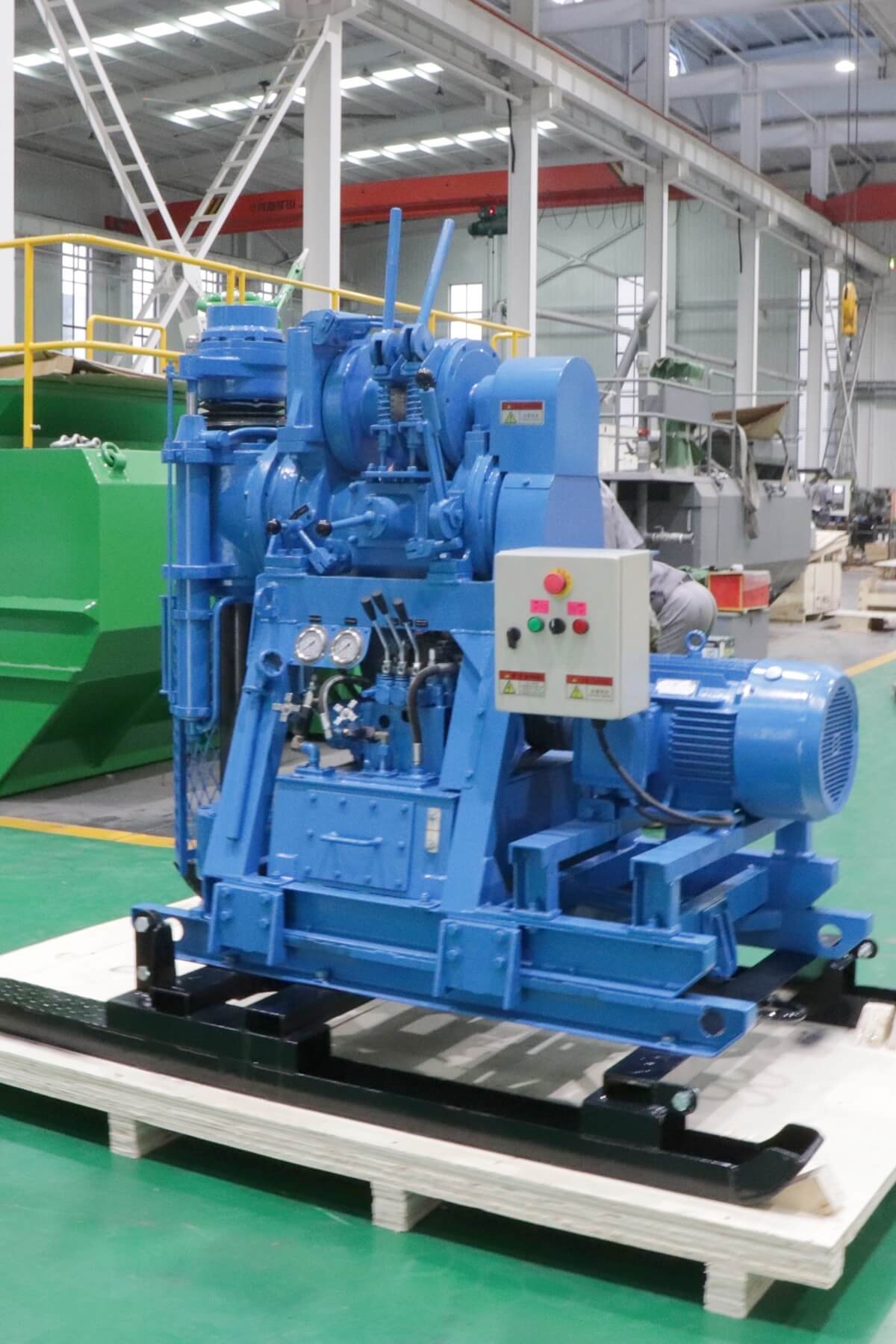
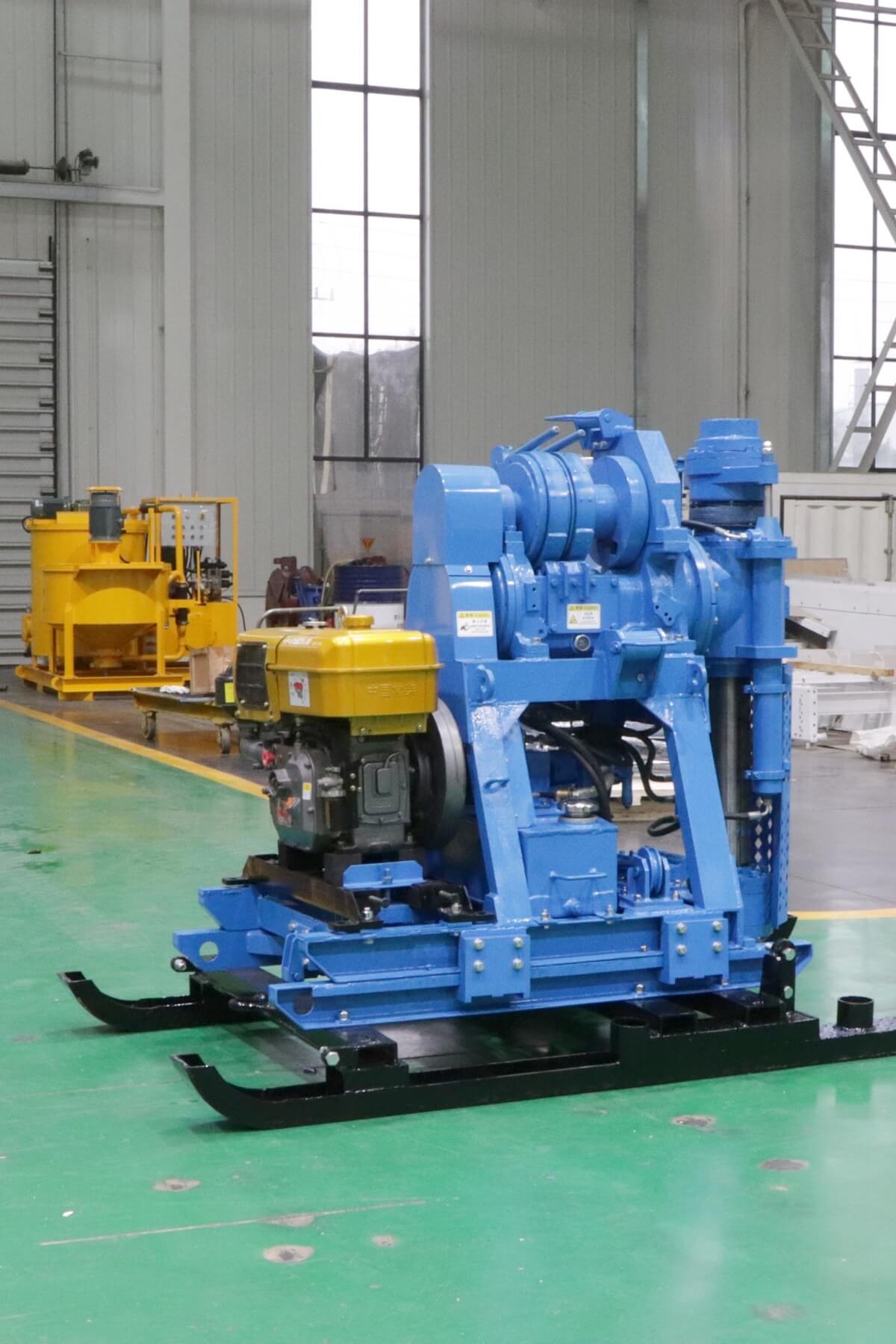
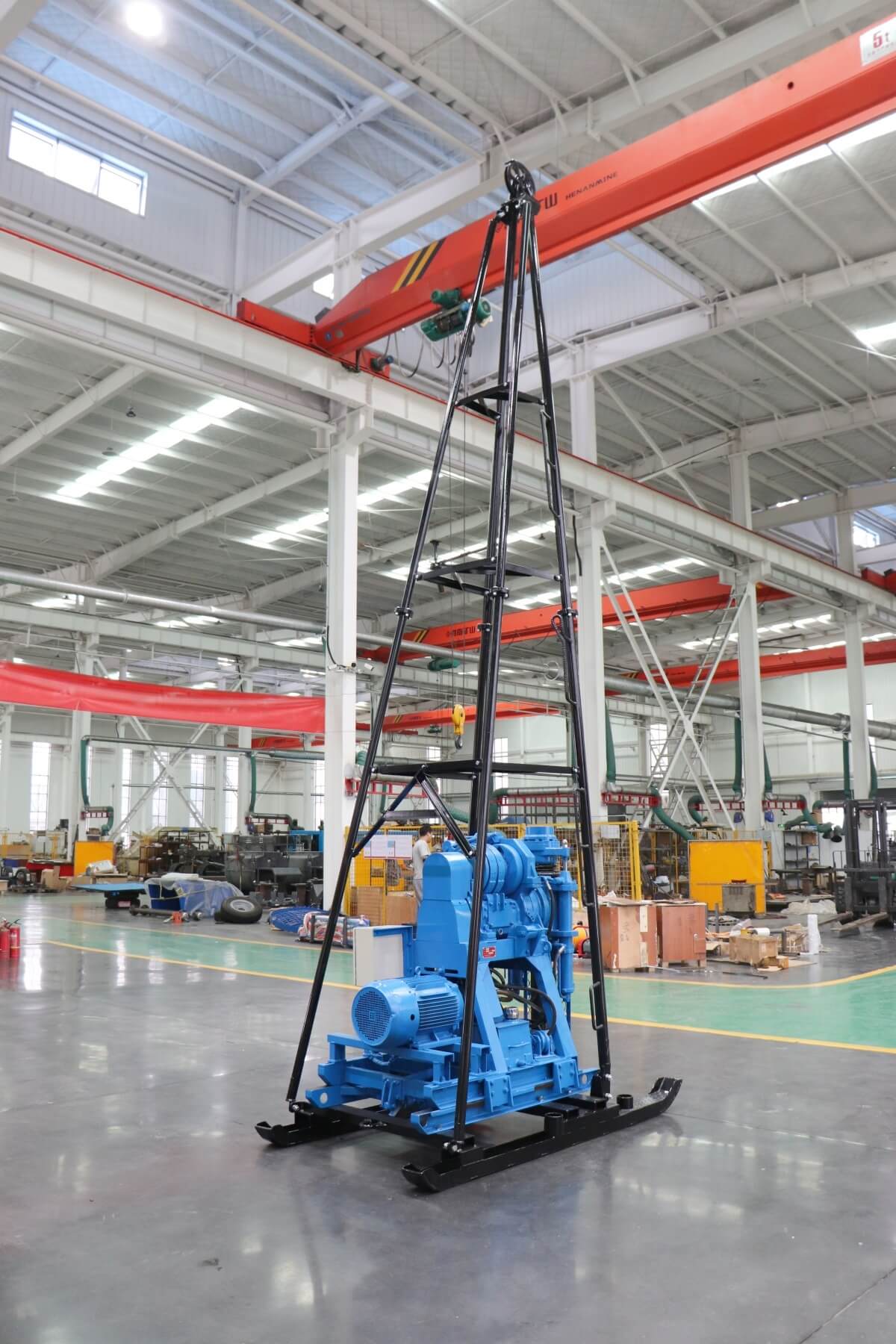
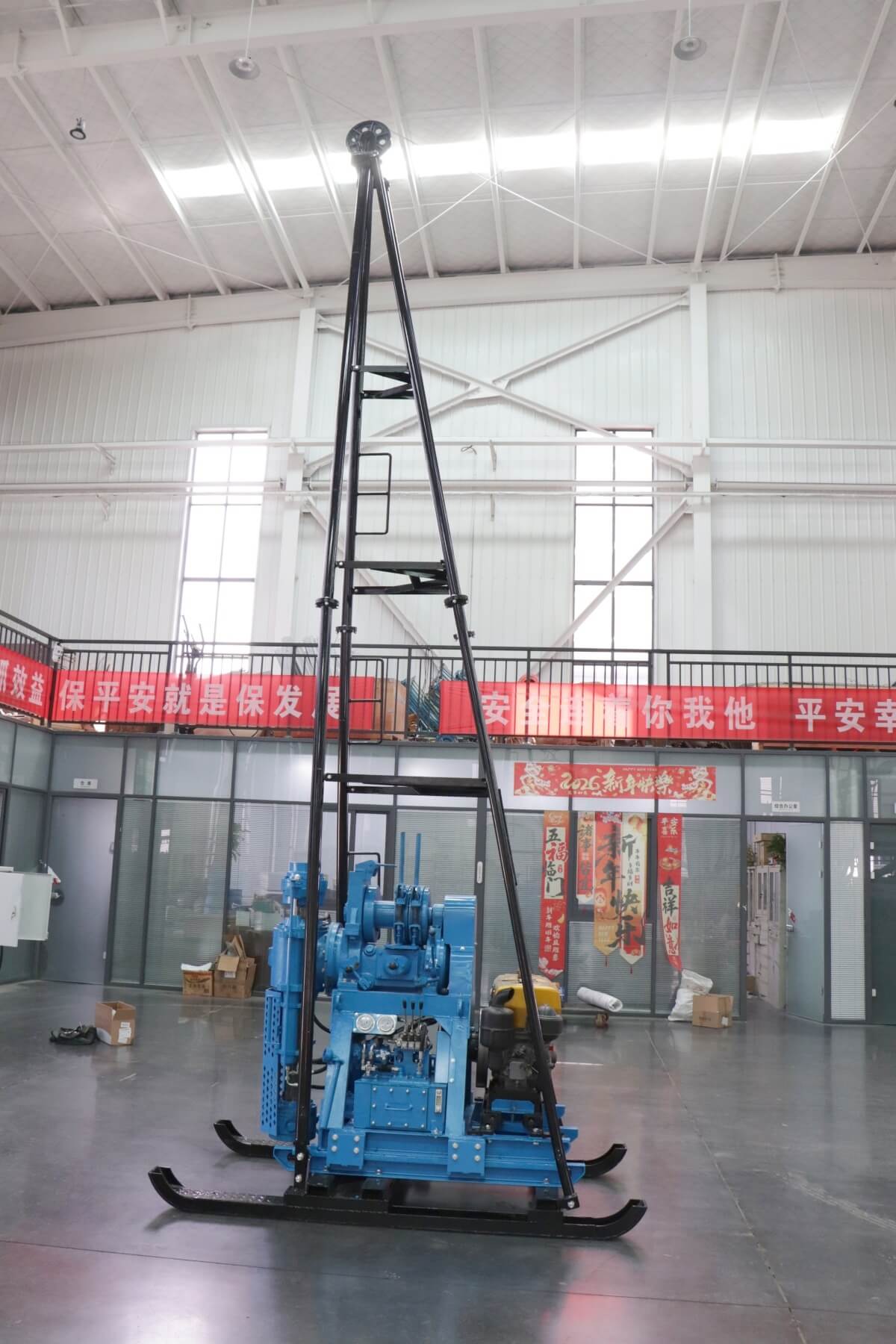
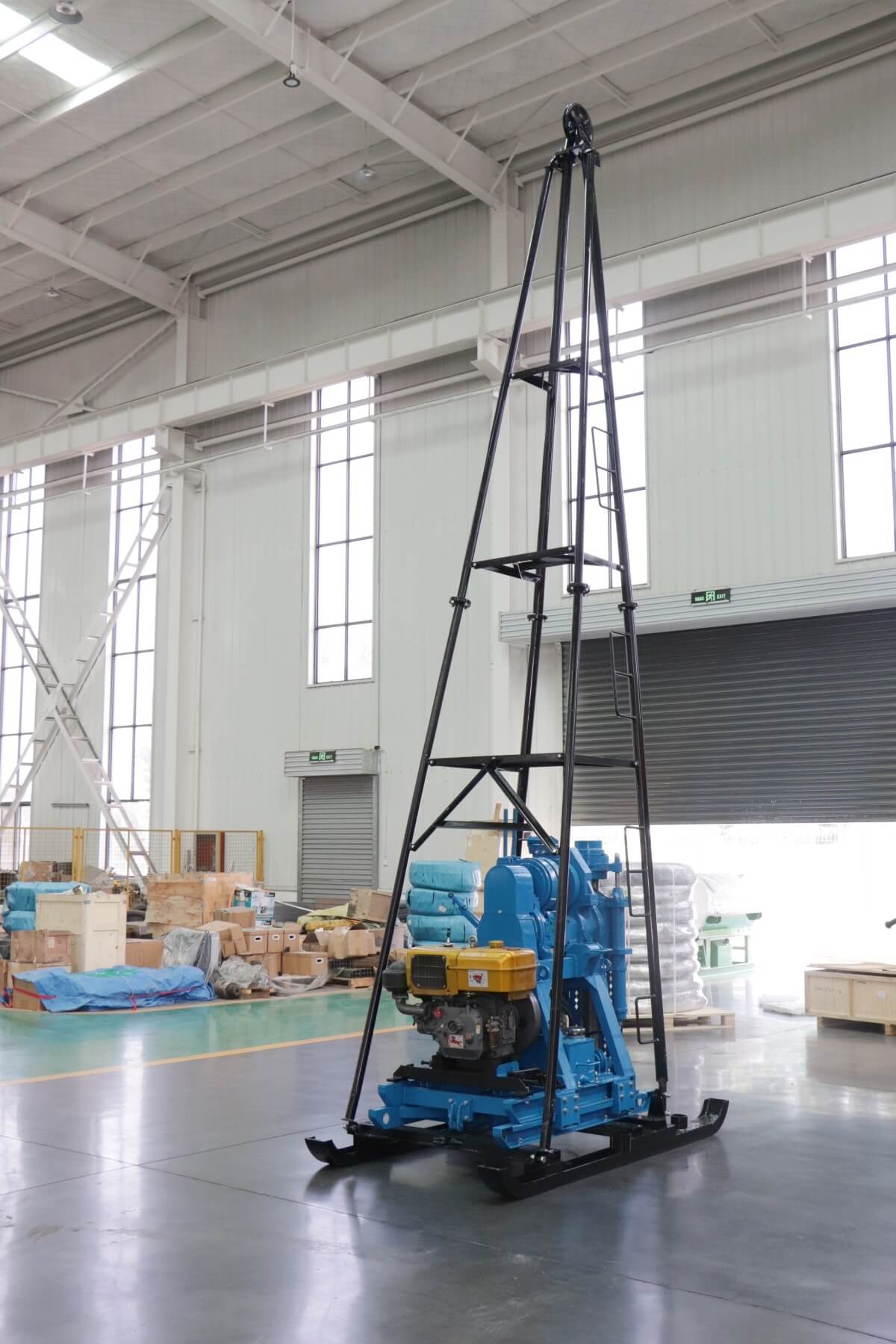
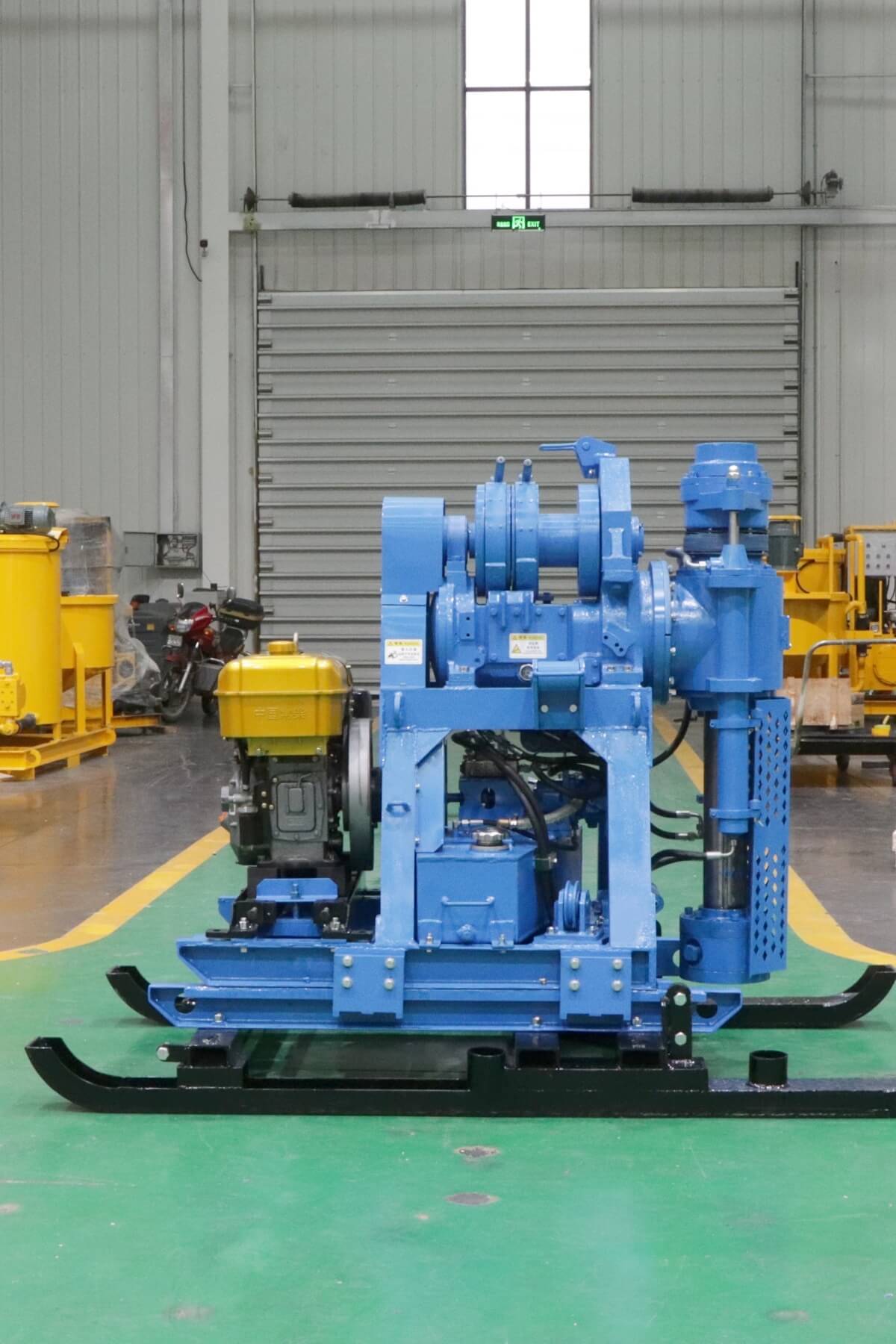
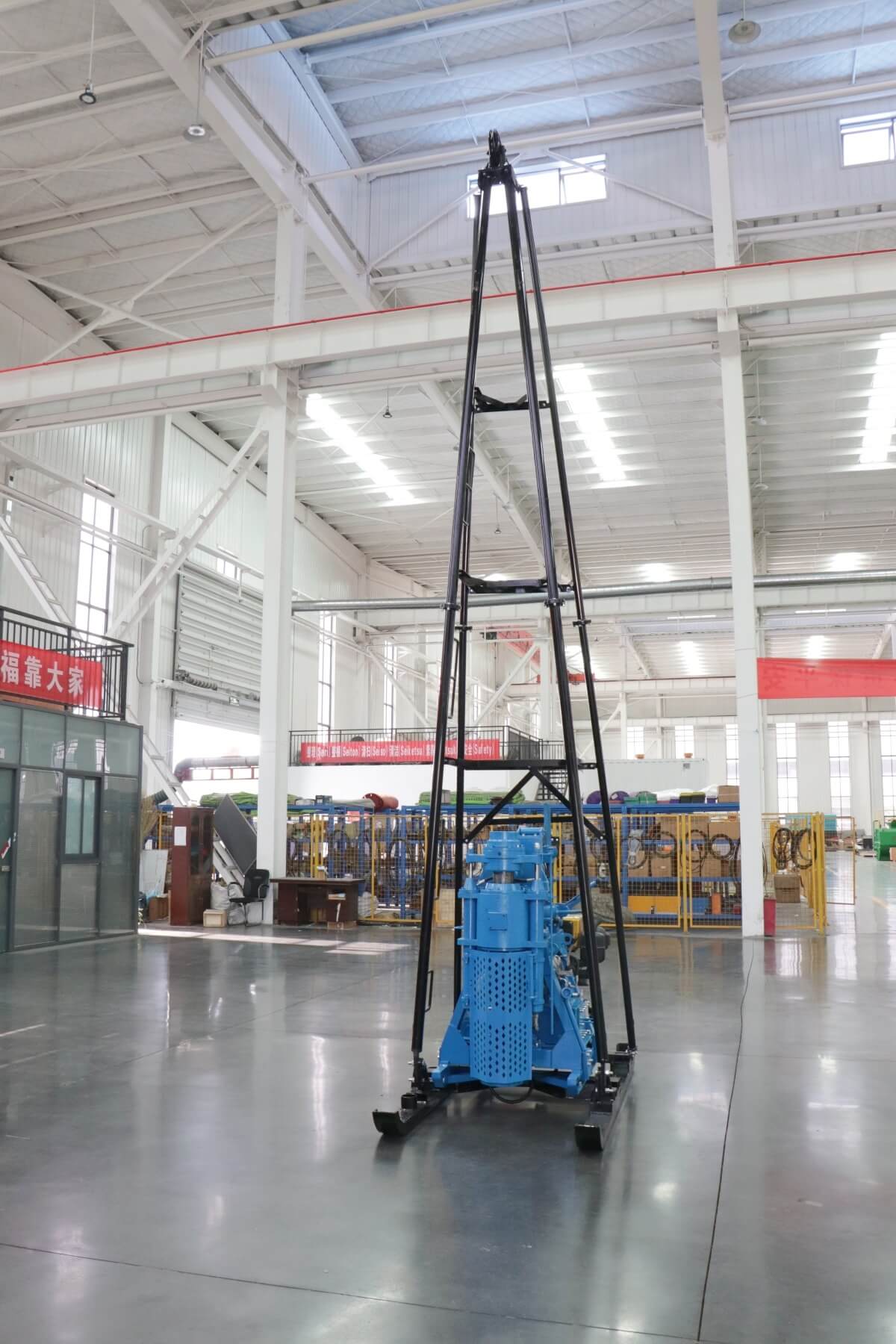
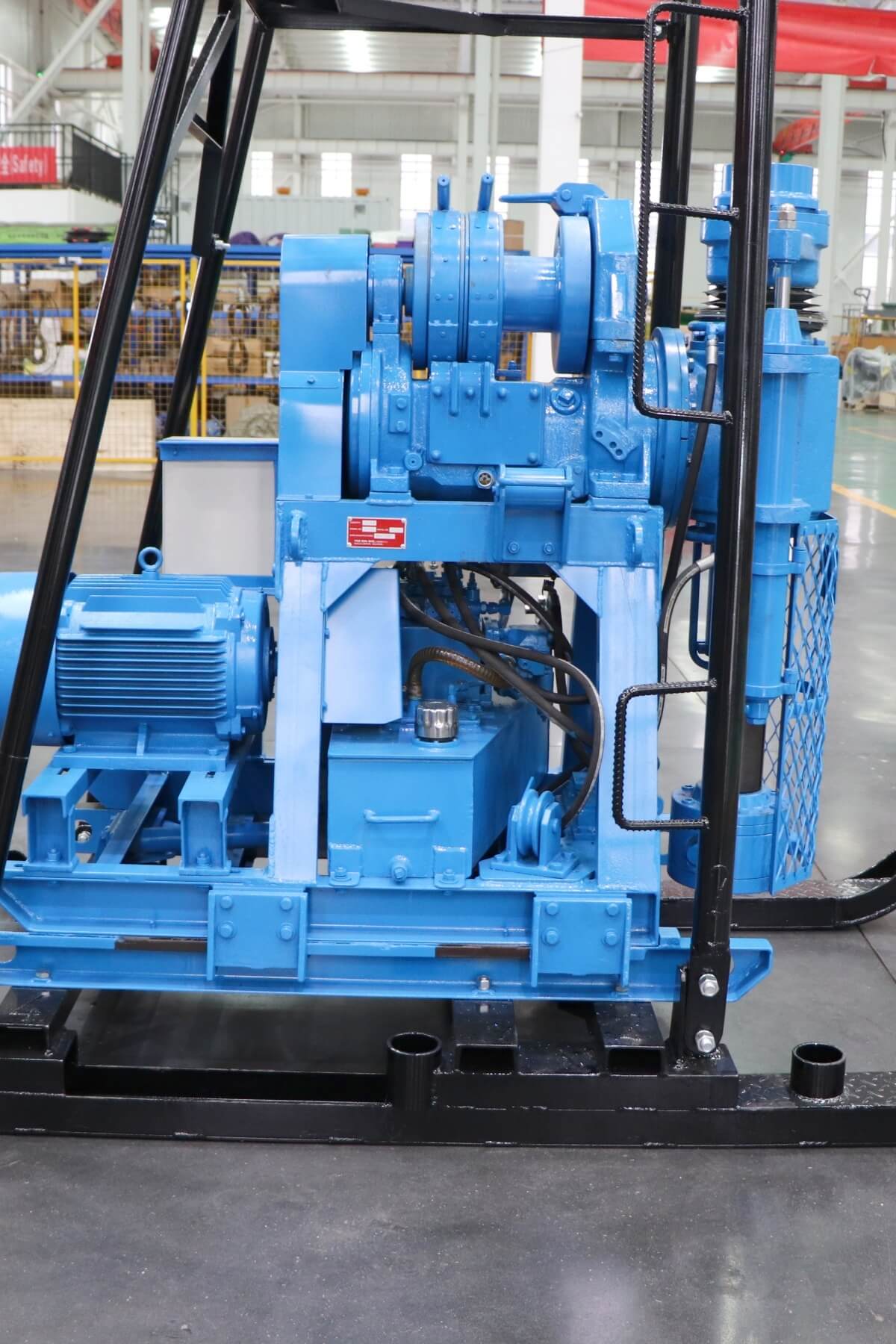
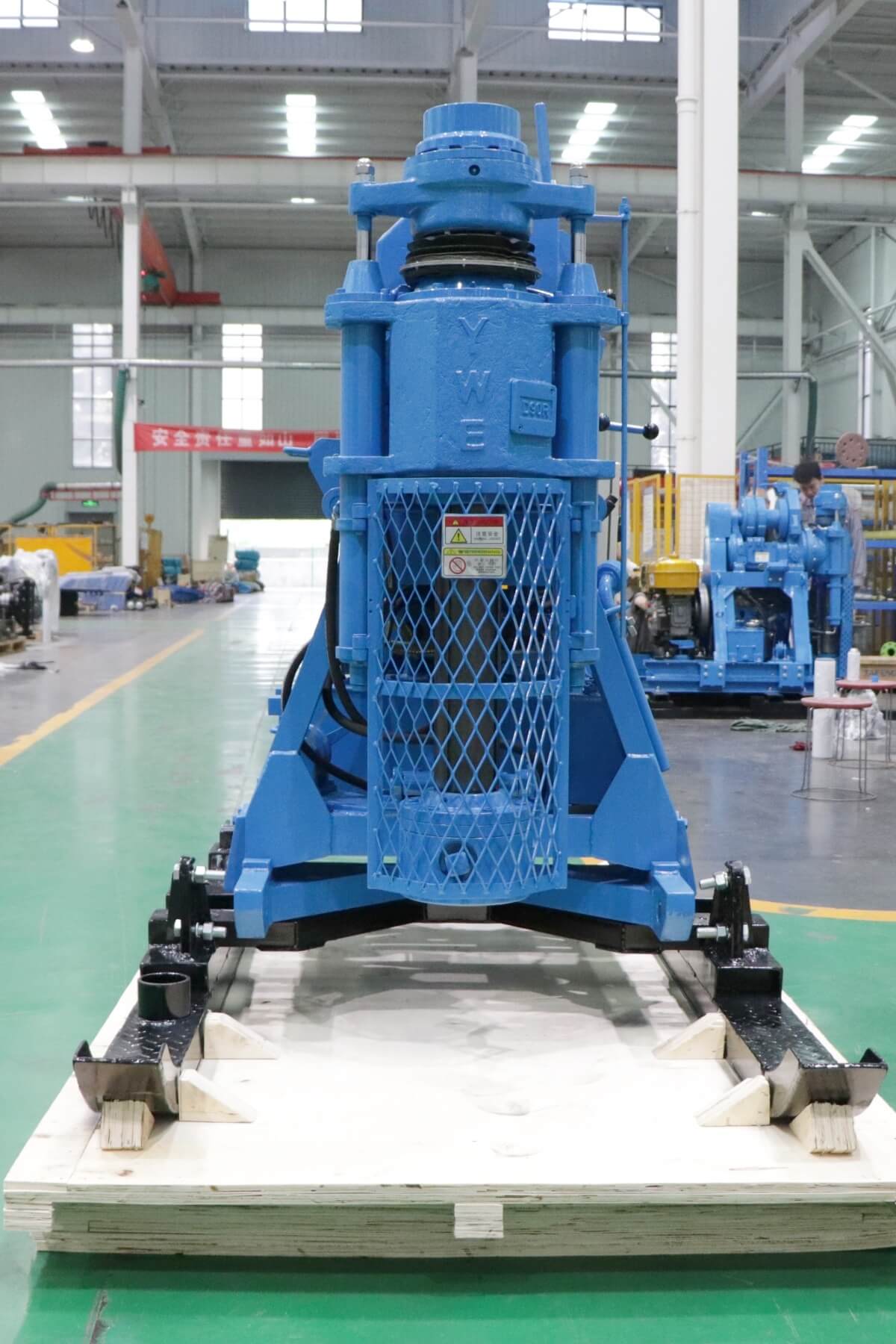
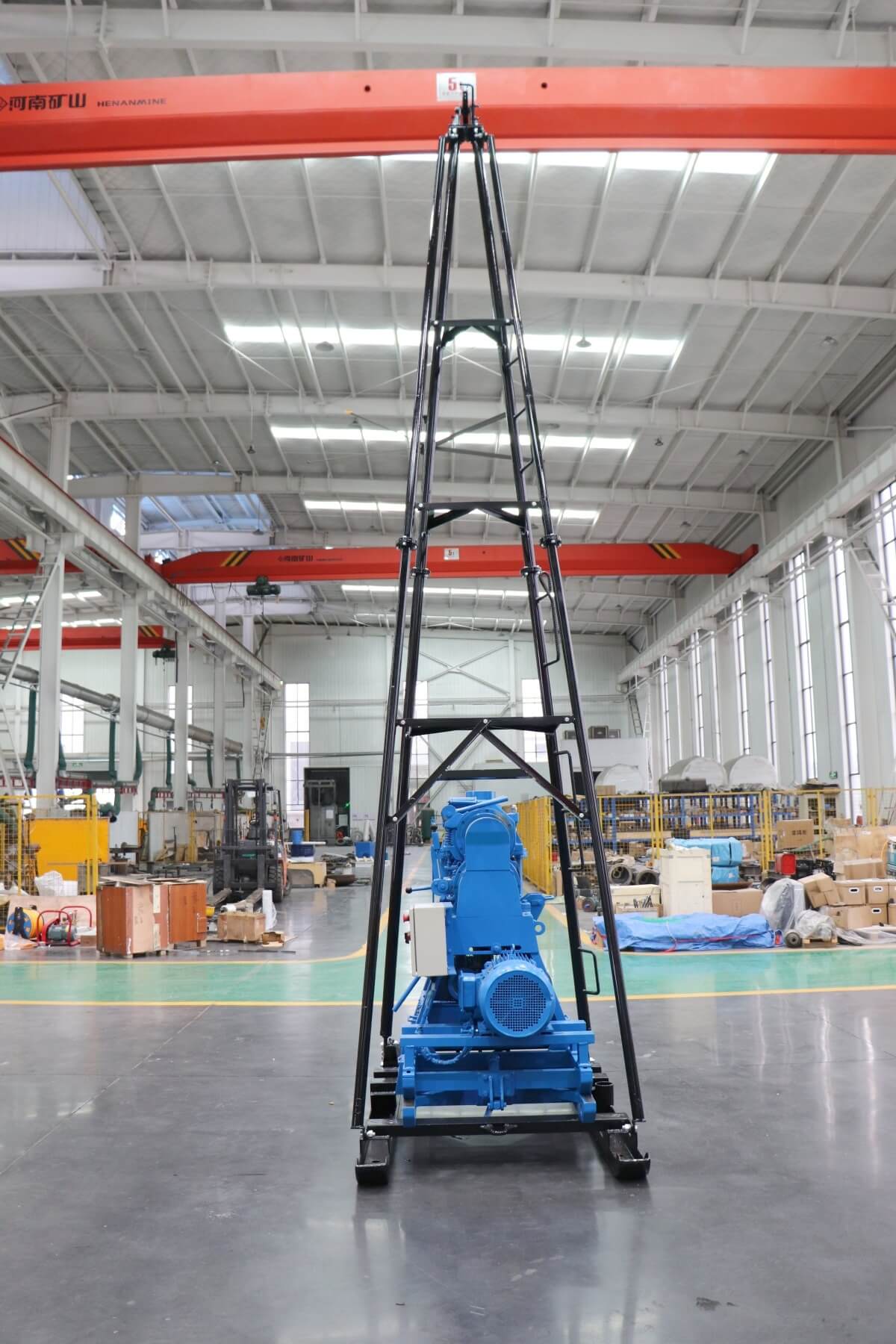
The LE90R core drilling machine for rock sampling runs a 15 HP diesel or 15 kW motor on a 1,300 kg skid, with 92 mm spindle bore, 500 mm feed stroke, three spindle speeds and a 1,500 kg hoist, permitting runs from half a metre upwards.
Core Drilling Machine for Rock Sampling
Every rock sampling programme is built from one repeated decision: how far to drill before pulling the string. Most crews answer it with the length of the core barrel, because that is what the catalogue offers. The barrel length is a capacity, however, and on any core drilling machine for rock sampling it is the smallest of the numbers that should set the run. Core loss, geological contacts and the cost of a trip all push in different directions.
A full barrel is a ceiling, not a target
A three metre barrel can deliver three metres of core. It cannot deliver three metres of recovery in ground that is already broken, and it cannot respect a contact that sits at 1.4 m.
The useful way to think about run length is as a sampling interval that the driller chooses, with the barrel length as its upper bound. Everything that follows is about choosing it deliberately rather than by default.
What a trip actually costs
The instinct against short runs is that every extra trip wastes time. The arithmetic is worth doing before accepting that instinct, because the numbers are smaller than most crews assume.
Our LE90R quotes hoist rope speeds of 17, 65 and 101 m/min. Taking 65 m/min as a working average, a 30 m hole needs about 60 m of rope travel for a round trip, or roughly 55 seconds of hoist. Add the handling at the collar, and the hoist itself is not the constraint.
Compare two plans for the same 30 m hole. Ten runs of three metres against twenty runs of 1.5 m. The second plan adds ten trips, so roughly ten to fifteen minutes across the hole. A single lost interval at thirty metres costs considerably more than that in re-drilling or in a compromised log.
What a long run costs in sample
Core loss is not spread evenly along a run. It concentrates at the bottom, where the bit is grinding the last of the interval, and at the top, where the previous break left rubble. A three metre run that loses the bottom 0.4 m has lost the same interval a shorter run would have closed cleanly.
There is a second effect that rarely appears in a log. A long run blends several lithologies into one sample, and the description then reads as an average of things that were never mixed in the ground. A 1 m run that stops at a seam tells the geologist more than a 3 m run that crosses it.
The machine sets the floor
The 500 mm feed stroke is the practical lower limit for a run. Below half a metre, the drill is re-chucking more than it is drilling, and the manual three-jaw chuck makes each of those a hands-on operation.
That gives a working range rather than a fixed rule: half a metre as the floor, the barrel length as the ceiling, and the geological contact as the reason to choose something in between. A core drilling machine for rock sampling with a shorter stroke would have a higher floor, which is one of the quieter differences between machine classes.
Breaking at the contact
Where a lithological boundary is expected, the run should end above it rather than cross it. The cost is one additional trip, and the benefit is a sample that belongs to one unit instead of two.
The same logic applies to a known broken zone. Ending the run before it means the rubble is recovered as its own interval with its own recovery figure, instead of being smeared into a metre of otherwise good core. Depth control depends on the driller measuring the string, so the log should record depth from, depth to, and what actually came up, run by run.
The compromise most programmes reach
Three patterns cover most work. In massive, competent rock, run the full barrel, because loss is minimal and metreage is what the client is paying for. In sheared or weathered ground, drop to one to 1.5 m, accept the extra trips and keep the intervals separate. Where a contact or a cavity is expected, stop short of it and treat the boundary as the end of the run.
None of those choices needs a different machine. They need a driller who knows the ground is changing and a log that records it.
Judging a machine by its run behaviour
Two published numbers predict how a machine behaves when runs get short. The feed stroke sets the floor, as described above. The hoist sets how cheaply the extra trips are bought: a 1,500 kg hoist with a fast rope speed recovers time on every pull, while a slow hoist turns good sampling practice into an expensive habit.
That is the sense in which run length is a machine question at all. A core drilling machine for rock sampling does not decide the interval, but it decides how much the right interval costs, and programmes tend to drift towards whatever is cheap.
What to send with an enquiry
The rock types and where the contacts fall, any known broken zones, the depth range, the core size and barrel type, and the recovery your specification requires. If your client specifies a maximum run length, say so, since it changes which hoist and stroke are adequate. Send these to sales1@leadcrete.com.